Ciudad Acuña is a colorful and welcoming city, nestled in the very north of the country on the picturesque banks of the Rio Grande river. Its strategic location directly opposite the American city of Del Rio makes it a true gateway to Mexico, where two cultures harmoniously intertwine. There is a special border energy here: dynamic, cheerful, and open to every traveler.
Ciudad Acuna. Illustration.
Source: Kupi.com AI
Administratively, the city is part of the state of Coahuila and has a population of about 200,000 residents. Despite its relatively compact size, Acuña serves as an important economic and cultural hub for the region. The unique history of Ciudad Acuña is reflected in its architecture and way of life: traditional Mexican streets sit alongside modern shopping centers, and bustling markets coexist with peaceful green parks.
Travelers are drawn by the opportunity to experience the country's authentic life without the bustle of giant metropolises. In Ciudad Acuña, you can enjoy stunning sunsets over the river, taste local cuisine in cozy cafes, and immerse yourself in an atmosphere of eternal celebration. The friendliness of the locals and the abundance of colorful souvenir shops make a trip here truly memorable.
Weather Overview
The climate in Ciudad Acuña is characterized by distinct seasons: summers here can be truly sweltering, while winters are mild and comfortable. In the hottest months, July and August, the average temperature stays around +31°C, and daily maximums often reaching +36.6°C. In winter, especially in January, the air cools to an average of +12.5°C, and at night, temperatures can drop to +6.4°C.
Precipitation in the region is unevenly distributed and generally moderate. The highest number of rainy days (up to 9) occurs in May, and a slight increase in humidity is also observed in September. In the remaining months, especially in winter, rain is rare. Before your trip, check the current climate of Ciudad Acuña to choose your wardrobe correctly.
Expect very hot summers with high daytime temperatures and cool, predominantly dry winters.
Average monthly temperature
Average monthly precipitation
Interesting Facts
In addition to its main attractions, Ciudad Acuña holds many fascinating secrets and interesting details that reveal themselves only to inquisitive travelers. This city is capable of surprising guests with its cinematic connections, unique engineering solutions, and rich craft traditions.
Hollywood History. The city possesses such picturesque landscapes and architecture that it has served as a filming location for major cinema more than once. The most famous example is Robert Rodriguez's cult film \"From Dusk Till Dawn\": key scenes that became legend among film fans worldwide were filmed right here.
Symbol of Friendship Between Two Countries. Ciudad Acuña is proud of the Presa de la Amistad, which translates to \"Friendship Dam.\" This large-scale structure on the Rio Grande river not only performs technical functions but also serves as a monumental sign of cooperation between Mexico and the USA. For tourists, it is also a scenic spot for picnics, fishing, and boat trips.
City of Music and Festivals. Life here is permeated with rhythms: local mariachi ensembles and orchestras performing traditional music of northern Mexico create a unique atmosphere of eternal celebration on the streets. The city is famous for celebrating both national and local festivals with great flair, drawing guests from across the region.
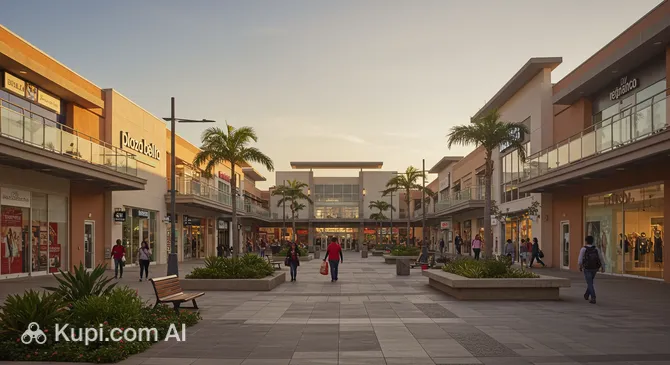
Craftsmanship of Artisans. The city is known for its talented craftsmen whose work is highly valued far beyond its borders. Traditional leather goods, high-quality ceramics, and handmade textiles are the most popular souvenirs. You can find unique items in both small shops and larger centers like Plaza Bella.
Plaza Bella. Illustration.
Source: Kupi.com AI
Traveler photos:
How to Get There
When planning a trip to this border city, it is important to consider its geographic location. Since Ciudad Acuña is located on the border with the USA, many travelers choose a combined route: a flight to a major transport hub followed by a bus or car trip. You can learn more about how to get to Ciudad Acuña by exploring all available route options.
Ciudad Acuña itself does not have a large international airport receiving regular passenger flights from afar. One of the most convenient options for international tourists is flying into San Antonio International Airport (SAT). It is located in San Antonio (USA), approximately 243 km from Ciudad Acuña. This is a major aviation hub with many flights. Travel time from the airport to the city by ground transport will take about 6 hours, including the border crossing.
An alternative option on the Mexican side is Quetzalcóatl International Airport (NLD). It is located in the city of Nuevo Laredo, at a distance of about 249 km from Ciudad Acuña. This is a regional airport with moderate passenger traffic, receiving domestic flights. The road from here to the destination will take approximately 6–6.5 hours by bus or taxi.
For clarity, here is summary information on the main airports:
Passenger rail service in this region is poorly developed, and there are no direct trains to the city. Roadways remain the main method of land travel. Ciudad Acuña is connected to other Mexican cities by federal highways used by intercity buses. If you are coming from the USA, you will enter the city via the international bridge from the city of Del Rio (Texas). We recommend checking bus schedules and car rental conditions in advance.
Main Attractions
The city of Ciudad Acuña offers travelers an interesting blend of natural beauty and lively urban spots. The undisputed landmark of the region is the majestic Amistad Dam (Presa de la Amistad). This monumental structure on the Rio Grande river not only symbolizes friendship between nations but also serves as a magnificent recreation area where you can admire the water's surface and take panoramic photos. However, beyond this giant, the city itself has several spots that are very popular with locals and tourists alike.
For those who want to dive into the modern rhythm of the city, Plaza Bella is an excellent choice. This is one of Acuña's main shopping and entertainment complexes, where you can not only shop but also simply have a pleasant time. Tourists are attracted by the wide selection of stores, cozy cafes, and the overall well-maintained atmosphere that makes this center a convenient spot to relax after walking around the city.
Another important point on the city map is the Acuna Libramiento Shopping Center. This place also plays a significant role in the daily life of the townspeople. Here, travelers can find everything they need—from essential goods to local souvenirs. Visiting such centers allows for a better understanding of the local lifestyle and preferences, as well as the chance to pick up useful items for the road.
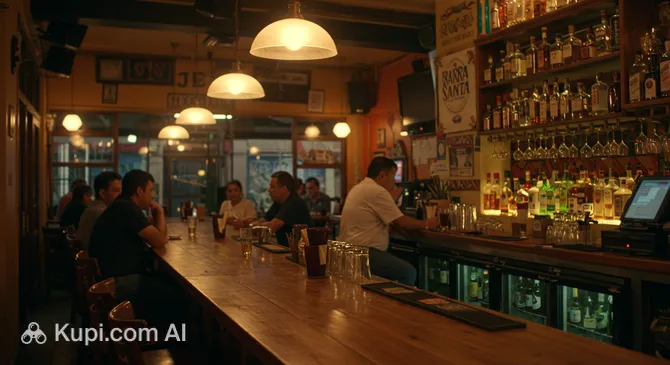
To feel the true spirit of nightlife and hospitality in this border city, it's worth stopping by Barra Santa. This venue is famous for its relaxed atmosphere and local flavor. People come here not just for drinks, but for emotions and conversation. For tourists, it's a wonderful opportunity to see how locals unwind and enjoy an evening in an authentic setting.
Local Cuisine
The gastronomic life of Ciudad Acuña is a real feast for foodies wishing to explore the traditions of northern Mexico. Local cuisine is distinguished by its vibrant character, abundance of meat dishes, and generous use of spices. The region's signature dish is arguably asado—succulent meat grilled over an open fire, typically served with warm homemade tortillas and fresh salsa. Sauce recipes here are passed down from generation to generation, giving each dish a unique touch.
Lovers of hearty meals should definitely try barbacoa—tender slow-cooked meat that literally melts in your mouth, as well as the famous beef tacos. For breakfast or a light snack, locals often choose tamales—corn rolls with various fillings, ranging from meat to cheese with chili peppers. These dishes are best found at city markets, where you can also sample fresh farm cheeses and juicy fruits.
Street food in Acuña is its own gastronomic adventure. On every corner, fragrant burritos and quesadillas with melty cheese are prepared, and fresh-pressed juices are offered to quench your thirst. Those with a sweet tooth will enjoy traditional desserts: crispy churros with hot chocolate or caramelized fruits sold in small shops and kiosks.
Chilakas Burgers. Illustration.
Source: Kupi.com AI
Traveler photos:
The dining culture in the city combines street snack traditions and cozy cafe gatherings. If you want to take a break from the heat and eat in a comfortable environment, stop by Chilakas Burgers, which serves excellent Mexican-style burgers. For an introduction to local drinks and evening relaxation, the Barra Santa bar is ideal. Here you can appreciate the variety of tequila and mezcal, which are integral parts of a Mexican meal.
Gastronomic festivals regularly take place in Ciudad Acuña, attracting tourists with the aromas of spices and smoke. This is a great opportunity not only to try the region's best dishes in one place but also to see local chefs in action, turning food preparation into a true art form.
Travel Tips
Welcome to Ciudad Acuña! To make your trip to this colorful border city as comfortable and worry-free as possible, we have prepared a list of useful recommendations to help you plan your trip wisely and avoid common mistakes.
Seasonal Wardrobe. Given the region's hot climate, for a summer trip, be sure to pack light clothing made of natural fabrics (cotton, linen), sunglasses, and a hat. In winter, evenings can be chilly, so a light jacket or sweater won't be superfluous. For walks along the waterfront and center, choose the most comfortable shoes without heels.
Transport Issues. Public transport is represented by buses, but their routes can be confusing for a newcomer. The most convenient way to get around is by official taxi (look for \"Sitios\" stands) or by ordering a car through apps like DiDi. The historic center is compact and most pleasant to explore on foot.
Financial Nuances. The official currency is the Mexican peso. Although US dollars are accepted in many places due to the proximity to the border, the rate may be unfavorable, so it is better to exchange money at official exchange offices (Casas de Cambio). Cards are accepted in supermarkets and restaurants, but always keep cash on hand for street food and small shops.
Health and Hygiene. The main rule for a tourist in Mexico is to drink only bottled water. Avoid ice in drinks in small street cafes if you are not sure of its origin. Pharmacies (Farmacias) are common, and you can buy basic medications there without a prescription, but it is better to arrange serious insurance in advance.
Communication and Language. The main language is Spanish, but thanks to its proximity to Texas, many locals understand and speak English. For stable internet, we recommend purchasing a local SIM card (e.g., Telcel) at OXXO stores. Learn a couple of phrases: \"Hola\" (Hello) and \"Gracias\" (Thank you)—this always wins over the locals.
Local Etiquette. Acuña residents are very friendly and value politeness. It is customary to say hello (\"Buenos días/tardes\") when entering a shop or restaurant. Be open and smiling; people here don't like rushing. Tips in restaurants are usually 10–15% of the bill if you enjoyed the service.
What to Avoid. Refrain from photographing military objects, police patrols, and the border control zone—this may raise questions with security services. Also, despite the relaxed atmosphere, you should not walk alone in remote, unlit areas of the city late at night.
Border Crossing Tip. If you plan to visit the neighboring American city of Del Rio, remember that wait times at the international bridge can vary. Check the checkpoint's congestion in advance through special apps or websites to avoid losing several hours in line, especially on weekends.
Ciudad Acuña is a city with a warm heart and a unique character. By following these simple tips, you can avoid minor troubles and focus entirely on enjoying the local culture, delicious cuisine, and the hospitality of the residents.
Entertainment & Nightlife
Nightlife in Ciudad Acuña has a special charm characteristic of Mexican border towns. You won't find massive metropolitan clubs with world-class DJs here, but you can immerse yourself in an atmosphere of sincere fun, live music, and hospitality. Most of the activity after dusk centers around the city's central part (Zona Centro) and along historic tourist streets, such as Hidalgo Street (Calle Hidalgo).
An evening in Acuña often begins with dinner or meeting friends in a relaxed setting. Local establishments are known for their casual approach: there is no strict dress code, and casual style is appropriate in most places. The crowd is a colorful mix of locals relaxing with families and tourists from neighboring Texas. Musical accompaniment often includes the rhythms of norteño and banda, creating an authentic backdrop for relaxation.
One of the most popular places to feel the city's true rhythm is Barra Santa. This venue attracts guests with an excellent selection of drinks and a lively atmosphere conducive to socializing. Groups often gather here to discuss news and simply have a good time after a hot day.
Barra Santa. Illustration.
Source: Kupi.com AI
Traveler photos:
If you get hungry during a night walk, the city offers great options for a late-night snack. The Chilakas Burgers restaurant is known for its hearty burgers and relaxed setting, perfect for ending the evening. Prices in Ciudad Acuña's venues will pleasantly surprise you with their affordability compared to major tourist centers.
For those who prefer a quieter start to the evening, visiting shopping and entertainment complexes is a great option. For example, at Plaza Bella, you can catch an evening movie or browse stores that stay open until late. During the day, the cultural program can be diversified with visits to local theaters or small museums that tell the history of the region.
Safety Tips: Despite the friendly atmosphere, tourists are advised to follow basic precautions. At night, it's better to get around via official taxis or by ordering a car through apps, avoiding walking through poorly lit remote areas. Stick to the busy streets of the center, where there are always plenty of people and police ensuring order.
Parks & Museums
Ciudad Acuña offers guests not only busy streets and shopping centers but also cozy green areas for relaxation and places that preserve the memory of this border region's rich past. While the city does not abound with world-class museum complexes, there are several landmark locations that allow you to touch local history and enjoy nature.
The main natural attraction near the city is the area around the Amistad Dam (Presa de la Amistad). This is not just a hydraulic structure, but a true friendship park with beaches and picnic areas. A monumental statue of the rain god Tlaloc is installed here, which draws the attention of tourists. It is an ideal place for those who want to relax by the water, go fishing, or simply take a walk while enjoying views of the majestic reservoir that divides two countries.
Within the city, Parque Braulio Fernández is a popular spot. Located near the banks of the Rio Grande, this park serves as the \"green lungs\" of central Acuña. It features walking paths and sports fields. Locals often come here with their families to escape the midday heat in the shade of the trees and spend time outdoors in a peaceful atmosphere.
From a cultural heritage standpoint, the Old Military Barracks (Antiguos Cuarteles Militares) are of particular interest. This historic building has witnessed many important events in the life of the city and region. The complex's architecture transports visitors to past eras, allowing for a better understanding of the border's military history. Today, this site is often used for cultural events and exhibitions reflecting the identity of Ciudad Acuña.
The center of the city's creative life is the House of Culture (Casa de la Cultura). Exhibitions by local artists, theatrical performances, and workshops are regularly held here. For a tourist, this is an excellent opportunity to get acquainted with the contemporary art of the Coahuila region and see what the city's creative community is working on. The House of Culture galleries often exhibit works inspired by the unique blend of Mexican and American traditions.
Insider Tip: If you find yourself at the Amistad Dam, try to be there at sunset. The view of the sun dipping below the horizon over the vast mirror of water next to the giant statue of Tlaloc creates a completely mystical and mesmerizing scene that cannot be seen in the city center.
Getting Around
The public transport system in Ciudad Acuña is quite simple and typical for cities of this size in the region. There is no metro, trams, or trolleybuses. The primary mode of transport for locals remains buses and fixed-route taxis, while tourists usually prefer official taxis or walking in the city center.
Buses (Camiones) are the most budget-friendly mode of transport. The city network consists of many routes that connect residential areas (colonias) with the center, markets, and industrial zones. Local buses often look colorful: the names of the main stops or terminals are usually written in large letters on the windshield. There is generally no strict minute-by-minute schedule, but intervals during the daytime are about 15–20 minutes.
Taxis are the most comfortable and popular way for travelers to get around. Cars can be found at special stands called \"Sitios,\" located near shopping centers, the main square, and the bus station. Taxis can also be hailed right on the street. In recent years, mobile apps for calling drivers (such as DiDi) have been gaining popularity in the city, making trips more predictable in terms of price and route.
Payment for public transport is made almost exclusively in cash. On buses, money is handed to the driver upon entry. The fare is fixed and very affordable. It is important to have small coins and low-denomination bills, as the driver may not have change for a large banknote. In taxis, if you are not using an app, it is better to agree on the price of the trip in advance, before getting into the car, as meters are not always used.
Transport starts running early in the morning, around 6:00, and operates until approximately 21:00–22:00. Later at night, buses run very rarely, so it is more reliable to count on a taxi for evening returns to the hotel. There is no need to buy bus tickets in advance, and there are no travel cards for tourists in the city—a \"pay-per-ride\" system is in place.
To explore the historic center (Zona Centro), transport may not be necessary: main attractions, shops, and restaurants are compactly located and easily navigated on foot. If you plan to cross the border, the international bridge can also be reached on foot from the center or by a taxi that will drop you as close as possible to the checkpoint.
Accommodation
Ciudad Acuña offers travelers a range of accommodation options that, while not reaching the scale of major resorts, are quite capable of providing a comfortable stay. The city's hotel stock is primarily represented by mid-range hotels and functional motels catering to transit travelers and guests from neighboring Texas. It is hard to find luxury five-star complexes here, but cozy family hotels and chain hotels provide all necessary amenities, including air conditioning (which is critical in the local climate), Wi-Fi, and parking.
When choosing a place to stay, you should pay attention to the Central Zone (Zona Centro). This is the historic heart of the city, where the main tourist life is concentrated. By staying here, you will be within walking distance of colorful restaurants, souvenir shops, and the main square. Another popular option is hotels located along the main avenues leading to the international bridge. These locations are particularly convenient for car travelers who need a quick exit to the highway and proximity to the border.
The price range in the city can be described as affordable. The cost of living here is generally lower than in major tourist centers in Mexico or on the American side of the border. Most hotels can be booked through popular international online aggregators, which guarantees safety and price transparency. However, for staying in small private guest houses (posadas), direct contact or payment on-site may sometimes be required.
Booking Tip: Although there is usually no acute shortage of rooms in Ciudad Acuña, it is recommended to take care of booking in advance if your trip falls on a weekend or the dates of local festivals. During these times, the flow of guests from the USA increases, and the best options in terms of price and quality may be taken.
Nearby Cities
For those who want to explore the surroundings, Ciudad Acuña serves as an excellent starting point for day trips to several interesting nearby locations:
The most convenient option for a short trip is Piedras Negras, located less than a hundred kilometers away. This city is known for being well-maintained and safe, and also for the legend that nachos were invented right here. Tourists can visit the Plaza de las Culturas with replicas of ancient pyramids or stroll through the historic center.
Nature and food lovers should head to Sabinas. The city is located on the banks of the river of the same name, where picturesque park areas for picnics and relaxation have been established. Additionally, this region is famous for its meat traditions—some of the best steaks in the state of Coahuila are prepared here.
If you are ready for a longer trip, you can visit Monclova—Mexico's \"steel capital\" with a rich historical heritage. Beautiful colonial churches have been preserved here, and interesting museums, such as the Museum of Coahuila and Texas, tell the story of the region's past.
These nearby destinations provide an insight into the region's diverse culture and landscapes.
Shopping & Souvenirs
Shopping in Ciudad Acuña is an exciting mix of modern comfort and the flavor of a Mexican border city. Here you can find both familiar brand stores and unique local artisan shops. Thanks to its proximity to the border, trade flourishes here, offering tourists a wide range of goods: from quality clothing and electronics to authentic handmade souvenirs.
The main shopping artery for tourists is traditionally considered to be Hidalgo Street (Calle Hidalgo). Strolling through this area, you will immerse yourself in the atmosphere of a real open-air Mexican market. Shop windows here are full of bright colors, and sellers are always happy to chat and help with a choice. It is an ideal place for a leisurely promenade where you can combine sightseeing with buying memorable items.
For those who prefer shopping in a modern format with air conditioning and food courts, several large complexes operate in the city. One of the most popular spots is Plaza Bella. This shopping center has become a point of attraction for both locals and visitors, offering a large selection of boutiques, entertainment, and cafes. Here you can buy clothes, shoes, and accessories from well-known brands.
Plaza Bella. Illustration.
Source: Kupi.com AI
Traveler photos:
Another important location is the Acuna Libramiento Shopping Center. This is a spacious mall where it is convenient to make daily purchases. Tourists often stop by here for supermarkets with local products to buy Mexican sauces, sweets, or coffee, as well as to visit clothing stores at affordable prices.
If you are looking for something truly unique, be sure to check out the local markets. They are the heart of the city's trade. Here you can find the freshest fruits, vegetables, and spices that fill the air with unique aromas. Markets also often sell inexpensive clothing and household goods, allowing you to see the non-tourist side of life in Acuña.
As souvenirs from Ciudad Acuña, it is worth bringing back leather goods—the region is famous for its craftsmen who create magnificent boots, belts, and bags. Traditional ceramics, bright textiles (such as ponchos and serapes), silver jewelry, and, of course, authentic Mexican vanilla and tequila are also popular. These items will be a great reminder of the trip or a gift for loved ones.
Most shops in the city open around 10:00 and work until 20:00 or 21:00. Shopping centers are usually open longer and work daily, while small private shops may close earlier or take a break in the middle of the day. The main currency is the Mexican peso, but many tourist spots readily accept US dollars (though the rate may not be the most favorable). Bank cards are accepted in large stores and restaurants, but for purchases at the market or in kiosks, it is better to have cash on hand.
In Mexico, there is a tax refund system for foreign tourists (Tax Free/Moneyback) for purchases in participating stores over a certain amount. To take advantage of this opportunity, look for the \"Moneyback\" logo at the store entrance and remember to ask for a special receipt and form when paying. Refunds are usually processed at special points in airports or at major border crossings.