Support

Junction

About

Junction is a picturesque and cozy town located in the heart of the state of Texas, in the famous Hill Country region. Despite its modest size with a population of about 2,500 people, this place has a unique atmosphere and serves as an important transport and tourist hub for travelers exploring the southern United States. The city is often poetically called the “Land of Living Waters,” which perfectly describes its main natural feature.
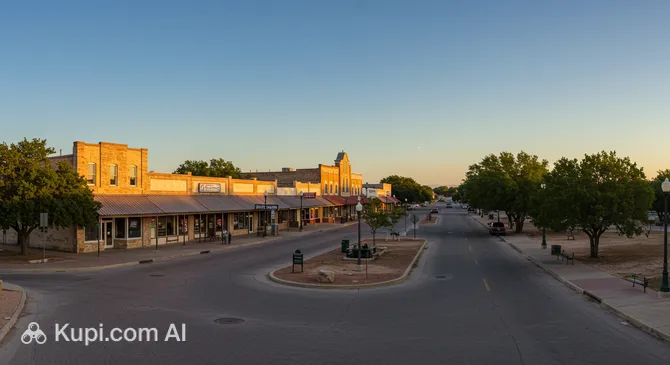
Junction. Illustration.
Source: Kupi.com AI

The city got its name thanks to its geographical location: this is where the North and South forks of the Llano River merge. These waterways have always played a central role in the settlement's development. The fascinating history of Junction is closely intertwined with these rivers, which not only gave life to local agriculture but also served as meeting and trading places since the city's founding. The climate here is typical for Central Texas: hot summers and mild winters, allowing for outdoor recreation most of the year.

For tourists, Junction offers many opportunities for active recreation. The main attraction is South Llano River State Park. This is a paradise for nature lovers: here you can go kayaking, tubing (floating on inflatable rings), or simply have a picnic by the water. In addition, the park is known as one of the largest winter turkey roosts in the region, attracting birdwatchers and photographers.

A visit to Junction is a wonderful chance to slow down and immerse yourself in the authentic atmosphere of the American heartland. Picturesque rolling landscapes, clear rivers, and the hospitality of local residents make this city an excellent stop on your journey through Texas.

Weather Overview

The climate in Junction is characteristic of the Hill Country region: seasonal fluctuations are pronounced, but extreme cold is rare. Summers are traditionally hot and dry, especially in July and August, when the daytime thermometer often rises to 35°C. This is the best time for water activities on the river, although it's important to remember sun protection.

Winter brings a pleasant coolness with average temperatures around 10–12°C, while there is very little precipitation—usually only 1 mm per month. Spring and autumn offer comfortable warmth, but May stands out as the wettest period, with an average of up to 12 rainy days. For more accurate wardrobe planning, we recommend checking the detailed weather in Junction before your trip.

Overall, expect hot, sunny summers and mild, dry winters, making this Texas town an excellent destination for tourism practically year-round.

Average monthly temperature

Average monthly precipitation

Interesting Facts

Помимо основных достопримечательностей, Джанкшен хранит множество увлекательных секретов и исторических курьезов, которые делают его по-настоящему уникальным местом на карте Техаса.
  • The Deer Horn Tree. One of the city's most unusual landmarks is the "Deer Horn Tree" — a kind of Christmas tree installed on Main Street. This art object was created in 1968 by a local women's club and consists entirely of white-tailed deer antlers. The sculpture serves as a tribute to the region's rich hunting traditions and attracts thousands of fans of unusual photos every year.

  • The Legend of the "Junction Boys". The city holds a special place in U.S. sports history. In 1954, legendary coach Paul "Bear" Bryant brought the Texas A&M football team here for a training camp. Under conditions of extreme heat and drought, only 35 players out of more than a hundred survived the 10-day camp. This group was nicknamed "The Junction Boys," and their story of resilience became the subject of books and films.

  • The State Water Record. The nickname "Land of Living Waters" is not just a beautiful metaphor but a statistical fact. Kimble County, of which Junction is the administrative center, boasts a greater total length of flowing rivers and streams than any other of the 254 counties in Texas. This is a surprising contrast to the common perception of the region's arid climate.

  • A City Owed to a Flood. Junction might never have become an important center if not for the misfortune of its predecessor, the settlement of Kimbleville. The county's first administrative center was built in a low-lying area and was constantly flooded. Tired of fighting the elements, residents and merchants moved to a safer location at the confluence of the two forks of the Llano River, where the modern city flourishes today.

How to Get There

When planning a trip to this cozy Texas corner, it is important to think through the logistics in advance, as the city is located away from major metropolises. You can learn more about how to get to Junction, including all available routes, on our special page. The main way for tourists from other regions and countries to get here remains a flight to one of the nearest major cities followed by a car trip.

There is no airport in Junction itself that accepts regular passenger flights. The closest option is San Angelo Regional Airport (IATA: SJT), located in a neighboring county. It is approximately 119 km from the city. Thanks to high-speed highways, the trip from there by taxi or rental car will take only about 1 hour 15 minutes. This is a small regional hub, convenient for those who want to minimize time behind the wheel. Reference link: San Angelo Regional Airport.

A more popular choice for international travelers is San Antonio International Airport (IATA: SAT). It is located at a distance of about 164 km. The drive from here will take approximately 1 hour 40 minutes. This airport serves a significant flow of tourists and offers a wide choice of flights. More about the hub: San Antonio International Airport.

You should also consider Austin-Bergstrom International Airport (IATA: AUS) in the state capital. The distance to Junction is about 205 km, which will require approximately 2 hours of travel by ground transport. This is a major hub with excellent service and many connecting flights. Information is available here: Austin-Bergstrom International Airport.

For clarity, here is a summary of the main airports:

AirportPassenger trafficDistance
San Angelo Regional Airport120 000119 km
San Antonio International Airport11.1 mln164 km
Killeen–Fort Hood350 000197 km
Austin-Bergstrom International Airport21.8 mln205 km
Abilene Regional Airport150 000213 km

As for rail service, there are no direct trains to Junction, and the nearest stations are at a significant distance. Since the city sits at the intersection of major Interstate 10 and US Highway 83, renting a car remains the most convenient way to travel after arrival. This will give you the freedom to move around the picturesque Hill Country region.

Main Attractions

Although Junction is a small town, it is rich in places that tell the story of Texas culture and allow you to enjoy the natural beauty of the Hill Country region. In addition to the famous state park, there are several locations that are definitely worth including in your travel itinerary.

Lovers Leap is one of the most recognizable natural landmarks in the vicinity of the city. This limestone cliff towers over the valley, offering breathtaking panoramic views of the town and the winding riverbeds. The place is shrouded in a romantic, though tragic, legend of a young Native American couple from feuding tribes who, unwilling to part, chose eternity together by jumping from this cliff. Today, a trail leads to the summit, and a memorial cross is installed at the top. It is an ideal spot for watching the sunset and taking landscape photographs.

For those interested in the region's past, the Kimble County Historical Museum opens its doors. The museum's exhibition carefully preserves the heritage of the first settlers and tells the story of life in the Texas backwoods during the 19th and 20th centuries. Here you can see antique tools, household utensils, military artifacts, and unique photographs documenting the development of Junction. This is a small but very soulful place where volunteers are happy to share stories about local families and events.

Schreiner Park is another magnificent spot for relaxing by the water, located closer to the city center than the state park. The park is situated on the shores of Junction Lake, formed by a dam on the river. Excellent conditions for a family picnic have been created here: there are shady areas, tables, and convenient access to the water for swimming or fishing. The calm current makes this place safe and pleasant for a relaxed afternoon in the hot Texas sun.

Local Cuisine

Junction's culinary scene is the embodiment of Hill Country regional traditions. You won't find pretentious fine-dining restaurants here, but the city is famous for its authentic establishments serving hearty, "honest" food prepared with soul. The main gastronomic magnet for tourists is certainly Texas barbecue. Local pit masters cook meat for hours over a low flame, using mesquite or oak wood. Be sure to try the brisket — here it is incredibly tender, with a characteristic smoky aroma and a black crust.

Besides barbecue, the city's culinary map cannot be imagined without the classic Chicken Fried Steak. Despite the name, this dish is made from tenderized beef that is breaded and fried like chicken, then generously topped with thick cream gravy. This is a high-calorie but very tasty classic of the Southern states, served in almost every diner in town. Mexican cuisine also has a strong influence: for breakfast, locals often choose tacos or burritos, which is part of the popular Tex-Mex style.

As for drinks, the king of the table in Junction, as in all of Texas, is sweet iced tea. It is drunk by the liter at any time of day and is perfectly refreshing in the heat. Among non-alcoholic drinks, Dr Pepper is also popular and is considered a national treasure of the state. Fans of something stronger should pay attention to the products of Texas breweries — local lagers and ales pair perfectly with meat dishes.

The dining culture in Junction is very casual and relaxed. It is customary to eat slowly, enjoying the conversation. The main establishments are cozy family cafes, roadside diners, and barbecue restaurants where food is often served on simple trays or paper. Many tourists and locals prefer to take food to go to have a picnic on the banks of the Llano River in the park, combining lunch with contemplating nature.

Travel Tips

A trip to Junction promises to be peaceful and relaxing, but even in such a cozy town, it is worth knowing a few nuances for a comfortable stay. This list of practical recommendations will help you prepare for your trip and feel confident in the heart of the Texas Hill Country.

  1. Clothing and Gear. Given the hot climate, prioritize light clothing made from natural fabrics and be sure to wear a hat. Since the main leisure activities here are related to rivers, bring water shoes — the bottom can be rocky and slippery. For walks in the parks, you need closed, comfortable shoes to protect your feet from thorny plants and insects.
  2. Transport. Junction is a typical small town in the USA where public transport is practically non-existent. A personal or rental car is vital here to reach the state park, remote attractions, or large supermarkets. Rideshare apps (Uber, Lyft) may work inconsistently, and waiting times can be long.
  3. Finances. The official currency is the U.S. dollar. Cards are accepted almost everywhere, but in a small town, it is strongly recommended to have cash (bills of 5–20 dollars) with you. They will be useful for small purchases in private shops or for tips. The tipping culture here is strict: in cafes and restaurants, it is customary to leave 15–20% of the bill if service was not already included.
  4. Health and Safety. The town is very quiet, but nature requires caution. Snakes can be found in high grass, so watch your step while hiking. There are pharmacies in town, but they do not operate 24/7; stock up on necessary medications in advance. Also, don't forget to drink plenty of water to avoid dehydration under the Texas sun.
  5. Communication. The primary language is English, and knowledge of Spanish can also be useful. Wi-Fi is available in hotels and most cafes, but mobile signal can drop in low areas near the river or deep in the park. If you need a stable connection, it is better to purchase a local SIM card (such as AT&T or T-Mobile) in a major city upon arrival.
  6. Local Etiquette. In the Texas heartland, people are very open and friendly. It is customary to greet strangers when making eye contact and to use polite forms of address like "sir" or "ma'am." Don't be surprised if a cashier or a passerby starts a small talk with you — it's a sign of hospitality that is worth answering with a smile.
  7. What to Avoid. The most important rule in Texas is respect for private property. Never climb over fences or enter territories enclosed by barbed wire or marked with "Private Property" or "No Trespassing" signs. This can lead to serious legal problems and conflicts with landowners.
  8. Road Caution. Be extremely careful while driving, especially at dawn and dusk. The Junction area is known for its huge deer population, which often suddenly runs out onto the roadway. Collisions with animals are one of the most common causes of accidents in this area.

By following these simple tips, you can avoid minor troubles and fully focus on your vacation. Junction is a welcoming place where respect for nature, laws, and locals guarantees you a warm welcome and great memories.

Entertainment & Nightlife

Nightlife in Junction is fundamentally different from that of bustling metropolises. You won't find neon signs for massive nightclubs or districts with endless parties here. Evening leisure in this corner of Texas is an immersion into the authentic atmosphere of the American heartland, where the main values remain live communication, country music, and the starry sky, which shines particularly brightly away from big cities.

The local bars and historical dance halls become centers of gravity as dusk falls. The atmosphere in these establishments is as casual and friendly as possible: it is customary to wear jeans and cowboy boots, and strangers quickly become friends at the bar counter. Most places close around midnight or at 1–2 AM on weekends, so the fun starts earlier here, right after sunset.

If you want to feel the true spirit of Texas, you should pay attention to the iconic spots in the surrounding area. One of the most famous establishments in the region is London Hall (located about a 20-minute drive north of the city). This is one of the oldest dance halls in the state, operating since the early 20th century. People come here to dance the two-step to live music from local country bands. This place is living history where entire families gather.

In the city itself, the bar Paddy’s Wagon is popular. This is a classic American dive bar without any unnecessary pretension, where you can play pool, have a cold beer, and chat with the locals. Prices here are very reasonable: the average check for a drink and a snack will be significantly lower than in Austin or San Antonio.

Practical Tips and Safety:

  • Transport: This is the most important aspect of nightlife in Junction. Since rideshare services (Uber, Lyft) practically do not operate here and public transport is absent at night, you will need a "designated driver" in advance. State police strictly monitor for intoxicated driving.
  • Safety: Junction is a very safe city. You can safely walk the streets in the evening; the crime rate here is extremely low. The only real threat is wild animals (deer) that can run onto the roads after dark.
  • Payment: Many old bars and dance halls may only accept cash, so be sure to have banknotes with you.

As for daytime and evening cultural entertainment, the choice here is modest but interesting. Fans of quiet relaxation should visit the Kimble County Historical Museum to better understand the context of where you are. The outdoor amphitheater in the riverside park is also popular, where city festivals and open-air concerts are periodically held.

Parks & Museums

Despite its modest size, Junction offers travelers an amazing combination of natural beauty and carefully preserved history. Green zones here are not just places for walking, but centers of active life, inextricably linked with water arteries, while the city's museums open unexpected pages of the American South's past.

The main natural gem of the region is undoubtedly South Llano River State Park. In addition to water activities, this place holds the prestigious status of an International Dark Sky Park. This means there is virtually no light pollution, and a fantastic view of the Milky Way opens up at night. The park is also famous for its network of hiking trails totaling over 35 kilometers, which lead through picturesque forests and hills, allowing you to see rare birds such as the Golden-cheeked warbler.

For more relaxed recreation within the city limits, Schreiner Park is ideal. Located on the riverbank, it is equipped with everything necessary for family leisure: there is a large city pool, sports courts for basketball and volleyball, and convenient barbecue areas in the shade of ancient pecan trees. This is a favorite place for locals to spend weekends and city holidays.

The city's cultural life is centered around preserving the heritage of the first settlers. The Kimble County Historical Museum offers a deep dive into 19th-century life. The exhibition is housed in a small building but is packed with artifacts: from antique saddles and cattle branding irons to the personal diaries of pioneers. Particular attention is paid to the role of women in the settlement of the Wild West and the development of local infrastructure.

A lesser-known but extremely interesting site is the O.C. Fisher Museum, located in the Kimble County Library building. It is an exact replica of the Washington, D.C. office of Congressman O.C. Fisher, who represented this district in the U.S. Congress for 32 years. Here you can see original furniture, political cartoons, photographs with presidents, and unique documents from the Cold War era, creating a striking contrast with the town's provincial atmosphere.

Insider Tip: If you find yourself in the library for the Fisher Museum, head up to the second floor or ask the librarians about the balcony. It often offers a beautiful view of the city square and the famous hills surrounding Junction, making it a great spot for a panoramic photo.

Getting Around

The public transport system in Junction has its own specifics, which are important to consider when planning a trip. Since it is a small town with a population of about 2,500 people, there is no standard city public transportation system. You won't find a metro, trams, trolleybuses, or an extensive network of city buses running on a schedule here. The city's infrastructure is primarily focused on personal vehicles.

The main and practically only way to comfortably move around the town and its picturesque surroundings is by car. Tourists are strongly recommended to rent a car in advance upon arrival at major airports (San Antonio or Austin), as the choice of rental agencies in Junction itself is extremely limited or non-existent. Having a car will give you freedom of action and allow you to easily reach the state park, remote ranches, and natural attractions of the Hill Country region.

As for modern rideshare and carsharing services like Uber or Lyft, you should not rely on them in Junction. Due to the small number of drivers in the region, waiting times can be very long, and at some hours, cars may be unavailable altogether. Local taxi services exist, but their fleet is small, and you often have to order a trip by phone in advance. This is important to remember if you are planning an evening out at a bar or restaurant.

Walking is great for getting around the historic city center. The center of Junction is compact, and many shops, cafes, and museums are within walking distance of each other. The sidewalks here are convenient, and the traffic on the main streets is calm. There is no dedicated bicycle infrastructure, but local roads are safe enough for cycling if you exercise caution. There are few bicycle rental points in the city, so if you are a fan of two-wheeled transport, it is better to check the possibility of rental at your hotel or campground.

An important aspect for road travelers is parking. Unlike metropolises, there are no problems with this in Junction. Parking in the city is generally free and accessible. You will easily find a spot near restaurants, shops, and main attractions. Parking fees may only be required when entering state park territory (for example, South Llano River State Park), where you need to purchase an entry ticket or a vehicle pass at the visitor center upon entry.

The only form of public transport linking Junction with the outside world is intercity buses (such as Greyhound). The stop is usually located at gas stations or roadside cafes along Interstate 10. It is best to buy tickets for such buses online in advance. However, it is worth remembering that this type of transport is only suitable for getting to the city, but not for moving around it.

Accommodation

Accommodation in Junction fully reflects the character of this small Texas town: you won't find luxury five-star resorts or high-rise hotels of international giants here. The basis of the housing stock consists of affordable roadside motels, cozy guest cabins, and numerous RV parks, which is ideal for travelers who value simplicity and functionality.

Geographically, lodging options can be divided into two main zones. The first is along Interstate 10 and the main entrances to the city. Classic American motels and budget chain hotels are concentrated here. This is the most convenient area for transit tourists who prioritize a quick exit to the highway and the presence of 24-hour diners nearby. Road noise may be audible, but prices here are generally the most affordable.

The second, more picturesque zone is along the banks of the Llano River. Private guest houses, lodges, and campgrounds are located here. Staying in this area allows you to enjoy nature right from your doorstep: many properties have their own access to the water, barbecue areas, and shady verandas. This is the best choice for those who came to Junction for kayaking, fishing, or a quiet family vacation for a few days.

The price range in the city varies from budget to mid-range. The cost of a night in motels is usually quite affordable, while renting private cabins by the river can cost more, especially on weekends. Booking rooms in chain hotels is easily available through popular online aggregators. However, if you want to stay in a private guest house or a small local lodge, it is often better to look for their websites directly or call the owners — many authentic places may not be represented on major platforms.

Booking Tip: Despite the large number of motels, Junction can be crowded during peak periods. It is strongly recommended to book accommodation in advance (2–3 weeks) in the summer months, when the season for swimming and river rafting is open, as well as in late autumn and winter, when hunters from all over the state flock to the Hill Country region.

Nearby Cities

Для тех, кто хочет исследовать окрестности, Джанкшен служит отличной отправной точкой для однодневных поездок. Расположение на пересечении важных магистралей позволяет легко добраться до нескольких интересных мест, каждое из которых обладает своим характером.

The undisputed leader for a tourist excursion is San Antonio. It is one of the most visited cities in the state, known for its rich history and unique atmosphere. Here you can stroll along the famous River Walk, visit the legendary Alamo mission, and enjoy magnificent cuisine. The journey takes less than two hours, allowing for a full day of activities before returning in the evening.

If you are looking for a quieter destination, consider San Angelo. The city is famous for its historical heritage, in particular, the well-preserved Fort Concho from the era of the Wild West. Walks along the Concho River and visits to local art galleries will provide a sense of coziness and peace.

For lovers of wide-open waters and fishing, Del Rio is an interesting option. Located near the border, this city serves as the gateway to the massive Amistad Reservoir (Amistad National Recreation Area), considered one of the best places in Texas for water sports and outdoor recreation.

Below is information about nearby cities that may be of interest to visit:

CityPopulationDistance
Kerrville24 07178 km
Brady5 50083 km
San Angelo100 330125 km
Boerne17 290126 km
Scenic Oaks9 136136 km

These destinations allow for a more complete picture of the diverse culture and landscapes of the region, harmoniously complementing the impressions of staying in the Texas Hill Country.

Shopping & Souvenirs

General Overview

Shopping in Junction has a quiet, provincial character and is fundamentally different from the hustle and bustle of major metropolises. You won't find huge shopping centers with global brands here; instead, the town offers a unique opportunity to immerse yourself in the atmosphere of the Texas heartland. The assortment of local shops is largely focused on the region's lifestyle: products for hunting, fishing, and outdoor activities are widely represented here, as well as authentic interior items and Western-style clothing.

Main Shopping Districts and Streets

The heart of the town's commercial life is Main Street. A stroll down this street is not just a shopping trip, but also an introduction to the town's history. Cozy family-run shops, gift stores, and boutiques are located in historic buildings. Here you can take your time choosing goods while enjoying friendly communication with the owners, who often stand behind the counter themselves.

Shopping Centers

Due to the town's small size, there are no typical malls or large shopping and entertainment complexes in Junction. The main points of interest for everyday purchases are small shopping rows and standalone supermarkets, such as Lowe's Market. If your goal is large-scale shopping and updating your wardrobe in brand-name stores, it is better to plan a trip to nearby San Antonio, located an hour and a half away.

Markets

Local markets and garage sales, often organized by residents, add a special flavor to the town. Seasonal farm stalls offer fresh vegetables and fruits grown in the Hill Country region. These are excellent places to find locally produced items that you won't see on the shelves of chain supermarkets.

Souvenirs

The main gastronomic souvenir from Junction is undoubtedly the pecan. This region is famous for its pecan trees, so be sure to buy a bag of fresh nuts, pecan oil, or traditional sweets based on them. It is also worth paying attention to:

  • Hunting gear: quality equipment, knives, or accessories with camouflage prints.
  • Antiques: in local shops, you can find amazing vintage items, from old dishes to cowboy memorabilia, at very reasonable prices.
  • Leather goods: handmade belts, wallets, and gloves.

Opening Hours and Payment

Shops in Junction live at a measured pace. Most retail outlets are open from 9:00 AM to 5:00 PM or 6:00 PM from Monday to Friday. On Saturday, many close earlier, around noon or 2:00 PM, and Sunday is traditionally a day off for small businesses. Bank cards from major systems are widely accepted for payment, but for purchases at markets or for small amounts, it is recommended to have U.S. dollars in cash with you.

Tax Free

The state of Texas has a Sales Tax Holiday and a program for sales tax refunds (Tax Free Shopping) for international travelers. However, it applies primarily to major partner stores, which are practically non-existent in Junction. You can take advantage of this opportunity by making major purchases in the state's large cities and processing the refund at special points in airports before your flight.

Reached the end of the page?

That means the route is fully explored