Support

Dolphin Pavilion

About

The Dolphin Pavilion is an outstanding specialized facility and stadium that is part of the Indianapolis Zoo, located in Indianapolis, Indiana, USA. Opened to the public in 1989, this pavilion became home to common bottlenose dolphins (Tursiops truncatus), one of the most famous and beloved dolphin species, offering guests a unique opportunity to get up close with these intelligent marine mammals.
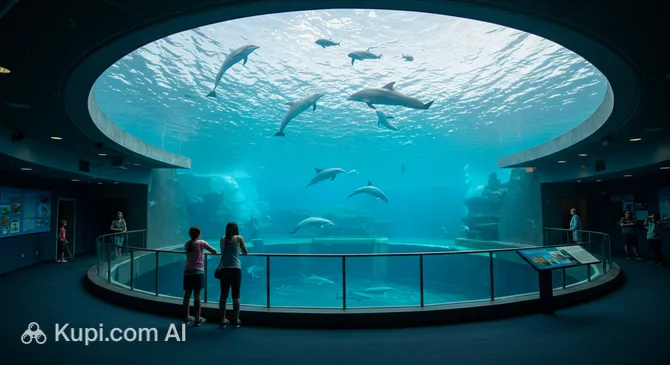
Dolphin Pavilion. Illustration.
Source: Kupi.com AI

Traveler photos:

The pavilion features conditions that closely mimic the natural habitat of dolphins. This allows visitors to observe their natural behavior, play, and impressive demonstrations of their abilities. The Dolphin Pavilion serves not only an entertainment role but also an important educational function, teaching about the lives of marine inhabitants, their biology, and the need to preserve marine ecosystems.

The Dolphin Pavilion is rightfully considered one of the zoo's main attractions and a unique facility in the entire U.S. Midwest. It is the only place in the region offering such an up-close dolphin interaction experience, making it an unforgettable event for visitors to Indianapolis of all ages who are interested in the amazing world of animals.

Contacts

To ensure your visit to the Dolphin Pavilion is as comfortable and interesting as possible, we recommend checking the latest information in advance. You can get in touch with representatives or find the necessary details using the following contact information:

How to contactContact
Address1200 W Washington St, Indianapolis, IN 46222, USA
Phone number+1 317-630-2001
Websitewww.indianapoliszoo.com

What to Do

At the Dolphin Pavilion in Indianapolis, visitors can expect a fascinating introduction to the world of these amazing marine mammals. Free demonstration shows take place here daily, during which trainers and dolphins showcase their talents. Guests can watch the dolphins perform various tricks and interact with each other and their mentors. Additionally, the performances share many interesting facts about the biology and behavior of these intelligent animals, as well as their training methods and care.

A special highlight of the pavilion is the Dolphin In-Water Adventure program. This is a unique opportunity for zoo visitors to not just watch the dolphins, but to swim with them under the careful guidance of experienced specialists. Such an experience will undoubtedly be one of the highlights of a visit to Indianapolis and can be an unforgettable gift for loved ones or yourself.

For those who want to learn even more about the lives of dolphins and the pavilion's operations, special "behind the scenes" tours are available. During these tours, you can get a closer look at the dolphins, see how their day goes, and learn more about the daily work of the staff who care for these beautiful creatures. This is a great chance to deepen your knowledge and gain even more positive emotions from interacting with marine life.

Getting There

The Dolphin Pavilion is one of the main attractions at the Indianapolis Zoo. To see these wonderful marine animals, you first need to reach the zoo itself. The zoo is conveniently located in the central part of Indianapolis, close to its downtown area, making it easily accessible for visitors from anywhere in the city.

There are several convenient ways to get to the Indianapolis Zoo, where the Dolphin Pavilion is located. If you are planning to travel by private car, the zoo has a spacious parking lot for visitors. For those who prefer public transport, city buses run regularly from downtown Indianapolis to the zoo. Additionally, you can always use taxis or popular ride-sharing apps to take you directly to the entrance.

The exact address of the Indianapolis Zoo is: 1200 W. Washington St., Indianapolis, IN 46222. This information will help you easily set your route in a GPS or find your way on-site. Given the popularity of this location, especially on weekends and holidays, it is recommended to plan your visit and route in advance to avoid any inconvenience and fully enjoy your visit to the Dolphin Pavilion.

Nearest city: Indianapolis

History & Facts

The Dolphin Pavilion in Indianapolis opened in 1989 and quickly won the hearts of visitors, becoming one of the local zoo's iconic landmarks. From the moment it opened, the pavilion became home to a group of common bottlenose dolphins. Over the years, it has been modernized multiple times to provide the animals with the best living conditions and ensure a comfortable and safe experience for visitors.

Over the decades, the Dolphin Pavilion has evolved from a mere entertainment venue into an important educational center. Various programs aimed at protecting marine mammals and increasing environmental literacy are implemented here. Special attention is paid to the issues of ocean pollution and the need to preserve marine habitats, which is reflected in the information materials and events held at the pavilion.

The uniqueness of the pavilion lies not only in the opportunity to see these amazing marine creatures but also in its commitment to scientific research. Pavilion staff actively participate in studying dolphin behavior and biology, contributing to global efforts to conserve these intelligent and graceful animals. Thus, a visit to the Dolphin Pavilion is not only a vivid impression but also an opportunity to learn more about the importance of protecting marine ecosystems.

Time Needed

When planning a visit to the Dolphin Pavilion in Indianapolis, you should expect that exploring the site and participating in the main activities will take approximately 1-2 hours. This time is usually enough to get a full sense of this amazing place and enjoy interacting with its inhabitants.

During this period, you will be able to watch the fascinating dolphin demonstration show, which is the pavilion's centerpiece event. You will also have the opportunity to take part in various interactive programs that allow you to learn more about these marine mammals. If you want a more intimate experience, such as during special tours with interaction opportunities, your visit time may increase slightly.

Therefore, the recommended 1-2 hours is the optimal time for a standard visit including the main highlights. However, if you plan to take advantage of additional offers or simply want to spend more time watching the dolphins, allow a little more time in your schedule.

Working Hours

The Dolphin Pavilion in Indianapolis operates according to the general schedule of the Indianapolis Zoo. Typically, the zoo is open to visitors daily from 9:00 AM to 4:00 PM. However, please note that these hours may vary depending on the season, weather conditions, or special events held on the zoo grounds.

To ensure your visit is as smooth as possible and to avoid any unforeseen changes in the schedule, it is highly recommended to check the current operating hours for the Dolphin Pavilion and the entire zoo on the official website before your trip. There, you can also find information about the need for advance ticket booking, especially during peak seasons or for popular shows.

Nearby

Visiting the Dolphin Pavilion in Indianapolis is undoubtedly an exciting event, but you shouldn't stop there. Exploring the surroundings will allow you to dive deeper into the city's atmosphere, discover new interesting places, and get a more complete picture of its cultural and entertainment diversity. Often, it is the short walks near the main destination that offer the most unexpected and pleasant experiences.

There are several notable sites near the Dolphin Pavilion that can complement your itinerary in Indianapolis. From parks and museums to unique architectural structures, everyone will find something to their taste. Below is a list of some of them, along with their distances.

NameDistance
Indianapolis Zoo0.1 km
Indiana State Museum0.8 km
Eiteljorg Museum of American Indians and Western Art0.9 km
Harry & Izzy's1.7 km
Soldiers & Sailors Monument1.8 km
Helium Comedy Club1.8 km
Indiana War Memorial & Museum2 km

Have you reached the end of the page?

So the route has been studied inside and out