Support

Treaty Oak

About

Hiding in the heart of a modern metropolis is a true natural wonder — the majestic Treaty Oak. This living piece of history is over 250 years old, making it older than the city of Jacksonville itself. The tree belongs to the Quercus virginiana (Southern Live Oak) species and is rightfully considered one of the most significant natural landmarks the USA has to offer tourists.
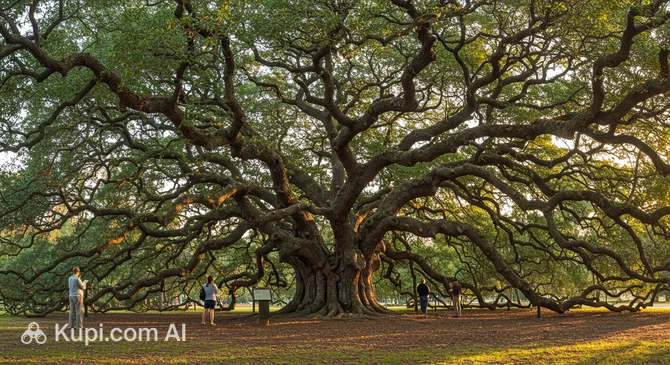
Treaty Oak. Source: Kupi.com AI

The main feature of this colossus is its incredible canopy. The oak's massive, gnarled branches are so heavy and long that they bow to the ground before sweeping back upward, creating a whimsical tangle reminiscent of a giant octopus. The tree is the centerpiece of Jessie Ball duPont Park and looks like a living set piece from a fairy-tale film.

The Treaty Oak is not just a plant, but the oldest living organism in the county, having miraculously survived the process of urbanization. Its height and branch span are staggering, and the carefully maintained surrounding area allows guests to safely admire this natural masterpiece without causing it any harm.

Contacts

For inquiries regarding park visits or event planning, you can contact the city's Parks and Recreation Department. Official representatives monitor the natural monument's condition and ensure visitor comfort. Below are the current contact details for communication and navigation.

Address 1207 Prudential Dr, Jacksonville, FL 32207, USA
Phone +1 904-630-2489
Official Website coj.net

What to Do

The main reason to visit the park is the opportunity to walk along the wooden boardwalk that encircles the ancient tree. This design allows you to view the intricate curves of the branches from the closest possible distance while protecting the oak's sensitive root system. Be sure to take time to read the informational plaques that explain how modern arborists care for the tree.

For photography enthusiasts, this place is a true paradise. The unique geometry of the branches creates fantastic shadows and angles, especially at dawn or during the "golden hour" before sunset. It is no surprise that the location is immensely popular for wedding photo sessions and professional shoots.

The park has an atmosphere of tranquility, making it a pleasant spot for a short break on benches under the shade of dense foliage. You can observe local wildlife or see young oak saplings grown from the acorns of their "older brother" — a way the city authorities continue the legacy of this unique site. If your visit coincides with the summer season, you might catch a free outdoor movie screening.

Getting There

This ancient giant is located on the south bank of the St. Johns River, in the heart of the Southbank district. The exact address of the park is: 1207 Prudential Dr, Jacksonville, FL 32207, USA. If you are traveling by car, reaching the site via Prudential Drive is straightforward, and convenient parking is provided next to the park.

Public transport users can take advantage of the Jacksonville Transportation Authority (JTA) services. Buses stop within a few minutes' walk of the park entrance. It is also convenient to take a taxi or use ride-sharing services like Uber or Lyft from the city center; the trip will take about 10–15 minutes depending on traffic.

For those already exploring the Southbank Riverwalk, a walk or bike ride to the tree is a pleasant addition to the itinerary. The location is very compact and easily found using navigation systems, making it accessible even for first-time visitors to the city.

History & Facts

This tree was growing here long before Jacksonville was officially founded in 1822. In the early 20th century, the surrounding area was part of the bustling Dixieland Park — a popular entertainment center featuring roller coasters and carousels. In those days, the oak was a local celebrity: it was decorated with electric lights, and a nearby plaque claimed the tree was over 400 years old and that the legendary Chief Osceola once rested beneath it.

Its current name, the "Treaty Oak," is thanks to the ingenuity of journalist Pat Moran. In the 1930s, when the city needed land for development and the tree was threatened with destruction, Moran fabricated a story that Native Americans and early white settlers had signed a peace treaty (treaty) right here. The beautiful legend worked: the public rallied to protect the tree, and it was granted historical monument status.

The giant's fate has not always been easy: in the 1960s, it suffered from vandalism and neglect. The situation was saved by philanthropist Jessie Ball duPont. She purchased the plot of land and deeded it to the city on the condition that it become a park. Today, the tree is under the strict protection of specialists who use modern cabling and lightning protection systems to prolong the life of this natural masterpiece.

Time Needed

To take a leisurely stroll around the tree, take memorable photos, and read the information stands, most tourists find 30 to 60 minutes sufficient. The park is quite compact, so a visit here won't take much time and easily fits into a busy sightseeing day.

If you plan to have a small picnic in the shade of the sprawling branches or simply want to escape the city bustle, it's worth setting aside about 1.5–2 hours. On summer evenings, outdoor movie screenings are sometimes held here, and on those days, your time in the park can extend throughout the evening under the starlit sky.

Working Hours

You can visit this amazing natural monument any day of the week. Jessie Ball duPont Park, where the oak grows, is open to the general public daily according to the following schedule:

  • Monday — Sunday: 7:00 AM – 7:00 PM

Admission is free; however, please note that in the event of extreme weather conditions or scheduled maintenance on the tree's canopy, access to the park may be temporarily restricted.

Nearby

A walk to the ancient oak is just one part of what the city's Southbank has to offer. Exploring the surrounding streets and the riverwalk will allow you to deeper experience the Florida atmosphere and discover interesting architectural and cultural sites.

In close proximity to the park, you will find memorial complexes, historic homes, and modern recreation areas that perfectly complement your Jacksonville travel itinerary.

Name Distance (km)
San Marco “Train Station” 0.7
Jacksonville Veterans Memorial Wall 1.9
The Gray House 3.8
Lane-Towers House 5.3
Van Zant House 8.1
Speedway Park 8.5
Academy Sim Racing 8.6
Splash 9.4
TanksRUs 9.6
Rex, the Beach Blvd Dinosaur 10.9

Reached the end of the page?

That means the route is fully explored