Support

Kekaha

About

Kekaha is a quiet and picturesque town located on the sunny west coast of Kauai. As the westernmost settlement on the island of Kauai, it attracts travelers with its authentic atmosphere and distance from bustling tourist centers. It is a place in the state of Hawaii, USA, where you can feel the true spirit of the islands and enjoy a peaceful pace of life.
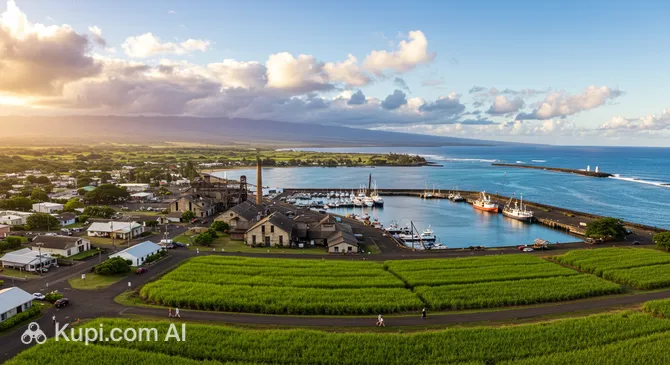
Kekaha. Illustration.
Source: Kupi.com AI

The town's geographical position determines its unique climate: it is much drier and sunnier here than on the rest of the island, guaranteeing excellent weather almost year-round. With a population of about 4,000, Kekaha maintains the cozy feel of a small provincial town. The history of Kekaha is inextricably linked to the era of sugar plantations, and this heritage can still be traced in the appearance of old buildings and the culture of the local community.

For tourists, the town serves as an ideal starting point for exploring the natural wonders of Kauai. This is where the road to the majestic Waimea Canyon, often called the "Grand Canyon of the Pacific," begins. Also in the immediate vicinity is Polihale State Park with its stunning sand dunes and long, wild beach. From the town's coast, a mesmerizing view of the mysterious island of Niihau opens up, particularly impressive in the rays of the setting sun.

If you are looking for seclusion, love watching magnificent sunsets, and want to explore the western part of the "Garden Isle," Kekaha is a wonderful choice for your journey.

Weather Overview

The climate in this corner of Hawaii is considered one of the most favorable on the island due to its location on the dry leeward side. The current weather in Kekaha usually provides consistent warmth year-round, without the sharp temperature drops or prolonged downpours characteristic of Kauai's northern shore.

The summer season, especially August and September, brings the highest temperatures: the air warms up to an average of 25.2°C, with daytime highs reaching 27.6°C. Winter months, such as February, are slightly cooler, with averages around 20.7°C and nighttime lows around 18.8°C, creating ideal conditions for a comfortable vacation.

Expect warm, sunny days most of the year with occasional light showers that rarely interfere with plans. While the number of days with precipitation varies from 8 (in August) to 14 (in April and October), the total volume of moisture remains minimal—only 1–3 mm—so rains here are generally short and refreshing.

Average monthly temperature

Average monthly precipitation

Interesting Facts

Beyond its main attractions, Kekaha holds many fascinating secrets and unique features that make this corner of Hawaii truly special.
  • The "Barking Sands" Phenomenon. In the immediate vicinity of the town is a beach with an amazing natural phenomenon known as Barking Sands. The grains of sand here have a unique hollow structure, and when you walk on the dry sand or rub it with your hands, it emits a sound reminiscent of a dog barking. Local legend says these are the spirits of an ancient fisherman's dogs who still guard the coast.

  • Hawaii's Only Train Robbery. Kekaha was the setting for the only train robbery in the state's history. In 1920, bandits stopped a train carrying the payroll for sugar plantation workers and fled with a large sum of money. This event has forever entered local folklore as a scene from a Western in a tropical setting.

  • A View of the "Forbidden Island". The town's coast is considered the best vantage point for observing the island of Niihau, where access is strictly restricted for outsiders. It is here that you can see the most impressive sunsets, as the sun dips directly behind the silhouette of the mysterious neighbor, creating an incredible play of light and shadow.

  • Red Earth and Sugar Heritage. The massive abandoned sugar mill towering over the town is a reminder of the days when Kekaha was the center of plantation life. The local soil here is so rich in iron oxide that Kekaha's famous "red dirt" can permanently stain clothes a characteristic terracotta color, which locals jokingly call a "Hawaiian souvenir."

How to Get There

When planning a trip to the west coast of Kauai, it is important to think through the logistics in advance, as the town is located far from major transportation hubs. You can find out more about how to get to Kekaha by studying available routes and transfer options. The main way to get here remains a flight to the island followed by a car trip.

Kekaha itself does not have its own airport. The nearest and most convenient point of arrival is Lihue Airport (IATA: LIH), which handles most flights from the mainland and neighboring islands. It is located near the town of Kapa'a, about 39 km from Kekaha. The drive from the airport by taxi or rental car takes about 1 hour and 20 minutes, passing through the scenic landscapes of the south coast.

Many international tourists first fly into Honolulu International Airport (IATA: HNL), located in Honolulu on the island of Oahu (about 199 km from the destination). This is the region's largest air hub. Since there is no direct land connection between the islands, after arriving in Honolulu, you will need to take a short domestic flight to Lihue Airport on Kauai.

For clarity, here is a summary of the region's main airports:

AirportPassenger trafficDistance
Lihue Airport3.6 mln39 km
Honolulu International Airport21.9 mln199 km
Molokai Airport290 588286 km

There is no rail service on the island of Kauai, so trains are not used for passenger transport to Kekaha. The primary means of getting around the island is by car. It is highly recommended to rent a car at the arrival airport, as this will give you freedom of movement and allow you to easily reach the town and surrounding attractions.

Main Attractions

Although Kekaha itself is a small and peaceful town, it serves as the main gateway to some of Hawaii's most spectacular natural wonders. Travelers stay here not for boisterous entertainment, but for access to the wild beauty of Kauai's west coast. Here are the main places to include in your itinerary when visiting this area.

Kekaha Beach Park is the heart of the town's coastline. It is a long stretch of golden sand that is perfect for long walks and picnics. Swimming should be done with caution due to strong currents and waves, but this spot is considered one of the best on the island for watching the sunset. It is from here that you get the clearest view of the "Forbidden Island" of Niihau and the neighboring islet of Lehua, creating magnificent landscapes in the evening hours.

Just a few minutes' drive from town, the road to the famous Waimea Canyon begins. While technically outside the town limits, Kekaha is the closest settlement to this natural phenomenon. The canyon, often called the "Grand Canyon of the Pacific," is striking with its red cliffs, deep gorges, and cascading waterfalls. Lookouts along the road offer breathtaking panoramas that change depending on the lighting and cloud cover.

If you follow the highway from Kekaha to the very end in the northwest, you will reach Polihale State Park. This is a place where civilization gives way to wilderness: massive sand dunes reaching up to 30 meters in height meet the endless ocean. Polihale is the longest beach in Hawaii, known for its seclusion and sacred significance to native Hawaiians. The road here is partially unpaved, but the majestic landscapes and sense of total freedom are well worth the effort.

History buffs and fans of atmospheric photography will be interested in seeing the old Kekaha Sugar Mill. Although indoor access is closed, this industrial giant with its rusting structures and high chimney is an important visual symbol of the town. The mill is a reminder of the region's plantation past and serves as a colorful backdrop, emphasizing the contrast between industrial history and vibrant tropical nature.

Local Cuisine

Kekaha's dining scene is modest but incredibly authentic. Here you won't find pretentious fine-dining restaurants, but you will be able to try real home-style food that the locals love. The culinary traditions of this corner of Kauai were shaped by the influence of immigrants who worked on the sugar plantations, so the menu is dominated by a hearty mix of Hawaiian, Japanese, Filipino, and Portuguese flavors.

The main dish that every traveler must order is the classic Plate Lunch. It is the quintessence of local comfort food: two scoops of white rice, a serving of macaroni salad with mayonnaise, and a main meat dish such as chicken katsu, teriyaki, or Kalua pig (shredded pork smoked in an underground oven). Portions here are usually huge, designed to satisfy after a long day's work.

Given the proximity to the ocean, a special place in the diet is held by poke — a salad of raw fish, diced and marinated in soy sauce, sesame oil, and spices. In Kekaha, the best poke is often sold by weight in regular supermarkets rather than in cafes. This is an ideal option for a quick snack. For dessert in the hot climate of the west coast, shave ice is indispensable — finely shaved ice drizzled with bright fruit syrups, often served with a scoop of ice cream or sweet azuki beans at the bottom.

As for drinks, the west side of the island is famous for its proximity to coffee plantations. Try some freshly brewed Kauai coffee, which features a smooth flavor with chocolate notes. Popular refreshing drinks include guava, passion fruit, and orange juices (the famous POG blend), and in the evening, you can enjoy a classic Mai Tai to the sound of the surf.

The food culture in Kekaha is very relaxed. Locals and tourists often buy food at small roadside stands, food trucks, or the deli section of the local Big Save store and then head out for a picnic. The town's best "restaurant" is considered to be a bench at the beach park with a sunset view, where simple food in a plastic container tastes better than any delicacy.

Travel Tips

To ensure your trip to the sunny west coast of Kauai goes perfectly, we have compiled a list of important practical recommendations. These tips will help you feel confident and comfortable in this secluded corner of Hawaii.

  1. Clothing and the "Red Problem." Kekaha is one of the hottest and driest places on the island, so you will need light clothes, shorts, and sandals. However, if you plan a trip to nearby Waimea Canyon, be sure to bring a windbreaker—it is noticeably cooler at higher elevations. Important: do not wear your favorite white shoes or clothes. The local soil is rich in iron oxide (the famous Red Dirt), and this red dust is practically impossible to wash out of fabric.

  2. Transportation. Renting a car to visit Kekaha is a necessity. Public transport is infrequent and does not reach many natural attractions, such as Polihale Park. Taxi services in this remote part of the island are inconsistent, and waiting for a car can take a long time.

  3. Finances and Cash. The official currency is the US dollar. While cards are accepted at gas stations and stores, it is highly recommended to have cash in small bills. You will need them to buy fruit at roadside stands and for payment at some food trucks. The tipping culture here is standard for the states: it is customary to leave 15–20% of the bill.

  4. Health and Water Safety. The sun in western Kauai is very intense—use a high SPF sunscreen. Be extremely careful with the ocean: Kekaha Beach is known for strong currents and powerful surf, and lifeguards are not on duty at all sections. Pharmacies close early, and the nearest hospital is in the neighboring town of Waimea.

  5. Communication and Navigation. Mobile signals and GPS can cut out as you move away from the residential area toward the mountains or wild beaches. Download offline maps of the area in advance. It is better to purchase a SIM card immediately upon arrival in Lihue, as there are no mobile service stores in Kekaha itself.

  6. Local "Aloha" Etiquette. Life here flows at a relaxed pace. Do not rush staff and do not honk on the roads unless it is an emergency—it is considered bad manners. Greet locals with "Aloha" and thank them by saying "Mahalo." It is customary to remove your shoes before entering a private home.

  7. Protecting Nature. It is strictly forbidden to touch sea turtles or Hawaiian monk seals on the shore. This is a violation of federal law carrying a fine. Keep a distance of at least 3–5 meters and do not disturb the animals while they rest.

  8. Shopping Specifics. Infrastructure in Kekaha itself is limited to small shops that close quite early. Large chain supermarkets (like Big Save) are located in the neighboring town of Waimea. If you plan a sunset picnic, make sure to buy water and food in advance so you aren't left without dinner.

By following these simple rules, you can avoid minor troubles and fully immerse yourself in the authentic "Old Hawaii" atmosphere. May your adventure be filled with bright colors and warm hospitality!

Entertainment & Nightlife

Nightlife in the town of Kekaha has its own unique, measured rhythm, which is fundamentally different from the noisy parties in tourist hubs like Waikiki. Here you won't find neon signs, loud nightclubs, or discos operating until dawn. Evening in this corner of Kauai is a time for connecting with nature, quiet conversation, and stargazing, which looks absolutely stunning here, far from city lights.

The main evening event for locals and visitors alike is invariably the sunset. The coastline, especially around Kekaha Beach Park, turns into a natural open-air cinema. People gather on the beach to see off the sun as it sinks behind the island of Niihau. The atmosphere here is as relaxed as possible: the dress code is limited to shorts and flip-flops, and instead of cocktails at a bar, many prefer to have a picnic on the sand with cold drinks from a local store.

If you want to spend the evening at an establishment, keep in mind that most cafes and eateries in Kekaha close quite early, often by 8:00 PM or 9:00 PM. For a more eventful evening, it is recommended to drive a few kilometers east to the neighboring historic town of Waimea. There you can find several colorful places, such as Wrangler's Steakhouse, where you can dine in an Old West atmosphere and occasionally listen to live Hawaiian music, or visit the historic Waimea Theater, which shows movies in a retro setting in the evenings.

In terms of safety, Kekaha is a very peaceful place, though night walks have their own specifics. Street lighting here is minimal and completely absent in many sections of the road to avoid disturbing seabirds. Therefore, if you decide to walk along the ocean after sunset, be sure to bring a flashlight. The crime rate is low, but you should still avoid leaving valuables unattended in your car.

Transportation at night is a particularly pressing issue. Taxi services or ride-sharing apps (Uber/Lyft) are practically unavailable in this remote part of the island late at night. If you plan to have dinner with alcohol in a neighboring town, arrange in advance who will be the designated driver. You will have to return along a dark two-lane highway where local animals often cross the road, so driving requires extra attention.

During the day, entertainment in Kekaha is more active. This includes surfing local waves, visiting the majestic canyon, walking along endless beaches, and exploring the history of sugar plantations. The nightlife here is a logical, peaceful conclusion to a busy day, allowing you to recharge for new adventures.

Parks & Museums

The town of Kekaha and its surroundings are, above all, the gateway to a world of wild, untamed nature and living Hawaiian history. Here, on the western edge of the island, traditional museum halls give way to majestic natural parks and open-air industrial monuments that tell the region's story better than any exhibits.

The undisputed dominant feature among the natural areas is Waimea Canyon State Park. Although it technically extends deep into the island, the main road leading to this natural wonder begins in Kekaha. Stretching 16 kilometers long and up to 900 meters deep, the canyon captures the imagination with its red-orange cliffs blanketed in greenery. Tourists come here for the breathtaking lookouts offering panoramas of gorges, waterfalls, and the play of light on ancient volcanic rock.

If you continue up the road from the canyon, you will reach Kōkeʻe State Park. This is a completely different world compared to the hot coast of Kekaha: it is cool here, mists often descend, and the landscape changes to dense tropical forests. The park is a hiker's paradise, offering dozens of kilometers of trails of varying difficulty. Particularly popular is the route to the Kalalau Lookout, which offers a view of the famous Na Pali Coast, inaccessible by car.

As for cultural institutions, there are few classic museums within the town itself; however, one site deserves special attention. The Kōkeʻe Natural History Museum, located within the namesake park, is a small but rich treasury of knowledge. Here you can learn about the geology of Kauai, unique local birds, plants, and the region's climatic features. The museum also provides trail maps and up-to-date information on trail conditions, making it a mandatory stop before a hike.

Kekaha itself resembles an open-air museum dedicated to the era of sugar cane. The primary historical and architectural landmark is the old Kekaha Sugar Mill. Although tours inside the factory are not conducted, this massive industrial complex with its rusty chimneys and hangars creates a unique atmospheric backdrop and serves as a reminder of the times when the town was the center of the sugar industry. Another significant architectural site is St. Theresa Church—a beautiful white building in the Carpenter Gothic style, built in 1941, which remains the spiritual center of the local community.

Insider Tip: When ascending to Waimea and Kōkeʻe parks from sunny Kekaha, you will feel a sharp change in temperature. The difference can be 10–15 degrees, so be sure to bring a warm sweater or a raincoat, even if it is hot on the beach below. And on the way back, stop at one of the lower lookouts at sunset—the bird's-eye view of the ocean and Niihau island will be one of the best memories of your trip.

Getting Around

Given the modest size and remote location of the town, the public transportation system in Kekaha is limited and differs significantly from the familiar urban networks of large cities. There are no subways, trams, or trolleybuses here. The only form of municipal transport is the island's bus network—The Kauai Bus, which connects the town with other settlements.

The bus service serves more of a social function for local residents than a tourist one. Routes pass through Kekaha, connecting the west coast with the southern part of the island and the airport. However, intervals can be significant (usually once an hour or less), and schedules are reduced on weekends and holidays. It is important to remember that buses run only along the main road and do not go to key attractions like Waimea Canyon or Polihale Park.

The fare payment system is simple and conservative. Only cash dollars are accepted on the buses. Payment must be made upon boarding by dropping the money into a special box next to the driver. The driver does not give change, so you must prepare the exact amount in advance (usually small bills or coins). Monthly passes exist, but they are generally not practical for a short visit.

For tourists, there is a critical restriction: The Kauai Bus rules strictly prohibit the transport of large luggage. You are only allowed to bring items into the cabin that fit on your lap or under the seat (such as a backpack). Travel suitcases cannot be transported, so getting from the airport to Kekaha on public transport with luggage is not an option.

Consequently, the main alternative and essentially the only convenient way to get around remains renting a car. This provides the freedom to visit beaches and mountain parks where transport does not go. Taxi services and ride-sharing apps (Uber or Lyft) operate in the area, but cars are few, wait times can be long, and the cost of a trip can be high due to the distance from central hubs.

For local travel within the town itself, you can use a bicycle. The terrain along the coast is completely flat, making cycling pleasant; however, there are no dedicated bike lanes, and you will have to ride on the shoulder of the highway. A bike is suitable for trips to the store or the beach, but a climb into the mountains would require excellent physical fitness.

Accommodation

Unlike Hawaii's popular tourist centers, Kekaha is not built up with high-rise hotels and luxury resort complexes. The accommodation scene here reflects the town's quiet and authentic character. The majority of offerings consist of private apartments, cozy vacation rentals, and small Bed & Breakfast guest houses. This location is ideal for travelers who prefer independence, silence, and the opportunity to live at the pace of the locals, away from the hustle and bustle of large lobbies and overcrowded pools.

When choosing a place to stay, you should pay attention to the coastal area along the highway. Houses located here are often just across the road from the ocean, guaranteeing magnificent sunset views and the sound of the surf in the evenings. Another good option is accommodation near the turn onto Kokee Road. This is a strategically advantageous location for those planning to actively explore Waimea Canyon and Kokee Park: you can head into the mountains early in the morning, ahead of the main tour buses.

The so-called plantation cottages possess a special charm. These are historic wooden houses where the families of sugar industry workers once lived. Today, many of them have been renovated and turned into comfortable housing for tourists. By staying in such a cottage, you can immerse yourself in the atmosphere of "Old Hawaii" with its simple lifestyle and wide verandas, perfect for evening relaxation.

Booking tip: Since the number of accommodations in Kekaha and the surrounding area is limited, it is highly recommended to book your stay in advance — preferably 3–6 months before your trip. During high season (winter and summer), finding a vacant cottage on a "walk-in" basis is almost impossible.

The price range varies from mid-range to high. There are no budget hostels or cheap motels in the town itself. If you are looking for classic hotel service with daily cleaning and an on-site restaurant, you might need to consider options in the neighboring town of Waimea or in larger resort areas like Poipu, located a 40–50 minute drive away. Bookings are most often made through popular online rental platforms, as most properties are managed by private owners or small agencies.

Nearby Cities

For those looking to explore the surroundings, Kekaha serves as an excellent starting point for day trips to several interesting nearby locations:

Waimea is the nearest neighbor, located just a few minutes' drive to the east. This historic town is known as the place where Captain James Cook first landed in Hawaii in 1778. Tourists come here to see the monument to the famous explorer, stroll through colorful streets with Old West-style shops, and visit the local technology center.

Hanapepe is a picturesque town that proudly calls itself "Kauai’s Biggest Little Town." It is a true cultural hub of the region, filled with art galleries and craft shops. A must-do is a walk across the famous swinging bridge over the river and a visit to the weekly "Art Night" if your trip falls on a Friday.

Koloa and the Poipu resort area are located a bit further away but are definitely worth a visit for the contrast. Here you will find an old sugar mill turned into a historic landmark, the famous "Tunnel of Trees," and excellent snorkeling beaches where you can often spot sea turtles.

CityPopulationDistance
Hanapepe14 km
Kapaa11 51643 km
Makaha9 710165 km
Waianae14 152169 km
Maili13 245171 km
These nearby destinations provide a glimpse into the diverse culture and landscapes of the region.

Shopping & Souvenirs

Shopping in the town of Kekaha is significantly different from what tourists are used to seeing in major resort centers. Here you won't find multi-story shopping malls, brand-name boutiques, or busy promenades with storefronts. The town's commercial infrastructure is minimal and focused primarily on the daily needs of local residents. However, this is exactly where you can find authentic goods and products that reflect the spirit of "real Hawaii" and the history of Kauai's west coast.

The main shopping spots are concentrated along the main road—Kaumualii Highway and Kekaha Road. The choice here is limited to a few small stores offering groceries, beach supplies, and basic household items. For more serious shopping, locals and visitors usually head to the neighboring historic town of Waimea, just a few minutes' drive east, where the range of shops is much wider.

There are no shopping malls in Kekaha itself. The nearest large mall, Kukui Grove Center, is located in the island's administrative center, Lihue, about 40 kilometers away. In Kekaha, trade is represented by "general store" formats, where fresh pastries, fishing gear, and souvenirs coexist in a cramped but cozy space.

Local markets and roadside stands deserve special attention. Traveling along the west coast, you will invariably encounter small kiosks selling the freshest tropical fruits. Depending on the season, you should buy mangoes, lychees, papayas, or dragon fruit grown on local farms. This is a great opportunity to taste fruit ripened in the sun rather than in a shipping container.

If you are looking for unique souvenirs, the west side of the island is the best place to buy Niihau Shell Leis. Since Kekaha is closest to the "Forbidden Island" of Niihau, you can find these exquisite and expensive pieces of jewelry, which are considered some of the most valuable souvenirs in Hawaii. Also popular are T-shirts and caps dyed the famous terracotta color of the local soil (Red Dirt)—a fun and practical gift reminding you of the red dust of Waimea Canyon. Don't forget about the local coffee grown on Kauai plantations.

When planning your shopping, consider the operating hours. Life in Kekaha winds down early. Small shops may close as early as 7:00 PM or 8:00 PM, and roadside fruit stands often operate only until sunset or until they sell out. US dollars are accepted everywhere. In permanent stores, you can pay by card, but for purchases at stands or food trucks, it is highly recommended to have cash on hand, preferably in small bills.

The Tax Free system (tax refund) in the USA works differently than in Europe, and in Hawaii, it is effectively non-existent for tourists. Sales tax (General Excise Tax) is added to the price at the checkout, which on Kauai is about 4.712%. It is impossible to get this tax refunded when leaving the country, so you should account for this surcharge when planning your budget.

Reached the end of the page?

That means the route is fully explored