Support

Mariposa

Attractions

About

Mariposa is a charming small town nestled in a picturesque valley at the foot of the Sierra Nevada Mountains in California, USA. It is known for its unique atmosphere, where the spirit of the Gold Rush era harmoniously blends with modern hospitality and the tranquility of a small town.
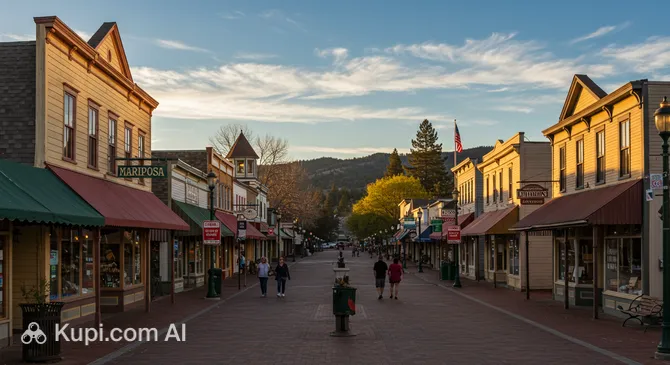
Mariposa. Illustration.
Source: Kupi.com AI

Mariposa's geographic location makes it particularly attractive to travelers. The town is in close proximity to the world-famous Yosemite National Park, one of the country's most iconic nature reserves, making it an ideal starting point for nature lovers and outdoor enthusiasts. With a population of around 2,000, Mariposa retains its authenticity and serves as the county seat for Mariposa County, offering guests a peaceful and leisurely getaway.

Mariposa captivates with its warm and friendly atmosphere. Strolling through its narrow streets, you will discover well-preserved historic architecture, cozy local cafes, restaurants, and small shops. Among the town's key features is its rich historical heritage. A visit to the Mariposa Museum and History Center is a must to learn more about the Gold Rush era, as is the California State Mining and Mineral Museum, which showcases an impressive collection of minerals and gemstones.

If you are looking for a place to combine a journey into the history of the American West, exploration of stunning nature, and relaxation in a quiet, authentic setting away from the noise of big cities, Mariposa will be a true discovery for you. This welcoming town invites you to enjoy its charm and unique Californian flavor.

You can find more interesting facts on the Mariposa city history page.
Weather Overview

The weather in Mariposa is characterized by a Mediterranean climate with distinct seasons. Travelers should expect hot and very dry summers, while winters are mild and bring most of the annual precipitation.

The summer months, especially July and August, are the hottest: average temperatures reach 26-27°C (79-81°F), and maximum values can rise to 34-35°C (93-95°F). Precipitation is virtually non-existent during this period. In winter, from December to February, the average temperature stays around 8°C (46°F), with minimum values around 2-3°C (36-37°F). The winter months, along with early spring (especially March, which sees an average of 7 mm of precipitation), are the wettest of the year, bringing 4 to 7 mm of precipitation monthly and counting between 9 and 13 rainy days. Spring and autumn offer pleasant transitional conditions with moderate temperatures and little rainfall. For detailed information on weather conditions in different months, you can visit the Mariposa climate page.

Average monthly temperature

Average monthly precipitation

Interesting Facts

In addition to its role as the "golden gateway" to Yosemite National Park, Mariposa holds many curious details and stories that make it a truly unique place.

Charles Street Dinner House. Illustration.
Source: Kupi.com AI

Traveler photos:

  • Mariposa is home to the Mariposa County Courthouse, built in 1854. Remarkably, it is the oldest courthouse west of the Rocky Mountains that is still continuously used for its original purpose, preserving the spirit of the Gold Rush era.

  • Few know that Mariposa is the location of the California State Mining and Mineral Museum—the only museum of its kind in all of California. It houses the state's official mineral collection, including rare gold specimens and the famous Fricot Nugget.

  • The town's name, 'Mariposa', means 'butterfly' in Spanish. According to legend, it was named by early European explorers who were struck by the abundance of these insects. This connection to nature is also reflected in its proximity to natural wonders like Horsetail Falls and Wildcat Falls, as well as picturesque trails like the Lower Chilnualna Falls Trail, often mentioned in regional guidebooks.

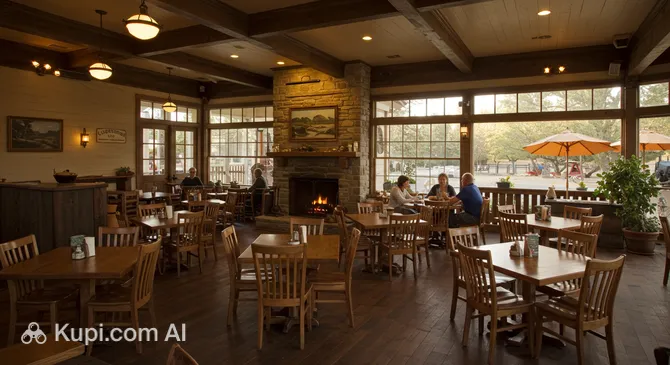
  • The historical heritage of Mariposa is evident even in its culinary scene. For instance, the popular restaurant Charles Street Dinner House is housed in a building with more than a century of history, offering guests not just a meal, but a touch of the town's past.

How to Get There

The town of Mariposa, being an important tourist hub on the way to Yosemite National Park, enjoys good transport accessibility, although it does not have its own airport or train station. Travelers usually arrive in major neighboring cities and then continue their journey by car or bus. You can find out all the ways to get to the city on a separate page, and below we will look at the main options.

Since there is no airport in the town of Mariposa itself, tourists most often fly into neighboring transport hubs. The most convenient and closest option is Fresno Yosemite International Airport (FAT). It is located in the city of Fresno, about 83 km from Mariposa. This is a regional airport with average passenger traffic, accepting many domestic flights. The journey from here by rental car or taxi will take approximately 1.5–2 hours.

Another popular option, especially for those flying from afar or on international flights, is San Jose Mineta International Airport (SJC). It is located in the city of San Jose, in the heart of Silicon Valley, approximately 174 km from Mariposa. This is a major transport hub with a wide selection of flights. The journey from the airport to the town of Mariposa will take about 3–3.5 hours by car.

For clarity, here is summary information on the main airports used to reach the region:

AirportPassenger trafficDistance
Merced Municipal Airport15 00053 km
Fresno Yosemite International Airport2.7 mln83 km
Mammoth Lakes Airport35 000101 km
Stockton Airport127 000120 km
Eastern Sierra Regional Airport20 000143 km

As for rail transport, there is no train station in the town of Mariposa itself. The nearest major Amtrak station is in the city of Merced, about 60 kilometers to the west. This station is served by the San Joaquin trains, connecting the region with San Francisco and Sacramento. From the station in Merced, Mariposa can be reached comfortably via YARTS (Yosemite Area Regional Transportation System) buses, which run regularly and are specifically geared toward tourists.

Most travelers prefer to reach Mariposa by car via the scenic Highway 140, known as the "all-weather highway" into Yosemite. This allows you to enjoy views of the Sierra Nevada foothills and gives you the freedom to move around the surrounding area.

Main Attractions

Despite its modest size, the town of Mariposa is rich in interesting sights that allow you to touch the history of the Wild West and enjoy the grandeur of California's nature. This town is a true treasure trove for those who want to learn more about the Gold Rush era and see unique architectural monuments.

Undoubtedly, the main point of attraction for all travelers in this region is Yosemite National Park. Although the park itself is a vast territory, Mariposa serves as its historic southern gateway. It is from here that it is most convenient to reach the Mariposa Grove of giant sequoias and the picturesque Yosemite Valley. Proximity to this natural wonder defines the rhythm of life in the town and makes it an ideal base for hiking and landscape photography enthusiasts.

In the town itself, the Mariposa Museum and History Center deserves special attention. The Smithsonian Institution named it one of the best small museums in the USA. The exposition masterfully recreates the atmosphere of the 1850s: here you can see authentic miners' dwellings, an old pharmacy, and a printing shop. It is a place where history comes alive, allowing guests to understand how California's first settlers lived and worked.

Another unique attraction is the California State Mining and Mineral Museum. Its collection houses over 13,000 exhibits, including the famous "Fricot Nugget"—a crystalline gold specimen weighing nearly 13.8 pounds (6.5 kg) found during the Gold Rush. Visitors can also descend into a replica mine and learn about the state's geological diversity.

Architecture buffs should take a look at the active Mariposa County Courthouse. Built in 1854, it is the oldest continuously operating courthouse west of the Rocky Mountains. The snow-white Greek Revival facade and clock tower have become a recognizable symbol of the town and a reminder of its rich past.

Charles Street Dinner House. Illustration.
Source: Kupi.com AI

Traveler photos:

Among the town's attractions are gastronomic spots that have become part of the local legend. For example, the Charles Street Dinner House restaurant. This establishment is located in a historic building and is famous for its cozy atmosphere that transports guests back in time. Tourists often stop by not just for dinner, but to feel the spirit of old Mariposa while enjoying classic American cuisine in authentic interiors.

Local Cuisine

The culinary scene in Mariposa is a harmonious reflection of California's diversity and the warm hospitality of a small town. Despite its modest size, the town offers tourists an impressive choice of gastronomic delights: from hearty classics of the American West to exquisite dishes made from local products. An atmosphere of "comfort food" prevails here, where the quality of ingredients is valued more than complex presentation.

The core of the local menu consists of traditional American dishes, perfect for recharging after long walks in the mountains. Travelers should definitely try the local burgers and grilled steaks, which are considered a hallmark of the region. Thanks to the significant influence of Mexican culture, Mariposa also excellently prepares tacos, burritos, and enchiladas, delighting guests with authentic flavors and spice.

Beverages hold a special place in the gastronomic culture. The region is famous for its apple orchards, so one of the main local specialties is apple cider. Local producers, such as Sierra Cider, offer tastings of this refreshing drink, which has become a real hit among tourists. Additionally, proximity to the Sierra Foothills wine regions ensures an excellent selection of Californian wines in local establishments.

For those looking for a combination of history and fine dining, the Charles Street Dinner House restaurant is a wonderful choice. It serves modern American cuisine, with attention given to vegetarian options as well. This place is popular not only for its delicious menu but also for its cozy atmosphere, perfect for a leisurely dinner with friends or family.

Food culture in Mariposa is closely tied to seasonality. Locals and tourists alike enjoy visiting farmers' markets, where you can buy the freshest fruits, vegetables, homemade jams, and pastries. These products often become the basis for picnics in nature. Furthermore, the town regularly hosts food festivals, becoming a magnet for foodies wanting to experience California's culinary traditions.

Travel Tips

Welcome to Mariposa! To ensure your trip to this colorful Gold Rush-era town and gateway to Yosemite is as comfortable as possible, we have prepared a list of important recommendations to help you avoid common mistakes.

  1. Clothing and Gear. The weather here is changeable. In summer, Mariposa is very hot, so bring light, breathable clothing, sunglasses, and a hat. However, evenings, even in summer, can be cool—a light jacket is essential. In winter and early spring, a waterproof raincoat and warm clothing are necessary. Most importantly, bring comfortable, broken-in shoes (hiking boots or sneakers), as the terrain is hilly.

  2. Transport. The optimal way to get around is by rental car. Public transport within the town itself is limited, and taxi services (Uber, Lyft) are inconsistent with potentially long wait times. For trips to Yosemite National Park, we strongly recommend using YARTS buses to avoid parking issues during the high season.

  3. Finances. The currency is the US Dollar. Bank cards are accepted almost everywhere: in hotels, restaurants, and gas stations. However, having $50–100 in small cash bills is useful for paying at farmers' markets or small souvenir shops. In the USA, it is customary to leave a tip of 15–20% of the bill in restaurants and taxis; this is an important part of local etiquette.

  4. Health and Safety. Mariposa is a safe town, but be mindful of natural risks. In summer, the fire hazard is high—strictly follow fire bans. Poison oak grows in the surrounding area, and contact causes severe allergies—do not wander off the trails. There are no 24-hour pharmacies in the town; the main ones work until evening, so carry a personal first-aid kit.

  5. Communication and Navigation. The main language is English, and tourism staff speak it fluently. Mobile connection and internet work well in the town itself, but signals often drop on mountain roads and in canyons on the way to Yosemite. Be sure to download offline maps of the region in advance.

  6. Local Etiquette. Residents of Mariposa are friendly and value politeness. It is customary to greet shopkeepers and even passersby on quiet streets. The region's main rule is respect for nature. Follow the Leave No Trace principle: take all trash with you, even organic waste.

  7. What to Avoid. Don't plan dinner too late. Mariposa is an "early" town, and many restaurant kitchens close as early as 8:00–9:00 PM. Also, avoid feeding wild animals (squirrels, deer), even if they come close—it is dangerous for them and illegal.

  8. Fuel Hack. If traveling by car, try to fill up a full tank in larger cities (like Merced) before heading into the mountains. Gas prices in Mariposa, and especially closer to Yosemite, can be significantly higher than the state average.

Following these simple tips will allow you to enjoy the authentic atmosphere of the Wild West and the beauty of California's nature without being distracted by everyday hassles. We wish you an unforgettable holiday in Mariposa!

Entertainment & Nightlife

Nightlife in Mariposa is fundamentally different from the noisy parties of major metropolises. Here you won't find huge nightclubs with DJs and strict face control. Instead, the town offers a cozy, almost homely atmosphere steeped in the spirit of the Wild West, where an evening can be spent in a historic saloon, a local brewery, or a restaurant with live music.

The epicenter of evening activity is the historic town center, stretching along the main street (Highway 140). This is where the main establishments are concentrated, where locals and tourists returning from walks in Yosemite gather. The atmosphere in these venues is as democratic and relaxed as possible: there is no dress code, and in most places, you will feel comfortable even in jeans and hiking boots.

For a pleasant dinner and start to the evening, the Charles Street Dinner House is an excellent choice. This establishment, located in a historic building, is famous for its authentic setting and high-quality cuisine. Here you can leisurely enjoy a glass of wine and a steak, immersing yourself in the unhurried rhythm of life in the California heartland.

Charles Street Dinner House. Illustration.
Source: Kupi.com AI

Traveler photos:

If you are looking for a more lively atmosphere, consider The Hideout Saloon. This is a classic American bar where people often play pool, music plays, and casual fun prevails. Another popular spot is 1850 Restaurant and Brewery, where you can sample excellent locally produced craft beer and listen to performances by local musicians who often play country, rock, or blues.

Practical tips: Nightlife in Mariposa winds down quite early. Most restaurant kitchens close around 9:00 PM, and bars may stay open until midnight or slightly later on weekends. The average price for a cocktail or beer is $8–12. Regarding safety, the town center is considered a very peaceful place for walking at any time of day. However, streets can be dark, so stay alert. Taxi and ridesharing services (Uber/Lyft) have limited availability here, especially late at night, so if your hotel is not within walking distance, it's best to plan transportation in advance.

During the day, entertainment in Mariposa takes on a more educational character. Guests can visit local art galleries, stroll through Mariposa Arts Park, where free outdoor concerts are held on Fridays in the summer, or stop by museums to learn more about the region's history.

Parks & Museums

Mariposa is not just a convenient stopover on the way to the peaks of the Sierra Nevada, but a cultural center in its own right, where picturesque green zones sit alongside unique monuments of the Gold Rush era. The town carefully preserves its heritage, offering tourists the chance to stroll through historic sites and relax in shady parks after a busy day.

While the main natural attraction of the region is undoubtedly nearby Yosemite National Park, there are excellent outdoor recreation spots in Mariposa itself and its surroundings. The Stockton Creek Preserve deserves special mention. It is an ideal area for hiking, located very close to the town. Trails of varying difficulty are laid out here, offering magnificent views of the surrounding hills and reservoir, making it a popular spot for morning jogs and bird watching.

For a more relaxed holiday, Mariposa Park is suitable. This is a classic public park with well-kept lawns, picnic areas, playgrounds, and tennis courts. In summer, town events are often held here, and the shady trees provide pleasant coolness. It's also worth a stroll along the Mariposa Creek Parkway—a scenic pedestrian trail that runs along the creek through the entire town, where nature is harmoniously woven into the urban environment.

The town's cultural life is concentrated around its museums, which are considered among the best in their class. A must-visit is the Mariposa Museum and History Center. It has repeatedly received high marks for the authenticity of its exhibits. Here, you don't just look at display cases; you immerse yourself in the life of the 1850s: you see authentic miners' tools, interiors of old houses, and learn the personal stories of the first settlers.

Another important site is the California State Mining and Mineral Museum. This place will be of interest not only to geologists but to anyone attracted by the glitter of gold. The main exhibit is the famous "Fricot Nugget," weighing nearly 13.8 pounds, which is one of the largest and most beautiful specimens of crystalline gold preserved from the 19th century. The museum also offers an interactive tunnel simulating a mine.

Art lovers should stop by the Sierra Artists’ Gallery. This is a cooperative gallery showcasing the work of local masters: paintings, photographs, jewelry, and ceramics. It's a great place to see how the beauty of local nature inspires modern creators.

Speaking of architecture, one cannot fail to mention the Mariposa County Courthouse. Built in 1854, it is the oldest active courthouse west of the Rocky Mountains. Its white clock tower and strict Greek Revival lines have served as a symbol of stability and justice since the Wild West era.

For those seeking authentic experiences, we recommend finding the Old Stone Jail. This massive granite structure, built in the mid-19th century, conveys the harsh atmosphere of those times much better than any stage sets. A walk to it will allow you to feel the true spirit of the frontier, hidden from the eyes of the mass tourist.

Getting Around

Given the compact size of the town and its population of only about 2,000 people, the public transport system in Mariposa differs significantly from major metropolises. There are no subways, trams, or trolleybuses. The town is designed so that its historic center is best explored on foot, enjoying the atmosphere of old buildings, while most travelers use cars for trips around the surrounding area.

The main form of public transport of interest to tourists is the YARTS (Yosemite Area Regional Transportation System) bus network. The route passing through Mariposa on Highway 140 connects the town with transport hubs in Merced and directly with the Yosemite Valley. These are modern, comfortable buses with air conditioning and toilets, which are an excellent choice for those who want to visit the national park while avoiding parking problems and driving on mountain roads.

For local needs, there is a local bus service called Mari-Go. These are small buses that run on fixed routes and connect Mariposa with neighboring settlements in the county. However, it's worth noting that their schedule is designed primarily for the needs of local residents; trips may be infrequent, and service is often limited on weekends. During the peak tourist season, special shuttles or stylized trolleys are sometimes launched for moving between hotels and the center; it's best to check their availability on-site.

The payment system on YARTS buses is as traveler-friendly as possible. Tickets can be purchased in advance online (which guarantees a seat) or bought directly from the driver when boarding. Drivers accept major credit cards (Visa, MasterCard, Discover) and cash (it's better to have the exact amount). Prices vary depending on the distance; there are one-way and round-trip tickets, as well as discounts for children and seniors. A ticket to Yosemite Park already includes the entrance fee to the reserve.

Here are a few practical tips for tourists: transport schedules depend heavily on the season (summer/winter), so always check current departure times on the official website or at stops. Bus stops in Mariposa are usually marked with blue YARTS signs. If you plan a trip to the park by bus, try to join the boarding queue early, especially during morning peak hours.

Regarding alternatives, the undisputed leader is car rental, providing complete freedom of movement. Taxi services and popular ridesharing apps are available in Mariposa but work inconsistently: there are few cars, and wait times can be long, especially late at night. Therefore, relying solely on taxis when planning important trips is not recommended. The town center itself is very compact, and a walk from one end of the main street to the other will take no more than 20–30 minutes.

Accommodation

The choice of accommodation in Mariposa is quite wide for a small town, due to its status as a popular gateway to Yosemite National Park. Tourists can find options here for every taste: from budget-friendly chain motels and cozy Bed & Breakfasts (B&Bs) to private home and cottage rentals in the picturesque foothills. There are virtually no large luxury resorts directly within the town limits; however, local hotels offer a decent level of comfort and an atmosphere of hospitality.

In terms of location, the most convenient area to stay is the historic town center, stretching along Highway 140. By staying here, you will be within walking distance of restaurants, shops, and, importantly, YARTS bus stops heading to the park. This is an ideal choice for those traveling without a car or who want a break from driving. For those seeking seclusion and quiet, guest houses scattered across the surrounding hills, where you can enjoy nature views directly from the terrace, are an excellent option.

Booking Tip: Since Mariposa is a strategically important point for visiting Yosemite, the demand for accommodation here is very high, especially during peak season (May to September). It is highly recommended to book your stay 3–6 months before your trip. Trying to find a vacant room on the day of arrival in summer may end in failure or the need to overpay.

The price range in Mariposa can be described as mid-range, although prices rise significantly during the high season. Budget options do exist, but they are quickly snapped up. Booking is most convenient through popular international online platforms, but many small family-run hotels also accept direct bookings by phone or through their own websites, which can sometimes lead to better deals.

Nearby Cities

For those who want to explore the surrounding area, Mariposa serves as an excellent starting point for day trips to several interesting nearby locations:

Just an hour's drive away is the city of Merced, often called the "Gateway to Yosemite" alongside Mariposa. Here, travelers can visit the famous Castle Air Museum, which features an impressive collection of historic aircraft in an open-air setting. It is also a great place for shopping and experiencing the region's university atmosphere.

If you crave the rhythm of a big city, head to Fresno. It is the largest cultural and economic center of the San Joaquin Valley. One of the main attractions here is the Forestiere Underground Gardens—an amazing labyrinth of rooms and grottoes created by hand by an Italian immigrant. The city is also famous for its Fresno Chaffee Zoo and beautiful parks.

Fans of history and classic American culture should visit Modesto. The city is known for inspiring director George Lucas to create the cult film "American Graffiti." Here you can see the beautifully preserved Victorian-era McHenry Mansion and walk under the famous arch at the entrance to the city.

CityPopulationDistance
Yosemite Village44 km
Chowchilla18 82648 km
Merced157 61750 km
Madera Acres10 10654 km
Atwater31 40159 km

These nearby destinations provide insight into the diverse culture and landscapes of the region.

Shopping & Souvenirs

General Overview. Shopping in Mariposa is not a chase for global brands but an immersion in the cozy atmosphere of a small mountain town. The town offers an authentic shopping experience that perfectly complements its historic character. Here you won't find the bustle of huge malls; instead, you'll discover many family-run shops, antique stores, and boutiques where every item is chosen with heart.

Main Shopping Streets. All the commercial life of the town is concentrated in the historic center, along the main artery—Highway 140. Strolling down this street is an aesthetic pleasure: many shops are located in preserved mid-19th-century buildings with characteristic wooden sidewalks. Here you can leisurely move from one shop to another, choosing Western-style clothing, rare books, or handmade gifts.

Shopping Centers. Mariposa lacks large shopping centers and the chain department stores common in metropolises. For large-scale shopping, locals and tourists usually head to nearby major cities like Fresno or Merced. In Mariposa itself, there are only small shopping areas with supermarkets and essential stores, such as the Pioneer Market area.

Markets. The Mariposa Certified Farmers' Market deserves special attention. It operates seasonally (usually from May to October) on Wednesday afternoons. This is the best place to buy fresh California fruits, vegetables, local honey, olive oil, and jams. In addition to food, you can often find products from local artisans here, making the market a colorful point of attraction for tourists.

Souvenirs. From your trip, it's worth bringing back items reflecting the history of the Gold Rush and the richness of local nature. Popular souvenirs include minerals and semi-precious stones (mariposite), as well as small vials of gold leaf. Connoisseurs of taste will enjoy local wines from the Sierra Foothills region, apple cider, or chocolate. High-quality merchandise with Yosemite Park symbols and works by local artists are also in great demand.

Opening Hours and Payment. Most boutiques and souvenir shops in the town center open around 10:00 AM and finish work quite early—at 5:00 PM or 6:00 PM. On Sunday, some shops may be closed or operate on a reduced schedule. Bank cards are accepted almost everywhere, but having US dollars in cash is useful for small purchases at the market.

Taxes. Tourists should remember that in the USA, sales tax is not included in the price tag and is added to the total at the checkout. The tax rate in California varies by county. Tax-free systems for foreign tourists generally do not exist in the US, so you should not count on a VAT refund upon departure.

Reached the end of the page?

That means the route is fully explored