Support

Bonner Park

About

Located in a picturesque corner of Missoula, Bonner Park is a harmonious blend of natural beauty and historical legacy. This popular public space in the USA sits on a former industrial site, now transformed into lush green lawns and modern pedestrian trails.
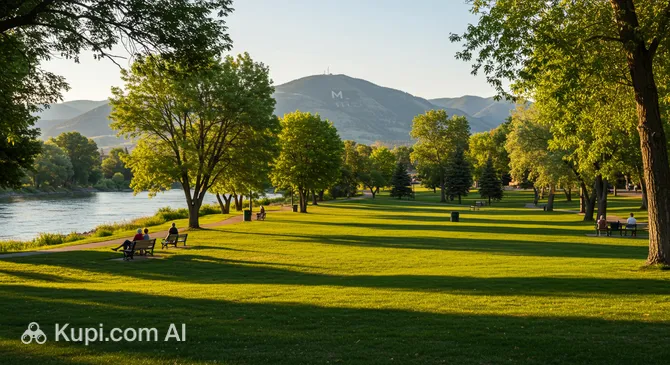
Bonner Park. Source: Kupi.com AI

One of the highlights of this location is its unique setting at the confluence of the Blackfoot and Clark Fork rivers. Following an extensive landscape restoration project, the park evolved from a closed industrial facility into a cozy retreat, while preserving its history through interpretive kiosks and elements of a "heritage trail."

Today, the park is considered an ideal spot for family leisure and educational walks. Here, you can not only enjoy the fresh air but also connect with the state's pioneering history by exploring the routes of the Lewis and Clark expedition, which once passed through these lands.

Contacts

For more information regarding events or park rules, you can use the official contact details provided below.

Address 1600 Ronald Ave, Missoula, MT 59801, USA
Phone +1 406-721-7275
Website ci.missoula.mt.us

What to Do

At Bonner Park, everyone will find something to enjoy, from active sports to quiet nature contemplation. History buffs should take a stroll along the Heritage Trail. Here, you can see the impressive Northern Pacific Railroad steel bridge and a decommissioned tunnel, which serve as reminders of when this area was a vital railway hub.

For those who prefer active recreation, the park features excellent paved paths for running and cycling. The main sporting highlight is the baseball field with its historic grandstands—you can often catch local teams practicing or playing matches here, which are pleasant to watch while relaxing on a bench in the shade of the trees.

Families will appreciate the spacious green lawns, perfect for picnics and outdoor games. During the summer, the water play areas are particularly popular. Be sure to stop by the interpretive kiosks: they provide detailed stories of how a former sawmill site was transformed into this flourishing oasis at the river confluence.

Getting There

Getting to Bonner Park from downtown Missoula doesn't take long. By car, the trip toward 1600 Ronald Ave takes approximately 10–15 minutes. On-site parking is available for visitors arriving by car.

If you prefer public transport, city buses run regularly to this area. Interestingly, in the first half of the 20th century, you could reach this spot via a historic streetcar from East Missoula, but today that route has been replaced by modern roads and bike paths leading from the Milltown and Piltzville neighborhoods.

For tourists arriving via Missoula Montana Airport (MSO), the park is about 15 kilometers away. It is most convenient to take a taxi or a rental car, following I-90 W and exiting toward Ronald Ave, using the steel Northern Pacific Railroad bridge as a landmark.

History & Facts

The history of this site is deeply intertwined with the development of the district of the same name, which emerged in 1886 as an isolated "company town" for the massive Anaconda Forest Products sawmill. Life here revolved around the industrial giant: as early as 1889, Bonner Hall was built, serving as a social hub, a school, and a meeting place for the local Masonic lodge.

At the end of the 19th century, the area was considered quite prestigious—it even boasted the luxurious Margaret Hotel, which hosted important company guests until it was demolished in the middle of the last century. The area flourished under the leadership of Kenneth Ross, who donated land for schools, churches, and public spaces, including the famous baseball field.

Bonner Park took on its modern appearance following a major restoration in 2008 when an old dam was removed. The industrial zone at the confluence of the rivers was transformed into a natural monument. The baseball field serves as a reminder of its sporting past; its grandstands were originally built in the 1930s in memory of Kelly Pine and were carefully reconstructed in 2007.

Time Needed

To take a leisurely stroll through the paths and see the main historical markers, 1–2 hours is usually sufficient for a typical visitor. This is enough time to walk across the bridge, read the information at the kiosks, and enjoy the river views.

If you plan to have a family picnic on the grass or want to catch a baseball game that might be happening on the local field, you should budget about 3 hours. The park encourages a slow pace, so you can easily spend more time here simply enjoying the peace and nature.

Working Hours

The park is open to the public daily, making it an accessible spot for everything from morning runs to evening walks under the park lights. Hours of operation: from 06:00 to 23:00, seven days a week, including holidays.

Before planning your visit, especially if you hope to attend a specific sporting event, it is recommended to check the current schedule on the official municipal portal.

Nearby

A walk through the park can easily be combined with visits to other local points of interest. The park's location allows tourists to explore both the region's industrial heritage and modern entertainment centers within just a few kilometers.

Exploring the surroundings will help you get a better feel for the Montana atmosphere, which blends the spirit of early pioneers with the cozy charm of small American towns. Below are the nearest attractions:

Name Distance (km)
Bonner Splash Deck 0
1890 Historical Copper Mine 1.4
The Florence Building 1.7
Splash Montana 1.8
Palace Hotel (Missoula, Montana) 1.9
Lenox Flats 2
Ceretana Feed Mill Elevator 2.8
Hell Gate and Missoula 3.5
Reserve Street Bridge 4.6
Moon-Randolph Homestead 4.9

Reached the end of the page?

That means the route is fully explored