Support

Audubon Park

About

Imagine a cozy green oasis stretching across 33 acres in the picturesque Spokane. Audubon Park is a true gem of Washington state in the USA, serving as a perfect example of harmony between nature and urban space. Named after the prominent naturalist John James Audubon, the park highlights the richness of local birdlife and a commitment to preserving natural beauty.
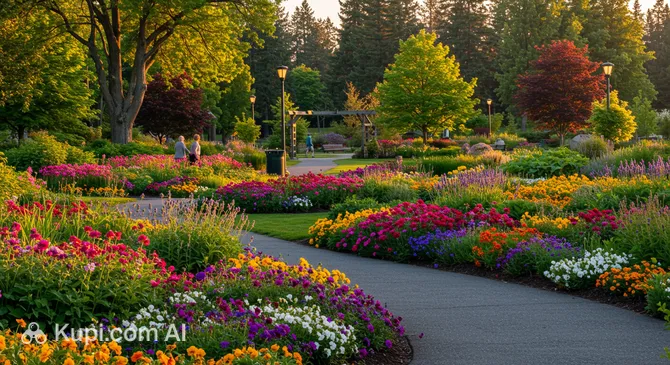
Audubon Park. Source: Kupi.com AI

The park's crown jewel is its majestic ponderosa pines, which provide dense, welcome shade on hot summer days. The landscape here is hilly and varied, making it attractive for walks at any time of year. In 2022, unique forest-style play areas were added, mimicking natural objects like artificial stumps, rocks, and logs, turning an ordinary walk with children into an exciting adventure.

The park is not only beautiful but also functional. It is the heart of its namesake neighborhood, offering visitors sports fields, splash pads, and secluded picnic spots. Its proximity to the Spokane River and golf courses adds special value, making it an essential stop on the tourism map of the country's northwest.

Contacts

To contact the park administration or inquire about events, you can use the official communication channels. As it is a municipal site, the city's Parks and Recreation Department is responsible for its management.

Address 3405 N Milton St, Spokane, WA 99205, USA
Phone +1 509-363-5455
Official Website my.spokanecity.org/parksrec/
Google Maps View on map

What to Do

In this park, everyone will find something to their liking, regardless of age or preference. In summer, the area hums with life around the splash pads and modern playgrounds. Young visitors will love the natural-style climbing structures and zones adapted for children with sensory sensitivities. Meanwhile, adults can enjoy the cool shade under mature pines or have a family picnic in the designated areas.

For active lifestyle enthusiasts, there are excellent basketball and baseball courts. The park is also a popular venue for school cross-country races and community-organized summer concerts. If you enjoy birdwatching, bring your binoculars—the variety of feathered residents for whom the park is named will pleasantly surprise you.

In winter, the park's landscape is transformed, and its gentle hills become excellent sledding hills. Due to its proximity to the Spokane River, a visit here can be combined with a longer hike or bike ride along the trails of the neighboring Riverside State Park or a game of disc golf on nearby courses. This place is perfect for slowing down and enjoying the fresh air in a peaceful setting.

Getting There

Reaching this green space in Spokane is easy. The park is located at 3405 N Milton St, in the northwestern part of the city. If you are traveling by car, the trip from the central business district will take only 10–15 minutes. The main routes go through Northwest Blvd or Driscoll Blvd, and convenient parking areas are provided on-site.

For those who prefer public transportation, services are provided by the Spokane Transit Authority (STA). Bus routes run regularly through the Audubon/Downriver neighborhood. The nearest stops are within walking distance on Milton St or Audubon St, making the park accessible to all residents and visitors.

If you are nearby, the park is a pleasant destination to reach on foot or by bicycle. The neighborhood is well-equipped with sidewalks, and its proximity to the Spokane River and the nature trails of Riverside State Park allows you to include a visit to the park in a longer walk or cycling route through the scenic surroundings.

History & Facts

The land where Audubon Park stands today has deep historical roots. Long before modern streets appeared, this territory was used by the Spokane Native American tribes. Their winter camps were located here, and the riverbanks served as sites for fishing and gathering edible plants. Nearby springs remained important cultural and natural landmarks for the local population for a long time.

The park's modern history began in 1905, when philanthropists Frank P. Hogan and John A. Finch donated 33 acres of land to the city. Their condition was the development of the area: creating roads, installing plumbing, and landscaping. Thanks to their contribution, the former prairie was transformed into a thriving residential area with a magnificent park at its center.

The park was named after the famous naturalist and ornithologist John James Audubon. The name was chosen for a reason, as the local flora and centuries-old ponderosa pines have always attracted a vast variety of birds. In 1924, Finch Elementary school opened nearby, named after one of the park's founders, solidifying the area's status as an educational and recreational hub.

In the mid-20th century, the park continued to play a key role in the neighborhood's development. Streetcar lines once ran here, connecting the outskirts with the city center, and in the 1960s, new commercial and social facilities grew nearby. Today, the park stands as a living monument to early 20th-century urban planning and a careful attitude toward nature.

Time Needed

For a standard visit to Audubon Park, 1–2 hours is sufficient for most guests. This is enough time for a leisurely walk under the shade of the pines, exploring the playgrounds, and enjoying the atmosphere of a quiet residential neighborhood.

If you plan a full family outing with a picnic or attending summer concerts, it's worth setting aside about 3 hours. Families with children, who will surely want to explore all the modern play structures and water features, are also recommended not to plan a visit shorter than one hour.

Working Hours

The park is open to visitors daily, allowing guests to plan their leisure time whenever convenient. The standard operating schedule is as follows:

  • Monday – Sunday: 6:00 AM – 9:00 PM

Please note that access to certain facilities, such as the splash pads, may depend on the season and weather conditions. On public holidays, hours typically remain the same, but it is recommended to check the official city website for updates.

Nearby

A stroll through the park is just the beginning of your acquaintance with the city's northwest. Exploring the immediate surroundings can significantly enrich your experience, revealing new facets of local culture, history, and entertainment.

Within a few kilometers of the park area, you'll find everything from quiet memorial grounds to modern entertainment centers suitable for the whole family.

Attraction Name Distance (km)
Fairmount Memorial Park 2.9
Greenwood haunted staircase/Thousand Steps 3.3
Greenwood Memorial Terrace 3.6
Blue Zoo Aquarium Spokane 3.7
The United States Pavilion, Expo '74 4
The Fox Theater 4.2
The Big Dipper 4.7
Woman's Club of Spokane 4.9
Checkerboard Pub 6.3
Southside Family Aquatic Facility 12.6

Reached the end of the page?

That means the route is fully explored