Support

Japanese Tea Garden

About

The Japanese Tea Garden in San Antonio, USA, is a stunning oasis of tranquility that harmoniously blends natural beauty with refined Japanese aesthetics. This unique historical and cultural site is located in Brackenridge Park on the grounds of a former limestone quarry. It is this unusual past that gave the garden such an expressive and multi-level landscape that delights visitors today.
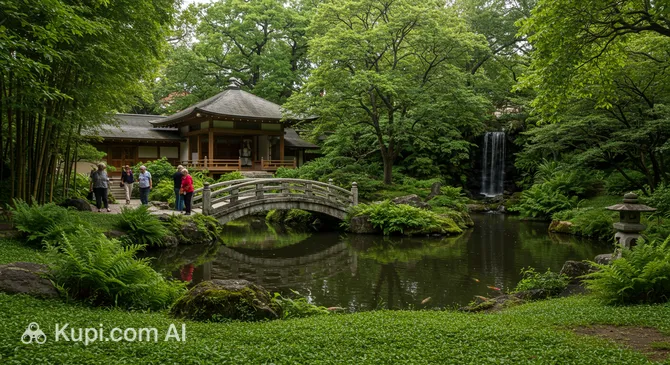
Japanese Tea Garden. Illustration.
Source: Kupi.com AI

Traveler photos:

Walking along the winding paths, you will discover picturesque ponds with vibrant koi fish, peaceful waterfalls, stone arched bridges, and lush vegetation. The atmosphere is complemented by traditional architectural elements, including an elegant pagoda and symbolic gates that seem to invite guests into a world of harmony and contemplation. Every corner of the garden is meticulously designed to create the perfect environment for relaxation and meditation.

Today, the Japanese Tea Garden is one of the city's most recognizable and beloved landmarks. It attracts not only tourists but also locals who come here for leisurely walks, inspiring photoshoots, and special events like wedding ceremonies. It is a place where Japanese gardening traditions meet the unique natural features of Texas, leaving every visitor with unforgettable impressions.

Contacts

For more information about the Japanese Tea Garden or to plan a private event, you can contact the park administration. All necessary details are available on the official website or by phone.

How to contactContact
Address3853 N St Mary's St, San Antonio, TX 78212, USA
Phone number+1 210-559-3148
Websitewww.saparksfoundation.org

What to Do

The main activity at the Japanese Tea Garden is a leisurely stroll along its well-maintained paths, allowing you to fully immerse yourself in an atmosphere of peace and harmony. Visitors can spend hours admiring exotic plants, man-made waterfalls, and picturesque ponds where colorful koi fish swim gracefully. The entire landscape is adorned with traditional Japanese design elements: here you can see elegant stone bridges, sculptures, and authentic structures that create the feeling of a journey to distant Japan.

In addition to contemplating the natural and architectural beauty, there are many other ways to enjoy your time in the garden. You can relax in the shade of cozy pavilions, enjoying the peace and quiet. The garden provides countless opportunities for taking magnificent photos against a backdrop of blooming plants and unique landscape details. There is also a cafe on-site where you can take a break and have a snack. Furthermore, the Japanese Tea Garden regularly hosts various cultural and educational events, making it an interesting destination for both tourists and locals.

Getting There

Getting to the Japanese Tea Garden is quite simple, as it is conveniently located in the famous Brackenridge Park, near downtown San Antonio. Thanks to its location, the garden is an easily accessible attraction for both tourists and locals. A visit can be combined with a walk to other famous spots in the park, such as the San Antonio Zoo or the Witte Museum.

For those who prefer to travel by car, the drive from the city center takes only 10–15 minutes. There is parking available for visitors on the park grounds, making this a very convenient option. You can also use a taxi service—a quick and comfortable way to get right to the garden entrance.

Additionally, the Japanese Tea Garden is easy to reach by public transport. Several city bus routes pass through the area, with stops within walking distance of the park. For example, Bus #10 runs from downtown and stops near the entrance, making the trip quick and affordable. This is an excellent choice for travelers looking to explore the city without a car.

Nearest city: San Antonio

History & Facts

The history of the Japanese Tea Garden in San Antonio is a remarkable tale of transformation. What is now an oasis of tranquility was, in the late 19th century, an active limestone quarry that supplied stone for many of the city's buildings. The idea to transform the abandoned quarry into a Japanese-style garden was born in 1916 by City Parks Commissioner Ray Lambert. Thanks to his enthusiasm, the use of prisoner labor, and various donations, picturesque ponds, stone bridges, and a pagoda appeared on the site of the quarry by 1918, with the entire project costing only $7,000.

To give the site an authentic atmosphere, Ray Lambert invited Japanese-American artist Kimi Eizo Jingu and his family to move onto the garden grounds in 1919. In 1926, the Jingu family opened the Bamboo Room restaurant here, serving tea and light snacks. The family, which eventually grew to include eight children, became an integral part of the attraction: daughters in kimonos served visitors, and the children themselves, having grown up in this unique place, were a delight to tourists.

However, a dark period in the garden's history arrived during World War II. Due to strong anti-Japanese sentiment in the country, the Jingu family was forced to leave their home in 1942. City authorities renamed the site the Chinese Tea Garden, and management was temporarily handed over to a Chinese-American family. This change reflected a complex historical period and the injustice faced by many Japanese Americans.

Justice was only restored decades later. In October 1984, following a campaign led by City Councilman Van Archer, the garden's historical name—the Japanese Tea Garden—was officially restored. The renaming ceremony was attended by Kimi Jingu's children and representatives of the Japanese government, serving as a symbolic act of reconciliation. In the 2000s, the garden underwent an extensive renovation, and today, the Jingu family's former home operates as a restaurant once again, while the garden itself remains a beloved destination that preserves its rich and complex history.

Time Needed

To fully experience the Japanese Tea Garden in San Antonio, most visitors are recommended to set aside 1 to 2 hours. This is generally enough time to leisurely stroll along all the winding paths, admire the picturesque ponds with koi fish, cascading waterfalls, and traditional Japanese architectural elements. During this time, you will have the chance to take many beautiful photos and even find time to relax in the local cafe.

Of course, the duration of your visit largely depends on your personal preferences. If you are short on time, you can get a general overview of the garden in 45–60 minutes, as it is quite compact. However, for those who want to truly relax, meditate by the water, or have a full photoshoot against the unique landscape, a visit can easily take several hours. Ultimately, it all depends on your pace and your desire to immerse yourself in the peaceful atmosphere of this beautiful place.

Working Hours

You can visit the Japanese Tea Garden in San Antonio any day of the week and at any time of year. The garden is open to guests daily from 7:00 AM to 5:00 PM. One of the main advantages of this place is that admission is completely free for all visitors. Because of this, you don't need to book tickets in advance or sign up for a specific time—you can just show up and enjoy your walk. Nevertheless, it is always a good idea to check the garden's official website before your visit, especially if you are planning a trip on a holiday, to stay informed about any possible schedule changes or special events.

7:00 – 17:00

Nearby

A visit to the Japanese Tea Garden is just the beginning of exploring the rich cultural and entertainment offerings of San Antonio. The garden is conveniently located in Brackenridge Park, which is a major draw for tourists and locals alike. Exploring the surrounding area will significantly enrich your trip, as other iconic city landmarks are just a few minutes' walk away.

A stroll to nearby attractions will help you get a more complete picture of San Antonio's diversity. You can easily combine the peaceful scenery of the garden with a visit to the zoo, museums, or other park areas. Below is a list of interesting places located in the immediate vicinity of the Japanese Tea Garden.

NameDistance
The DoSeum1 km
Witte Museum1 km
Elsewhere Garden Bar & Kitchen2.7 km
Hopscotch San Antonio3.8 km
San Antonio Fire Museum3.9 km
The Alamo4 km
SEA LIFE San Antonio4.1 km

Have you reached the end of the page?

So the route has been studied inside and out