Support

Tulare

About

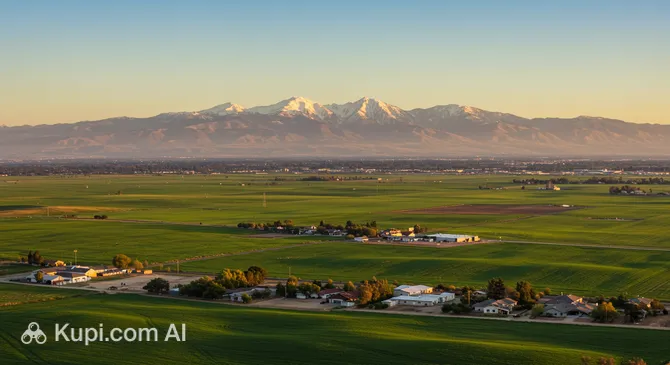
Tulare is a cozy and welcoming city located in the heart of California, in the fertile San Joaquin Valley. This place is ideal for those who want to see the real, non-touristy USA and enjoy the calm atmosphere of the American heartland. Situated at the intersection of major highways, the city serves as a convenient stopover for travelers exploring the central part of the state.

Tulare. Illustration.
Source: Kupi.com AI

With a population of about 68,000, Tulare successfully combines the rhythm of a small town with the energy of a major agricultural center. The climate here favors thriving agriculture, and its geographic location makes the city an excellent starting point for trips to natural wonders: the entrance to the famous Sequoia National Park is just 70 kilometers away.

The city carefully preserves its traditions. The fascinating history of Tulare is inextricably linked with the development of the Wild West and the growth of farming, which is reflected in the architecture of historical buildings and the exhibits of local museums. A stroll through the city center allows you to feel the spirit of the past and get acquainted with the rich heritage of the region.

Key features of Tulare include its well-maintained parks and proximity to unique natural sites, such as the revived Tulare Lake. Travelers can expect friendly locals, cozy cafes, and the chance to escape the hustle and bustle of major metropolises. Come to Tulare to discover California from a new perspective and enjoy the leisurely pace of life.

Weather Overview

The climate in Tulare is typical for central California: there is plenty of sunshine, and the seasons are quite distinct but without extreme cold. Travelers should prepare for contrasting conditions depending on the time of year. Summer in the city can be very hot and dry: in July and August, average high temperatures reach 39–40°C, and rain during this period is a rarity.

Winter, on the other hand, brings coolness and humidity. In January and December, daytime temperatures stay at a comfortable mark of around 16°C, dropping to an average of 6°C at night. It is during the winter months and early spring (especially March) that the greatest number of cloudy days occur. Expect a sultry, dry summer and a mild winter with occasional precipitation.

Spring and autumn are considered the "golden mean" for a visit. In May and October, the air warms up to a pleasant 22–29°C, which is ideal for excursions. To choose the best dates for your trip, we recommend checking the detailed weather in Tulare by month.

Average monthly temperature

Average monthly precipitation

Interesting Facts

In addition to its main attractions, Tulare holds many fascinating secrets that allow you to look at this California city in a new way. Here are a few facts that will surprise even seasoned tourists:

  • The Return of the "Ghost Lake." In the 19th century, these lands were home to Tulare Lake, which was considered the largest freshwater body in the western USA. Due to climate change and agricultural activity, it practically disappeared from maps, but in 2023, after a series of powerful storms, nature reclaimed its own: the lake bed filled with water again, causing a sensation among locals and environmentalists.

  • A World Stage for Farmers. The city is known far beyond the state's borders thanks to the World Ag Expo—one of the largest agricultural exhibitions on the planet. Every year, this event turns Tulare into a bustling center of business and cultural life, featuring not only business meetings but also large-scale fairs with tastings and workshops.

  • Birthplace of an Olympic Legend. Tulare is proud of its famous native, Bob Mathias. This outstanding athlete won Olympic gold in the decathlon twice, becoming a true symbol of sporting spirit and determination for all citizens.

  • Rich Historical Heritage. The unique Tulare Historical Museum houses an impressive collection covering various eras: from the life of indigenous peoples and early settlers to the contribution of local residents to the victory in World War II and the evolution of the region's agricultural industry.

How to Get There

When planning a trip to California, it is important to think through the logistics in advance, as the city is located away from major metropolises. You can find all possible routes and details on the page how to get to Tulare. Since the city itself does not have its own passenger airport, tourists usually fly into neighboring cities and continue their journey by land transport.

The most convenient option is Fresno Yosemite International Airport (IATA: FAT). It is located in the city of Fresno, just 71 km from Tulare. This is a major transport hub that accepts many flights. Thanks to easy highway access, the drive from the airport to downtown Tulare by taxi or rental car will take only about 45–50 minutes in normal traffic.

Another popular option is Meadows Field Airport (IATA: BFL), located in the city of Bakersfield. The distance to Tulare is about 90 km. The drive by car on the expressway will take approximately 1 hour. Additionally, travelers coming from the coast can use San Luis Obispo County Regional Airport (IATA: SBP). The drive from there (159 km) will take about 1 hour and 45 minutes.

For clarity, here is a summary of the region's main airports:

AirportPassenger trafficDistance
Fresno Yosemite International Airport2.7 mln71 km
Meadows Field Airport390 00090 km
Eastern Sierra Regional Airport20 000156 km
Merced Municipal Airport15 000159 km
San Luis County Regional Airport746 764159 km

As for rail connections, there is no long-distance passenger train station directly in Tulare. The nearest Amtrak station is in the neighboring city of Hanford (about a 20-30 minute drive). The primary way to get around this region remains the car: State Route 99, the main transport artery of the Central Valley, passes right through the city.

Main Attractions

While Tulare is often seen as a transit point on the way to national parks, the city itself has several iconic spots that deserve travelers' attention. Here you can immerse yourself in the history of the Golden State, learn more about the agriculture that feeds the entire country, or simply enjoy some shopping.

Tulare Historical Museum
This is perhaps the city's main cultural hub, a must-visit for anyone wanting to understand the spirit of the region. Located in the historic part of town, the museum offers a rich exhibition detailing the area's development—from the settlements of the indigenous Yokuts people to the era of the railroad boom. Special sections are dedicated to local celebrities: Olympic champion Bob Mathias and Admiral Elmo Zumwalt. Here you can see rare photographs, personal belongings, and artifacts that bring the history of the California heartland to life.

International Agri-Center and AgVentures! Museum
Tulare is known worldwide for the massive World Ag Expo, but visiting this complex is interesting at any time of year. It houses the AgVentures! learning center and museum, which features a unique collection of vintage farm machinery. Tourists can learn how farming technology evolved and see rare tractors and machines that once worked these fertile lands. This educational site is engaging for both adults and children.

Preferred Outlets at Tulare
For shopping enthusiasts, this open-air shopping complex is a real magnet. Located right off Highway 99, the outlet attracts travelers with the opportunity to purchase goods from world-famous brands at significant discounts. It is a great place to take a break from the road, refresh your wardrobe, and grab a bite at one of the many cafes on-site.

Santa Fe Trail
If you want to stretch your legs after a long drive, take a walk along this scenic trail. It was built on a former railroad line and stretches nearly 8 kilometers across the city. The paved path is ideal for walking, running, or cycling. The route passes through residential areas and parks, allowing you to see the non-touristy, quiet side of city life.

Local Cuisine

Tulare's gastronomic scene is a vivid reflection of California's multinational heritage and the region's agricultural wealth. Local cuisine is based on the "farm-to-table" principle: dishes made from the freshest vegetables, fruits, and dairy products that come straight from surrounding farms and ranches are especially valued here. A trip here is a great chance to experience the authentic flavors of the Central Valley.

Among the main dishes to try are the famous California tacos. In Tulare, they are prepared with a special local twist, generously adding fresh sweet corn, ripe avocado, and local cheeses. Lovers of heartier food will enjoy traditional meat stews and classic American steaks. For dessert, be sure to order a homemade pie with seasonal fruits—peaches, plums, or berries—that this land is so famous for.

Food culture in the city is closely linked to farmers markets. These are not just places of trade but real community hubs where you can sample fresh almonds, fragrant honey, craft cheeses, and organic berries. This is where the city's gastronomic pulse is best felt. Also popular in Tulare are small family bakeries where bread and sweets are baked according to old recipes passed down through generations.

In local cafes, traditions of Mexican, Italian, and classic American cuisines coexist harmoniously. For a quick snack, local burger joints and sandwich bars offering high-quality street food are perfect. If you're lucky, you might catch one of the food festivals where chefs compete in skill, creating unusual culinary masterpieces from common farm products.

Travel Tips

Preparing for your trip to Tulare will help you avoid minor inconveniences and focus on relaxing in the heart of California. We have gathered a list of useful recommendations to make your stay in this agricultural region comfortable and safe.

  1. Clothing and Climate. If you are traveling in summer, be prepared for intense heat: be sure to bring light clothing made from natural fabrics, sunglasses, and a hat. In winter, it is cool and damp, and thick fogs often descend, so a windbreaker and layered clothing will be necessary. Comfortable shoes are a must, especially if you plan to walk in parks or visit agricultural expos.
  2. Transport. Tulare is a typical American city designed for motorists. Renting a car is the most convenient way to get around, giving you the freedom to visit national parks. Public transport (TCAT buses) exists but is infrequent and routes are limited. Uber and Lyft apps work, but wait times can be longer than in big cities.
  3. Finances and Payment. The official currency is the US Dollar. Bank cards are accepted almost everywhere: in hotels, restaurants, and supermarkets. However, we strongly recommend having cash (bills of 1, 5, 10 dollars). You will need them for buying fresh fruit at roadside stands or farmers markets where terminals are not always available. It is customary to leave tips in restaurants amounting to 15–20% of the bill.
  4. Health and Safety. Tulare is a quiet city, but standard precautions are still wise: do not leave valuables in plain sight in your car. The main health threat in summer is dehydration and heatstroke, so always carry water with you. Large pharmacy chains (CVS, Walgreens) are easy to find throughout the city, where you can also buy basic over-the-counter medications.
  5. Communication. The primary language is English, but due to the region's specifics, Spanish is very widely spoken. Knowing a few phrases in Spanish can help when communicating in some shops or eateries. Free Wi-Fi is available in most cafes and hotels. For navigation, it's better to download offline maps in advance, as signals can drop in remote rural areas.
  6. Local Etiquette. People here are friendly and open. It is customary to greet shopkeepers and bus drivers, and to smile when making eye contact with passersby. The dress code in most establishments is very casual; evening wear is rarely required.
  7. What to Avoid. Never enter private agricultural lands, orchards, or fields without the owners' permission, even for a nice photo. This is private property, and farmers strictly monitor the safety of their crops. Also, avoid driving during periods of thick winter fog (Tule fog) if you do not have sufficient experience driving in zero-visibility conditions.
  8. Local Tip. Be sure to stop by local "fruit stands" along the roads. Prices there are often lower than in supermarkets, and the taste of seasonal peaches, cherries, or citrus picked just a few hours ago is simply unbeatable.

Following these simple rules will help you quickly adapt to the rhythm of life in Tulare and get the most out of experiencing the real American heartland. We wish you a pleasant and carefree journey!

Entertainment & Nightlife

Nightlife in Tulare is characterized by the calm and measured rhythm typical of the American heartland. You won't find loud mega-clubs with world-class DJs or 24-hour raves here. Evening entertainment in the city primarily consists of cozy gatherings in bars, dinners in atmospheric restaurants, and socializing with friends. Most activity winds down by midnight, so it is best to plan your evening leisure in advance.

There are two main areas of attraction in the evening. The first is the historic Downtown (the K Street area), where urban culture is gradually being revived with small local establishments. The second is the zone along the highway, where chain restaurants and sports bars popular with both locals and travelers are concentrated. The atmosphere everywhere is very casual: there is no dress code, and in most places, you will feel comfortable in jeans and a t-shirt. The crowd is friendly, and you can often meet farmers and cowboys relaxing after a day's work.

If you are looking for a place to spend a pleasant evening, consider the following venues:

Fugazzis
This is one of the city's most popular spots for an evening out. The restaurant offers an excellent California-Italian style menu and, importantly for nightlife, a decent cocktail list. The interior is more modern and stylish than typical diners, so groups often come here to celebrate or just relax in a pleasant setting.

Cool Hand Luke’s Steakhouse
An establishment with a colorful Western atmosphere that perfectly captures the spirit of old California. This is a classic steakhouse and saloon where you can order excellent grilled meat, drink a cold draft beer, and enjoy a hearty dinner. The bar area is quite lively here, especially during sports broadcasts.

Tulare Encore Theatre
For those who prefer cultural leisure over gastronomy, there is a community theater in town. This is a great opportunity to see productions featuring local talent. Plays are held here regularly, and an evening at the theater will be a memorable event, allowing you to dive into the real life of the American community.

Regarding safety, Tulare is a relatively quiet city, but as elsewhere in the USA, it is best to stick to well-lit streets at night and avoid walking alone on the outskirts or in empty parking lots. The safest and most convenient way to get around after dark is by car or taxi. Uber and Lyft services are available, but wait times may be longer late at night, so keep this in mind when planning your return to the hotel.

If you have free time during the day, the city offers other forms of relaxation. Besides shopping at the outlets, you can visit city parks like Del Lago Park, which is pleasant for a lakeside stroll, or stop by the local library and museums to hide from the midday heat. However, it is the evening cool that makes Tulare particularly attractive for a slow-paced rest after a busy day.

Parks & Museums

Despite its reputation as an agricultural center, Tulare offers travelers cozy green oases and interesting cultural venues that allow for a break from the city's hustle. Parks here serve as centers of community life, and museums carefully preserve memories of the past, offering guests a chance to immerse themselves in the atmosphere of real California.

Del Lago Park
This is the city's most popular green zone, ideal for family vacations. The park's main highlight is a scenic man-made lake, surrounded by convenient paths for walking and jogging. Tourists appreciate this spot for its large shaded picnic lawns, modern tennis courts, and playgrounds. Here you can watch waterfowl and enjoy the cool even on a hot afternoon.

Zumwalt Park
Located near the historic center, this park is the oldest in the city and is named after one of the founding families. It is distinguished by a particularly cozy atmosphere thanks to ancient trees that provide deep shade. In the center of the park is a traditional gazebo-rotunda, where city concerts and holidays are often held. It is a great place for a quiet stroll with a book or coffee to feel the measured pace of the local community.

Tulare Historical Museum
This site deserves special attention for its diverse exhibitions. Inside the museum is the unique Manuel Toledo Military History Collection, dedicated to the heroic deeds of local residents and the military heritage of the USA. For those interested in painting, there is the Heritage Art Gallery. It regularly exhibits works by local artists and photographers, showcasing the contemporary creative potential of the San Joaquin Valley.

Open-Air Museum: Tulare Murals
Strolling through the city center, pay attention to the walls of buildings that have been turned into a real open-air gallery. Large-scale murals depict key moments in the city's history: from scenes of Yokuts life to the arrival of the first trains and the development of dairy farms. This street art project allows you to study the history of the region literally on the go, turning an ordinary walk into an excursion.

Architecture lovers should look at the Tulare Union Auditorium building. Built in the Art Deco style in the 1930s, it is an architectural gem of the city. The building's facade is decorated with bas-reliefs symbolizing education and art, serving as a beautiful backdrop for memorable photos.

Insider Tip: If you find yourself in the Tower Square area (the square with the clock tower), be sure to peek into the inner courtyard. This hidden spot often becomes a venue for small art fairs and street musician performances, known mostly only to locals.

Getting Around

The transport system in Tulare is typical for small American cities: there is no subway or trams, and the rhythm of life is geared toward car owners. However, for tourists without a car, there are affordable ways to get around to reach main shopping centers, hospitals, and attractions.

The backbone of public transport is buses. Within the city, the TIME (Tulare InterModal Express) municipal network operates. These buses run on fixed routes covering residential areas, Downtown, and the outlet zone. For trips outside the city, such as to neighboring Visalia, the TCaT (Tulare County Area Transit) regional bus network is used. This is a reliable and budget-friendly way to travel around the county.

The fare payment system is simple and accessible. The cost of a single trip within the city is usually low (about $1.50–$2.00). You can pay the fare in cash upon entry to the driver. It is extremely important to have the exact change, as drivers do not give change and the machines only accept bills and coins. There are also Day Passes or monthly passes, which are cost-effective if you travel frequently.

For more modern payment methods, many regional transport systems are adopting mobile apps like Token Transit. With their help, you can buy a digital ticket on your smartphone and simply show it to the driver when boarding. This eliminates the need to look for change.

Tourists should keep the transport schedule in mind. TIME buses usually run from early morning until evening (around 6:00 PM–7:00 PM) on weekdays, and on weekends, the schedule may be significantly reduced or service may be unavailable. Intervals range from 30 to 60 minutes, so it is highly recommended to check the schedule in advance via Google Maps or the carrier's official website.

Since public transport does not run late at night, the main alternatives are taxi and ride-sharing services. The Uber and Lyft apps function steadily in Tulare, though the car arrival time may be slightly longer than in metropolises (usually 10–15 minutes). This is the most convenient way to get back to your hotel after dinner or a visit to a bar.

For those who enjoy an active lifestyle, consider a bicycle. While the city does not have a large-scale bike-sharing system, the flat terrain makes cycling very comfortable. Many locals use bicycles for short-distance trips, especially around the Santa Fe Trail.

A specific feature of transport logistics is the absence of direct passenger trains in the city itself. However, comfortable Amtrak Thruway buses stop in Tulare, connecting the city to the train station in Hanford. This is an important detail for those planning to continue their California journey by train.

Accommodation

Tulare offers travelers a functional and affordable choice of accommodation, geared primarily toward those exploring California by car or attending local agribusiness events. Here you won't find luxury five-star resorts or massive spa complexes. The hotel stock mainly consists of reliable mid-range chain hotels and budget motels, providing comfortable lodging, clean rooms, and essential amenities such as parking and Wi-Fi.

Most hotels are strategically located along the region's main transport artery—Highway 99. This is the most convenient area for tourists: from here, it is easy to reach both the city center and head out toward Sequoia and Kings Canyon National Parks.

The area in the south of the city, near the International Agri-Center and the outlets, is particularly popular. More modern hotels offering spacious rooms and included breakfasts are concentrated here. This is an ideal location for those who want to combine rest with shopping or who are visiting for the expo. In the historic center, there are fewer accommodation options, but they may suit those who prefer to be within walking distance of local museums and restaurants.

Booking Tip: Be especially careful when planning a trip in February. During the World Ag Expo, the city is overcrowded, prices can rise significantly, and rooms are booked six months in advance. If your trip falls on these dates, make sure to arrange accommodation as far ahead as possible.

In general, the price range in Tulare can be described as budget and mid-range. The cost of living here is usually noticeably lower than in California's coastal cities. Booking is most convenient through popular online platforms, though many motels accept walk-ins if you are just passing through (except during major events).

Nearby Cities

For those looking to explore the surroundings, Tulare serves as an excellent starting point for day trips to several interesting nearby locations. The city's location in the center of the San Joaquin Valley allows for quick access to neighboring towns, each with its own unique character and attractions.

Just a 15-minute drive away is Visalia. This is Tulare's closest major neighbor, often called the "gateway" to Sequoia and Kings Canyon National Parks. Tourists love coming here for walks through the vibrant historic Downtown, which is home to many restaurants, craft breweries, and cozy boutiques. It is an ideal spot for an evening dinner or cultural leisure.

If you want to feel the rhythm of a bigger city, head to Fresno, located about an hour's drive to the north. It is the largest economic and cultural center of the region. Here you can visit the unique Forestiere Underground Gardens—a man-made network of tunnels and grottos with citrus trees—or spend a day with the family at the wonderful Chaffee Zoo. Fresno also offers great shopping opportunities in large shopping centers.

History and unusual architecture buffs should check out Hanford. This city is famous for its rich multicultural past. The main point of interest here is the historic China Alley, which preserves the atmosphere of the 19th century, and the magnificent Fox Theatre building. Hanford is a beautiful example of a quiet but colorful California town where time seems to have slowed down.

Below is information about the nearest cities that are convenient to visit during your stay in Tulare:

CityPopulationDistance
Visalia249 80414 km
Lindsay12 55123 km
Corcoran22 61623 km
Hanford95 45930 km
Porterville67 88734 km

These nearby destinations provide a more complete picture of the region's diverse culture and landscapes, making your journey through Central California even more enriching.

Shopping & Souvenirs

Shopping in Tulare is a pleasant addition to a trip, allowing you to combine bargain purchases of brand-name items with the acquisition of authentic local products. The city doesn't claim to be a high-fashion capital, but its strategic location along busy highways has made it a great place for a shopping "pit stop." Here you can find both large shopping complexes with well-known brands and small shops selling what this agricultural region is proud of.

Main Shopping Districts and Streets

The heart of local trade is historic Downtown, especially the K Street area. Here, an atmosphere of old America prevails: instead of glass hypermarket windows, you'll find small family boutiques, antique shops, and home goods stores. This is an ideal place for a leisurely walk where you can find unique items and support small businesses. A second important zone is located along Retherford Street and Prosperity Avenue—this is where major chain stores (Target, Walmart, Lowe’s) are concentrated, where tourists usually stock up on everything needed for their road trip.

Shopping Centers

The main draw for shopaholics is Preferred Outlets at Tulare. This large open-air outlet center is located right off Highway 99, making it incredibly convenient to visit. It features stores of popular global brands such as Nike, Levi’s, Coach, Banana Republic, and others. Tourists value this place for the opportunity to purchase high-quality clothing and shoes at discounts that sometimes reach 70% of the original price. The complex is designed so that walking between shops is comfortable, with seating areas and cafes.

Markets

Since Tulare is in the center of one of the world's most fertile regions, visiting farmers markets is a must. The most famous is the Tulare Certified Farmers Market. It operates seasonally (usually on evenings during the warmer months) in the city center. Here, local farmers sell the freshest vegetables, fruits, berries, flowers, and homemade baked goods. It's not just a market, but a meeting place for locals with live music and a friendly atmosphere. Also, small fruit stands are often found along rural roads, where you can buy products straight from the field.

Souvenirs

From Tulare, you should take home "edible souvenirs" that reflect the wealth of California's land rather than magnets. Look for local nuts (pistachios, almonds, walnuts) and high-quality dried fruits. A jar of local honey or craft jam makes a great gift. Given the region's cowboy heritage and the popularity of rodeos, Western-style items like high-quality leather belts, hats, or boots, which can be found in specialized shops in town, are also good purchases.

Opening Hours and Payment

Large shopping centers and supermarkets are usually open from 10:00 AM to 9:00 PM; on Sundays, the working day may be shorter (until 6:00 PM or 7:00 PM). Small private shops in Downtown often close earlier, around 5:00 PM or 6:00 PM, and may not be open on weekends. Bank cards (Visa, MasterCard, American Express) are accepted almost everywhere. However, for purchases at farmers markets or small roadside stalls, it is recommended to have US dollars in cash, preferably in small bills.

Tax Free

It is important to remember that in the USA, Sales Tax is not included in the price on the tag and is added at the register. In California, the tax rate is one of the highest in the country. The Tax Free refund system for foreign tourists, common in Europe, practically does not exist in the United States. In most cases, it is impossible to get a refund for the tax spent upon leaving the country, so you should immediately calculate your budget with an 8–9% surcharge on the cost of goods.
Reached the end of the page?

That means the route is fully explored