Support

Visalia

About

Visalia is a cozy and sunny city sprawling in the heart of California's fertile San Joaquin Valley. Often referred to as the "Gateway to the Sequoias," it serves as the primary starting point for travelers eager to witness the majestic forests of the Sierra Nevada. The atmosphere here is remarkably harmonious, where classic rural American traditions intertwine with the rhythm of a modern, dynamically developing center.

Geographically, the city is very well-positioned for tourists. As the administrative center of Tulare County with a population of about 250,000, it offers a well-developed infrastructure and a warm climate. Located in the USA, Visalia attracts guests with its genuine hospitality and picturesque mountain views that open up right from the city streets.

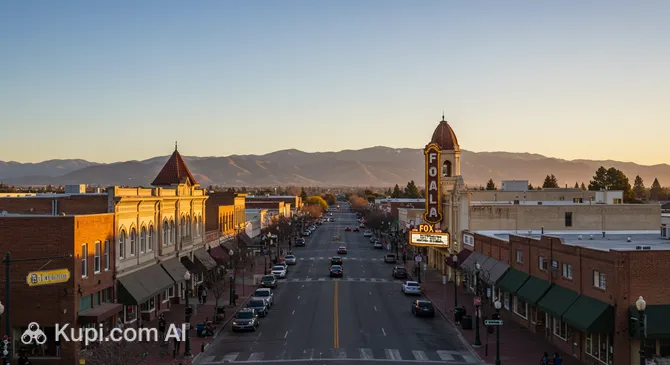
Visalia. Illustration.
Source: Kupi.com AI

The urban environment impresses with its blend of eras. The rich history of Visalia is reflected in beautifully preserved historical buildings downtown, which stand alongside trendy cafes, boutiques, and art galleries. A stroll through Downtown provides a sense of comfort and tranquility that is often missing in major metropolises.

The proximity to natural wonders remains a key advantage for travelers: the entrance to the famous Sequoia National Park is just 58 km away. However, Visalia itself is worth attention due to its well-maintained green parks, regular farmers' markets with the freshest produce, and vibrant street festivals. It is worth visiting this city for the unique opportunity to combine comfortable urban relaxation with unforgettable adventures in the wild.

Weather Overview

Visalia's climate is typical of California's Central Valley: seasons are well-defined, with hot, dry summers and mild, wetter winters. Summer months can be a real test for those unaccustomed to the heat: in July and August, the average temperature stays around 30–31°C, and maximums often reach 39.3°C. During this period, rain is very rare, and the number of wet days usually drops to zero.

Winter brings long-awaited freshness. In January and February, the average temperature is about 10–11°C, but nights can be chilly, dropping to 5.3°C. It is during the winter and early spring that the bulk of the precipitation falls; for example, March can surprise you with 13 rainy days, though by April the air warms up to a comfortable 24.8°C.

Expect a sweltering sunny summer and a cool winter with periodic rain. To properly plan your wardrobe for the trip and choose the best time to visit the national parks, we recommend checking what weather in Visalia is expected during your visit dates.

Average monthly temperature

Average monthly precipitation

Interesting Facts

Visalia hides many interesting details beyond the well-known tourist routes that shape its unique character. The history and geography of this California city are full of curious facts that often escape the notice of ordinary travelers.
  • Neighbor to a Giant. Visalia has a unique geographical advantage—it is in close proximity to the habitat of the largest tree on Earth. We are talking about the giant sequoia known as the General Sherman tree, located in Sequoia National Park. This makes the city not just a transit point, but the main gateway to one of the planet's most impressive natural wonders.

  • The State's Agricultural Heart. Founded in the mid-19th century, Visalia became a key center of the San Joaquin Valley. Thanks to its uniquely fertile soils, the city turned into a powerful hub for the production of nuts, fruits, and vegetables. Local traditions and the economy are still inextricably linked to the land, which is felt in every farmers' market and seasonal restaurant menu.

  • Center of Festival Culture. The city is known far beyond the county for its vibrant celebrations, with the annual Tulare County Fair holding a special place. This is not just an entertainment event, but a large-scale occasion with parades, agricultural equipment exhibitions, and farmer competitions, reflecting the true spirit of the American heartland.

  • Birthplace of Talent. Visalia is often called the "Heart of the Central Valley" for its contribution to the region's development. This city became the hometown for many outstanding figures in art, sports, and science, whose achievements have brought fame to California, though this fact is undeservedly rarely mentioned in standard guidebooks.

How to Get There

When planning a trip to this California city, it is important to note that there are no direct commercial flights directly to it. However, thanks to the region's well-developed transport network, getting here is easy through nearby major hubs. You can explore all ways to get to the city in more detail to choose the optimal route for your trip.

The most convenient and popular option for tourists is a flight to Fresno Yosemite International Airport (FAT). Visalia itself does not have an airport for regular passenger flights, so travelers arrive in the city of Fresno, which is about 62 km to the north. Travel time by taxi or rental car is approximately 45–50 minutes. This is the largest air hub in the region, receiving flights from many major US cities.

Alternatively, you can consider Meadows Field Airport (BFL), located in Bakersfield. It is situated to the south, at a distance of about 102 km from Visalia. The trip from there will take a bit longer—approximately 1 hour and 15 minutes by car. This option may be convenient if you are planning a trip through the southern part of the San Joaquin Valley.

For convenience, here is a summary of the main airports:

AirportPassenger trafficDistance
Fresno Yosemite International Airport2.7 mln62 km
Meadows Field Airport390 000102 km
Eastern Sierra Regional Airport20 000142 km
Mammoth Lakes Airport35 000149 km
Merced Municipal Airport15 000152 km

As for rail connections, there is no long-distance train station in Visalia itself. The nearest major Amtrak station is in the neighboring city of Hanford, located about 30 km to the west. Trains on the San Joaquin route, connecting the San Francisco Bay Area and Sacramento with Southern California, arrive here regularly. From Hanford station to Visalia, there is a convenient bus service (Amtrak Thruway Bus) synchronized with the train schedule; you can also use a taxi, which takes about 25 minutes.

Main Attractions

Visalia is not just a convenient stop on the way to national parks, but a city with its own unique charm and interesting places to visit. Walking its streets allows you to immerse yourself in the atmosphere of classic California, where historical heritage coexists with modern entertainment.

One of the city's main architectural gems is the Visalia Fox Theatre. This majestic building, built in 1930, has been carefully restored and today serves as a center for cultural life. Its interiors transport guests back to the Golden Age of Hollywood, and the stage regularly hosts concerts, plays, and screenings of classic films. Even if you don't plan to attend a show, it's worth simply admiring its famous clock tower and neon sign, which has become a symbol of the city center.

Nature and history lovers should definitely visit Mooney Grove Park. This is one of California's oldest county parks, where under the shade of ancient oaks you can not only escape the summer heat but also touch the past. The park grounds house a museum telling the story of early settlers, as well as the famous "End of the Trail" statue—a moving monument dedicated to Native American history.

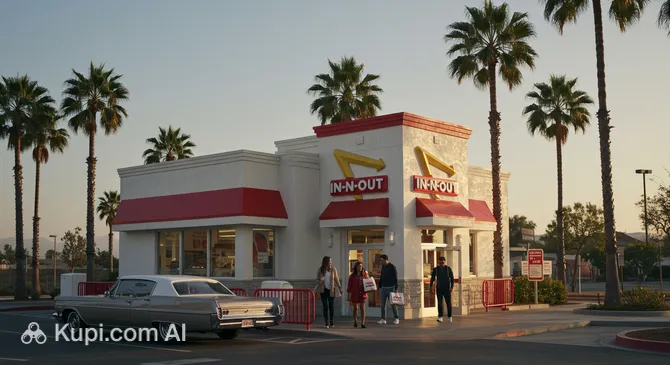
For those who want a real taste of California, a visit to the legendary In-N-Out Burger becomes a kind of gastronomic attraction. This is not just a fast-food restaurant, but a true cultural phenomenon of the West Coast, attracting tourists with its unchanging recipes and 1950s atmosphere. Many travelers consider a visit here a mandatory part of their itinerary to personally experience the famous burgers so often mentioned in movies and guidebooks.

In-N-Out. Illustration.
Source: Kupi.com AI

Traveler photos:

Families with children will find it interesting to stop by the Visalia Adventure Park. This place offers a variety of entertainment: from go-karts and mini-golf to arcade games and laser tag. The park is great for active recreation and allows the whole family to have fun, adding bright emotions to a journey through the San Joaquin Valley.

Local Cuisine

Visalia's local cuisine is a true foodie paradise, based on the "farm-to-table" concept. Thanks to its location in the fertile Central Valley, the city has access to the freshest produce year-round. Many dishes are based on local vegetables, juicy peaches, grapes, and the famous California nuts—almonds and pistachios—which are added here even to salads and desserts.

The city's gastronomic map is remarkably diverse, reflecting the multinational composition of the local population. Classic American steaks and BBQ are just as popular as authentic Mexican cuisine—be sure to try the tacos with locally produced meat and spicy sauces. Lovers of Eastern flavors will also find their favorite dishes here: Asian cuisine is widely represented in the city, a bright example being Sushi Ko, serving fresh seafood and traditional Japanese treats.

Sushi Kuu. Illustration.
Source: Kupi.com AI

Traveler photos:

Among drinks, the famous California lemonade is a particular favorite—refreshing and moderately sweet, it's the perfect escape from the summer heat. Also, pay attention to fresh juices made from local fruits. Since the region is famous for its vineyards, you can often find a decent selection of local wines on menus, which perfectly complement dinner.

Food culture in Visalia is democratic and open. Locals love visiting farmers' markets, where you can not only buy groceries but also grab street food, from craft ice cream to homemade pies. Gastronomic festivals regularly take place in the city center, turning the streets into a large celebration of taste where chefs hold masterclasses and farmers present their best harvests.

Travel Tips

Visalia is an incredibly welcoming city that serves as an ideal base for exploring Central California and making trips to the giant sequoias. To ensure your trip to the USA is as comfortable and smooth as possible, we have prepared a list of useful recommendations considering local climate and lifestyle specifics.

  1. Clothing and Gear. In the summer, the San Joaquin Valley can be extremely hot, so bring light clothing made from natural fabrics, a hat, and sunglasses. However, if you plan a trip to the mountains (Sequoia or Kings Canyon parks), be sure to pack a fleece sweater and a windbreaker even in July—the temperature drop at high altitudes is significant. Comfortable trekking shoes are a must if you plan to step off paved paths.

  2. Transportation. Renting a car is the best way to get around, giving you freedom of action. However, if you don't want to drive on mountain serpentines, use the Sequoia Shuttle during the summer season—a convenient bus running from Visalia hotels directly to national park attractions. Within the city, Uber and Lyft apps work great for short trips.

  3. Money and Tipping. Credit cards are accepted everywhere, but having some cash dollars (1, 5, 10 dollar bills) is useful for tips and farmers' market purchases. Remember that tipping culture in America is not just politeness but a social norm: in sit-down restaurants, it is customary to leave 15–20% of the check amount, as this forms the basis of the staff's salary.

  4. Health and Climate. The main danger for tourists here is dehydration and the intense sun. Always carry a supply of water in the car and use high SPF sunscreen. Visalia is a safe city, but as everywhere, you should not leave valuables (backpacks, electronics) visible in the car to avoid tempting thefts.

  5. Communication. English is the primary language, but thanks to a large Hispanic community, knowing a few phrases in Spanish can help in everyday situations. Free Wi-Fi is available in almost all cafes (Starbucks, McDonald's) and hotels. For mountain navigation, download offline maps in advance, as mobile reception often disappears in national parks.

  6. Local Etiquette. Californians are famous for their openness. It is customary to smile at strangers and greet staff in stores. The phrase "How are you?" is used as a greeting to which a short, positive response is expected, rather than a detailed story about your life. Maintain personal space in lines—standing too close to another person is considered impolite.

  7. What to Avoid. Strictly follow smoking rules: in California, smoking is prohibited in restaurants, bars, parks, and within 6 meters of building entrances. Also, when in nature, never feed wild animals (even squirrels) and do not leave food unattended—this attracts bears and risks heavy fines.

  8. Gastronomic Tip. Don't buy fruit only in supermarkets. Visalia is in the heart of an agricultural region, so look for roadside fruit stands or visit the Saturday farmers' market. The taste of local peaches, plums, and citrus fruits just picked from the branch will be one of the brightest impressions of your trip.

We hope these tips help you plan the perfect itinerary and avoid minor troubles. Visalia knows how to charm with its tranquility and proximity to majestic nature, so relax and enjoy every moment of your California adventure!

Entertainment & Nightlife

Visalia's nightlife, while not boasting the scale of major metropolises, has its own unique charm and cozy atmosphere. The epicenter of evening entertainment is the city's historical center—Downtown, especially the lively Main Street. This is where most of the bars, pubs, lounges, and restaurants that come to life after sunset are concentrated. The area is very compact and pedestrian-friendly, making it easy to move from one establishment to another while enjoying the warm California night.

The atmosphere in local venues is mostly relaxed and friendly, without pretense or a strict dress code; "casual" or "smart casual" style is appropriate almost everywhere. For fans of live music, dancing, and a classic bar setting, the popular spot Crawdaddy's is worth a visit. This establishment has long been a magnet for both locals and tourists looking to have a good time in a lively crowd.

Crawdaddy's. Illustration.
Source: Kupi.com AI

Traveler photos:

The gastronomic part of the evening is also diverse. For those who prefer to start the night with dinner in a pleasant setting, Sushi Ko restaurant, offering fresh seafood and Asian dishes, is an excellent choice. And if you work up an appetite after dancing or long walks, the legendary California chain In-N-Out Burger will be a real lifesaver. Many of its locations stay open late, gathering burger lovers from all over the area.

In terms of safety, downtown Visalia is considered a quiet place for evening strolls, especially on weekends when there are many people on the streets. Nevertheless, it is recommended to use taxis or services like Uber and Lyft to return to your hotel late at night; they work excellently here and are reasonably priced. The average check in bars is moderate by California standards, and "happy hours" are frequent in the early evening.

Daytime entertainment in Visalia is more leisurely but no less interesting. The city offers guests the chance to visit the historic Visalia Fox Theatre for concerts and shows, or browse museums like the Tulare County Museum. However, it is with the arrival of dusk that the city reveals a new, more dynamic side, inviting you into the lights of Main Street.

Parks & Museums

Visalia's cultural landscape and green zones harmoniously complement each other, offering tourists the chance to alternate educational excursions with relaxed outdoor recreation. The city carefully preserves its historical heritage in museums and galleries, while numerous parks serve as oases of cool in the hot climate of the San Joaquin Valley.

Among the natural areas, the Kaweah Oaks Preserve deserves special attention. This is a unique natural area covering more than 130 hectares, where one of the last remaining valley oak woodlands in California is protected. Scenic hiking trails are laid out for tourists, allowing them to enjoy the silence and see the region's wildlife in its original form, just a few minutes' drive from the city bustle.

Another important recreation spot is Mooney Grove Park, often referred to as the "green heart" of the county. In addition to century-old oaks and a pond with boats, the park is interesting because it houses the Tulare County Museum. This museum is a real treasure trove for history lovers: it features an extensive collection of agricultural equipment, household items of early settlers, and one of the largest collections of Native American baskets in California, reflecting the region's rich ethnography.

Art connoisseurs should stop by the Arts Visalia Visual Art Center. This gallery, located in the city center, regularly hosts exhibitions of works by local and regional artists, demonstrating a variety of contemporary creative directions. For families with children, the ImagineU Children's Museum is a great choice, where interactive exhibits and play areas introduce young visitors to science and the world around them in an engaging way.

The city's architectural appearance also deserves attention: a walk through the historic Downtown will allow you to see beautifully preserved buildings from the late 19th and early 20th centuries. A special atmosphere is created by numerous street murals decorating house walls and telling the story of Visalia's past.

Insider Tip: If you want to see the non-tourist side of the city, go for a walk along the St. Johns River Trail. This is a paved path along the river, popular with local runners and cyclists, offering beautiful views of the Sierra Nevada mountains, especially at sunset.

Getting Around

The public transport system in Visalia, like in many small California cities, is primarily focused on bus services. The main operator is Visalia Transit, whose routes cover key city areas, shopping centers, and medical facilities. There are no subways or trams in the traditional sense, but the bus network is reliable and modern enough to provide comfortable travel for those who choose not to rent a car.

For tourists, the V-LINE route is of particular interest. This is a convenient and affordable shuttle bus that connects Visalia with Fresno Yosemite International Airport and the city of Fresno. Buses on this line are equipped with free Wi-Fi and USB ports for charging gadgets, making the trip as comfortable as possible. Also, during the summer season (usually from late May to September), the famous Sequoia Shuttle is launched—a specialized bus that takes travelers from the city directly to the giant trees in Sequoia National Park, eliminating the need to look for parking in the preserve.

Paying for fares on local buses is quite simple. You can pay for the trip in cash when boarding, but it's important to remember: drivers do not give change, so you must have the exact amount (usually in coins or small bills) with you. For a more modern approach, it is recommended to download the Token Transit mobile app, which allows you to buy tickets online and simply show your smartphone screen to the driver when boarding. There are single tickets as well as day or monthly passes, which are cost-effective for active travel.

In the city center, a colorful bus styled like an old-fashioned streetcar—the Downtown Trolley—circulates. This is not only transport but also a kind of attraction, allowing you to soak up the atmosphere of the historical district. It runs between hotels, restaurants, the Fox Theatre, and other Downtown attractions, making it an ideal option for evening outings.

If you prefer individual transport, taxi and ridesharing services like Uber and Lyft work excellently in the city. You can call a car via the app at almost any time of day, and the wait in the center usually doesn't take long. Also, given the flat terrain and the compactness of the central part, cycling is popular, although there is no specialized city bike-share system; it's better to rent a bike at private rental points or ask about such a service at your hotel.

Accommodation

Where to stay:

Visalia offers travelers a wide range of accommodation options that are well-suited for both transit tourists and those planning a long exploration of the national parks. The city is dominated by mid-range hotels and reliable chain hotels providing high levels of comfort at reasonable prices. You can also find budget motels for thrifty travelers and several historic boutique hotels that convey the atmosphere of old California. There are virtually no world-class luxury five-star resorts here, as the main focus is on functionality and convenience for nature lovers.

When choosing a place to stay, you should pay attention to two main areas. Historic Downtown is ideal for those who want to be in the center of the action: from here, you can walk to the best restaurants, the theater, and the shops on Main Street. This is the best choice for evening strolls after a day in the mountains. The second popular area is located along Highway 198. Most major chain hotels are concentrated here; this option is convenient for those traveling by car who want the quickest possible exit toward Sequoia National Park.

Booking Tip: Visalia is a strategically important point for visiting Sequoia and Kings Canyon, so demand for accommodation rises sharply during the high tourist season (May to September). It is highly recommended to book your room 2–3 months before your trip, especially if you plan to visit on a weekend or holiday.

Pricing in the city is generally more democratic compared to California's coastal metropolises. The bulk of the offers are in the mid-price range, offering good value for money (often including breakfast and parking). You can book accommodation through popular international online aggregators or directly on hotel websites, which sometimes allows you to get additional discounts or loyalty program bonuses.

Nearby Cities

For those looking to explore the surroundings, Visalia serves as an excellent starting point for day trips to several interesting nearby locations. Its location in the center of California makes it easy to reach neighboring cities, each with its own unique character and attractions.

Just an hour's drive away is the large city of Fresno, where you can visit the famous Fresno Chaffee Zoo or the amazing Forestiere Underground Gardens—a unique labyrinth of rooms and courtyards dug by hand underground. History buffs will enjoy a trip to Hanford, known for its beautifully preserved historic center and China Alley, reflecting the region's rich cultural heritage. And for those who prefer shopping, the city of Tulare offers a large outlet center with popular brands.

CityPopulationDistance
Tulare68 39514 km
Lindsay12 55123 km
Orosi8 70124 km
Dinuba24 38325 km
Hanford95 45931 km

These nearby destinations provide insight into the diverse culture and landscapes of the region, making your trip through the Central Valley even more fulfilling.

Shopping & Souvenirs

Shopping:

Shopping in Visalia is a pleasant combination of provincial comfort and the convenience of a modern city. As the regional hub of the San Joaquin Valley, the city offers tourists excellent opportunities both for stocking up before a trip to national parks and for leisurely strolls through boutiques. You won't find the huge luxury department stores typical of metropolises here, but you can enjoy the atmosphere of authentic American shopping life, where well-known brands sit alongside unique local shops.

The main shopping artery for those seeking atmosphere and unique goods is Downtown Visalia, specifically Main Street. This is the historic heart of the city, where cozy clothing boutiques, gift shops, antique stores, and bookstores are located in restored brick buildings. Walking here is an aesthetic pleasure: the storefronts are beautifully decorated, and shop owners often greet customers themselves, creating a friendly atmosphere.

For those who prefer classic shopping with well-known brands, the Visalia Mall—the oldest indoor shopping center in the region—is in operation. It features major American department stores (such as Macy's), as well as clothing, cosmetics, and accessory stores. Another important attraction is the Packwood Creek open-air shopping complex. This is a large-scale area where major chain stores for electronics, home goods, and sports are concentrated. By the way, popular places to eat are often located near such centers, like the famous In-N-Out Burger, where you can recharge after a shopping marathon.

Special attention should be paid to local markets, as Visalia is in the center of one of the world's most fertile agricultural regions. Be sure to visit the Visalia Farmers Market, which operates year-round on specific days (usually Saturdays). Here you can buy the freshest seasonal fruits, vegetables, homemade cheeses, and pastries directly from the farmers. This is not just a place of trade, but a real cultural experience that lets you taste California.

As souvenirs from Visalia, it is worth bringing back what this region is famous for. First and foremost, these are local products: walnuts, almonds, pistachios, dried fruits, and locally produced honey. Items with Sequoia and Kings Canyon National Park branding—t-shirts, mugs, and bear figurines—are also popular and can be found in Downtown souvenir shops as well as museum stores. Vintage lovers will appreciate the local antique shops, where interesting items of American life from past decades can often be found.

Most large stores and shopping centers are open from 10:00 to 21:00, with potentially shorter hours on Sundays. Shops in the city center (Downtown) often close earlier, around 17:00–18:00. The primary method of payment is bank cards (Visa, Mastercard, American Express), which are accepted everywhere; even many sellers at markets have terminals. However, having some cash (US dollars) for small purchases or tips is always useful.

It is important to remember that in the US, the Tax-Free system (VAT refund) for tourists works differently than in Europe, and in California, it is virtually non-existent. Prices on tags in stores are indicated excluding sales tax, which in Visalia is around 8-9%. The final amount you will be told at the checkout will be higher than what is indicated on the label, so be prepared for this when planning your budget.
Reached the end of the page?

That means the route is fully explored