Support

Tulsa

About

Welcome to Tulsa, a dynamic metropolis situated on the banks of the Arkansas River in the state of Oklahoma. Often surprising visitors with its cosmopolitan atmosphere and rich cultural tapestry, the city beautifully blends Southern charm with modern sophistication. As a significant destination in the United States, Tulsa offers a unique mix of world-class art, vast green spaces, and a lively music scene.

Geographically, the city is located in the northeastern corner of the state, a region affectionately known as "Green Country" due to its rolling hills, lakes, and lush vegetation at the foothills of the Ozark Mountains. With a metropolitan population exceeding 700,000 residents, it serves as a major economic and cultural hub. The climate is generally temperate with distinct seasons, making it pleasant to explore the scenic riverfront trails and numerous parks throughout much of the year.
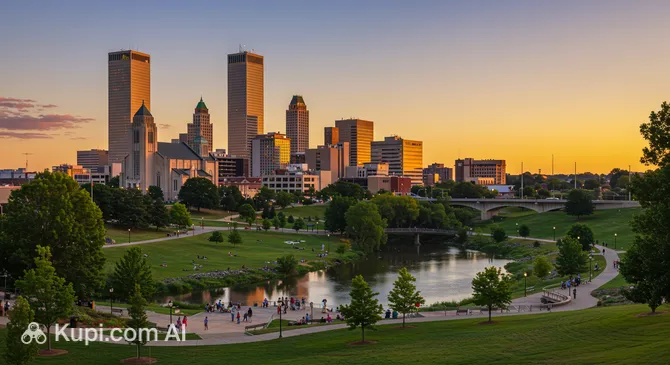
Tulsa. Source: Kupi.Binoculars

The city's development was significantly shaped by the massive oil boom of the early 20th century, which once earned it the title "Oil Capital of the World." This era of immense prosperity left a lasting legacy on the skyline. Travelers interested in the history of Tulsa will be fascinated to discover one of the nation's most impressive collections of Art Deco architecture. The downtown district features intricate facades and stylized skyscrapers that stand as monuments to the Roaring Twenties.

Modern Tulsa is celebrated for its exceptional attractions and quality of life. The Gathering Place, a massive riverfront park, has garnered international acclaim as a premier public space for recreation, offering everything from adventure playgrounds to quiet gardens. Art enthusiasts should not miss the Philbrook Museum of Art, housed in an Italian Renaissance-style villa surrounded by stunning formal gardens. Whether you are exploring the trendy Blue Dome District or enjoying live entertainment, the city provides diverse experiences for every traveler.

From its friendly locals to its vibrant arts community, Tulsa invites you to explore a side of the American Heartland that is both unexpected and unforgettable. Plan your visit to discover the hidden gems, architectural wonders, and enduring spirit of this remarkable city.
Weather Overview

Tulsa experiences a temperate climate characterized by four distinct seasons, offering a variety of atmospheric conditions throughout the year. For travelers planning their trip, checking the weather in Tulsa is recommended to pack appropriately. Summers are typically hot, with July seeing average temperatures of 28.8°C and maximum highs reaching 33.6°C. In contrast, winters can be quite cold; January is generally the chilliest month, with an average temperature of 4.4°C and lows dipping to -0.5°C.

Spring and autumn provide milder transitions, though visitors should be aware of precipitation patterns. May is notably the dampest month in terms of frequency, recording about 15 wet days. Generally, you can expect warm to hot summers with occasional rain and cold, relatively dry winters. Whether you visit during the blooming warmth of April or the crisp days of October, the city offers a dynamic environment for exploration.

Interesting Facts

Beyond the main attractions, Tulsa holds many fascinating secrets and quirks that often escape the casual observer. From acoustic anomalies to roadside giants, the city is filled with unique stories that define its character.

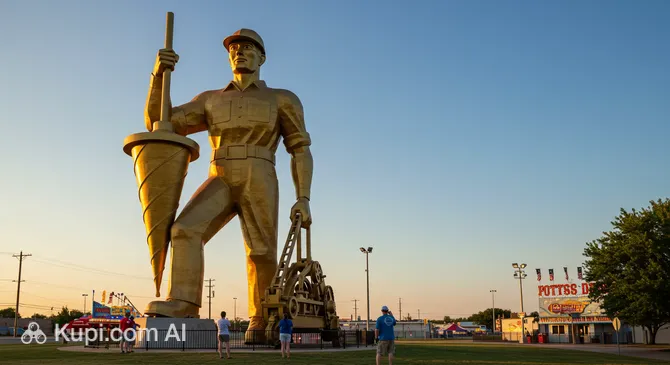
Golden Driller. Source: Kupi.Binoculars
  • Downtown Tulsa is home to a strange sonic phenomenon known as the Center of the Universe. If you stand on the small concrete circle in the middle of a brick path and speak, your voice echoes back to you with startling loudness, yet those standing just a few feet outside the circle can hardly hear a whisper.

  • The city boasts the Golden Driller, a 75-foot-tall statue that weighs nearly 43,500 pounds. Originally built for a petroleum exposition, this towering figure is famous for resting his hand on a real oil derrick and is designed to withstand winds of up to 200 miles per hour.

  • Tulsa is widely considered the "Birthplace of Route 66." Local businessman Cyrus Avery, known as the Father of Route 66, was instrumental in creating the U.S. Highway System and establishing the route's association with the number 66, ensuring the famous road crossed the Arkansas River in this city.

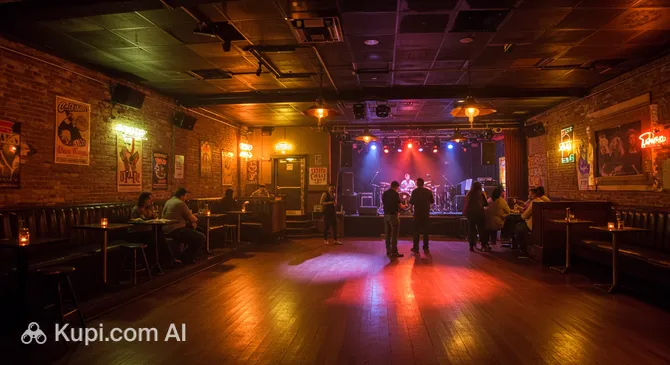
  • Music history runs deep at Cain's Ballroom, a historic venue often called the "Carnegie Hall of Western Swing." It features a spring-loaded maple floor that was originally designed to help dancers move comfortably during long nights of entertainment.

How to Get There

Reaching this vibrant destination in Oklahoma is quite convenient, primarily due to its well-connected air hubs. For travelers planning their journey, understanding the best routes is essential, and you can find more about how to get to Tulsa to ensure a smooth arrival. The city is served by its own international airport, making direct access easy for most visitors.

The most direct way to arrive is via Tulsa International Airport (IATA: TUL), located within the city limits. It sits just 10.3 km from the downtown area, offering a quick and hassle-free transfer to your accommodation. A trip by taxi or ride-share service typically takes around 15-20 minutes, depending on traffic conditions. With a passenger volume of over 3 million annually, this medium-sized airport provides a comfortable balance of amenities and efficiency.

Alternatively, visitors may choose to fly into Will Rogers World Airport (IATA: OKC), situated in the city of Oklahoma City. While this airport is larger, handling over 4.6 million passengers per year, it is located approximately 168.5 km from Tulsa. Travelers arriving here should plan for a longer ground transfer, likely requiring a rental car or intercity bus to complete the journey to their final destination.

For clarity, here is a summary of the main airports:

Airport Name City Passenger Traffic Km from City
Will Rogers World Airport Oklahoma City Large 168.5
Tulsa International Airport Tulsa Medium 10.3
Northwest Arkansas Regional Fayetteville Medium 151.9
Wichita Dwight D. Eisenhower National Airport Wichita Medium 210.9
Joplin Airport Joplin Small 173.2

Main Attractions

Tulsa offers a compelling array of destinations that cater to history buffs, art lovers, and nature enthusiasts alike. While the city is known for its Art Deco heritage and musical roots, its museums and parks provide deep dives into American culture and serene escapes within the urban landscape.

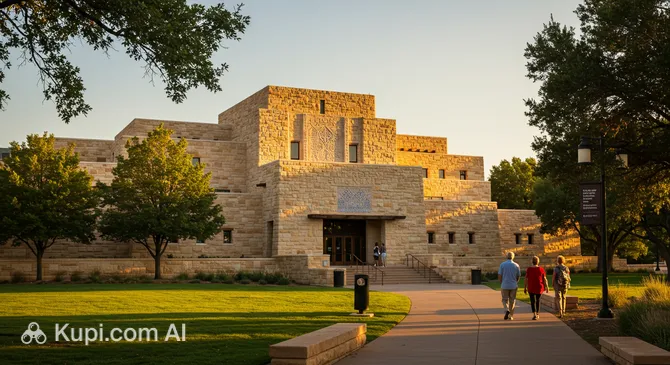
One of the city's premier cultural institutions is the Gilcrease Museum. Renowned for possessing the world's largest public collection of art of the American West, it also houses a growing collection of art and artifacts from Central and South America. Visitors can explore thousands of years of history through paintings, sculptures, and manuscripts, all set amidst acres of themed gardens that offer a beautiful backdrop for a leisurely stroll.

Gilcrease Museum. Source: Kupi.Binoculars

For a profound look into a pivotal moment in the nation's past, the Greenwood Rising Black Wall Street History Center is an essential stop. Located in the heart of the historic Greenwood District, this state-of-the-art facility uses immersive exhibits to tell the story of the rise, destruction, and resilience of the community known as "Black Wall Street." It provides a moving and educational experience that honors the legacy of the area's entrepreneurs and residents.

Pop culture fans and cinema enthusiasts will find a unique treasure in The Outsiders House Museum. Dedicated to the preservation of the home used in Francis Ford Coppola's 1983 film adaptation of S.E. Hinton's classic novel, this attraction allows fans to step directly into the world of the Greasers. The house has been meticulously restored to look as it did in the movie, filled with memorabilia, rare photos, and costumes that celebrate the enduring impact of the story.

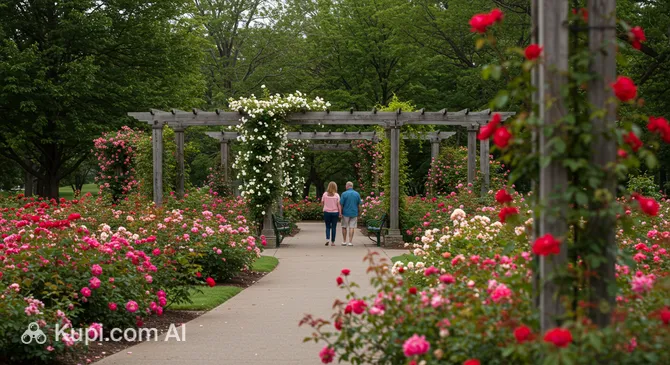
Those seeking tranquility and natural beauty should visit Woodward Park and Gardens. This 45-acre public park is a horticultural jewel featuring an arboretum, a conservatory, and the celebrated Tulsa Rose Garden. It is a perfect spot for photography or a quiet afternoon picnic, offering a lush, colorful retreat regardless of the season.

Woodward Park and Gardens. Source: Kupi.Binoculars

Local Cuisine

Tulsa's dining scene is a delightful convergence of Southern hospitality, cattle country tradition, and surprising international flair. While you might expect hearty meat-and-potatoes fare, the city offers a culinary landscape shaped by its history as a melting pot during the oil boom. One of the most unique local traditions is the "Lebanese Steakhouse," where charcoal-grilled steaks are served with complimentary appetizers like tabbouleh, hummus, and pita bread—a delicious legacy of early immigrants that sets the local steakhouse experience apart from the rest of the country.

For a true taste of the region, Oklahoma-style barbecue is a must. The signature item here is smoked bologna, often playfully called "Oklahoma Prime Rib." It is typically smoked, sliced thick, and glazed with a tangy sauce, offering a flavor profile you won't find in many other barbecue capitals. Another comfort food staple is the chicken fried steak, a tenderized beef cutlet breaded, fried to a golden crisp, and generously smothered in white cream gravy. Visitors looking for a quick, iconic bite should also try a "Coney," a small hot dog topped with chili, cheese, and onions, which has been a local favorite since the 1920s.

Nola's Creole & Cocktails. Source: Kupi.Binoculars

The city also boasts a rapidly growing beverage culture. Craft beer enthusiasts will find a welcoming community in the Pearl District and downtown, where local breweries experiment with everything from crisp lagers to barrel-aged stouts. If you prefer cocktails, the city has a vibrant nightlife scene. You can enjoy expertly mixed drinks at Valkyrie, a bar known for its extensive library of spirits and a relaxed, industrial atmosphere perfect for unwinding after a day of sightseeing.

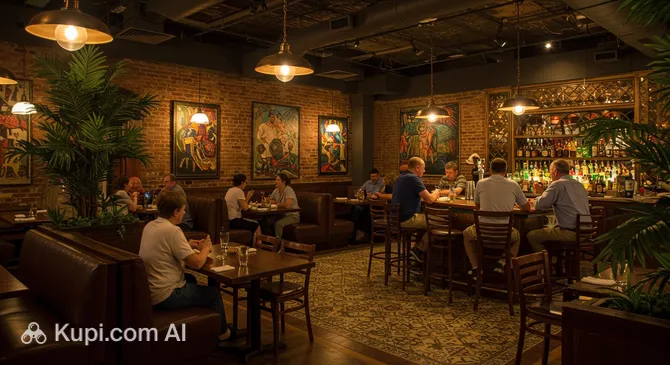
Dining out in Tulsa is as much about the atmosphere as it is about the food. The Cherry Street district is a hub for diverse restaurants and outdoor patios. Here you will find Kilkenny's Irish Pub, a beloved spot that offers authentic Irish cuisine and elaborate decor that transports you across the Atlantic. For those craving Southern flavors with a twist, Nola's Creole & Cocktails serves up classic dishes like gumbo and etouffee in a speakeasy-style setting, providing a memorable backdrop for a delicious meal.

Travel Tips

To ensure your visit to Tulsa is as enjoyable and stress-free as possible, we have compiled a list of essential practical advice. These tips will help you navigate the city's unique environment, from handling local weather patterns to understanding the best ways to get around.

  1. Clothing and Gear: The weather in Oklahoma can be unpredictable, so packing layers is always a smart strategy. Summers are hot and humid, requiring light, breathable fabrics, while winters can be genuinely cold, necessitating a warm coat. If you plan to explore the extensive trails at the Gathering Place or walk the Art Deco district, bring comfortable walking shoes. Dress codes are generally casual, but a smart-casual outfit is recommended for upscale dining or evening shows.

  2. Transportation: While downtown is walkable, Tulsa is a sprawling city where renting a car is the most convenient option for seeing all the sights. Public transportation, provided by Tulsa Transit, offers bus services, but frequencies and routes may be limited for tourists. Ride-sharing apps like Uber and Lyft are widely available and reliable if you prefer not to drive.

  3. Finances: The local currency is the US Dollar (USD). Credit and debit cards are accepted almost everywhere, from museums to food trucks. However, it is wise to carry a small amount of cash for small purchases or tips. Tipping is a standard practice in the United States; expect to leave 15-20% of the bill at restaurants and bars, and a few dollars for hotel staff or valet services.

  4. Health and Safety: Tulsa is generally a safe destination for travelers, but standard city precautions apply—keep valuables secure and stay aware of your surroundings at night. Pharmacies like CVS and Walgreens are plentiful, with some locations open 24 hours. Be aware that spring is severe weather season; familiarize yourself with tornado safety procedures and listen for sirens if storms approach.

  5. Communication: English is the primary language spoken throughout the city. Free Wi-Fi is commonly available in hotels, coffee shops, and public parks like the Gathering Place. If you need mobile data, prepaid SIM cards can be purchased easily at major electronics retailers or mobile provider stores upon arrival.

  6. Local Etiquette: Tulsans are known for their warm, "Green Country" hospitality. It is polite to return a greeting or smile when passing strangers on the street. Handshakes are the standard greeting. When driving, locals are generally courteous; aggressive driving is less common here than in larger coastal cities.

  7. What to Avoid: Do not underestimate the distances between attractions; trying to walk from downtown to midtown or other districts is often impractical due to highway layouts. Additionally, avoid making light of severe weather warnings; locals take storm safety seriously, and you should too.

  8. Local Insight: Many of Tulsa's best attractions, including the world-class Gathering Place park, are free of charge. Take advantage of these public spaces early in the day to beat the crowds and the afternoon heat.

By keeping these practicalities in mind, you will be well-prepared to experience the best of what Tulsa has to offer. With the logistics handled, you can focus entirely on enjoying the art, history, and vibrant culture of this welcoming city.

Entertainment & Nightlife

Tulsa transforms after sunset, offering a vibrant nightlife scene that caters to diverse tastes, from live music enthusiasts to those seeking a quiet craft cocktail. The city’s entertainment landscape is anchored by distinct districts, each with its own unique personality. The Blue Dome District, centered around a historic 1924 gas station, is the heart of the action, known for its industrial vibe, welcoming pubs, and energetic street life. Just a short walk away, the Tulsa Arts District offers a more trendy atmosphere, housing some of the city's most celebrated galleries, clubs, and music halls.

Live music is the soul of the city's evening entertainment. No discussion of nightlife is complete without mentioning Cain's Ballroom. While it is steeped in history, it remains a fully active and premier venue for catching touring bands and local acts in an intimate setting. The acoustics and energy here are legendary, drawing crowds that range from college students to long-time locals. For larger-scale concerts and events, the BOK Center serves as a major arena, hosting international superstars and sporting events right in the downtown area.

Cain's Ballroom. Source: Kupi.Binoculars

For those looking for a more interactive or relaxed evening, the city offers plenty of creative alternatives to the standard bar scene. Shuffles Board Game Cafe is a popular spot in the Arts District where visitors can enjoy a wide selection of craft beers and cocktails while choosing from a massive library of board games. It is a perfect venue for groups or couples looking for a fun, low-pressure night out. Alternatively, if you prefer a laid-back lounge atmosphere, the Star Avenue Hookah Lounge provides a comfortable setting to unwind with friends late into the night.

When planning a night out, it is helpful to know that the atmosphere in Tulsa is generally casual and unpretentious. Most bars and clubs do not have strict dress codes, though "smart casual" is a safe bet for upscale lounges. The nightlife peaks between Thursday and Saturday, with bars typically closing around 2:00 AM. Prices are reasonable compared to larger US cities; you can expect to pay between $6 and $12 for a cocktail. While the downtown districts are walkable and generally safe for pedestrians, the city is spread out. For moving between districts or returning to your hotel late at night, using ride-sharing apps like Uber or Lyft is the most reliable and safe method of transportation.

Before the sun goes down, the city offers a wealth of daytime entertainment options. Families and thrill-seekers can cool off at Paradise Beach Waterpark, a classic amusement destination featuring slides and wave pools. For a more educational experience, the Discovery Lab provides hands-on exhibits that are fascinating for children and adults alike. Whether you are exploring museums by day or dancing the night away, Tulsa ensures a memorable experience around the clock.

Paradise Beach Waterpark. Source: Kupi.Binoculars

Parks & Museums

Tulsa’s landscape is a harmonious blend of manicured gardens, expansive green belts, and world-class cultural institutions that reflect its wealthy heritage. From Italian-style villas to open-air historical exhibits, the city provides ample opportunity to explore both nature and the arts in settings that are distinctively Oklahoman.

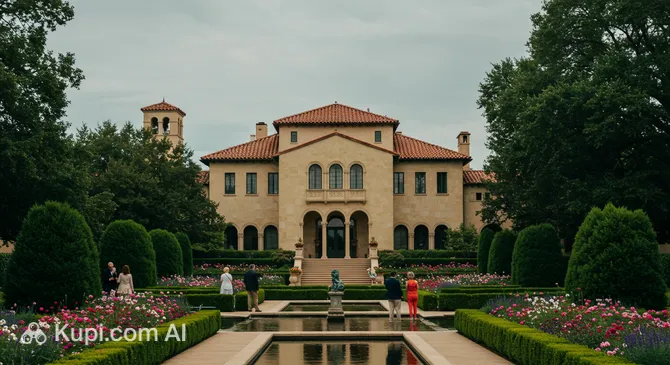
For art lovers, the Philbrook Museum of Art is an absolute masterpiece. Housed in a 72-room mansion originally built for oil tycoon Waite Phillips, this institution is as famous for its architecture as it is for its collection. Visitors can wander through galleries featuring Native American, European, and contemporary art before stepping outside into the breathtaking 23-acre gardens. The formal landscaping, complete with a creek and stained-glass gazebo, offers a tranquil escape that feels miles away from the city center.

Philbrook Museum of Art. Source: Kupi.Binoculars

Music history is deeply ingrained in the city's identity, and the Bob Dylan Center stands as a testament to this legacy. Dedicated to the life and work of the Nobel Prize-winning singer-songwriter, this museum houses an incredible archive of more than 100,000 items, including handwritten manuscripts, unreleased recordings, and film reels. It is a fascinating destination not just for fans, but for anyone interested in the creative process and American cultural history.

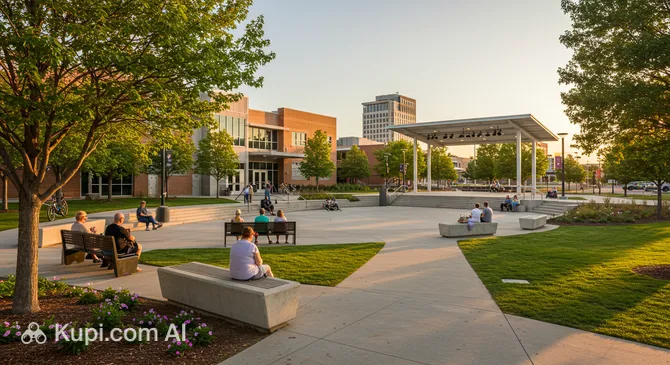
When it comes to urban green spaces, Guthrie Green is the beating heart of the Tulsa Arts District. This urban park transformed a former truck loading facility into a vibrant community gathering spot. Tourists will find it buzzing with activity, from outdoor concerts and film screenings to fitness classes on the lawn. It is an excellent place to take a break while exploring downtown, offering a modern, eco-friendly environment surrounded by cafes and galleries.

Guthrie Green. Source: Kupi.Binoculars

For a quieter, more historical park experience, Owen Park offers a glimpse into the city's pioneer past. As Tulsa's oldest public park, it features a serene lake and several historical markers. It is also home to a granite monument dedicated to the Creek Nation, making it a significant spot for reflection on the area's indigenous roots. The park's mature trees and peaceful walking paths provide a perfect setting for a leisurely afternoon stroll.

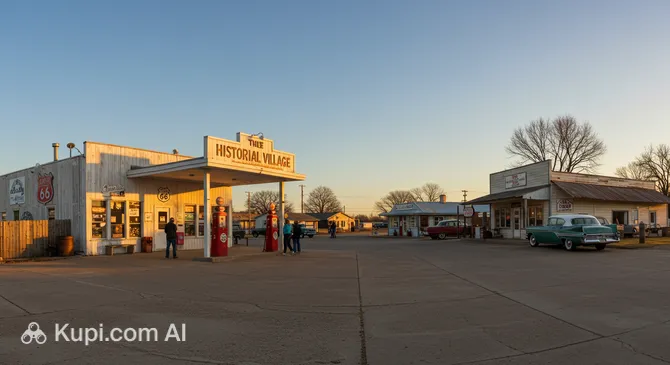
History enthusiasts should also visit the Route 66 Historical Village. This open-air museum captures the spirit of the Mother Road and the city's industrial era. The site features a towering 154-foot oil derrick, a restored steam engine, and vintage gas station memorabilia. It is a fantastic photo opportunity and offers a tangible connection to the transportation and energy boom that built the region.

Route 66 Historical Village. Source: Kupi.Binoculars

For a truly authentic experience, look for the smaller, meaningful sites like Dream Keepers park. This dedicated space honors the Native American heritage of the region with impressive sculptures and memorials. It is a poignant reminder of the cultural depth of the city, often overlooked by visitors sticking strictly to the main tourist trail.

Getting Around

Navigating Tulsa is relatively straightforward, though the city is primarily designed with automobile travel in mind. While renting a car is often the most convenient choice for visitors who want to explore the wider metropolitan area, the city does offer a reliable public transportation network known as Tulsa Transit. This system provides an affordable and eco-friendly way to reach many of the key districts, including downtown, the Pearl District, and the popular Brookside area.

The backbone of the public transport system is the bus network, which includes standard fixed routes and the Aero, a Bus Rapid Transit (BRT) service. The Aero is particularly useful for tourists as it runs along Peoria Avenue, connecting major destinations such as the downtown arts districts and the Gathering Place park with higher frequency and faster travel times than standard buses. These modern vehicles are equipped with amenities like free Wi-Fi and USB charging ports, making the journey comfortable for travelers on the go.

Payment for transport is modernized and user-friendly. The most convenient option for visitors is the GoPass mobile app, which allows you to purchase tickets instantly on your smartphone, plan your trip, and track buses in real-time. If you prefer to pay with cash, you must have the exact change ready when boarding, as drivers cannot provide change. Fares are very affordable, and purchasing a Day Pass is highly recommended if you plan to take multiple rides, offering unlimited travel for a low fixed price.

For short trips around the city center, micro-mobility options are abundant. You will find electric scooters from companies like Lime and Bird scattered throughout downtown and near the university, perfect for a quick zip between museums or restaurants. Additionally, the city features a bike-share program known as This Machine. These bright pink electric-assist bicycles can be rented via a smartphone app and are a fantastic way to explore the scenic trails along the Arkansas River.

Ride-sharing services like Uber and Lyft are extremely popular and widely available 24/7. Given that regular bus service frequencies can decrease significantly in the evenings and on Sundays, these apps are often the best alternative for late-night outings or trips to areas not directly served by the main transit corridors. While Tulsa does not have a subway or light rail system, the combination of the Aero BRT, ride-shares, and a walkable downtown core ensures that visitors can move around with relative ease.

Accommodation

Finding the perfect place to stay in Tulsa is a seamless experience, thanks to a diverse accommodation landscape that caters to every type of traveler. Whether you are seeking the opulence of the Roaring Twenties, the convenience of a modern downtown suite, or a budget-friendly stop along a historic highway, the city offers a wide range of options. The hospitality scene here mirrors the city's character, blending beautifully restored historic landmarks with contemporary comfort.

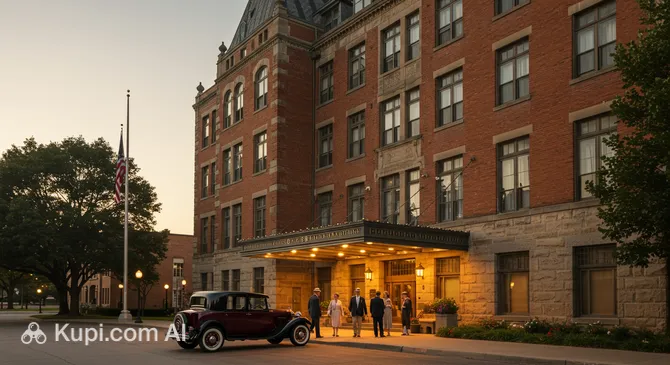
For those who appreciate history and elegance, the city's Art Deco heritage is best experienced by staying in one of its restored architectural gems. A prime example is the Ambassador Hotel Tulsa. Listed on the National Register of Historic Places, this boutique hotel offers a glimpse into the oil boom era, combining classic 1920s Italian Renaissance architecture with modern luxury amenities. It serves as a sophisticated base for exploring the city, allowing guests to immerse themselves in the grandeur of the past while enjoying top-tier service.

Ambassador Hotel Tulsa. Source: Kupi.Binoculars

Travelers who prefer to be in the heart of the action should consider booking a room in the downtown area. Staying here places you within walking distance of major entertainment venues like the BOK Center, the vibrant Arts District, and a plethora of dining options. This location is particularly convenient for business travelers and concert-goers who want to minimize travel time. Conversely, families or those planning a longer stay might prefer the southern parts of the city or the areas near the Arkansas River, where larger chain hotels often offer more spacious rooms and easy access to shopping centers.

As a key stop on the "Mother Road," Tulsa also maintains a strong tradition of motor lodges and budget-friendly inns. Visitors driving through on a Route 66 road trip will find numerous reliable and affordable options along the highway corridors. These locations are ideal for those prioritizing quick access to the road and value for money, ensuring that you can save your budget for the city's museums, parks, and culinary delights.

Nearby Cities

Tulsa is ideally situated for travelers wishing to explore the diverse landscapes and communities of northeastern Oklahoma. The surrounding region, often referred to as Green Country, is home to several welcoming cities that make for perfect day trips. From vibrant university towns to historic communities with rich cultural heritage, these destinations offer a change of pace just a short drive from the city center.

Exploring the area allows visitors to discover unique local dining, shopping districts, and outdoor attractions that complement the urban experience of the metropolis. Below is a table of nearby cities, detailing their population and proximity, to help you plan your excursions:

City Population Distance from Tulsa (km)
Owasso 37,559 18
Broken Arrow 112,751 20
Muskogee 37,214 72
Stillwater 48,055 96
Shawnee 67,021 125

Shopping & Souvenirs

Shopping:

Shopping in Tulsa offers a delightful mix of historic charm, upscale elegance, and quirky local character. The city’s retail landscape is diverse, allowing visitors to move effortlessly from trendy open-air centers to districts filled with antique treasures and independent boutiques. Whether you are looking for high-end fashion or a unique memento of the American West, the city provides a relaxed and welcoming environment for retail therapy.

For those who enjoy strolling while they shop, the Brookside District on Peoria Avenue is a premier destination. This walkable area is lined with stylish clothing boutiques, home decor shops, and galleries, all intermingled with excellent cafes. Another favorite among locals is Cherry Street (15th Street), which is particularly famous for its concentration of antique dealers and vintage stores. It is the perfect place to hunt for rare collectibles or simply browse through history in a vibrant, revitalized neighborhood.

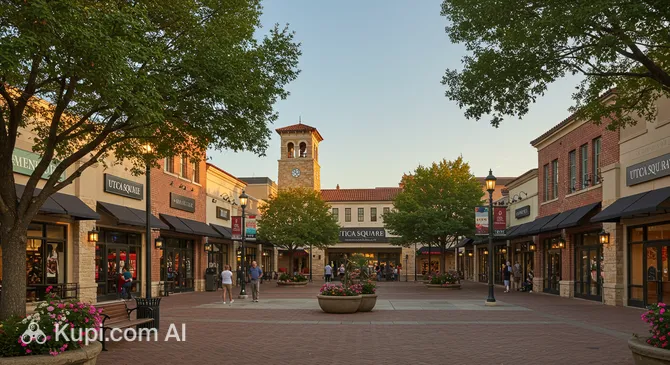
When it comes to major shopping centers, the city boasts some beautifully designed spaces. Utica Square is the undisputed crown jewel of Tulsa's shopping scene. This upscale, open-air lifestyle center features manicured gardens and clock towers, hosting a curated selection of luxury brands, department stores, and fine dining establishments. It offers a sophisticated atmosphere that feels more like a park than a mall.

Utica Square. Source: Kupi.Binoculars

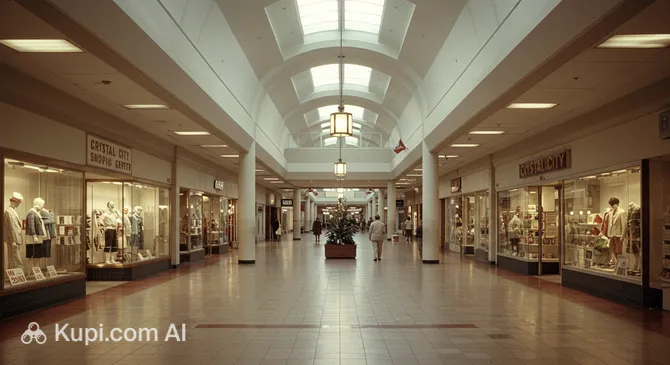
For a taste of history along with your shopping, the Crystal City Shopping Center is a significant landmark. Located on the famous Route 66, this center has served the community since the mid-20th century and stands as a testament to the city's roadside heritage. Recently revitalized, it offers a mix of local businesses and essential services, maintaining its retro Art Deco charm while catering to modern needs.

Crystal City Shopping Center. Source: Kupi.Binoculars

Markets play a vibrant role in the local culture. The Mother Road Market is a standout destination; while primarily a food hall, it frequently hosts pop-up shops and features a retail nook known as "Kitchen 66," where you can buy locally made food products. For fresh produce and handmade crafts, the Tulsa Farmers’ Market in the Kendall Whittier district is the place to be on Saturday mornings, offering a genuine connection with local growers and artisans.

If you are looking for the perfect souvenir, Tulsa has several signature items. Route 66 memorabilia is a classic choice, available in many shops along 11th Street. Additionally, the region's rich indigenous heritage makes Native American art and jewelry a meaningful gift; look for authentic pieces in museum shops or specialized galleries. For foodies, a bottle of local barbecue sauce or a bag of Oklahoma-grown pecans are delicious ways to bring a taste of the state home.

Most stores in the city operate on standard American business hours, typically opening from 10:00 AM to 9:00 PM on weekdays and Saturdays, with reduced hours on Sundays (often 12:00 PM to 6:00 PM). Payment is convenient, with credit and debit cards (Visa, MasterCard, American Express) accepted almost everywhere. Cash is useful for small purchases at outdoor markets.

Travelers should be aware that sales tax is added to the price of goods at the register. Unlike some other international destinations, the United States does not generally have a VAT refund system for tourists, and Oklahoma does not offer a specific sales tax refund program for international visitors. The price you see on the tag will be lower than the final total once the local sales tax is applied.

Reached the end of the page?

That means the route is fully explored