Support

Fort Chaffee

About

Fort Chaffee is a unique destination in western Arkansas that seamlessly blends significant historical heritage with modern development and natural beauty. Located just outside the city of Fort Smith within the scenic Arkansas River Valley, this area has transformed from a strictly military installation into a vibrant community hub known as Chaffee Crossing. Visitors to this part of the United States will find a fascinating mix of museums, outdoor recreation, and local culture against a backdrop of rolling hills and lush greenery.
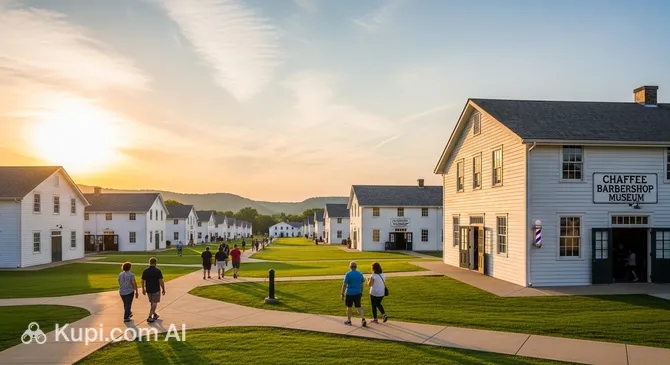
Fort Chaffee. Source: Kupi.Binoculars

The area is steeped in stories that span decades, from its origins as a training camp to its role in humanitarian efforts. To truly understand the depth of the local heritage, delving into the history of Fort Chaffee is essential for any visitor. One of the most famous historical footnotes occurred here when the "King of Rock and Roll," Elvis Presley, received his iconic induction haircut, an event commemorated at the popular Chaffee Barbershop Museum.

Beyond its historical landmarks, Fort Chaffee offers plenty of recreational opportunities. The Janet Huckabee Arkansas River Valley Nature Center is a highlight for nature lovers, offering trails, fishing, and interactive exhibits that showcase the region's diverse ecosystem. The revitalized district also features miles of walking and biking paths, along with a growing selection of local breweries and restaurants that create a lively atmosphere for relaxation.

Whether you are drawn by the intrigue of military history, the allure of nature trails, or simply the charm of a revitalized community, Fort Chaffee invites you to explore its many layers. It is a compelling stop for travelers seeking an authentic experience in the heart of Arkansas.

Weather Overview

The climate in this region is characterized by distinct seasons, offering a variety of atmospheric conditions for travelers throughout the year. Summers are generally hot and suitable for outdoor exploration, while the winter months bring cooler temperatures that require warmer clothing. For a more detailed breakdown to help you pack, you can consult the guide to weather in Fort Chaffee.

During the peak of summer, particularly in July and August, the area experiences its highest temperatures, with daily maximums often reaching around 32.6°C. These months are warm, with average temperatures hovering near 27°C. Conversely, January is typically the coldest month, where the average temperature drops to approximately 8.2°C, and nighttime lows can fall to around 3.5°C.

Rainfall is distributed throughout the year, with the frequency of wet days peaking in May, which sees about 14 days with precipitation. September tends to be the driest period in terms of frequency, with only about 6 wet days recorded. Overall, visitors should expect warm to hot summers with occasional rain and cool winters that are generally mild but require layers.

Interesting Facts

Beyond the main attractions, Fort Chaffee holds fascinating historical footnotes that might surprise even the most avid history buffs. This former military installation has played unexpected roles in cinema and international humanitarian efforts, offering stories that go far beyond standard military training.

  • Hollywood on the Base: The fort's authentic World War II-era appearance made it a prime location for major film productions. It served as the primary filming location for the 1984 movie A Soldier's Story and the 1988 film Biloxi Blues starring Matthew Broderick, utilizing the iconic white wooden barracks to perfectly recreate the atmosphere of 1940s army life.

  • A Massive Humanitarian Hub: Fort Chaffee served as a crucial sanctuary during global crises. Following the fall of Saigon in 1975, the base became a processing center for "Operation New Arrivals," providing temporary housing for over 50,000 refugees from Vietnam, Cambodia, and Laos, which dramatically—albeit temporarily—increased the local population.

  • German POW Camp: During World War II, the installation housed approximately 3,000 German prisoners of war. These prisoners were not just confined; they contributed to the local community by working in agriculture and maintaining the post, a lesser-known chapter of the fort's wartime utility.

How to Get There

Reaching Fort Chaffee involves a combination of air travel and a scenic drive through the Arkansas River Valley. While the destination itself is tucked away in a quieter part of the state, it is well-connected to several regional transportation hubs. Visitors planning their trip can find more specific details and logistics by checking the guide on how to get to Fort Chaffee.

The city of Fort Chaffee does not have its own airport, but you can fly into Northwest Arkansas Regional (XNA) in the city of Fayetteville, which is about 113 km from Fort Chaffee. This is often the most convenient option for travelers, with a travel time of approximately 1 hour and 20 minutes by taxi or rental car. Another significant gateway is Tulsa International Airport (TUL) in Tulsa, located roughly 155 km away. The drive from Tulsa typically takes about 1 hour and 45 minutes. For those arriving from the central part of the state, Bill and Hillary Clinton National Airport (LIT) in Little Rock is another major hub, situated approximately 224 km from the area, requiring a drive of around 2 hours and 30 minutes.

For clarity, here is a summary of the main airports:

Airport Name City Passenger Traffic Km from City
Tulsa International Airport Tulsa Medium 155.2
Northwest Arkansas Regional Fayetteville Medium 113.0
Bill and Hillary Clinton National Airport Little Rock Medium 224.2
Joplin Airport Joplin Small 206.8
Texarkana Municipal Airport Texarkana Small 210.8

Main Attractions

Chaffee Barbershop Museum is arguably the most famous landmark in the area, celebrated as the site where Elvis Presley received his first G.I. haircut after being inducted into the Army in 1958. This restored World War II-era building now serves as a museum, transporting visitors back to the 1950s with period-correct equipment and memorabilia. It is a must-visit for music fans and history enthusiasts alike, offering a tangible connection to a pivotal moment in pop culture history.

For those who prefer the outdoors, the Janet Huckabee Arkansas River Valley Nature Center offers an immersive experience into the region's natural beauty. Situated on 170 acres of land that was once part of the military base, the center features interactive exhibits, a massive aquarium, and engaging displays about the local ecosystem. Outside, visitors can explore miles of hiking trails, enjoy fishing at Wells Lake, or participate in archery and canoeing, making it a perfect spot for families and nature lovers.

Maness School House stands as a testament to the community's resilience and architectural heritage. Built in the late 1930s with distinctive native stone, this restored schoolhouse is one of the few remaining structures from the pre-military era in the immediate vicinity. It currently serves as a community gathering place and a historical site, offering a glimpse into the civilian life of the region before the massive military expansion of the 1940s.

Chaffee Crossing Historic District encompasses the core of the former military installation and allows visitors to walk through history. The district features rows of preserved white wooden barracks and administrative buildings that define the visual character of the area. Walking or driving through this district provides a sense of the scale of the operations that once took place here, while the repurposed buildings now hosting local businesses showcase a successful blend of preservation and modern revitalization.

Local Cuisine

The culinary landscape of Fort Chaffee, now largely known as the Chaffee Crossing district, offers a delightful fusion of traditional Southern comfort and modern gastronomic trends. As the area has transformed from a military installation into a vibrant community hub, it has attracted a wave of restaurateurs who have turned former barracks and administrative buildings into unique dining establishments. Visitors can expect a food scene that honors Arkansas heritage while embracing contemporary flavors.

When exploring the local menus, you cannot miss the staples of the Arkansas River Valley. Fried catfish is a regional favorite, often served golden-crisp with hushpuppies and creamy coleslaw, reflecting the area's proximity to the river. For a hearty meal, barbecue takes center stage, with slow-smoked meats slathered in savory sauces that vary from sweet to tangy. Additionally, classic chicken fried steak remains a beloved comfort dish, typically smothered in rich white gravy and served alongside mashed potatoes.

The beverage scene in Fort Chaffee has seen a significant boom, particularly with the rise of local craft brewing. The district is home to microbreweries that invite guests to sample locally brewed ales, lagers, and stouts in taprooms with a strong sense of community. For non-alcoholic options, sweet tea is practically the table wine of the South and is available almost everywhere. You will also find artisan coffee shops offering expertly roasted beans, perfect for a mid-day pick-me-up.

Dining here is as much about the atmosphere as it is about the food. The unique charm of Fort Chaffee lies in its setting; many eateries are housed in restored 1940s-era structures, providing a historic industrial backdrop to your meal. The area fosters a relaxed, social environment with ample outdoor patios and frequent food truck gatherings. Whether you are looking for a casual burger, authentic street tacos, or a sit-down dinner in a renovated warehouse, the district offers a welcoming experience for all palates.

Travel Tips

Welcome to Fort Chaffee, a destination where rich military history blends seamlessly with a revitalized community spirit in the Arkansas River Valley. To help you make the most of your visit to the historic district and the surrounding nature trails, here are some practical tips to ensure a smooth and enjoyable experience.

  1. Clothing and Gear: The climate in Arkansas can be quite variable, so packing layers is a smart strategy. Summers are typically hot and humid, requiring light, breathable fabrics and sun protection, while winters are mild but can be chilly, so a warm jacket is necessary. Since exploring the Chaffee Crossing Historic District and the Janet Huckabee Arkansas River Valley Nature Center involves a fair amount of walking, bring comfortable walking shoes or hiking boots.

  2. Transportation: The most convenient way to explore Fort Chaffee and the surrounding Fort Smith area is by rental car. Public transportation options are limited in this specific district, and attractions are spread out. Ride-hailing apps like Uber and Lyft are available, but having your own vehicle gives you the freedom to visit the museums and breweries at your own pace.

  3. Finances: The local currency is the US Dollar (USD). Credit and debit cards are widely accepted at the museums, restaurants, and shops within the Chaffee Crossing district. However, it is always useful to carry a small amount of cash for smaller purchases or tips. ATMs are readily available in the nearby towns of Barling and Fort Smith. Standard tipping etiquette applies: 15-20% is customary for restaurant service.

  4. Health and Safety: The area is generally very safe for tourists. For medical needs, there are pharmacies and clinics located just a short drive away in Fort Smith. If you plan to hike the trails at the nature center during warmer months, apply insect repellent to protect against ticks and mosquitoes. In case of any serious emergency, dial 911 for immediate assistance.

  5. Communication: English is the primary language spoken here, often with a friendly Southern accent. Wi-Fi is commonly available in the local cafes, breweries, and public buildings. If you are an international traveler, purchasing a SIM card from a major US carrier (like AT&T or T-Mobile) in a nearby city is recommended for reliable coverage, as the area is well-connected.

  6. Local Etiquette: The culture in this part of Arkansas is rooted in Southern hospitality. It is polite to greet people with a smile or a "hello" when entering a shop or passing on a trail. Using "please" and "thank you" is expected, and you may hear locals address others as "sir" or "ma'am," which is a sign of respect rather than formality.

  7. What to Avoid: Be mindful of boundaries. While much of Fort Chaffee has been redeveloped for public use, there is still an active Arkansas National Guard training facility nearby. Do not cross fences, ignore "Restricted Area" signs, or attempt to enter gated military zones, as this is strictly prohibited and enforced.

  8. Check Museum Hours: A specific tip for this location is to verify the opening hours of the Chaffee Barbershop Museum and other small historical sites before you go. Some of these attractions may have limited hours or may be closed on specific days of the week, so a quick check online can save you from disappointment.

By keeping these practical tips in mind, you will be well-prepared to explore the fascinating stories and scenic beauty of Fort Chaffee. Enjoy the unique mix of history, nature, and local culture that makes this Arkansas destination so special!

Entertainment & Nightlife

Nightlife in Fort Chaffee is centered primarily around the revitalized Chaffee Crossing Historic District. Unlike the high-energy club scenes found in larger metropolises, the evening entertainment here is defined by a relaxed, community-focused atmosphere. The area has transformed former military buildings into trendy social hubs, offering a unique industrial-chic setting where locals and visitors gather to unwind. The vibe is distinctively casual and welcoming, making it an ideal destination for those who prefer craft beverages, live acoustic music, and conversation over thumping bass and neon lights.

The heart of the local social scene beats at venues like the Fort Smith Brewing Company. Located within the historic district, this brewery is a favorite gathering spot that often features local food trucks and hosts trivia nights or small concerts. It captures the essence of the area's transformation, serving a variety of craft beers in a laid-back environment. Another standout location is Uncork’d, a sophisticated yet accessible spot that combines a wine and bourbon bar with a tapas-style menu. It is perfect for a slightly more upscale evening, often featuring live music on the patio, allowing guests to enjoy the Arkansas weather with a glass of fine wine or a craft cocktail.

For a successful night out, the best time to visit is typically Friday or Saturday evening when the district is most lively. The dress code throughout Chaffee Crossing is almost universally casual; jeans and a nice top are perfectly appropriate even for the nicer dining spots. Prices are generally moderate and affordable compared to bigger cities. Since the attractions are somewhat spread out within the development, having a car is the most practical way to get around, though ride-sharing services like Uber and Lyft are available and reliable for getting back to your accommodation safely.

Safety is one of the strong suits of the Fort Chaffee area. The district is well-lit, clean, and generally considered very safe for evening walks, particularly around the main commercial avenues where the restaurants and breweries are clustered. While the area is pedestrian-friendly near the venues, the distances between different sections of the crossing mean you will likely drive or take a taxi between major points of interest.

Before the sun goes down, the area offers engaging daytime entertainment that complements its nightlife. Visitors can immerse themselves in history at the Chaffee Barbershop Museum or enjoy the outdoors at the Janet Huckabee Arkansas River Valley Nature Center. These daytime activities provide a perfect balance, allowing you to explore the cultural and natural heritage of the region before settling in for a relaxing evening at one of the district's inviting taprooms or restaurants.

Parks & Museums

Fort Chaffee offers a fascinating blend of outdoor recreation and preserved heritage, transforming its former military grounds into a destination where visitors can explore both nature and history. The area is defined by its successful redevelopment, which has turned training fields into lush parks and barracks into museums, creating a unique cultural landscape in the Arkansas River Valley.

Janet Huckabee Arkansas River Valley Nature Center is the crown jewel of the area's green spaces. Sitting on 170 acres of land that was once part of the military base, this center is dedicated to the region's diverse ecosystem. Visitors can walk along the trails that wind through oak-hickory forests or relax by Wells Lake, a popular spot for fishing and canoeing. Inside, the center features interactive exhibits that educate guests about local wildlife, making it an engaging stop for families and nature enthusiasts.

Just adjacent to the district lies Ben Geren Regional Park, a massive recreational area that serves as a playground for outdoor adventurers. Spanning over 1,300 acres, it offers an extensive network of paved and rugged trails perfect for mountain biking and hiking. The park is also known for its top-tier disc golf courses and Torraine Lake. Its proximity to the Chaffee Crossing area makes it an easy addition to any itinerary, offering a seamless transition from historical tours to active recreation.

For those interested in the area's storied past, the Chaffee Barbershop Museum is an essential stop. Restored to its authentic 1950s appearance, this building is world-famous as the site where Elvis Presley received his first G.I. buzz cut in 1958. Beyond the "King's" haircut, the museum serves as a repository for the base's broader history, featuring exhibits on the thousands of refugees from Vietnam and Cuba who were processed here, providing a moving look at the site's humanitarian role.

Another significant cultural venue is the Museum of Chaffee History. Located within the Chaffee Crossing Historic District, this facility houses the largest collection of artifacts, photographs, and documents related to the installation. It covers the base's timeline from World War II through the modern era, including its surprising history as a film set for major Hollywood productions like Biloxi Blues and A Soldier's Story. The museum offers a comprehensive deep dive for anyone wanting to understand the strategic and social importance of the fort.

Architecture and history buffs should not miss the Maness School House. Built in 1937 by the Works Progress Administration (WPA), it is the only structure from the pre-military community of Massard that was not removed when the base was built. The building is unique for its stone construction and its rear porch, which was added in 1943 by German prisoners of war held at the camp. Today, it stands as a beautifully restored monument to the civilian life that existed before the army arrived.

For a truly authentic experience, look closely at the concrete on the porch of the Maness School House. You can still see the names and dates etched into the stone by the German POWs who built it, a tangible and personal connection to a specific moment in World War II history that many visitors overlook.

Getting Around

Navigating Fort Chaffee and the surrounding Chaffee Crossing district differs significantly from exploring a densely populated metropolis. The public transport options here are relatively limited, reflecting the area's layout as a sprawling, redeveloped community rather than a traditional city center. There is no underground metro, tram, or trolleybus system. Instead, the primary mode of public transportation is the bus network operated by Fort Smith Transit, which connects the district with the broader region.

The bus service operates on fixed routes that cover key commercial and residential areas. While reliable, the frequency of these buses is less intense than in major urban hubs, typically running once an hour on specific lines. For visitors, this means that using the bus requires a bit of advanced planning. Schedules are generally aligned with standard business hours, starting early in the morning and winding down in the early evening, with significantly reduced or no service on Sundays and major holidays.

Regarding payment, the system is straightforward and budget-friendly. Fares are inexpensive, usually costing just over a dollar for a single ride. It is essential to carry cash, specifically coins and small bills, as the drivers do not carry change. You simply drop the exact fare into the farebox upon boarding. For those planning to use the bus frequently, multi-ride passes or monthly tickets can be purchased at the main transit office or select municipal buildings, offering a convenient way to save money and avoid the hassle of finding exact change for every trip.

Given the spread-out nature of the attractions and the limited reach of the bus network, most visitors find that alternative transport methods are more efficient. Ride-sharing apps like Uber and Lyft are widely available and popular, providing a flexible way to get from the historic barracks to the nature center or local breweries without adhering to a bus schedule. Traditional taxi services are also operational, though they typically require a phone call to arrange a pickup rather than being hailed on the street.

For a more active approach, the district is becoming increasingly known for its walkability and bike-friendliness. An expanding network of multi-use trails connects many of the residential areas, parks, and commercial hubs within Chaffee Crossing. Renting a bike or simply walking is often the most pleasant way to explore the immediate vicinity, allowing you to enjoy the scenery and historic architecture at your own pace, although a car or taxi remains the best option for reaching destinations further afield.

Accommodation

Accommodation options for visitors to Fort Chaffee are primarily concentrated in the surrounding communities, particularly in the adjacent city of Fort Smith and the town of Barling. While the Chaffee Crossing district itself is a rapidly developing hub of history and commerce, the bulk of lodging facilities are located just a short drive away. Travelers can expect a broad selection of properties ranging from reliable budget motels to comfortable mid-range chain hotels and extended-stay suites designed for longer visits.

For the most convenient access to the historic district and nature center, many tourists choose to stay along the Rogers Avenue corridor or near the junction of Interstate 540 in Fort Smith. Staying in this area offers the best of both worlds: it places you within a 10 to 15-minute drive of the museums and breweries at Fort Chaffee, while also providing easy access to a wide variety of dining and shopping options. There are also a few smaller inns and guest houses closer to the Barling side for those seeking a quieter atmosphere.

When planning your stay, it is a good idea to book your accommodation in advance, especially during the summer months or when large events are taking place at the Chaffee Crossing Historic District. The area occasionally hosts festivals, marathons, and community gatherings that can increase the demand for local rooms. Additionally, since the location is near active National Guard facilities, checking for major training exercises that might impact availability is a smart precaution.

The price range for lodging in this region is generally very reasonable, catering largely to budget-conscious travelers and families. You will typically find standard mid-range pricing, with very few ultra-luxury options. Booking is straightforward, with most establishments available through major online travel platforms or direct websites. Whether you are here for the history or the hiking trails, you will find clean and accessible places to rest after a day of exploration.

Nearby Cities

For those looking to explore the surroundings, Fort Chaffee serves as an excellent base for day trips to several interesting nearby locations.

The most immediate destination is Fort Smith, located just a short drive away. As a city rich in frontier history, it offers visitors the chance to explore the Fort Smith National Historic Site and the U.S. Marshals Museum. Its downtown area is known for its vibrant street art, historic architecture, and lively festivals, making it an easy and rewarding extension to a visit to Fort Chaffee.

Further north, Bentonville has become a major cultural hub worth the drive. It is home to the world-renowned Crystal Bridges Museum of American Art, which features stunning architecture and extensive trails. The city also boasts a charming town square filled with unique boutiques and culinary delights, along with the Walmart Museum for those interested in retail history.

Another excellent option for a day trip is Rogers. This city offers a blend of historic charm in its brick-paved downtown and modern amenities at the Pinnacle Hills Promenade. For outdoor enthusiasts, it serves as a gateway to Beaver Lake, providing opportunities for fishing, boating, and hiking amidst beautiful Ozark scenery.

City Population Distance (km)
Fort Smith 127699 18
Broken Arrow 112751 139
Springdale 85887 106
Rogers 68340 123
Bentonville 52565 125

These nearby destinations offer a glimpse into the diverse culture and landscapes of the region.

Shopping & Souvenirs

Shopping in Fort Chaffee offers a distinct experience that mirrors the area's transformation from a military base to a vibrant community hub known as Chaffee Crossing. Rather than vast commercial strips or high-end luxury avenues, visitors will find a curated selection of local businesses, specialty boutiques, and service-oriented shops integrated into the historic landscape. The retail atmosphere here is relaxed and personal, focusing on unique finds and local craftsmanship rather than mass-market goods, which are easily accessible in the immediate vicinity.

The primary destination for browsing is the Chaffee Crossing Historic District. As you walk among the restored World War II-era buildings, you will discover a variety of small businesses that have set up shop in the former barracks and administrative offices. This area is perfect for a leisurely stroll, where you might stumble upon a photography studio, a local salon offering beauty products, or a boutique selling home decor and gifts. The setting provides a charming backdrop that makes even a quick shopping trip feel like a tour through history.

For those seeking a more traditional retail experience with major brands and department stores, the best option is to take a short drive to the adjacent city of Fort Smith. The Central Mall serves as the regional shopping hub, featuring a wide array of clothing stores, electronics retailers, and a food court. It is located just a few minutes away from the Fort Chaffee area and provides everything a traveler might need, from travel essentials to the latest fashion trends.

While Fort Chaffee itself does not host a permanent daily market, the community spirit often shines through in seasonal events and pop-up markets held within the district. For a regular taste of local commerce, the nearby Fort Smith Farmers Market operates year-round on certain days. It is an excellent place to find fresh produce from the Arkansas River Valley, handmade artisan crafts, and baked goods, offering a genuine connection to the local agricultural community.

When looking for souvenirs to take home, the best items are those that reflect the unique heritage of the site. The gift shop at the Chaffee Barbershop Museum is a treasure trove for history buffs and music fans, offering Elvis Presley memorabilia and military-themed keepsakes. Additionally, merchandise from local producers, such as branded apparel or growlers from the Fort Smith Brewing Company, makes for a practical and memorable memento of your visit to the "Beer Capital of Arkansas."

Standard shopping hours in the area typically run from 10:00 AM to 6:00 PM for smaller independent boutiques, often closing on Sundays or Mondays. Larger centers nearby, like the Central Mall, usually remain open until 9:00 PM. Payment is convenient, with major credit and debit cards (Visa, MasterCard, American Express) being universally accepted. Cash is rarely necessary except perhaps for very small vendors at a farmers market.

Travelers should be aware that the United States operates on a sales tax system where the tax is added at the register, rather than being included in the price tag. In Arkansas, the combined state and local sales tax can be around 9.5% or higher depending on the specific location. Unlike in many European countries, there is generally no sales tax refund scheme available for international tourists upon departure, so the price you pay at the counter is final.

Reached the end of the page?

That means the route is fully explored