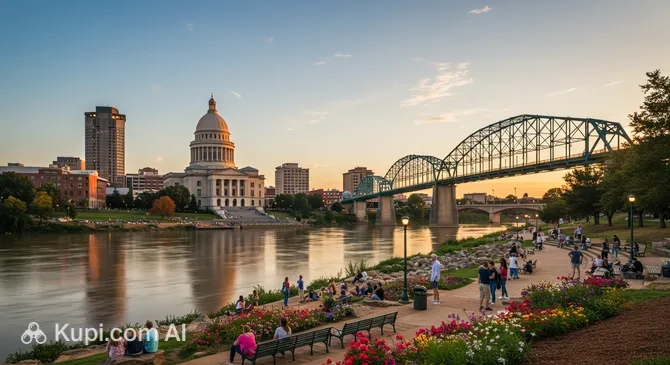
Little Rock, the capital and most populous city of Arkansas, sits gracefully on the banks of the Arkansas River. As a cultural and economic hub in the southern United States, it offers visitors a delightful blend of Southern hospitality, outdoor adventure, and urban sophistication. The city is perfectly positioned where the Mississippi Delta meets the Ouachita Mountains, providing a scenic backdrop and a temperate climate that invites exploration year-round.
Little Rock. Illustration.
Source: Kupi.com AI
Exploring the history of Little Rock reveals a city that has played a pivotal role in the nation's narrative, yet today it stands as a forward-looking metropolis. Visitors are often drawn to the William J. Clinton Presidential Library and Museum, a striking architectural feat that cantilevers over the river and houses extensive archives. For a taste of local life, the River Market District is the heart of the city's entertainment, featuring an array of international cuisine, charming boutiques, and a lively farmers' market.
Nature enthusiasts will appreciate the proximity to Pinnacle Mountain State Park, which offers panoramic views and rugged trails just a short drive from downtown. Whether you are strolling along the scenic Arkansas River Trail or immersing yourself in the local culture, Little Rock welcomes every traveler with open arms and a promise of unforgettable memories.
Weather Overview
Planning a trip requires knowing what to expect from the elements, and the weather in Little Rock is generally characterized by four distinct seasons. The city experiences hot summers, with July being the warmest month, featuring an average temperature of 28.3°C and highs reaching up to 33.0°C. Conversely, winters are cool but usually manageable, with January seeing average lows of 1.7°C and daily highs around 10.8°C.
Rainfall is a regular occurrence throughout the year, though patterns shift slightly with the seasons. Spring tends to be the wettest period in terms of frequency, with May averaging about 14 wet days, while autumn offers a slightly drier climate, as September and October typically see only 8 wet days each. Expect hot summers with regular showers and cool winters that require a warm coat.
Average monthly temperature
Average monthly precipitation
Interesting Facts
Beyond the well-trodden paths of the riverfront, Little Rock holds fascinating stories that define its unique character. This Southern capital is home to quirky origins and historical milestones that often go unnoticed by the casual observer.
The city literally lives up to its name, which dates back to 1722. French explorer Jean-Baptiste Bénard de la Harpe identified a rock formation on the riverbank as "La Petite Roche" (the little rock) to distinguish it from a larger bluff upstream, using it as a landmark that eventually christened the settlement.
Little Rock claims a delicious piece of culinary history as the birthplace of cheese dip. Local lore suggests this popular appetizer was invented here in the mid-1930s, and the city takes this heritage so seriously that it hosts the annual World Cheese Dip Championship.
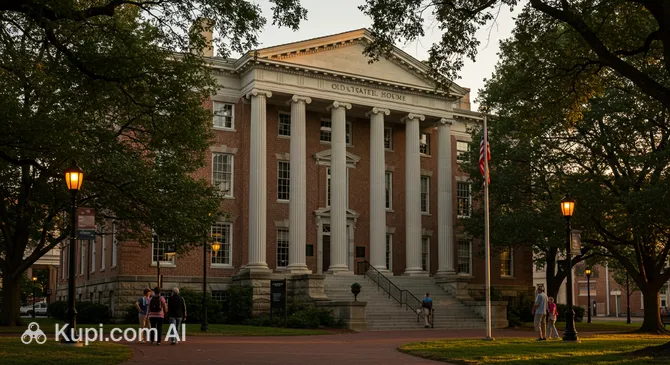
The Old State House Museum holds the distinction of being the oldest standing state capitol building west of the Mississippi River. It witnessed Arkansas's admission to the Union and served as the seat of government until the new capitol was constructed in the early 20th century.
Architecturally, the Clinton Presidential Library is designed to resemble a bridge. The glass-and-steel structure cantilevers dramatically over the Arkansas River, symbolizing a connection to the 21st century and echoing the "six bridges" that span the river in the downtown area.
Old State House Museum. Illustration.
Source: Kupi.com AI
Traveler photos:
How to Get There
Reaching Little Rock is quite convenient, as the city serves as a central transportation hub for Arkansas. Whether you are arriving by air or planning a road trip through the southern United States, there are several efficient ways to reach the capital. You can find all ways to reach the city and detailed travel tips on our dedicated page.
The primary entry point for air travelers is the Bill and Hillary Clinton National Airport (IATA: LIT). Located just 6 km from the heart of Little Rock, it offers the most direct access to the city. This busy regional hub welcomes a significant number of passengers annually, ensuring frequent connections. Once you land, a taxi or shuttle ride to the downtown area is quick, typically taking about 30 minutes depending on traffic.
For those who cannot find a direct flight to Little Rock, the Memphis International Airport (IATA: MEM) in Memphis serves as a major alternative. It is located approximately 213 km away. While it requires an additional transfer, this large airport offers a wider range of flight options. Renting a car and driving to Little Rock from Memphis takes about 2 hours via the interstate highway.
For clarity, here is a summary of the main airports serving the region:
Beyond air travel, Little Rock is easily accessible by car and rail. The city sits at the intersection of Interstate 30 and Interstate 40, making it a straightforward drive from neighboring states. Additionally, the city is served by Amtrak's Texas Eagle line, which stops at Union Station, providing a scenic and relaxing rail option for visitors coming from Chicago, San Antonio, or intermediate points.
Main Attractions
Little Rock offers a diverse array of sights that blend deep historical significance with modern entertainment. From pivotal landmarks of the Civil Rights Movement to lively riverside districts, the city provides enriching experiences for travelers of all interests.
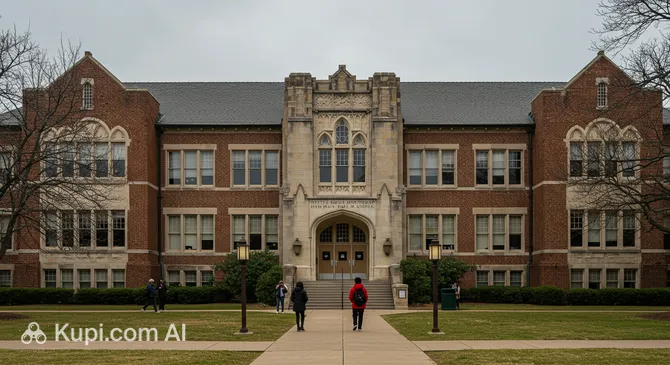
One of the most important historical sites in the country is the Little Rock Central High School National Historic Site. This functioning high school became a focal point of the Civil Rights Movement in 1957. Today, it stands as a powerful symbol of the struggle for equality. Visitors can explore the visitor center, which features interactive exhibits and oral histories that detail the courage of the Little Rock Nine, offering a profound educational experience.
Little Rock Central High School National Historic Site. Illustration.
Source: Kupi.com AI
Traveler photos:
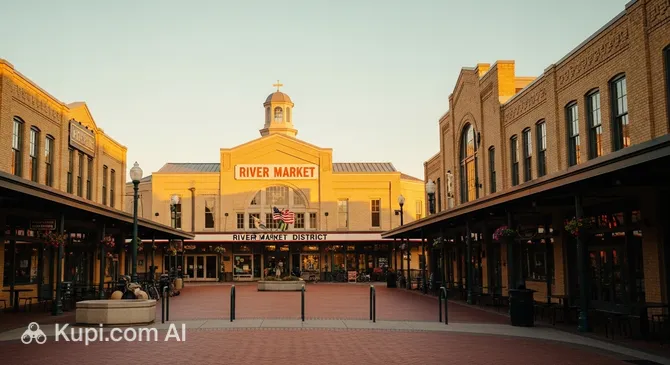
For a change of pace, the River Market District serves as the city's unofficial cultural center. Located downtown along the Arkansas River, this vibrant area is packed with restaurants, shops, and nightlife venues. By day, you can browse the Ottenheimer Market Hall for international cuisine or fresh produce; by night, the district comes alive with music and entertainment, making it a favorite gathering spot for locals and tourists alike.
River Market District. Illustration.
Source: Kupi.com AI
Traveler photos:
Maritime enthusiasts will find a unique treasure at the Arkansas Inland Maritime Museum. Situated in North Little Rock, just across the river, this museum is the only place in the world where you can see two floating vessels that served in the beginning and end of World War II. The highlight is the USS Razorback, a historic submarine that visitors can tour to get a firsthand feel for life underwater.
Families and animal lovers should not miss the Little Rock Zoo. Home to over 700 animals representing 200 species, the zoo is dedicated to conservation and education. Highlights include the penguin exhibit, the cheetah outpost, and the Arkansas Heritage Farm, which allows children to interact with farm animals and learn about the state's agricultural roots.
Local Cuisine
Little Rock's culinary scene is a savory exploration of Southern heritage, famously headlined by its status as the "Cheese Dip Capital of the World." Unlike the queso found elsewhere, the local version is a distinct culinary treasure, and sampling this creamy, spiced appetizer is practically a rite of passage for any visitor. It appears on menus throughout the city, serving as the perfect introduction to the region's love for rich and comforting flavors.
Beyond the famous dip, the city excels in classic Southern staples. You can expect to find perfectly golden fried catfish, often served with hushpuppies, as well as mouth-watering barbecue that falls off the bone. For those seeking a local favorite with a long history, Bruno's Little Italy offers authentic Italian dishes that have been a staple of the Little Rock dining scene for generations, blending family recipes with a welcoming atmosphere.
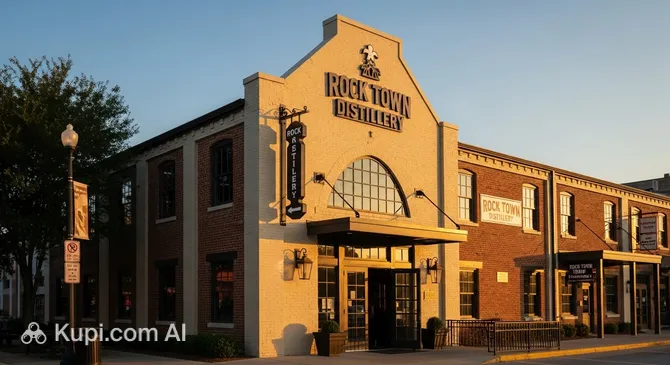
The beverage culture in Little Rock is equally impressive, catering to both craft beer enthusiasts and spirit connoisseurs. Rock Town Distillery stands out as the first legal distillery in Arkansas since prohibition, crafting award-winning bourbons, vodkas, and gins from locally grown corn and wheat. For beer lovers, Lost Forty Brewing provides a lively beer hall experience with a selection of bold, locally inspired ales.
Rock Town Distillery. Illustration.
Source: Kupi.com AI
Traveler photos:
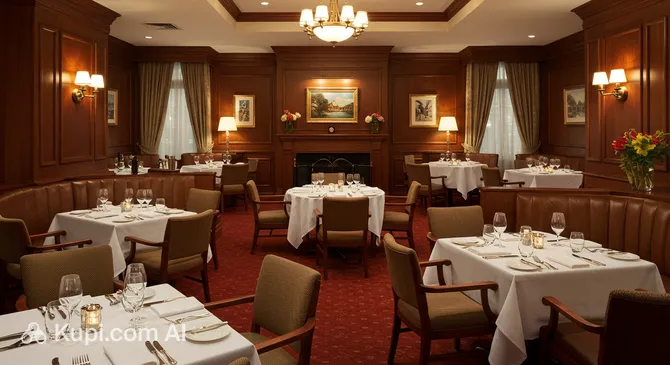
Dining in the city ranges from casual eateries to sophisticated establishments that embody Southern elegance. The historic Capital Hotel is a culinary landmark where guests can enjoy refined Southern cuisine in a beautifully restored setting. Whether you are sipping sweet tea on a patio or enjoying a fine meal downtown, the food culture in Little Rock is defined by its warmth and hospitality.
Travel Tips
Visiting Little Rock is a welcoming experience filled with Southern charm, but a few practical insights can make your trip even smoother and more enjoyable. From navigating the city's neighborhoods to understanding local customs, these tips will help you travel like a pro in the capital of Arkansas.
Clothing and Gear: The climate varies significantly, so pack accordingly. Summers are hot and humid, making breathable fabrics and sun protection essential, while winters are generally mild but require layers and a light coat. If you plan to explore the Arkansas River Trail or Pinnacle Mountain, bring sturdy, comfortable walking shoes.
Transportation: While downtown is walkable and serviced by the charming Rock Region METRO Streetcar, renting a car is the most convenient way to explore the wider city and surrounding natural areas. Rideshare apps like Uber and Lyft are readily available, but public bus service can be limited outside the city center.
Finances: The official currency is the US Dollar (USD). Credit and debit cards are widely accepted at almost all establishments, from museums to food trucks. ATMs are plentiful, and it is customary to tip servers 15-20% in restaurants, as gratuity is rarely included in the bill.
Health and Safety: Little Rock is generally safe for tourists, especially in popular areas like the River Market District, but it is wise to stay in well-lit areas at night and be aware of your surroundings. Pharmacies like Walgreens and CVS are easy to find for minor health needs, and 911 is the universal number for police, fire, or medical emergencies.
Communication: English is the primary language, often spoken with a warm Southern accent. Free Wi-Fi is commonly available in hotels, cafes, and public spaces like the library. If you are visiting from abroad, a prepaid SIM card can be purchased at major electronics stores or the airport.
Local Etiquette: Southern hospitality is a real and valued part of the culture here. It is polite to greet people with a smile or a "hello" when entering a shop or passing on the street. Using "please," "thank you," and occasionally "ma'am" or "sir" is appreciated and reflects the local norm of respect.
What to Avoid: Do not underestimate the summer heat and humidity; rushing around midday in July or August can lead to dehydration quickly. Also, avoid being impatient or rude with service staff; the pace of life here is slightly more relaxed, and friendliness goes a long way.
Additional Tip: Take advantage of the River Rail Streetcar system. It is not just a mode of transport but a fun attraction that connects Little Rock with North Little Rock across the river, offering great views and easy access to dining and entertainment on both sides.
By keeping these practical tips in mind, you will be well-prepared to relax and soak in the rich history and vibrant culture of the city. Whether you are here for the famous cheese dip or the scenic river views, Little Rock is ready to make you feel right at home.
Entertainment & Nightlife
When the sun sets over the Arkansas River, Little Rock transforms into a vibrant hub of evening entertainment. The city's nightlife is anchored primarily in the River Market District, where the streets come alive with music, laughter, and the clinking of glasses. This walkable area is the epicenter of the action, offering a diverse mix of lively pubs, dance clubs, and laid-back patios that cater to everyone from college students to young professionals and tourists.
For those seeking a high-energy atmosphere, Willy D's Piano Bar is a local favorite located right in the heart of the district. It is famous for its dueling piano shows where audience participation is not just encouraged but expected. The crowd here is usually boisterous and fun-loving, making it an excellent spot for groups or celebrations. If you prefer a venue with deep roots in the local music scene, the White Water Tavern is a legendary spot. Known for its authentic jukebox, cold beer, and history of hosting incredible live folk and rock performances, it offers a more rustic and intimate "dive bar" experience that feels quintessentially Arkansan.
Willy D's Piano Bar. Illustration.
Source: Kupi.com AI
Traveler photos:
Night owls looking to extend the evening often find their way to Midtown Billiards. This historic establishment is renowned for staying open late—often until 5:00 AM—and serving arguably the best burgers in town to a late-night crowd. It is a place where the atmosphere is unpretentious, the dress code is casual, and the pool tables are always busy. For larger scale entertainment, the Bank Arena (often referred to as Simmons Bank Arena) in North Little Rock hosts major concerts, comedy acts, and touring shows just across the river.
Practicalities for a night out in Little Rock are straightforward. The dress code in most bars and clubs is "smart casual," with very few places requiring formal attire. Prices are generally moderate compared to larger US cities; expect to pay between $5 and $10 for a cocktail or beer. While the River Market is safe for walking during the early evening, it is advisable to use rideshare services like Uber or Lyft if you are staying out late or moving between districts, such as heading from downtown to the trendy SoMa (South Main) area.
Beyond the nightlife, the city offers plenty of daytime entertainment to fill your schedule before dinner. Cultural enthusiasts can enjoy performances at the Arkansas Repertory Theatre or catch a Broadway-style show at the Robinson Center. For families or those seeking lighthearted fun, the local amusement parks and green spaces offer a relaxing break from the urban environment, ensuring that from dawn until dawn, there is always something to do in the capital city.
Parks & Museums
Little Rock boasts a remarkable balance between urban sophistication and natural beauty, offering visitors a wealth of green spaces and cultural institutions. The city is dedicated to preserving its history and environment, resulting in a landscape where world-class museums sit comfortably alongside sprawling parks and scenic riverfronts.
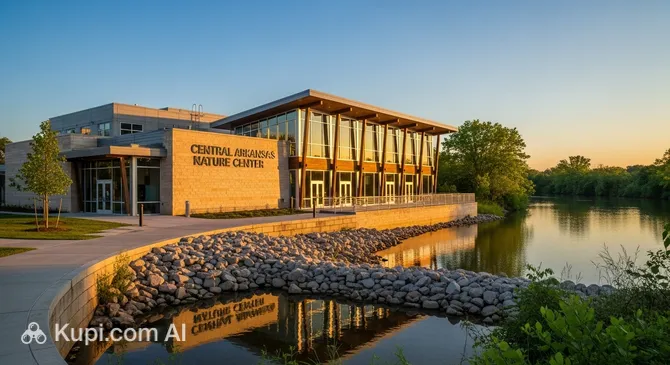
For those looking to explore the local environment without leaving the downtown area, the Central Arkansas Nature Center is a must-visit. Located within the River Market District, this facility focuses on the diverse wildlife and landscapes of the state. It features both indoor and outdoor exhibits, including aquariums that showcase native fish and a bird-watching area that overlooks the Arkansas River, making it a perfect spot to understand the region's natural heritage.
Central Arkansas Nature Center. Illustration.
Source: Kupi.com AI
Traveler photos:
If you prefer a more rugged outdoor experience, Allsopp Park offers a refreshing escape into the woods right in the heart of the city. This expansive park is divided into two sections and is renowned for its network of paved and unpaved trails that wind through ravines and dense forests. It is a favorite among locals for hiking, mountain biking, and picnicking, providing a serene atmosphere that feels miles away from the urban bustle.
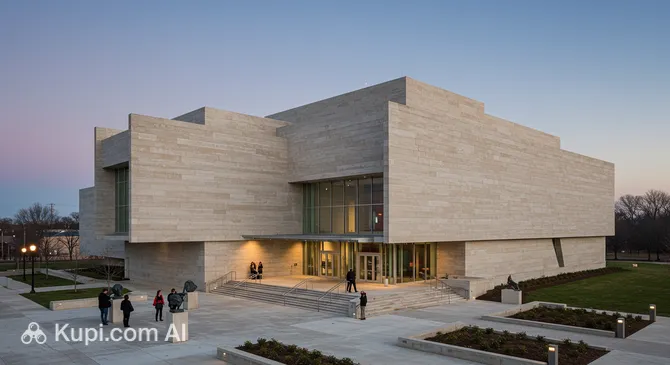
Culturally, the city is anchored by the stunning Arkansas Museum of Fine Arts. Situated in historic MacArthur Park, this institution recently underwent a major transformation and now stands as an architectural landmark in its own right. Inside, visitors can admire an impressive collection of drawings, contemporary crafts, and works that span centuries. The museum also hosts a dynamic schedule of theater performances and art classes, serving as a vibrant hub for creativity.
Arkansas Museum of Fine Arts. Illustration.
Source: Kupi.com AI
Traveler photos:
To delve deeper into the state's political history, a visit to the Old State House Museum is essential. Housed in the original state capitol building, which is a masterpiece of Greek Revival architecture, the museum chronicles Arkansas history from statehood to the present. Exhibits range from inaugural gowns of governors' wives to intricate displays on the building's own storied past, offering a fascinating glimpse into the events that shaped the region.
For a unique insider experience, consider visiting the sculpture garden at the Arkansas Museum of Fine Arts during the golden hour. The interplay of light on the modern sculptures and the surrounding historic park creates a tranquil and photogenic moment that many tourists miss.
Getting Around
Navigating Little Rock is relatively straightforward, with the public transportation system primarily managed by Rock Region METRO. The network consists of fixed-route buses that cover the greater metropolitan area, as well as a charming streetcar system that is particularly useful for visitors. While the city is spread out and often best explored by car, the public transit options provide a convenient and budget-friendly way to access key downtown attractions and neighborhoods.
For tourists, the highlight of the transport system is undoubtedly the METRO Streetcar. These vintage-replica trolleys offer a scenic and nostalgic way to travel between the downtown areas of Little Rock and North Little Rock. The route crosses the Arkansas River, connecting popular destinations such as the River Market District, the Clinton Presidential Library, and the historic Argenta district. Best of all, the streetcar is currently fare-free, making it an excellent hop-on, hop-off option for sightseeing without the need to purchase tickets.
The bus network, known as METRO Local, serves a wider area beyond the downtown core. If you plan to use the bus, the payment system is simple but strict regarding cash: fareboxes accept bills and coins, but they do not issue change, so you must have the exact amount. A standard single ride costs approximately $1.35, while a day pass is around $3.75. For a more seamless experience, it is highly recommended to download the TOKEN Transit mobile app. This allows you to purchase passes digitally on your smartphone and simply show your screen to the driver upon boarding, eliminating the need to carry cash.
In addition to traditional buses, the city offers a microtransit service called METRO Connect. This is an on-demand ride-sharing service similar to a taxi but operated by the public transit authority within specific zones. It can be booked via a dedicated app and is a good alternative for reaching areas where fixed bus routes are less frequent. However, for maximum flexibility, especially if you plan to visit Pinnacle Mountain or outer suburbs, renting a car or using private rideshare apps like Uber and Lyft is often the most practical choice.
Travelers should be aware that public transport schedules vary significantly by day. Bus services are most frequent on weekdays during business hours, with reduced service on Saturdays and limited routes on Sundays. It is advisable to check the latest timetables on the Rock Region METRO website or use Google Maps for real-time planning. If you are staying within the downtown and riverfront areas, walking and using the free streetcar are usually sufficient, but keep an eye on the streetcar's operating hours, as it typically stops running late in the evening.
Accommodation
Where to Stay:
Finding the perfect place to stay in Little Rock is relatively easy, as the city offers a wide range of accommodation options to suit every budget and travel style. Visitors can choose from historic luxury properties and reliable international hotel chains to budget-friendly motels and charming vacation rentals. Whether you prioritize proximity to the riverfront attractions or prefer the quiet convenience of the suburbs, the city is well-equipped to host you.
For most tourists, the Downtown and River Market District areas are the most convenient locations. Staying here places you within walking distance of major sights like the Clinton Presidential Library, the Museum of Discovery, and a plethora of dining options. This area is ideal for those who want to immerse themselves in the city's vibrant atmosphere without relying heavily on a car. Just across the river, the Argenta Arts District in North Little Rock offers a trendy, artsy alternative with boutique vibes and easy access to downtown via the streetcar.
Capital Hotel. Illustration.
Source: Kupi.com AI
Traveler photos:
Travelers seeking a touch of Southern elegance often look to the city's historic accommodations. The Capital Hotel is the undisputed "Grand Dame" of Little Rock hospitality. Operating since the 1870s, it combines Gilded Age architecture with modern luxury, serving as a landmark where history and comfort meet. Even if you do not stay here, the lobby and facade are worth admiring.
For those visiting on business or with a family, West Little Rock is another popular area. Located a short drive from the city center along the I-430 and I-630 corridors, this district features numerous modern mid-range hotels, shopping centers, and restaurants. It is a practical choice if you have a rental car and prefer larger rooms or lower rates compared to the downtown core.
Accommodation prices in Little Rock are generally affordable compared to larger US tourist destinations. Budget travelers can find motels and economy stays ranging from $60 to $100 per night. Mid-range hotels, which make up the bulk of the inventory, typically cost between $100 and $180. Luxury or historic stays can range from $200 upwards. Booking is usually straightforward through major online platforms, but it is a smart tip to book at least a few weeks in advance if you plan to visit during the pleasant spring and autumn months, when conferences and festivals are most frequent.
Nearby Cities
For those looking to explore the surroundings, Little Rock serves as an excellent base for day trips to several interesting nearby locations. The central location of the capital allows travelers to easily reach diverse destinations, ranging from historic spa towns to vibrant college communities, all within a short drive.
One of the most popular excursions is to Hot Springs, located approximately an hour southwest of the capital. This historic city is famous for Hot Springs National Park, which uniquely encompasses the downtown area. Visitors can stroll along the iconic Bathhouse Row to admire the early 20th-century architecture, soak in the thermal waters, or explore the surrounding Ouachita Mountains. The city also has a fascinating history involving baseball legends and prohibition-era gangsters, which is well-documented in local museums.
To the north lies Conway, often referred to as the "City of Colleges" due to its three institutions of higher learning. This youthful energy is reflected in a lively downtown filled with antique shops, boutiques, and diverse dining options. For outdoor enthusiasts, the nearby Lake Conway offers excellent fishing opportunities, while Cadron Settlement Park provides scenic trails and a glimpse into the region's pioneer history.
City
Population
Distance
North Little Rock
64 444
2 km
Maumelle
19 070
17 km
Bryant
20 399
24 km
Benton
34 746
33 km
Cabot
26 411
36 km
These nearby destinations offer a glimpse into the diverse culture and landscapes of the region, making them perfect additions to your Arkansas itinerary.
Shopping & Souvenirs
Shopping in Little Rock offers a delightful variety of experiences, ranging from hunting for antiques in historic bungalows to browsing high-end fashion in modern lifestyle centers. The city provides a relaxed retail environment where visitors can find everything from unique local crafts to major international brands, all served with a side of Southern hospitality.
For a mix of shopping and sightseeing, the River Market District is a primary destination. While famous for its food, the area also features an array of eclectic boutiques and souvenir shops. Just a short drive away, the historic neighborhoods of Hillcrest and The Heights offer a more intimate experience. These walkable districts are lined with charming cottages converted into specialty stores, art galleries, and antique shops, making them perfect for finding one-of-a-kind home decor and fashion.
Travelers looking for a comprehensive retail experience should head to The Promenade at Chenal in West Little Rock. This upscale, open-air lifestyle center features a wide selection of luxury brands, popular chains, and fine dining options in a beautifully landscaped setting. Alternatively, Park Plaza Mall provides a traditional enclosed shopping environment with multi-story department stores and a variety of apparel retailers, conveniently located in the midtown area.
The local market scene is vibrant and centered around the Little Rock Farmers Market, located in the pavilions of the River Market. Open seasonally, this market is the best place to find fresh Arkansas produce, handmade jewelry, and artisan crafts. It serves as a community hub where you can meet local makers and purchase authentic goods directly from the source.
When searching for the perfect souvenir, there are several distinctly local options. Merchandise featuring the University of Arkansas "Razorback" is a local staple and makes for a spirited keepsake. For history buffs, the museum store at the Clinton Presidential Library offers a curated selection of political memorabilia, books, and unique gifts. Additionally, given the city's reputation as the birthplace of cheese dip, gourmet spice mixes or jars of local cheese dip are delicious reminders of your trip.
Clinton Presidential Library. Illustration.
Source: Kupi.com AI
Traveler photos:
Standard store hours in shopping malls are typically from 10:00 AM to 9:00 PM on weekdays and Saturdays, with reduced hours on Sundays, usually from 12:00 PM to 6:00 PM. Independent boutiques in neighborhoods like Hillcrest may operate on shorter schedules, often closing by 5:00 PM or 6:00 PM, and some may be closed on Sundays. Major credit and debit cards are universally accepted, though carrying a small amount of cash is recommended for market vendors.
Visitors should be aware that sales tax is added to the marked price of goods at the register. Arkansas does not generally offer a sales tax refund scheme for international tourists, so the price you see on the shelf will be slightly lower than the final total. It is advisable to factor this into your budgeting when planning larger purchases.