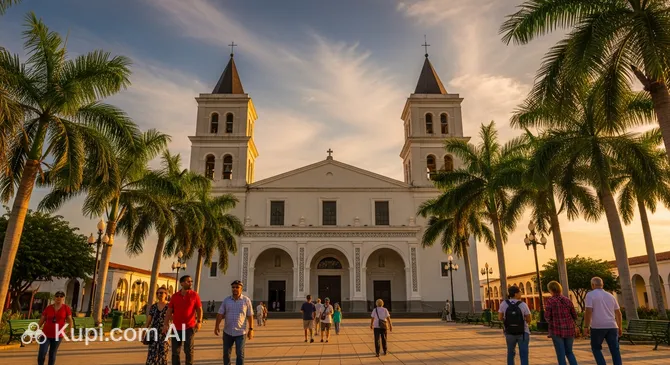
Cabimas is a dynamic industrial center located on the northwestern coast of the legendary Lake Maracaibo in Venezuela. The city has a unique atmosphere of a working-class region, where the rhythm of life is dictated by oil rigs and the energy sector of the economy. Cabimas. Illustration.
Source: Kupi.com AI
Despite its industrial profile, Cabimas retains its charm thanks to its proximity to the water and the openness of the local residents.
Founded in 1758 as the Mission of Saint Ambrose, the city remained a modest settlement for a long time until "black gold" was discovered here in the early 20th century. The history of Cabimas' development is inextricably linked to the moment when the Barroso No. 2 well produced a giant oil fountain, turning the region into a global energy base. Today, more than 350,000 people live here, creating a vibrant and active urban environment.
For the traveler, Cabimas is interesting primarily as a starting point for exploring the state of Zulia and the majestic Lake Maracaibo. Here, you can feel the spirit of the real, non-touristic Venezuela, see large-scale engineering structures, and enjoy traditional hospitality. We invite you to get to know this "oil heart" of the country and its industrial heritage.
Weather Overview
The climate of Cabimas is characterized as tropical humid, making it one of the warmest cities in the region. High temperatures persist year-round: the average maximum is about +32°C, and at night the thermometer rarely drops below +25°C. Proximity to Lake Maracaibo creates high humidity that is felt throughout the year.
Precipitation in Cabimas is unevenly distributed. The dry season lasts from January to March — this is the best time to travel if you want to avoid rain. From May to November, the rainy season begins, when intense but short-lived tropical downpours are possible. When planning a trip, it is worth considering that intensive industrial activity in the region can influence the city's microclimate.
Expect consistently hot weather with bright sun in the morning and possible cloudiness in the afternoon. The weather in the city dictates the need to always have a supply of drinking water and clothing made of light, breathable materials. There are practically no strong winds here, which enhances the feeling of tropical heat.
Average monthly temperature
Average monthly precipitation
Interesting Facts
The oil blowout from the Barroso No. 2 well in 1922 lasted nine days and formed a real black lake around the well, marking the beginning of Venezuela's oil era.
The city was founded by Cistercian monks in the mid-18th century and originally bore the long name Mission of Saint Ambrose of Punta de Piedra.
Cabimas is located on the shores of Lake Maracaibo — the largest freshwater body in South America and one of the oldest lakes on the planet.
The city is the birthplace of many famous groups performing Gaita — a unique musical genre that has become a cultural symbol of Zulia State.
Thanks to the General Urdaneta Bridge, which is one of the longest bridges in the world, Cabimas has a fast connection to the administrative capital of the region.
How to Get There
Cabimas is conveniently located on the eastern shore of Lake Maracaibo, which ensures good transport accessibility within the state of Zulia. The neighboring metropolis serves as the main hub for travelers arriving from afar. You can reach the city via modern highways that connect it with the key industrial centers of the region.
Although there is no large passenger airport in the city itself, Maracaibo International Airport (La Chinita), located about 40-50 minutes away, is the main air gateway to the region. From the airport to Cabimas, it is most convenient to travel by taxi or a pre-arranged transfer, crossing the famous General Urdaneta Bridge.
The railway service in this part of the country is currently not developed for passenger transport, so buses and private cars remain the main land transport. Regular buses from Maracaibo and Caracas arrive frequently, offering a budget-friendly way to move between cities.
Station
Passenger traffic
Distance
Altos de la Vanega
3
34 km
Main Attractions
Although Cabimas is primarily an industrial hub, it has several places worth visiting. Parque La Paz (Peace Park) is a favorite getaway for city residents. It features green areas for family picnics, playgrounds, and paths for sports, making it an oasis of tranquility amidst the industrial landscape.
The spiritual and architectural symbol of the city is the Cathedral of Cabimas. Its austere and majestic facade stands out against the urban backdrop, while the interior preserves an atmosphere of peace and Zulia traditions. The cathedral serves as an important landmark in the city center and is a must-see for those interested in the region's history.
Lake Maracaibo plays a special role in the life of the city. The Cabimas embankment provides an excellent opportunity for leisurely strolls, during which you can watch the boat traffic and the famous sunsets. The view of oil platforms stretching beyond the horizon emphasizes the unique industrial flavor of this place, making it an ideal backdrop for memorable photos.
Local Cuisine
The culinary face of Cabimas is a vibrant blend of traditional Venezuelan recipes and the specific flavors of Zulia State. The main gastronomic symbol here is the Patacon — cakes made from double-fried plantains served with meat, cheese, and fresh vegetables. This hearty and incredibly tasty dish can be found in both restaurants and street food stalls.
No less popular are the local Arepas, which in this region are often prepared with special spices or served with a filling of fresh lake fish. Thanks to developed agriculture, local cuisine abounds with dishes made from rice, beans, and cassava. Don't miss the chance to try freshly squeezed tropical fruit juices, which help you endure the midday heat more easily.
Food culture in Cabimas is centered around family establishments and local markets where food is prepared with soul. An evening meal often turns into a leisurely ritual accompanied by conversation. Although the city does not have fine dining restaurants, the honest and rich taste of authentic dishes will leave you with the most pleasant impression of visiting the region.
Travel Tips
Visiting Cabimas is a unique opportunity to see the industrial heart of Venezuela, and to make your trip comfortable, we have prepared some practical tips.
Clothing and Essentials: Tropical heat prevails in the city, so choose light clothing made of cotton or linen. Be sure to bring sunglasses and sunscreen, as the sun is very active here.
Transport: The most reliable way to get around is by taxi. If you plan long trips around the region, it is better to rent a car with a local driver who knows the specifics of the roads well.
Finances: Although the bolivar is the official currency, US dollars are accepted almost everywhere. It is recommended to have small bills on hand for payments in markets and taxis.
Health and Safety: Drink only bottled water. Avoid walking in unfamiliar areas after sunset and always keep your valuables under supervision.
Communication: The primary language is Spanish. It is recommended to learn a few basic phrases, as the level of English proficiency among the population is low.
Local Etiquette: Residents of Zulia State are very sociable. Don't forget to greet politely when entering a shop or restaurant — this is key to receiving a good attitude.
What to Avoid: You should not photograph oil facilities and government buildings without official permission to avoid unnecessary questions from security.
Extra Tip: Try to be in the city during the celebration of St. Ambrose's Day or during music festivals to see Cabimas in all its glory.
Following these simple rules will help you focus on exploring this interesting city and ensure you get only positive emotions from your trip.
Entertainment & Nightlife
Evening leisure in Cabimas is of a more local and heartfelt nature. The city lives to the rhythm of an industrial enterprise, so large-scale nightclubs are rare here. Most entertainment is concentrated in cozy bars and restaurants where locals gather after a work day to discuss the news over a refreshing drink.
If you are looking for a vibrant nightlife with a variety of dance floors, we recommend heading to neighboring Maracaibo, located just 30 kilometers away. However, in Cabimas itself, it is worth paying attention to cultural events during the Christmas holidays. It is during this time that traditional Gaita music, which is the soul of the region and brings people together in joyful celebration, can be heard on the streets.
For daytime relaxation, walks along the lake shore or visiting local parks are ideal. On weekends, Parque La Paz becomes a center of attraction for youth and families. To ensure safety in the evening, tourists are recommended to use official taxi services and stick to well-lit central streets.
Parks & Museums
The city's main green zone is Parque La Paz (Peace Park), which serves as an important recreation spot in the hot tropical climate. All conditions for a peaceful holiday are created here: shady alleys, sports grounds, and children's play areas. For guests of the city, this is a great opportunity to see how local families spend their weekends in an informal setting.
Although there are no large historical museums in Cabimas, the city itself can be called a living monument to the industrial era. Religious sites, such as the Cathedral of Cabimas, often serve as cultural centers, with architecture and history closely intertwined with the development of the settlement. A walk through the city center will allow you to see memorial plaques dedicated to the oil fields that became the foundation of the region's prosperity.
For those looking for natural beauty, the Lake Maracaibo embankment offers magnificent views. Greenery in the city itself may seem modest compared to resort areas; however, this emphasizes the character of Cabimas as a working city, where every park is valued by residents like gold.
Getting Around
The transport system of Cabimas is geared towards meeting the needs of workers and residents of the industrial sector. The basis of public transport consists of buses and minibuses (often called "carritos") that run along the main city routes. There is usually no clear schedule at the stops, so it is better for tourists to check the direction with drivers or local residents.
The fare for city transport is low, and payment is made in cash to the driver upon entry. For those who value comfort and time saving, the most preferred option is a taxi. Official services operate in Cabimas, and a call can be arranged through the hotel reception or by phone, which guarantees the safety of the trip.
An important feature of the region is the presence of wide highways connecting Cabimas with other oil centers and the General Urdaneta Bridge. If you plan to move around the area a lot, renting a car will be a wise decision; however, be prepared for heavy traffic during peak hours when oil company employees are heading to their shifts or returning home.
Accommodation
Cabimas' hotel infrastructure is primarily oriented toward business tourism and specialists coming to work in the oil sector. In the city, you can find several reliable middle-class hotels that offer the necessary set of amenities: air conditioning (which is critical in the local climate), internet access, and secure parking.
The most convenient accommodation options are located along the main highways and in the central part of the city, providing quick access to industrial sites and administrative offices. Those who prefer a wider choice of housing, including premium hotels from world chains, should consider staying in neighboring Maracaibo, from where one-day trips to Cabimas can be made.
It is recommended to book accommodation in advance, especially during major industry conferences or holidays. Main booking methods include international online platforms, although direct contact with hotels by phone also remains a popular method among local travelers. The price range here is moderate, making the city accessible for those planning a long stay.
Nearby Cities
Cabimas is an excellent starting point for exploring the eastern shore of Lake Maracaibo and the surrounding industrial landscapes. Proximity to major transport arteries allows for easy planning of day trips to neighboring cities, each of which has its own unique character.
Just 32 kilometers away, on the other side of the lake, lies the majestic Maracaibo — the cultural capital of the region, where museums, theaters, and historical quarters await you. It is also worth visiting the city of Ciudad Ojeda, located just 25 kilometers south, and Lagunillas. These cities are closely linked to the oil industry and allow for a deeper understanding of the economic significance of Zulia State.
We recommend not limiting yourself to city walks and venturing deeper into the region. Exploring the surroundings of Cabimas will give you a more complete picture of life in modern Venezuela and the beauty of its northwestern territories.
Shopping & Souvenirs
Shopping opportunities in Cabimas reflect its status as an industrial and agricultural center. There are no huge shopping galleries with global brands, but the city offers an authentic shopping experience at local markets. Most commercial activity is concentrated around the central streets, where small convenience stores and shops with locally produced goods are located.
At the city markets, it is worth paying attention to fresh agricultural products: quality rice, beans, corn, and exotic tropical fruits straight from local farms are sold here. This is an excellent opportunity to try the highest quality products at affordable prices and get acquainted with the lifestyle of the local residents.
As souvenirs from Cabimas, you can bring leather and textile products created by Zulia craftsmen or music CDs with recordings of traditional Gaita. Shops usually operate from morning until early evening, with many closing for a traditional siesta during the hottest hours. Payment is most often made in cash bolivars or US dollars, although larger stores accept bank cards.