Support

Du Hang Pagoda

About

In the heart of the bustling port city of Haiphong lies a true oasis of silence and spirituality — the ancient Du Hang Pagoda. This majestic structure, also known as Phuc Lam Tu, is one of the oldest Buddhist shrines that Vietnam takes pride in. Founded back in the 10th century during the Early Le dynasty, the pagoda is a unique example of traditional Vietnamese architecture that has preserved its charm through the centuries.
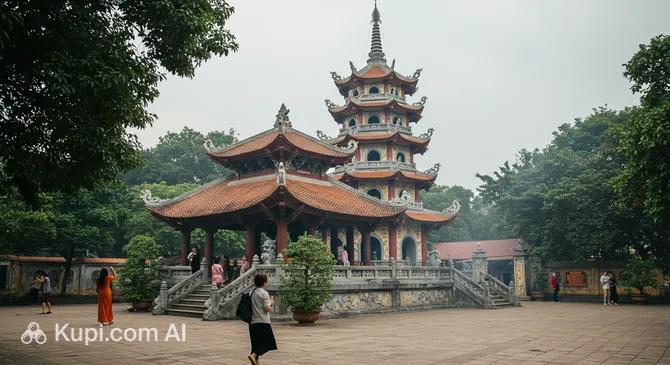
Du Hang Pagoda
Du Hang Pagoda. Иллюстрация. Источник: Kupi.com AI

The pagoda complex is impressive in its monumentality: three-tiered gates with curved roofs invite visitors into a world where time seems to have stood still. The main hall is adorned with precious Buddha statues and lacquered calligraphy boards dating back to the Nguyen dynasty. A distinctive feature of the architecture is the presence of elements inspired by Indian and Cambodian canons, reflected in the intricate curves of the roofs, which symbolize sacred water vessels.

Surrounding the temple buildings is a picturesque garden, where tomb towers stand among ancient trees, honoring the memory of great monks of the past. Recognized as a historical and cultural monument in 1986, Du Hang Pagoda remains an important spiritual center and a must-visit for every traveler wishing to experience the authentic history of the region.

Contacts

If you need to clarify any information before your visit, you can refer to the official location data for the site.

How to contactContact
Address121 P. Dư Hàng, Dư Hàng, Lê Chân, Hải Phòng 180000, Vietnam

What to Do

When visiting the pagoda, the first place you should head is the main hall. Here, you can contemplate the magnificent gilded and lacquered Buddha statues and study the masterfully crafted calligraphic inscriptions. The carved doors and columns, decorated with motifs of Vietnamese flora and fauna, deserve special attention as rare examples of Nguyen dynasty artistic craftsmanship.

A walk through the complex grounds will provide a sense of total tranquility. You can stroll through the shady garden among ancient trees and see the unique tomb towers (stupas) where the great monks of the Truc Lam Yen Tu school rest. This is an ideal spot for those seeking solitude or looking to capture beautiful photos of authentic Vietnamese architecture.

For many visitors, lighting incense and making a wish in this sacred atmosphere becomes an important ritual. Be sure to look up to admire the 43 pointed curves on the roofs, which are considered symbols of blessing. Du Hang Pagoda is not just a historical monument but a living place of power where you can observe Buddhist ceremonies and feel the spiritual pulse of Haiphong.

Getting There

The attraction is located just 2 kilometers southwest of Haiphong city center in the Le Chan district. Thanks to its proximity to the historical core, a trip by taxi or the motor-taxis popular in Vietnam will take no more than 5–10 minutes. For those who prefer to use navigation, the exact coordinates of the entrance are: 106.6760609, 20.8475548.

Public transport is also a convenient option: several bus routes pass through the Le Chan district, and the nearest stops are just a couple of minutes' walk from the temple gates. If you decide to rent a scooter or bicycle, the path along Du Hang Street is straightforward, and parking for visitors is provided next to the complex.

For travelers arriving from Cat Bi Airport, a taxi is the most comfortable way to reach the site. The cost of city trips is usually quite low. Enthusiasts of long walks can reach the pagoda on foot from the city center, exploring the daily life of local residents along the way.

Ближайший город: Haiphong

History & Facts

Du Hang Pagoda, also known as Phuc Lam Tu, is considered one of the oldest and most revered shrines in the region. Its history dates back over a thousand years to the era of the Early Le dynasty (980–1009). Originally built in the classical style of that time, it served as a spiritual stronghold for many generations of believers.

Significant changes to the pagoda's appearance occurred in 1672 during the reign of Le Gia Tong. A high-ranking monk named Nguyen Dinh Sach donated his own funds to expand the grounds. It was during this period that the complex took its current shape: the bell tower, ancestral house, and monks' quarters were built, and the paths were paved with famous Bat Trang bricks. Over the centuries, the temple has been reconstructed several times, but it has always preserved the authentic spirit of Vietnam.

In 1986, the pagoda was officially recognized as a historical and cultural monument of national importance. Today, it is not only an open-air museum but also an active center of Buddhism, where ancient artifacts are carefully preserved and the traditions of the Truc Lam Yen Tu school continue. Despite the passing centuries, it remains a symbol of resilience and the cultural richness of Haiphong.

Time Needed

To leisurely explore the entire Du Hang Pagoda complex, it usually takes about 1–2 hours. This is ample time to visit the main hall, stroll through the shady garden, and admire the architectural details of the gates and tomb towers.

If you plan to take photographs or want to spend time meditating in a quiet setting, you may wish to stay longer. The peaceful atmosphere here encourages thoughtful contemplation and provides a welcome break from the city noise.

Working Hours

Official opening hours for Du Hang Pagoda may vary according to the religious calendar and public holidays. Generally, most Buddhist temples in Vietnam are open to visitors from early morning until sunset.

To ensure a smooth trip, it is recommended to check the current schedule on-site or verify information on official tourism portals before your visit. Keep in mind that the pagoda can be particularly crowded during Buddhist festivals.

Nearby

After visiting the pagoda, it is worth spending some time in its surroundings. The Le Chan district and adjacent areas of Haiphong offer visitors both modern entertainment and quiet corners to get acquainted with local life.

NameDistance
Pho Chieu Pagoda0.6 km
Central Square Fountain1.2 km
Hai Phong Cathedral1.6 km
Hai Phong Museum1.7 km
Lê Chân Shopping Mall1.7 km
Bandstand (Nhà Kèn) Haiphong1.7 km
Aeon Mall Hai Phong Italian Restaurant2 km

Reached the end of the page?

That means the route is fully explored