Bolivia

About

Bolivia is an amazing country in the heart of South America, striking with its diversity of landscapes and cultures. Located between the majestic Andes and the humid forests of the Amazon, it offers travelers a unique experience. The official capital is Sucre, but the de facto center of political and economic life is La Paz, one of the highest "capital" cities in the world, nestled in a giant bowl among the mountains.
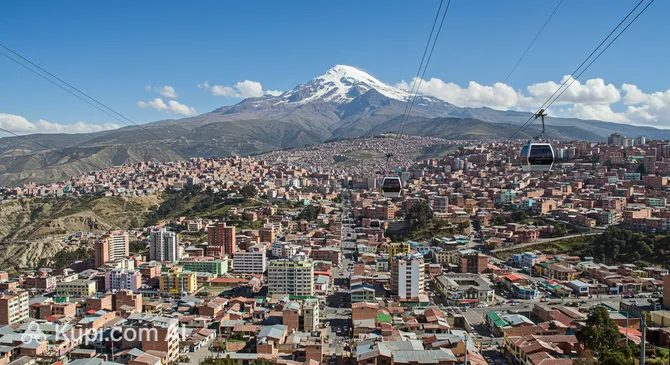
Illustration.
Source: Kupi.com AI

Bolivia is proud of its rich cultural heritage, where the traditions of indigenous peoples and the Spanish colonial past are closely intertwined. This is felt in the architecture of cities such as charming Sucre with its snow-white buildings, and in numerous colorful festivals. The country has preserved many ancient customs that can be observed in everyday life and at local markets, for example, at the famous Witches' Market in La Paz.

Bolivia's natural attractions will not leave anyone indifferent. From the surreal landscapes of the Uyuni salt flats, which are often reached from the city of Uyuni and where the famous Train Cemetery is located, to the high-altitude Lake Titicaca and tropical jungles – everyone will find something for themselves here. The climate of the country varies greatly depending on the altitude: from cold high-mountain to hot and humid on the plains. Bolivia gives a sense of authenticity and adventure, immersing you in a world of ancient cultures and incredible nature.

Currency

The national currency of Bolivia is the boliviano (international code BOB). Banknotes in denominations of 10, 20, 50, 100, and 200 bolivianos, as well as coins, are in circulation. Bolivian banknotes often depict the country's prominent historical figures, flora and fauna, as well as cultural symbols, making them quite colorful and educational for tourists.

Currency can be exchanged (US dollars are preferred as they are most widely accepted) at banks or official exchange offices known as "casas de cambio." They usually offer a better rate than at airports or hotels. It is recommended to avoid exchanging money with street changers due to the risk of fraud. Credit cards (mostly Visa and MasterCard) are accepted in major cities like La Paz, in hotels, restaurants, and some shops. However, in small towns, markets, and for small purchases, it is preferable to have cash bolivianos with you.

Visa Requirements

When planning a trip to Bolivia, it is important to clarify visa requirements in advance, as they can vary significantly depending on your citizenship. For citizens of some countries, especially from South America, a visa for short-term tourist trips may not be required. For citizens of EU countries, the USA, and many other states, a tourist visa is generally necessary. It can be obtained in advance at a consulate of Bolivia or, in some cases, upon arrival in the country, however, conditions may change.

To enter Bolivia, you will definitely need a valid passport with an expiration date covering the entire period of your stay. You may also need return tickets, confirmation of accommodation booking, and a medical insurance policy. We strongly recommend always checking the most up-to-date and detailed information about visa rules and necessary documents on the official websites of the embassy or consulate of Bolivia in your country of residence, as visa policies may be updated.

We'll let you know if you need a visa

Enter your destination or
Your nationality
Destination

Timezones

When planning a trip to Bolivia, you won't have to worry about changing time zones within the country. The entire territory of Bolivia is in one time zone – GMT-4 (sometimes designated as BOT – Bolivia Time). This means that the time will be the same in the capital La Paz, as well as in other cities and regions of the country.

The absence of multiple time zones significantly simplifies planning travel and events during your stay in Bolivia. You won't need to change your watch or consider time differences when moving between different parts of the country.

Getting There

There are several ways to get to Bolivia, and the choice depends on your location and preferences. The main option for most international travelers is air transport. Several international airports operate in the country, the main ones being El Alto International Airport, serving the capital La Paz, and Viru Viru International Airport in Santa Cruz de la Sierra. There are direct flights to Bolivia from some countries in South America and Europe, but most often flights are made with connections in major hubs such as Lima, Bogota, Sao Paulo, Buenos Aires, or Madrid.

Given Bolivia's geographical position, surrounded by five countries, land transport is also a popular way to enter, especially for those traveling through South America. There are regular bus routes connecting Bolivia with Peru, Chile, Argentina, Brazil, and Paraguay. Bus trips can be long, but they offer the opportunity to see picturesque landscapes and are a more budget-friendly option. Railway connections with neighboring countries are limited, but some routes may be of interest to tourists looking for an authentic experience.

Regardless of the chosen method of travel, it is recommended to book tickets in advance, especially if your trip falls during the peak tourist season (usually from May to October). This will help you get the best prices and guarantee availability. It is also worth checking the visa requirements for citizens of your country before traveling to Bolivia.

AirportCityIATA
Viru Viru International AirportSanta Cruz de la SierraVVI
J Wilsterman AirportCochabambaCBB
El Alto International AirportLa PazLPB
Teniente Jorge Henrich Arauz AirportTrinidadTDD
Capitan Oriel Lea Plaza AirportTarijaTJA

Bolivia, a country of contrasts and amazing discoveries, offers travelers a kaleidoscope of experiences in its cities and a few unique resort areas, mainly concentrated around Lake Titicaca or thermal springs. From high-altitude metropolises to historical centers and gateways to natural wonders – everyone will find something for themselves here.

Illustration.
Source: Kupi.com AI

Start your journey with La Paz, the de facto capital and one of the highest large cities in the world. It amazes with its energy, colorful markets like the famous Witches' Market, and breathtaking views from the Mi Teleférico cable car. Then head to Sucre, the official capital, where you will be charmed by the snow-white colonial architecture, a UNESCO World Heritage site, and a calmer, more measured pace of life.

For lovers of incredible natural landscapes, a mandatory stop is Uyuni – the gateway to the famous Salar de Uyuni, the world's largest salt flat, where the horizon merges with the sky, creating surreal images. If you are attracted to a warmer climate and business activity, then Santa Cruz de la Sierra, the country's largest city, will offer modern amenities, a lively cultural life, and proximity to tropical forests. Don't forget Potosi, a city with a rich history of silver mines, located at a dizzying height and keeping the memory of former greatness.

Top Attractions

Bolivia beckons travelers with an incredible variety of experiences: from surreal landscapes that seem to have come from Dali's paintings to immersion in ancient traditions at colorful markets and exploring rich history in old city centers. This country is ready to surprise at every step, offering unique discoveries for the most sophisticated tourists.

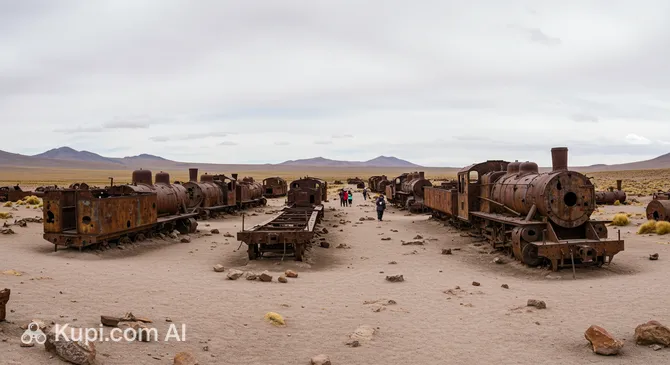
One of the most unusual and photographed attractions in Bolivia is the Train Cemetery. Located near the famous Uyuni salt flat, this place is an open-air museum where rusting locomotives and cars from the early 20th century create a surreal landscape, reminiscent of the former era of the railway boom.

Illustration.
Source: Kupi.com AI

Traveller photos:

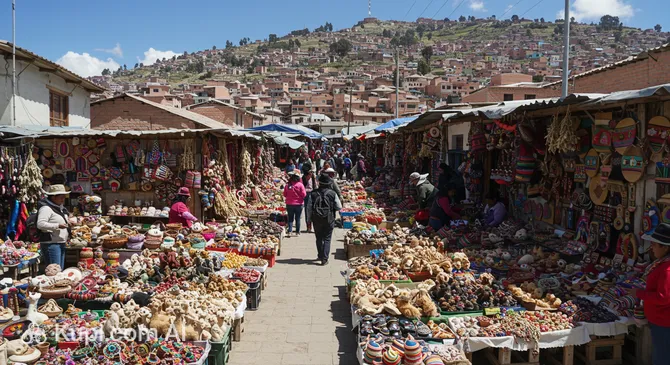
In La Paz, one of the country's main cities, it's definitely worth visiting the colorful Witches' Market (Mercado de las Brujas). This is a unique place where you can immerse yourself in the world of local beliefs and traditions, finding the most exotic goods – from dried llama fetuses used in rituals for luck, to various amulets, herbs, and potions.

Illustration.
Source: Kupi.com AI

Traveller photos:

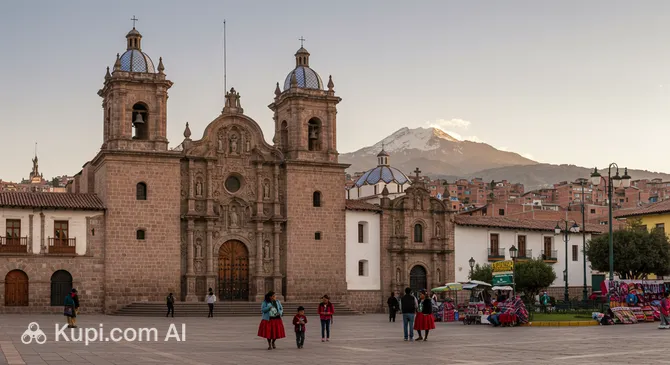
Also in La Paz is the historically significant San Francisco Plaza. It is the heart of the old city and is named after the impressive San Francisco Basilica and Monastery, built in the 16th century. The square serves as a popular meeting place and a starting point for exploring the city's colonial architecture.

Illustration.
Source: Kupi.com AI

Traveller photos:

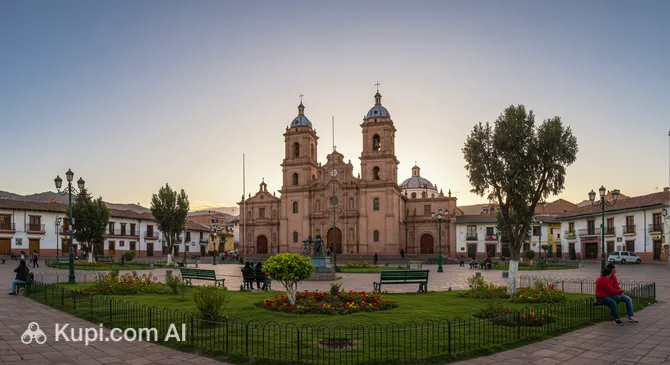
If you find yourself in Cochabamba, don't miss September 14 Plaza – the main center of the city's social life. Surrounded by beautiful colonial buildings, a cathedral, and palm trees, this square is a wonderful place to relax and observe the daily life of Bolivians.

Illustration.
Source: Kupi.com AI

Traveller photos:

Best Time to Visit

The best time to visit Bolivia largely depends on your plans and preferences, as the climate in the country is diverse. High season usually falls during the dry period from May to October. At this time, you can expect mostly clear and sunny weather, especially in the high-altitude areas of the Andes and on the Altiplano, which creates ideal conditions for trekking, mountaineering, and exploring the famous Uyuni salt flats in their classic "dry" form. The daytime temperature is comfortable, but nights, especially at altitude, can be quite cold. The main advantages of this period are stable weather and optimal conditions for outdoor activities. However, it is worth considering that this is the peak tourist season, so the number of travelers will be higher, and prices for accommodation and excursions may be higher.

Low season, or the rainy season, in Bolivia lasts approximately from November to April. During this time, the weather becomes more humid and changeable, especially in the Amazonian part of the country and in mountain regions where rain can make travel difficult. Nevertheless, this period has its attractive sides: there are significantly fewer tourists, and prices for services are often lower. In addition, it is during the rainy season (usually from January to March) that the Uyuni salt flats turn into a giant mirror, creating truly fantastic landscapes – a unique sight that attracts many photographers and travelers. It is important to note that some significant cultural events fall during this period, for example, the colorful Carnival in Oruro (February-March). Given the variety of climatic zones in Bolivia, from high-altitude La Paz to tropical Santa Cruz de la Sierra, it is always recommended to check the weather conditions for specific regions of your itinerary.

Traditions

When planning a trip to Bolivia, it is worth getting to know the local cultural characteristics so that your communication with the residents is pleasant and respectful. Greetings usually include a handshake, and direct eye contact is appreciated. Addressing by title (Señor, Señora, Señorita) followed by the last name is common in formal situations. Bolivians are known for their hospitality; if you are invited to a home, a small gift, such as sweets or flowers, will be appropriate. When visiting religious sites and in some public places, especially in rural areas, modest clothing covering shoulders and knees is recommended.

At the table in Bolivia, it is customary to wait until the hosts offer you a seat or start the meal first. It is considered polite to try all the dishes offered. It is important to remember that you should only take photos of local residents, especially representatives of indigenous peoples, with their permission. Try to avoid being overly persistent in communication and show patience, as the pace of life here can be more measured. Refusing a treat or behaving too loudly in public places can be considered impolite.

Bolivia's culture is rich in vibrant holidays. One of the most famous is the Carnival in Oruro, recognized by UNESCO as a Masterpiece of the Oral and Intangible Heritage of Humanity. This magical event, held before Lent, combines Catholic traditions with ancient Indian beliefs and rituals. Also of great importance is Todos Santos (All Saints' Day) on November 1 and 2, when families commemorate the deceased by visiting cemeteries and preparing special dishes and bread in the shape of ladders, animals, and people, symbolizing the connection of worlds.

Entertainment

Bolivia offers travelers an amazing variety of entertainment that can satisfy a wide range of tastes. Outdoor activity enthusiasts will find many opportunities here: from exciting hiking routes along high-altitude Andean trails and mountain climbs to exploring unique natural landscapes such as the Uyuni salt flats. The country also offers rafting on mountain rivers or cycling tours along scenic roads. The cultural program is equally rich: cities like La Paz and Sucre are home to numerous museums showcasing the country's rich history and art, as well as theaters and galleries where you can experience modern Bolivian creativity. In addition, Bolivia is famous for its vibrant traditional festivals and carnivals, which are an unforgettable spectacle.

As evening falls, major cities, especially La Paz and Santa Cruz de la Sierra, come alive, offering tourists a diverse nightlife. Here you can find cozy bars with local drinks, restaurants offering both traditional and international cuisine, and clubs where fiery Latin American music plays. The atmosphere is usually friendly and inviting for socializing. For those interested in shopping, Bolivia is a real paradise. The country is famous for its alpaca and llama wool products, colorful handmade textiles, silver jewelry, and unique souvenirs that can be found at numerous markets, such as the famous Witches' Market in La Paz.

For family vacations, Bolivia can also offer interesting options. Although there are no large theme parks in the traditional sense, the country's nature with its amazing landscapes, as well as getting to know the local culture and animals, can be an exciting adventure for children. Visiting national parks, watching flamingos on the salt flats, or learning about the life of indigenous peoples will leave vivid impressions on the whole family. Many museums also offer interactive exhibits that will be of interest to young travelers.

Currency rates

Planning a trip? Wonderful! To make sure the financial side of your journey holds no surprises, it's worth remembering that exchange rates are constantly changing. That's why we strongly recommend keeping an eye on current rates both before departure and throughout your trip. To help with that, you can use the data provided below — we monitor exchange rates 24/7 and strive to provide the most up-to-date information.

Reached the bottom of the page?

Looks like you know this route inside out

We use cookies and services to collect user information. This is essential for the functioning of the site and for marketing purposes. You can find out more in .