Venezuela

About

Venezuela is a country of stunning contrasts, located on the northern coast of South America and washed by the waters of the Caribbean Sea and the Atlantic Ocean. This is a land where the majestic Andes meet the endless plains of the Llanos, tropical Amazon rainforests border breathtaking beaches, and the world's highest waterfall, Angel Falls, plunges from the summit of Auyán-tepui. Such geographical diversity provides Venezuela with exceptionally rich flora and fauna, as well as a wide range of climatic zones that attract travelers year-round.
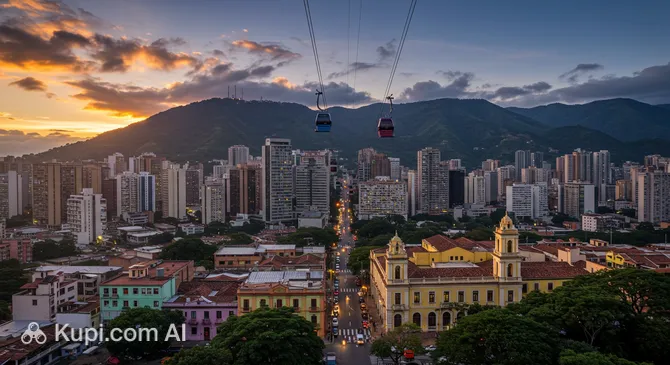
Illustration.
Source: Kupi.com AI

The country's capital, Caracas, is its cultural and economic center—a city with a rich history and a dynamic modern life. Venezuelan culture is a vibrant kaleidoscope shaped by the influence of indigenous peoples, Spanish colonizers, and African traditions. This is reflected in the music, dance, cuisine, and hospitality of the locals. A journey through Venezuela promises not only an encounter with incredible nature but also an immersion into a unique Latin American atmosphere.

In addition to impressive mountains and jungles, Venezuela is famous for its extensive Caribbean coastline with numerous islands and coral reefs. Here, you can find both secluded coves and lively resort areas. One such piece of paradise is Cayo Sal Beach, which beckons with its snow-white sand and crystal-clear water. Venezuela offers unforgettable experiences for adventure seekers, nature enthusiasts, and those looking for a bright and fulfilling vacation.

Currency

The national currency of Venezuela is the bolívar. Due to the country's economic situation, its form and code have undergone changes; currently, the digital bolívar (VED) is used, which replaced previous versions. Because of high inflation, the denominations and appearance of banknotes can change rapidly, and their practical value in daily transactions is often secondary to the US Dollar, which has become widely used for many operations.

Currency exchange into bolívars should be handled with caution. Officially, this can be done at banks or authorized exchange offices (casas de cambio); however, it is recommended to confirm terms and the current rate in advance. Many tourists prefer to carry US Dollars (or Euros) in cash and exchange small amounts as needed, or use foreign currency directly for payment where possible, especially in the private sector. The ability to use international credit cards may be limited, particularly outside of large cities and tourist centers. Therefore, having a sufficient amount of cash dollars for daily expenses and unforeseen situations is a wise precaution.

Visa Requirements

When planning a trip to Venezuela, it is important to clarify visa requirements in advance, as they can vary depending on your citizenship. Citizens of some countries, including certain CIS nations, may be allowed visa-free entry for a short period for tourism purposes. However, for citizens of many other states, including EU countries and the USA, a tourist visa is typically required and must be obtained in advance at a Venezuelan consular office.

Regardless of visa requirements, you will definitely need a valid international passport to enter the country. It is also recommended to have return tickets, hotel booking confirmation, and medical insurance with you. Since visa policy can change, we strongly advise checking the latest information on the official website of the Venezuelan embassy or consulate in your country of residence before your trip.

We'll let you know if you need a visa

Enter your destination or
Your nationality
Destination

Timezones

When planning a trip to Venezuela, you won't have to worry about changing time zones within the country. A single time zone operates throughout the entire territory of Venezuela, known as Venezuelan Standard Time (VET).

This time corresponds to UTC-4 (Coordinated Universal Time minus 4 hours). Thus, the time in the capital city, Caracas, will be the same as in any other region of Venezuela, which simplifies the planning of travels and events.

Getting There

The most convenient way to reach Venezuela is by air. The country has several international airports, the main one typically being the airport serving the capital, Caracas. Direct flights and convenient connections to Venezuela are usually available from various regions of the world, including North and South America, some European countries, and the Caribbean islands.

For travelers who prefer overland routes, it is worth noting that Venezuela shares land borders with Brazil, Colombia, and Guyana. International bus services exist, but it is recommended to check the current status of routes and border crossing conditions in advance. Sea transport for entering the country is less common, but some coastal cities may occasionally host cruise ships or other passenger vessels. Regardless of your chosen travel method, we strongly advise booking tickets well in advance, especially if your trip falls during peak tourist season or holidays, to secure the best rates and availability.

AirportCityIATA
Simon Bolivar International AirportCaracasCCS
La Chinita AirportMaracaiboMAR
Arturo Michelena International AirportValenciaVLN
Manuel Carlos Piar Guayana AirportCiudad GuayanaPZO
General Jose Antonio Anzoategui International AirportBarcelonaBLA

Venezuela offers travelers an amazing variety of destinations—from bustling metropolises to cozy resort towns on the Caribbean coast. The country's capital, Caracas, is the main cultural and economic hub, where modern architecture stands alongside historic districts, museums, and parks, offering a rich program for curious tourists.

Illustration.
Source: Kupi.com AI

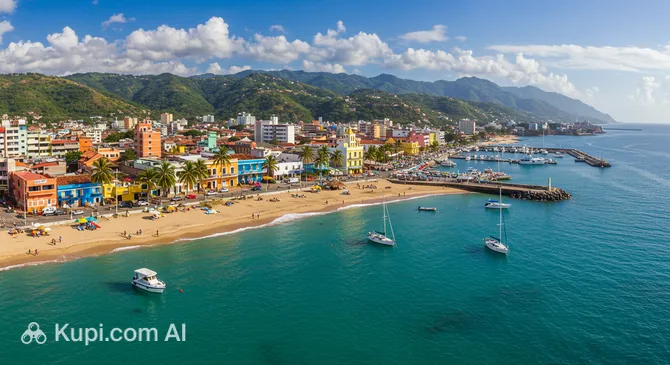
For lovers of beach holidays and sea adventures, Venezuela has many attractive spots prepared. Puerto La Cruz is a popular port city and resort known for its beaches, diving opportunities, and as a starting point for visiting Mochima National Park with its picturesque islands. Equally appealing is Lechería, a modern resort town with developed infrastructure, scenic canals reminiscent of Venice, and beautiful beaches for a comfortable stay. Meanwhile, Chichiriviche is famous for its coral reefs and numerous small islands (cayos) with snow-white sand, ideal for secluded relaxation and snorkeling.

Beyond the coastal gems, there are other cities in Venezuela worth your attention. Valencia, one of the country's largest industrial and cultural centers, offers tourists the chance to explore rich colonial architecture, visit historic squares, and numerous green parks. If you are looking for something truly unique, head to Colonia Tovar—a charming town founded by German immigrants in the mid-19th century. This place has wonderfully preserved its distinctive culture, half-timbered architecture, and traditions, creating the atmosphere of a Bavarian village in the heart of South America.

Top Attractions

Venezuela offers travelers a kaleidoscope of experiences, from paradise Caribbean beaches to interesting city landmarks and nature parks. Every corner of this country holds something unique, capable of surprising and inspiring explorers.

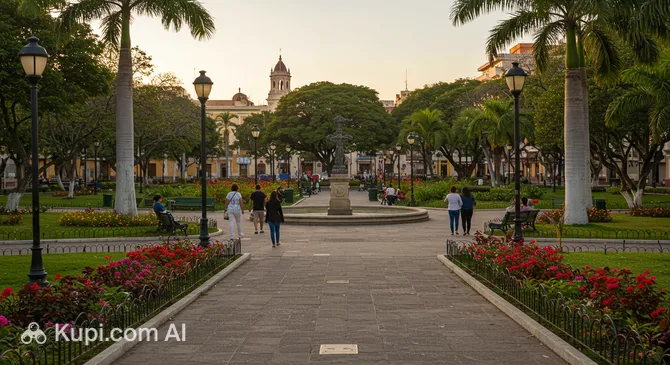
One of the wonderful places for relaxation and walks is Fernando Peñalver Park in Valencia. This spacious park offers visitors green lawns, shaded alleys, and various areas for active recreation and relaxation. Here you can enjoy nature, have a picnic, or simply take a break from the city bustle.

Illustration.
Source: Kupi.com AI

Traveller photos:

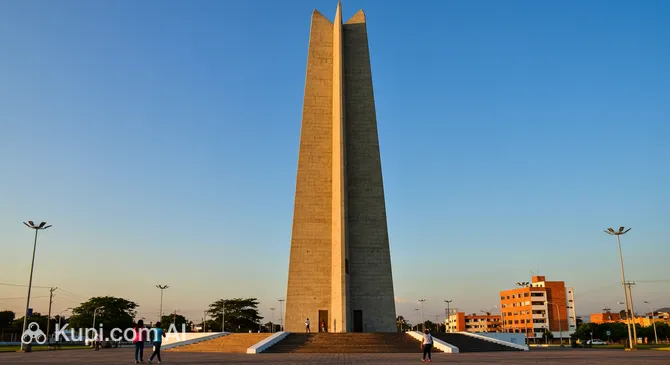
In the city of Barquisimeto stands the famous Obelisk. It is not just an architectural monument but also a symbol of the city, with an observation deck offering impressive panoramic views. It is especially beautiful here at sunset when the city is painted in warm tones.

Illustration.
Source: Kupi.com AI

Traveller photos:

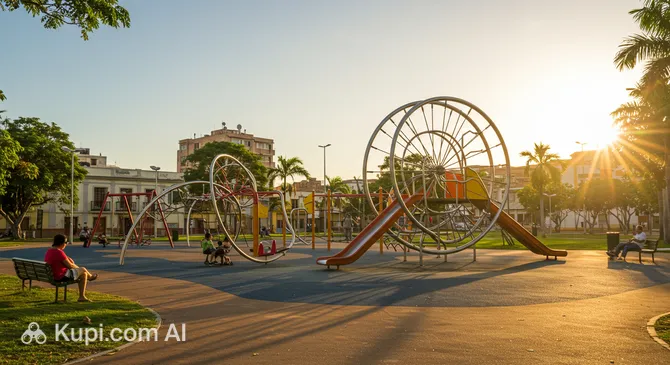
For nature lovers and those seeking quiet walks, Negra Hipólita Park in Valencia is an excellent choice. This extensive green oasis offers well-maintained paths, relaxation zones, playgrounds, and the opportunity to enjoy the shade of trees on a hot day. It is a great place for family holidays and picnics.

Illustration.
Source: Kupi.com AI

Traveller photos:

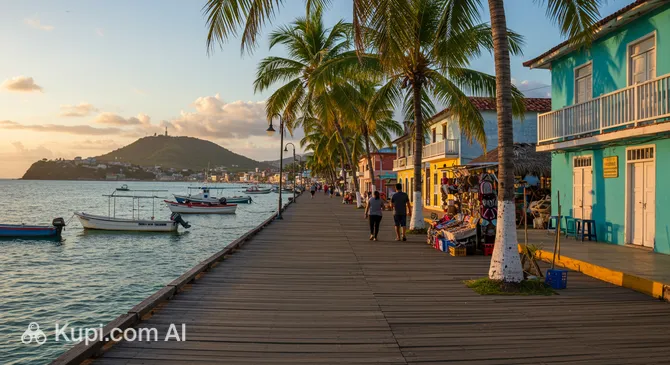
Another gem of the coastal town of Chichiriviche is its Malecón. This picturesque promenade is a popular spot for evening strolls, where you can enjoy the sea breeze, views of boats and islands, and try local delicacies in the numerous cafes and small restaurants.

Illustration.
Source: Kupi.com AI

Traveller photos:

Best Time to Visit

When planning a trip to Venezuela, it is important to consider the characteristics of its tropical climate, which is divided into two main seasons. The high season usually lasts from December to April, coinciding with the dry period. During this time, you can expect mostly sunny and clear weather, ideal for beach holidays on the Caribbean coast, excursions to the famous Angel Falls, or hiking in the Andes. The advantages of this period are comfortable weather conditions and the maximum accessibility of most tourist sites. However, be prepared for more tourists and possibly higher prices for accommodation and services.

The low season, or rainy season, in Venezuela falls between May and November. This time is characterized by frequent but often short-lived showers, after which nature comes alive, becoming particularly lush and green. This can be an excellent choice for those who prefer to travel without the crowds and are looking for better price deals. The downsides may include increased humidity and potential difficulties with transport accessibility in some remote areas. One of the most vibrant events to consider when planning is the colorful Carnival, traditionally held in February or March, which is in the height of the dry season.

Given the country's significant size, the climate in different regions of Venezuela can vary substantially. The coast is usually hot and humid year-round, while the mountain regions of the Andes can be quite cool. In the Llanos region (flat savannas), the change between dry and wet seasons is particularly pronounced and affects wildlife viewing opportunities. Therefore, it is always recommended to check the weather forecast for the specific places you intend to visit to ensure your trip is as comfortable as possible.

Traditions

Venezuelans are famous for their warm and open character. When meeting for the first time and during subsequent encounters, the standard greeting is a handshake. Between friends and relatives, especially between women or a man and a woman, hugs and a light kiss on the cheek are common. During conversation, Venezuelans usually maintain eye contact, which is considered a sign of openness and attention. Hospitality is an important part of the local culture; being invited into a home is a sign of great respect. In such cases, it is customary to bring a small gift for the hosts, such as flowers (avoid lilies and violets as they are associated with funerals), high-quality alcohol, or a dessert.

In daily life, Venezuelans dress quite informally but value neatness and good taste. When visiting churches and religious sites, it is recommended to choose modest clothing that covers the shoulders and knees. There are no strict rules of etiquette at the table, but it is considered polite to wait until the hosts suggest starting the meal. It is appreciated if a guest tries all the dishes offered. One of the brightest and most beloved holidays in Venezuela is Carnival, held before Lent, with its colorful parades, music, and dancing. Independence Day (July 5) is also widely celebrated. To avoid awkward situations, try not to discuss political topics unless the locals initiate the conversation themselves. Venezuelans are very sociable and value friendliness, so a smile and openness will help you establish rapport.

Entertainment

Venezuela is a country of contrasts, offering tourists a wide range of entertainment for every taste. Fans of active recreation will find many opportunities here: from trekking along national park trails and exploring the unique flat-topped tepui mountains to diving and snorkeling on Caribbean coral reefs or surfing its waves. The diversity of natural landscapes ensures unforgettable experiences for adventure seekers.

For those interested in cultural entertainment, Venezuelan cities, including the capital Caracas, offer theaters, concert halls with infectious Latin American music, as well as museums and art galleries where you can learn about the country's rich history and art. After dark, the nightlife comes alive: many tourist areas and major cities feature numerous bars, restaurants, and clubs where you can enjoy local cuisine and drinks, and dance to the rhythms of salsa and merengue.

Shopping in Venezuela can be a pleasant addition to your vacation. As souvenirs, tourists often bring back handmade items by local artisans, high-quality coffee, cocoa, and, of course, the famous Venezuelan rum. The main shopping areas are located in large cities, where you can find both modern shopping malls and colorful markets. For family vacations, the country offers picturesque beaches where you can safely spend time with children, as well as various parks and nature reserves where you can enjoy walks and get to know the local flora and fauna.

Currency rates

Planning a trip? Wonderful! To make sure the financial side of your journey holds no surprises, it's worth remembering that exchange rates are constantly changing. That's why we strongly recommend keeping an eye on current rates both before departure and throughout your trip. To help with that, you can use the data provided below — we monitor exchange rates 24/7 and strive to provide the most up-to-date information.

Reached the bottom of the page?

Looks like you know this route inside out

We use cookies and services to collect user information. This is essential for the functioning of the site and for marketing purposes. You can find out more in .