Chile

About

Chile is a stunning country of contrasts, stretching in a narrow strip along the southwest coast of South America. Its unique geographical position, sandwiched between the mighty Andes and the endless Pacific Ocean, defines an incredible variety of landscapes and climatic zones. Travelers can expect everything from arid deserts to glaciers, fjords, and volcanoes. The country's capital, vibrant Santiago, serves as an excellent starting point for exploring this multifaceted nation.
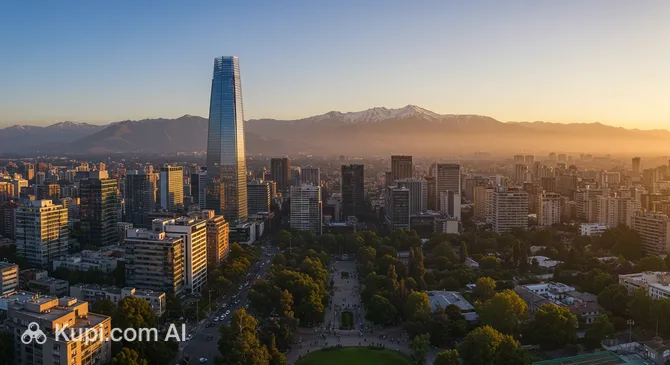
Illustration.
Source: Kupi.com AI

Chile's nature is truly breathtaking: from the Atacama Desert in the north, the driest desert in the world where you can gaze at the stars in one of the planet's clearest skies, to the rugged beauty of Patagonia with its majestic mountains and glaciers in the south. The country is rich in national parks, offering endless opportunities for trekking, mountaineering, and observing unique flora and fauna. The climatic diversity allows for various types of recreation all year round.

Chile's cultural heritage is a fascinating blend of indigenous traditions and European influence, reflected in its architecture, art, music, and, of course, the local cuisine, which is rich in seafood and excellent wines. Cities such as the colorful Viña del Mar, known for its beaches and gardens, offer a chance to experience Chilean hospitality and immerse yourself in the unique atmosphere of this South American gem.

Currency

The national currency of Chile is the Chilean peso (international code CLP). Banknotes of various denominations are in circulation, often featuring prominent historical figures and iconic natural landscapes of the country, such as national parks or famous personalities. Coins are also used for daily transactions. The design of Chilean money is quite modern and reflects the cultural and natural wealth of the country.

Foreign currency can be exchanged for Chilean pesos at banks or official exchange offices (casas de cambio), which are common in major cities and tourist areas. It is recommended to compare rates in several places and avoid exchanging money with street money changers due to potentially unfavorable rates or the risk of fraud. Credit cards (Visa, MasterCard, American Express) are widely accepted in most hotels, restaurants, and large stores, especially in the capital Santiago and other popular tourist destinations. Nevertheless, it is always useful to have some cash on hand for small purchases, paying for services at markets, or in remote areas.

Visa Requirements

When planning a trip to Chile, it is important to familiarize yourself with the visa rules in advance. For citizens of many countries, including those of the European Union and the USA, a visa-free regime often applies for tourist visits of a certain duration. Citizens of other states, including some CIS countries, may require a tourist visa. It is usually obtained in advance through a Chilean embassy or consulate. Regardless of visa requirements, you will need a valid passport to enter the country, and its validity must cover the entire period of your stay.

In addition to a passport, you may be asked to present return tickets, proof of accommodation booking, and medical insurance at the border. Visa rules are subject to change, so it is strongly recommended to check the most up-to-date information on the official website of the Chilean embassy in your country or on official immigration portals before your trip. This will help avoid unforeseen situations and make your travel preparation more relaxed.

We'll let you know if you need a visa

Enter your destination or
Your nationality
Destination

Timezones

When traveling to Chile, it is important to remember that the country uses several time zones. This is due to its significant north-south extent, as well as the presence of island territories such as Easter Island.

Most of continental Chile, including the capital Santiago, follows one time (standard UTC-4, with daylight saving time UTC-3). However, the famous Easter Island (Rapa Nui) is in a different time zone, which is usually two hours behind continental time (standard UTC-6). Additionally, the southernmost region of the country, Magallanes and Chilean Antarctica, often adheres to its own time (usually UTC-3 year-round). Therefore, when planning a trip across various regions of Chile, be sure to check the local time to avoid misunderstandings with transport schedules, excursions, and domestic flights.

Getting There

When planning a trip to Chile, most tourists choose air travel as the most convenient way to reach this South American country. The main international air hub is the airport in the capital, Santiago, which receives flights from Europe, North America, other Latin American countries, as well as Australia and New Zealand. There are both direct flights and convenient connecting routes through major hubs, allowing you to find the best option from almost anywhere in the world.

For those who prefer overland travel or are combining a visit to Chile with other neighboring countries, it is possible to cross the border by bus. Chile has land borders with Argentina, Bolivia, and Peru, and regular international buses run between these countries. Railway communication with other countries is poorly developed. As for sea transport, Chile is a popular destination for cruise ships, especially in the Patagonia region, but regular passenger ferry lines from other countries are generally unavailable.

Regardless of the chosen method of travel, it is recommended to book tickets in advance, especially if your trip falls during the peak tourist season (usually the Chilean summer, from December to February) or during major holidays. This will help not only to save money but also to guarantee seat availability.

AirportCityIATA
Arturo Merino Benitez AirportSantiagoSCL
El Loa AirportCalamaCJC
Carriel Sur AirportConcepciónCCP
Cerro Moreno International AirportAntofagastaANF
El Tepual AirportPuerto MonttPMC

Chile offers travelers a diversity of destinations, from vibrant metropolises to cozy resort towns. From the snow-capped peaks of the Andes to the endless beaches of the Pacific Ocean, everyone will find something for themselves here. The heart of the country is undoubtedly its capital, Santiago—a modern and lively city that combines historical architecture with the latest skyscrapers, a rich cultural life, and numerous museums.

Illustration.
Source: Kupi.com AI

For those dreaming of a beach holiday, Chile offers magnificent resorts. One of the most famous is Viña del Mar, often called the "Garden City" for its well-kept parks and flower clock. This resort attracts tourists with its beautiful beaches, casinos, and an annual international song festival. Another popular coastal city is La Serena, the second oldest city in Chile, known for its long beaches, colonial architecture, and observatories from which you can watch the stars.

In addition to the capital's charm and coastal beauty, Chile is proud of its cities with rich history and unique atmospheres. For example, Valdivia, located in the south of the country, is famous for its German heritage, picturesque rivers, and ancient forts. This city attracts nature and history lovers, offering river boat trips, brewery visits, and an introduction to local culture. Each of these cities and resorts offers its own unique experience, making a trip through Chile unforgettable.

Top Attractions

Chile is a land of contrasts, and its attractions reflect this in full. From ultra-modern architectural wonders to historical centers and unique natural sites—every traveler will find something exciting while exploring this amazing country.

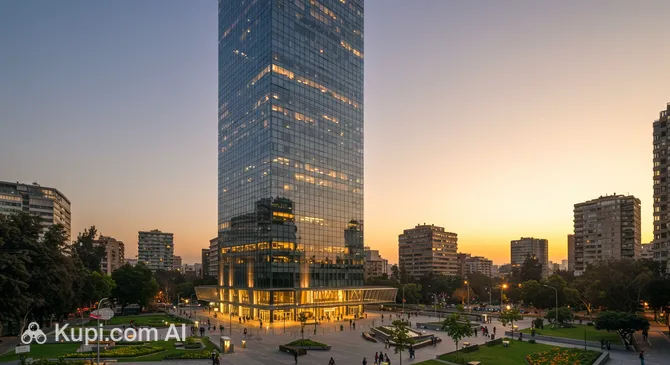
Start your acquaintance with the capital, Santiago, and its iconic structure—the Costanera Center. This complex, which includes the tallest skyscraper in Latin America, Gran Torre Santiago, offers not only shopping and entertainment but also breathtaking panoramic views of the city and the surrounding Andes from the Sky Costanera observation deck.

Illustration.
Source: Kupi.com AI

Traveller photos:

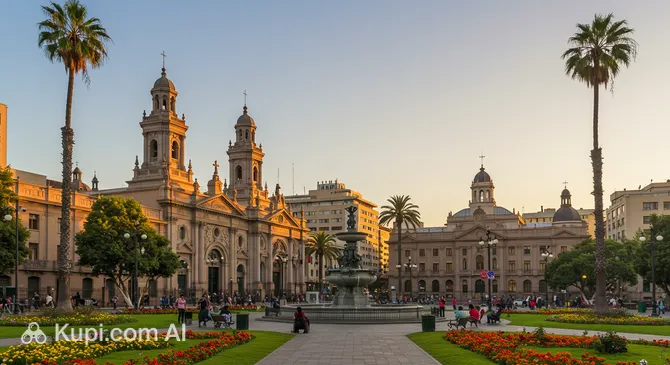
While in Santiago, be sure to visit the heart of the city—Plaza de Armas. This historic square is surrounded by significant buildings such as the Metropolitan Cathedral, the Central Post Office, and the National History Museum. It is a great place to feel the rhythm of the capital and learn about its colonial past.

Illustration.
Source: Kupi.com AI

Traveller photos:

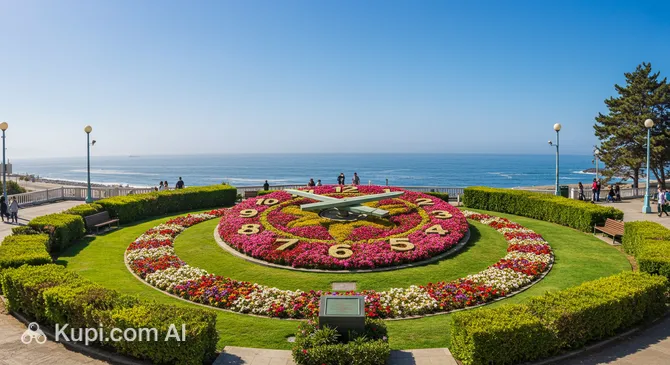
Not far from the capital, in the resort city of Viña del Mar, is one of Chile's most photographed attractions—the Flower Clock (Reloj de Flores). This unique clock mechanism, decorated with fresh flowers, was installed in 1962 and remains a symbol of the city and a popular spot for walks.

Illustration.
Source: Kupi.com AI

Traveller photos:

If your journey takes you north to the city of La Serena, don't miss the Monumental Lighthouse (Faro Monumental). It is not just a navigational aid, but a symbol of the city built in the middle of the 20th century. Its observation deck offers a beautiful view of the ocean and the coast.

Best Time to Visit

Chile is a land of amazing contrasts, and its climate is as diverse as its landscapes, which stretch for thousands of kilometers from north to south. Therefore, choosing the best time to visit largely depends on your plans. The high season traditionally falls during the Chilean summer, from December to February. During this time, the weather is warm, and in the north and center, it is hot and dry. This is the ideal period for exploring Patagonia, relaxing on the beaches of the central coast, such as Viña del Mar, and trekking in the Andes. However, be prepared for large crowds of tourists and, as a result, higher prices for accommodation and services.

The shoulder season, covering spring (September–November) and autumn (March–May), is considered by many travelers to be the golden mean. The weather during these periods is usually mild and pleasant, there are significantly fewer tourists, and prices are more affordable. Spring delights with blooming flowers, especially the famous Desierto Florido (Flowering Desert) phenomenon in the Atacama, which happens after rainy winters (though not every year). Also in September, the whole country celebrates Fiestas Patrias, the main national holidays. Autumn is the time for the grape harvest and colorful Vendimia festivals in wine-growing regions, as well as a season of golden colors in the southern forests. The low season (June–August) coincides with winter. In the central and southern parts, this is a time of rain and cool temperatures, but it also opens the ski season at resorts near Santiago. In Patagonia, many routes may be closed due to snow.

Given Chile's immense length, climatic conditions can differ drastically in different parts of the country at the same time. For example, while the Atacama Desert in the north enjoys eternal sunshine, Patagonia in the south can be cold and windy. Therefore, when planning your trip, be sure to check the weather forecast for the specific regions you intend to visit to ensure your journey leaves only the best impressions.

Traditions

Chileans are known for their friendliness and openness. When meeting, it is customary to exchange handshakes, and between close acquaintances, especially women, or a man and a woman, a light kiss on the right cheek is common. Eye contact during conversation is valued as a sign of respect. Hospitality is an important part of Chilean culture; if you are invited to a home, bring a small gift, such as wine or sweets. Interestingly, being slightly late for an informal meeting (up to 30 minutes) is often considered acceptable and is known as "la hora chilena" (Chilean time), but you should arrive on time for official meetings. To show respect, avoid open criticism of the country and be patient with the more relaxed pace of life, especially outside the capital Santiago.

In everyday life in Chile, the dress code is quite casual, but when visiting churches, it is recommended to choose more modest attire that covers the shoulders and knees. At the table, it is customary to keep your hands visible rather than under the table, and to use cutlery according to the European style; do not start eating until everyone is seated or the host gives a signal. One of the most vibrant and significant national holidays is Fiestas Patrias, celebrated on September 18 and 19. During these days, the whole country celebrates Independence Day and Army Day with parades, traditional rodeos, festivals featuring the cueca dance, and abundant food, providing a wonderful opportunity to immerse yourself in the local culture.

Entertainment

Chile is a land of contrasts, offering travelers a kaleidoscope of entertainment for every taste. Thanks to its unique geography, stretching from arid deserts to glaciers, Chile is a paradise for outdoor enthusiasts. Here you can go on exciting hikes along the trails of the Andes and Patagonia, conquer the waves on a surfboard along the Pacific coast, go skiing, or explore incredible natural landscapes while rafting, kayaking, or even diving in certain regions.

The cultural program in Chile is equally rich. In major cities, and primarily in the capital Santiago, you will find numerous museums, art galleries, and theaters where you can learn about the history and contemporary art of the country. In the evening, many neighborhoods come alive, offering cozy bars, restaurants serving national cuisine, and clubs where you can immerse yourself in the nightlife and enjoy famous Chilean wines.

Shopping enthusiasts will find many interesting items in Chile: from products made of semi-precious lapis lazuli, considered the national stone, and high-quality alpaca wool items to excellent local wines and pisco. For family holidays, the country offers visits to numerous national parks where you can observe unique flora and fauna, as well as various entertainment centers and themed zones in cities that will keep young travelers entertained.

Currency rates

Planning a trip? Wonderful! To make sure the financial side of your journey holds no surprises, it's worth remembering that exchange rates are constantly changing. That's why we strongly recommend keeping an eye on current rates both before departure and throughout your trip. To help with that, you can use the data provided below — we monitor exchange rates 24/7 and strive to provide the most up-to-date information.

CLP exchange rate for 14/08/2026

1 AED
~ 247.71 CLP
1 AMD
~ 2.49 CLP
1 AUD
~ 641.85 CLP
1 AZN
~ 535.33 CLP
1 BYN
~ 303.40 CLP
1 CAD
~ 652.32 CLP
1 EUR
~ 1048.22 CLP
1 GBP
~ 1226.99 CLP
1 HUF
~ 2.88 CLP
1 INR
~ 9.54 CLP
1 KGS
~ 10.40 CLP
1.56 KRW
~ 1 CLP
1 KZT
~ 1.95 CLP
1 PLN
~ 243.55 CLP
1 RUB
~ 10.92 CLP
1 SAR
~ 241.90 CLP
1 SGD
~ 710.73 CLP
1 TRY
~ 19.04 CLP
1 UAH
~ 20.34 CLP
1 USD
~ 909.92 CLP
13.14 UZS
~ 1 CLP

Reached the bottom of the page?

Looks like you know this route inside out

We use cookies and services to collect user information. This is essential for the functioning of the site and for marketing purposes. You can find out more in .