Support

Guyana

Cities in the country

About

Guyana, whose name is often translated as "land of many waters," is a stunning country on the northeast coast of South America offering travelers a unique experience. It stands out among its neighbors with its official English language, vibrant Caribbean flair, and incredible natural wealth. A significant part of its territory is covered with pristine rainforests, deep rivers, and vast savannas, making Guyana a true paradise for ecotourism and adventure seekers.
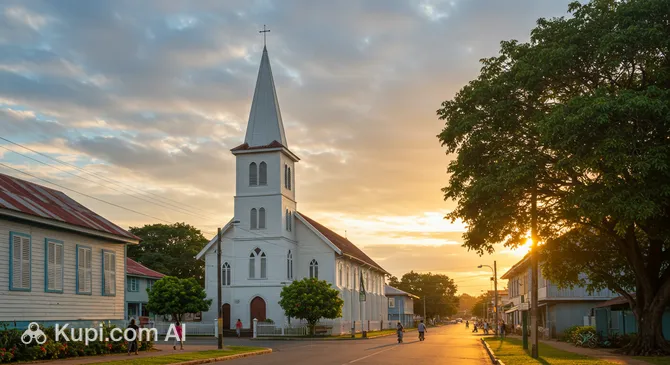
Illustration.
Source: Kupi.com AI

The country's capital, Georgetown, attracts visitors with its distinctive colonial wooden architecture, bustling and colorful markets like the famous Stabroek Market, and a general relaxed atmosphere. However, Guyana's true treasures are hidden in its interior. One of the most breathtaking natural wonders is the Kaieteur region, home to one of the world's highest and most powerful single-drop waterfalls – Kaieteur Falls. A visit to this place will undoubtedly be one of the highlights of your trip.

Guyana offers a rare combination of untouched wilderness, a multifaceted culture where Indigenous, African, Indian, and European traditions are intertwined, and the sincere hospitality of the local people. This destination is perfect for those seeking to step off the standard tourist paths and ready to discover unexplored corners of our planet, full of authenticity and natural beauty.

Currency

The national currency of Guyana is the Guyanese dollar (GYD). The banknotes often depict local natural attractions, such as the famous Kaieteur Falls, as well as representatives of the country's flora and fauna. It is recommended to exchange foreign currency for Guyanese dollars at official banks or licensed exchange offices, which can be found in the capital, Georgetown, and other major cities. Try to avoid exchanging money with street money changers due to the risk of fraud or getting an unfavorable rate.

Credit cards, mainly Visa and MasterCard, are accepted in major hotels, restaurants, and some supermarkets in Georgetown. However, outside the capital and in smaller establishments, cash is preferred. Therefore, it is always useful to carry a sufficient amount of local currency, especially if you plan to travel to remote areas of Guyana. ATMs are also available, but primarily in the capital and larger settlements.

Visa Requirements

When planning a trip to Guyana, it is important to check visa requirements in advance. For citizens of many countries, including European Union countries, the USA, and Canada, a visa is generally not required for tourist trips for a certain period. However, citizens of several other states may need a tourist visa to enter Guyana. Regardless of visa rules, you will definitely need a valid passport to cross the border, with a validity period usually of at least six months from the moment of intended departure from the country.

If a visa is necessary for your trip to Guyana, it can be obtained in advance at a Guyanese embassy or consulate in your country of residence, or, for certain categories of citizens, there is the possibility of applying for an electronic visa (e-Visa) online. In addition to a visa and passport, be prepared that return tickets, proof of hotel booking, and possibly evidence of sufficient financial means for the duration of the stay may be required. Medical insurance is also an important document for any trip. We strongly recommend checking the most up-to-date visa information on the official websites of Guyanese embassies or visa centers before your trip, as visa rules can change.

We'll let you know if you need a visa

Enter your destination or
Your nationality
Destination

Timezones

When planning a trip to Guyana, you don't have to worry about changing time zones within the country. The entire territory of Guyana is in one time zone.

The official time zone of Guyana is GMT-4 (four hours behind Greenwich Mean Time). This means the time is the same in all regions, including the capital Georgetown and other settlements.

Getting There

The easiest way to reach Guyana is by air. The country's main gateway is Cheddi Jagan International Airport (GEO), located near the capital, Georgetown. Regular flights connect Guyana with cities in North America (such as New York, Miami, Toronto), Caribbean countries (such as Trinidad and Tobago, Barbados), and there are also connections through Panama, making travel easier from other regions of the world. Some flights may also operate from neighboring South American countries.

For those who prefer land routes, there are options for crossing the border from neighboring countries. The most popular border crossings are the ferry crossing across the Corentyne River from Suriname and the road route from Brazil to the Lethem area. Traveling by sea on large passenger ships or cruise liners to Guyana is not a common way of arrival, although local boat services exist with neighboring territories. Regardless of the chosen method, it is recommended to book tickets in advance, especially if your trip falls during the peak tourist season or holidays, to ensure the best prices and availability. Also, do not forget to check the visa requirements for entry in advance.

AirportCityIATA
Cheddi Jagan International AirportGeorgetownGEO

Guyana, a land of amazing natural contrasts and rich culture, offers travelers various destinations to explore. From bustling urban centers to gateways to untouched jungles and savannas, everyone will find something to their liking. An introduction to the country often begins with its capital, Georgetown, which charms with its colonial architecture, wide tree-lined streets, and the famous Stabroek Market.

Illustration.
Source: Kupi.com AI

For nature lovers and adventure seekers, Guyana has true treasures in store. One of the most breathtaking places is Kaieteur, known primarily for its namesake waterfall, one of the highest and most powerful in the world. This place strikes with its primordial beauty and power. The town of Lethem, located on the border with Brazil, serves as a starting point for exploring the unique ecosystems of the Rupununi savanna and getting to know the culture of local Indigenous communities.

In addition to the capital and natural wonders, there are other interesting towns in Guyana. For example, New Amsterdam, the country's second-largest city, boasts a rich history and is an important economic center. The small town of Bartica, located at the confluence of three rivers, is often called the "gateway to the interior" and attracts those who want to dive deeper into the life of regions far from the coast. Each of these places offers its own unique experience and perspective on multifaceted Guyana.

Top Attractions

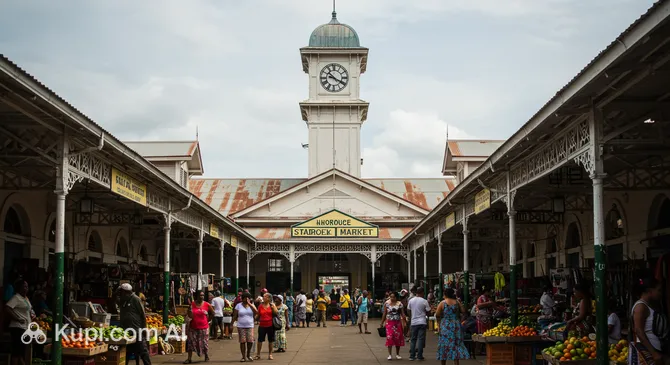
One of the most iconic landmarks of Guyana is the Stabroek Market in Georgetown. This is not just a place for shopping, but a true symbol of the city with its famous iron clock tower. Here you can immerse yourself in the bustling local life, find exotic fruits, fresh produce, and unique souvenirs, feeling the authentic spirit of Guyana.

Illustration.
Source: Kupi.com AI

Traveller photos:

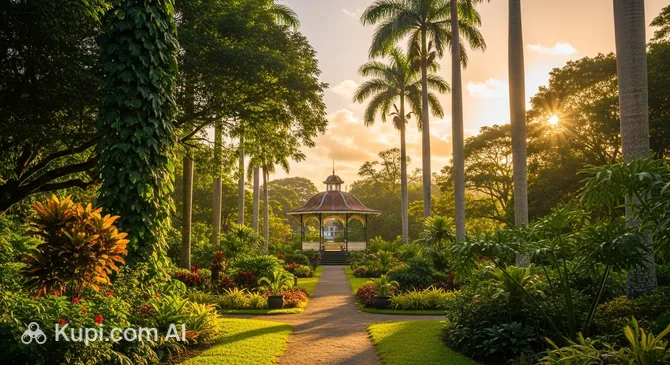
For lovers of nature and peaceful relaxation, the Georgetown Botanical Gardens is a must-visit. This vast green oasis offers a chance to see a rich collection of tropical plants, including the amazing Victoria Regia lilies. The garden is a wonderful place for walking, bird watching, and simply enjoying the silence away from the city bustle.

Illustration.
Source: Kupi.com AI

Traveller photos:

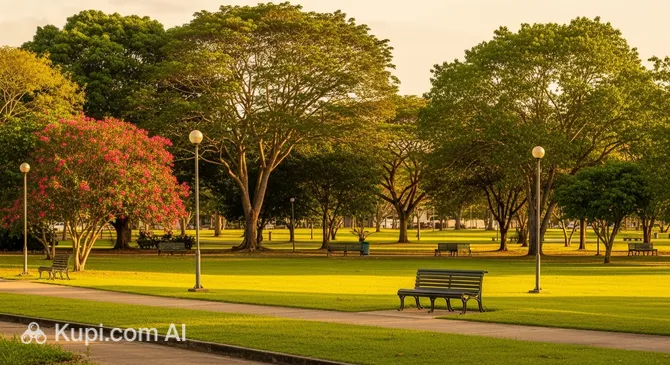
Another popular place for rest and leisure in the capital is the National Park. It offers spacious green lawns, shaded alleys, and opportunities for active pastimes. It is a great place for a picnic, a morning run, or just to relax and observe city life.

Illustration.
Source: Kupi.com AI

Traveller photos:

Best Time to Visit

Guyana, with its equatorial climate, has two main dry periods that are considered the high season for travel: from late January to April and from late August to November. During this time, you can expect predominantly sunny weather with less rainfall and more comfortable humidity. These are ideal conditions for exploring the country's rich nature: from rainforest trekking to visiting the famous Kaieteur Falls and safaris in the Rupununi savannas. Roads into the interior leading to places like Lethem or Mahdia are usually in better condition then, making travel easier. While Guyana does not experience the same influx of tourists as some other destinations, there may be slightly more travelers during these months.

The low season in Guyana coincides with two rainy periods: from May to mid-August and from mid-November to mid-January. These periods are characterized by frequent, sometimes heavy, tropical showers, and the humidity rises noticeably. However, this season also has its advantages: nature appears in all its glory, and waterfalls, including Kaieteur, become especially full and spectacular. There are usually fewer tourists, creating a more secluded atmosphere, and you can sometimes find better deals on accommodation and tours. The main downside is that rain can disrupt plans, and some roads to the interior may become difficult to traverse.

When planning your trip, it is also worth considering interesting events. The vibrant Mashramani festival (Republic Day) takes place in February, in the middle of the dry season. At Easter (usually March-April), you can visit the exciting Rupununi Rodeo. September in Guyana is Amerindian Heritage Month, accompanied by various cultural events. Although the climate across the country is generally tropical, it is worth remembering that weather conditions in coastal areas and the interior savannas may differ slightly, especially in terms of rainfall intensity. Therefore, if your goal is a specific region, it is recommended to check the local forecast.

Traditions

Guyanese people are known for their friendliness and openness. Greetings usually involve a handshake and direct eye contact, which is considered a sign of respect. Although communication is often informal, addressing elders or people you don't know well using titles (Mr., Mrs.) will be appreciated. Hospitality plays an important role in Guyanese culture; if you are invited into a home, it is a great honor. A small gift for the hosts, such as fruit or sweets, is a nice gesture, although not always strictly required. In general, politeness, a smile, and a sincere interest in your conversation partner will help establish contact with the locals. Try to avoid excessive haste and public displays of dissatisfaction – calm and respectful communication is valued here.

Regarding clothing, light and comfortable items are preferred in everyday life due to the tropical climate. However, when visiting religious sites – churches, mosques, or Hindu temples – it is important to dress modestly, covering shoulders and knees. There are no strict rules at the table, but people usually wait for the hosts to begin the meal, and it is considered polite to try at least a little of every dish offered. Guyana's cultural life is rich and diverse, reflected in its holidays. For example, Mashramani (Republic Day) in February is a vibrant carnival with music, dancing, and street processions, while Diwali, the festival of lights, is widely celebrated by the Hindu community and lights up the country with thousands of lamps, symbolizing the victory of good over evil. Familiarizing yourself with these traditions will allow you to deeper understand the soul of Guyana and show respect for its multinational heritage.

Entertainment

Guyana offers travelers a unique spectrum of entertainment, focused mainly on its incredible nature and distinctive culture. Fans of active recreation will discover a world of untouched tropical forests, ideal for hiking, bird watching, and expeditions along numerous rivers. A visit to the majestic waterfalls will be an unforgettable adventure. The country's cultural life reflects its multinational heritage: in the capital, Georgetown, you can visit museums, get acquainted with local art, and perhaps catch music or dance performances demonstrating colorful traditions.

Evening entertainment in Guyana is mainly concentrated in Georgetown, where you can find restaurants with Caribbean and international cuisine, as well as cozy bars offering local rum and a relaxed atmosphere. For those interested in shopping, the capital offers markets and shops where you can purchase unique handmade souvenirs, wooden crafts, as well as the famous Guyanese rum and jewelry. Families with children will also find things to do, especially if they are drawn to learning about nature – many eco-lodges and national parks offer educational walks and the chance to see exotic animals and plants in their natural habitat.

Currency rates

Planning a trip? Wonderful! To make sure the financial side of your journey holds no surprises, it's worth remembering that exchange rates are constantly changing. That's why we strongly recommend keeping an eye on current rates both before departure and throughout your trip. To help with that, you can use the data provided below — we monitor exchange rates 24/7 and strive to provide the most up-to-date information.

Reached the bottom of the page?

Looks like you know this route inside out

We use cookies for your convenience.