Cook Islands

Cities in the country

About

The Cook Islands are a true gem of Polynesia, an archipelago of 15 stunning islands scattered across the South Pacific. This destination beckons travelers with its pristine tropical beauty, unique Maori culture, and relaxed atmosphere. The Cook Islands offer a perfect blend of secluded beaches, lush green mountains, and crystal-clear lagoons. The country's capital, Avarua, located on the main island of Rarotonga, serves as the cultural and economic heart of the archipelago while retaining the charm of a small Polynesian town.
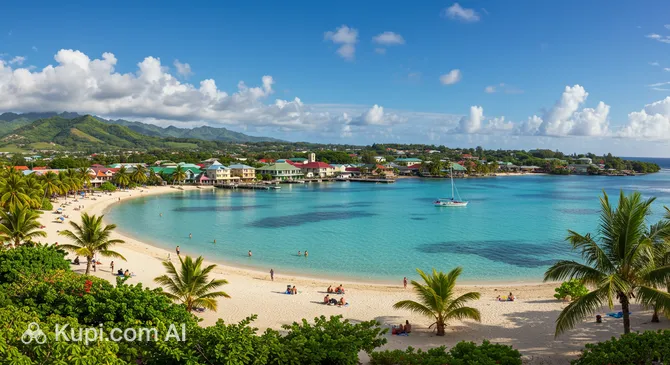
Illustration.
Source: Kupi.com AI

Nature has generously endowed the Cook Islands: here you will find volcanic peaks covered in dense forests, endless white-sand beaches, and incredible coral reefs teeming with marine life. The warm tropical climate allows for year-round vacations. The islands are ideal for swimming, snorkeling, diving, and simply peacefully contemplating the vastness of the ocean. Particularly popular is the island of Aitutaki, famous for its breathtaking turquoise lagoon, often cited as one of the most beautiful in the world.

The cultural heritage of the Cook Islands is deeply rooted in Polynesian traditions. Local residents, known for their friendliness and hospitality, carefully preserve their customs, music, dance, and crafts. A journey here is an opportunity to immerse yourself in authentic island life, discover a unique way of living, and enjoy a calm, measured pace. Visiting a local market, such as the Punanga Nui Market in the capital, or one of the cultural festivals will leave unforgettable impressions of the warmth and vibrant character of these paradise islands.

Currency

The official currency of the Cook Islands is the New Zealand dollar (NZD). In parallel, the islands issue their own Cook Islands dollar, which is pegged to the New Zealand dollar at a 1:1 ratio and is not legal tender outside of the Cook Islands. While New Zealand banknotes are in wide circulation, Cook Islands coins are quite distinctive and popular among collectors, especially the triangular $2 coin and the $1 coin featuring the god Tangaroa. It is worth noting that Cook Islands banknotes are less common.

Currency exchange is recommended at banks or official exchange offices in the capital, Avarua, or upon arrival at the international airport, where rates may be more favorable. Major credit cards such as Visa and Mastercard are widely accepted in hotels, resorts, large restaurants, and shops, especially on the islands of Rarotonga and Aitutaki. However, it is always wise to carry some cash, as small outlets, local markets, and businesses on more remote islands may prefer cash payments. Having various payment options will ensure a comfortable stay during your visit to the beautiful Cook Islands.

Visa Requirements

When planning a trip to the Cook Islands, it is worth checking the visa rules in advance. For citizens of most countries, including European Union countries, the USA, and many others, a visa is not required for tourist stays of up to 31 days. Entry into the country is granted based on a valid passport, which must be valid for at least 6 months from the intended date of departure from the Cook Islands. It is also necessary to have a return ticket or a ticket to the next destination and proof of sufficient funds for the stay.

Despite these general rules, it is always strongly recommended to verify the latest information on visa requirements and necessary documents directly before your trip. You can do this on the official websites of the Cook Islands immigration service or by contacting the nearest consular office representing the country's interests. Visa rules can change, so a timely check will help avoid unforeseen situations.

We'll let you know if you need a visa

Enter your destination or
Your nationality
Destination

Timezones

When heading to the Cook Islands, you won't have to worry about changing time zones within the country. The entire archipelago operates on a single time zone—UTC-10:00 (Coordinated Universal Time minus 10 hours), also known as Cook Islands Time (CKT). This means the time is the same across all islands, including the capital Avarua and popular tourist destinations.

This uniformity significantly simplifies planning travel between the islands and allows you to travel through this Pacific paradise without worrying about resetting your watch.

Getting There

The most convenient way to reach the paradisiacal Cook Islands, located in the heart of the Pacific Ocean, is by air. The main gateway to the country is Rarotonga International Airport (RAR), situated near the capital Avarua. Most international flights arrive here, typically with connections in New Zealand (e.g., from Auckland), Australia (e.g., from Sydney), or less frequently, from other Pacific hubs.

As the Cook Islands are an archipelago, there are no direct overland or regular ferry services from other countries. While cruise ships occasionally visit the islands as part of Pacific routes, air travel remains the primary method of arrival for most tourists. It is recommended to plan your trip and book flights well in advance, especially if your visit coincides with the peak tourist season, to ensure the best prices and availability.

AirportCityIATA
Rarotonga AirportAvaruaRAR
Aitutaki AirportAitutakiAIT

The Cook Islands are a scattering of paradisiacal gems in the Pacific Ocean, beckoning travelers with pristine nature, authentic Polynesian culture, and an atmosphere of total tranquility. Popular destinations here include picturesque islands and atolls, each with its own unique character. From the bustling capital to secluded lagoons, the Cook Islands offer a vacation for every taste.

The heart of the archipelago and its main town is Avarua, located on the largest island, Rarotonga. Here you will find the primary infrastructure, colorful markets where you can buy local souvenirs and fresh fruit, and get to know the culture and lifestyle of the islanders.

Illustration.
Source: Kupi.com AI

The undisputed star among the islands is the atoll of Aitutaki, whose lagoon is considered one of the most beautiful in the world. Its turquoise waters, dotted with tiny uninhabited islands (motu), and white sandy beaches create ideal conditions for snorkeling, diving, and an unforgettable romantic getaway. Lovers of a more authentic and secluded holiday should look towards Atiu, known for its ancient caves, coffee plantations, and unique birdlife. And if you are drawn to ancient mysteries and unusual landscapes, the island of Mangaia, one of the oldest in the Pacific, will offer you a unique experience.

Top Attractions

The Cook Islands charm visitors not only with their paradisiacal beaches but also with unique places where you can touch the local culture and enjoy hospitality. Everyone will find something interesting here, from bustling markets to secluded restaurants with stunning views.

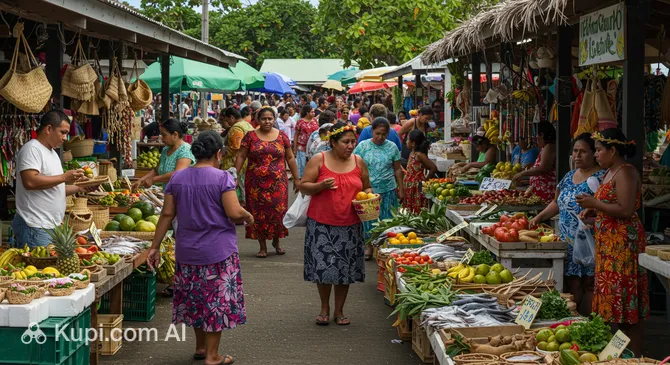
One of the most colorful places to experience island life is the Punanga Nui Market. Located in the capital, Avarua, this lively market offers fresh tropical fruits, local delicacies, unique handmade crafts, famous black pearls, and vibrant pareos. It is a wonderful place to buy authentic souvenirs and immerse yourself in the daily life of the islands.

Illustration.
Source: Kupi.com AI

Traveller photos:

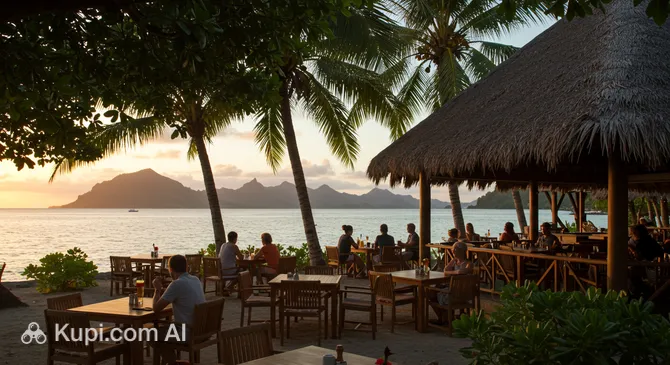
The legendary restaurant and bar Trader Jacks is an iconic spot in Avarua, located right on the water's edge. It is famous for its relaxed atmosphere, delicious fresh seafood dishes, and, of course, magnificent ocean views, especially at sunset. It is a favorite spot for both locals and tourists looking to relax and enjoy the moment.

Illustration.
Source: Kupi.com AI

Traveller photos:

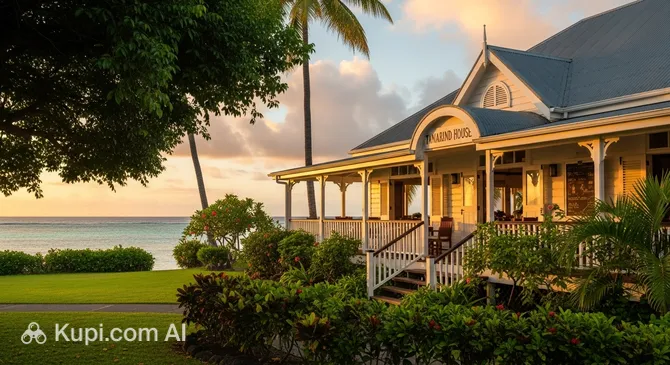
For those seeking a more refined setting, the Tamarind House restaurant is a true find. It is housed in a charming historic colonial building surrounded by a lush tropical garden, with a terrace overlooking the lagoon. The restaurant's menu offers exquisite Pacific and European cuisine, making it an ideal choice for a romantic dinner or a special occasion.

Illustration.
Source: Kupi.com AI

Traveller photos:

Best Time to Visit

The Cook Islands are a tropical paradise where the weather is warm year-round, but like anywhere else, there are nuances to consider when planning your trip. High season on the islands usually lasts from May to October or November. During this time, the weather is dry and sunny, with comfortable air temperatures around +25-28°C and low humidity. This is the ideal period for beach vacations, snorkeling, diving, and exploring the islands. Additionally, from June to October, you can watch humpback whales migrating off the coast—a truly spectacular sight. However, be prepared for more tourists during the high season, and prices for accommodation and services may be higher.

Low season, or the rainy season, falls between November-December and April. During this time, it becomes hotter and more humid, with temperatures potentially rising to +30°C. The likelihood of short but intense tropical downpours increases, and there is a small risk of cyclones (especially from December to March). The advantages of this period are fewer tourists, lower prices, and the lush, vibrant greenery of the islands. However, keep in mind that some cafes, shops, or tour desks may operate on a reduced schedule or be temporarily closed. If you plan your trip for late July or early August, try to catch the country's main cultural festival—Te Maeva Nui, which celebrates Constitution Day. It is a colorful event with dancing, singing, and traditional performances that will provide unforgettable memories. Regardless of the season, the weather can vary slightly across different islands in the archipelago, so it's always useful to check the forecast for your specific destination.

Traditions

The people of the Cook Islands are famous for their warmth and hospitality. The key greeting here is "Kia orana," which means "may you live long." This is more than just a "hello"; it is a sincere wish for well-being. A smile and a friendly attitude are always appreciated. A polite tone is important when communicating; a handshake is appropriate when meeting someone, especially in more formal settings. If you are invited into a home, a small souvenir from your country or local fruit is a nice gesture, although island hospitality is genuine and does not require reciprocal gifts.

In daily life on the islands, a relaxed clothing style appropriate for the tropical climate prevails. However, it is important to remember that swimwear is intended strictly for the beach or pool. When visiting villages, shops, and especially churches, you should choose more modest clothing that covers the shoulders and knees. For women, a "pareu" (sarong) can be a good option. During traditional feasts, such as an "umukai" (food cooked in an earth oven), show respect by trying the dishes offered. One of the main cultural events is the Te Maeva Nui festival, which usually takes place in late July or early August and celebrates self-governance. It is a colorful spectacle with dancing, singing, and craft fairs, allowing for a deep immersion into the local culture.

To make your trip to the Cook Islands as comfortable and respectful as possible toward the locals, there are a few points to consider. Always ask for permission before taking photos of people. Sunday is a day of rest, prayer, and family gatherings for many islanders; on this day, most shops and some establishments may be closed, and public life slows down—please treat this with understanding. Avoid public displays of impatience or loud arguments. Respect for elders and local customs will help you better understand and appreciate the unique culture of these paradise islands.

Entertainment

The Cook Islands offer travelers a magnificent blend of relaxed island life and active adventure. The main activities here are undoubtedly centered around the ocean: crystal-clear lagoons are perfect for snorkeling, diving, and swimming, while kayaking or paddleboarding allows you to explore the picturesque coastline at your own pace. On some islands, including the main island of Rarotonga, hiking through tropical forests to viewpoints offering breathtaking panoramas is popular. Water sports enthusiasts will also find opportunities for surfing during certain seasons.

The cultural program on the Cook Islands is rich and authentic, allowing for a deep immersion into Polynesian heritage. Tourists can enjoy vibrant traditional dance shows, listen to live island music, and visit cultural villages where ancient customs and crafts are demonstrated. Local artisans are famous for their work: be sure to look for black pearl jewelry, intricate wood carvings, and colorful pareos. An excellent place to buy authentic souvenirs and discover local products is the Punanga Nui Market in the capital, Avarua.

Evening life on the islands features a calm and laid-back atmosphere. This might include dinners at restaurants serving local and international cuisine, often accompanied by live music, or cozy gatherings at hotel bars with tropical cocktails. For families, the Cook Islands offer safe beaches with gentle slopes into the water where children can play and swim worry-free. While there are no large theme parks, nature itself, the friendliness of the locals, and the chance to experience a unique culture make the islands a wonderful choice for a family vacation full of new discoveries and impressions.

Currency rates

Planning a trip? Wonderful! To make sure the financial side of your journey holds no surprises, it's worth remembering that exchange rates are constantly changing. That's why we strongly recommend keeping an eye on current rates both before departure and throughout your trip. To help with that, you can use the data provided below — we monitor exchange rates 24/7 and strive to provide the most up-to-date information.

NZD exchange rate for 14/08/2026

2.16 AED
~ 1 NZD
214.97 AMD
~ 1 NZD
1 AUD
~ 1.20 NZD
1 AZN
~ 1.00 NZD
1.76 BYN
~ 1 NZD
1 CAD
~ 1.22 NZD
1 EUR
~ 1.96 NZD
1 GBP
~ 2.30 NZD
185.28 HUF
~ 1 NZD
56.04 INR
~ 1 NZD
51.37 KGS
~ 1 NZD
833.22 KRW
~ 1 NZD
273.54 KZT
~ 1 NZD
2.19 PLN
~ 1 NZD
48.95 RUB
~ 1 NZD
2.21 SAR
~ 1 NZD
1 SGD
~ 1.33 NZD
28.06 TRY
~ 1 NZD
26.28 UAH
~ 1 NZD
1 USD
~ 1.70 NZD
7023.32 UZS
~ 1 NZD

Reached the bottom of the page?

Looks like you know this route inside out

We use cookies and services to collect user information. This is essential for the functioning of the site and for marketing purposes. You can find out more in .