French Polynesia

About

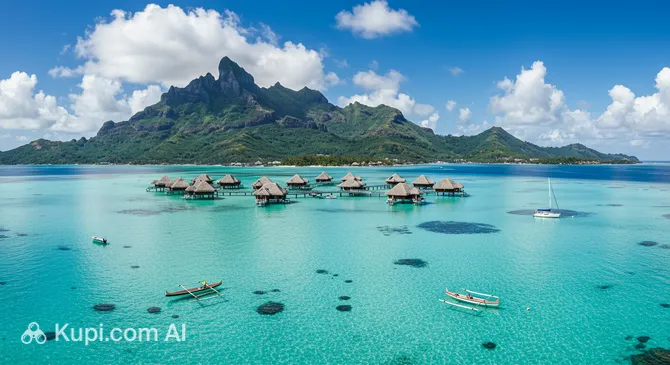
French Polynesia is an overseas collectivity of France, consisting of a cluster of 118 islands and atolls scattered across a vast territory in the South Pacific Ocean. This destination beckons travelers with its idyllic landscapes: turquoise lagoons, beaches with powdery white and black volcanic sand, lush tropical greenery, and luxurious overwater bungalows. The uniqueness of Polynesia lies in its incredible natural beauty, rich underwater world, and the sense of seclusion that every island offers.
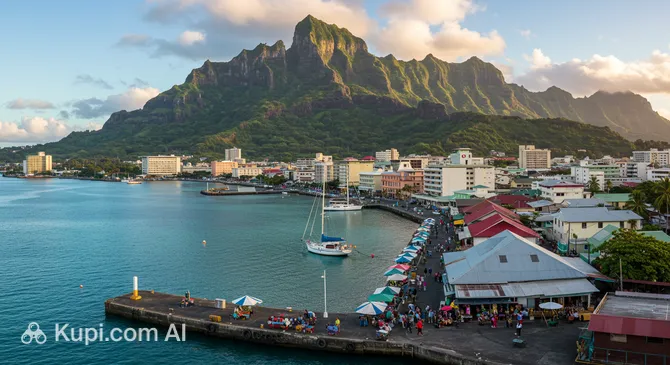
Illustration.
Source: Kupi.com AI

The culture of French Polynesia is a vibrant weave of ancient Polynesian traditions and French influence. The hospitality of the locals, their music, energetic dances, and skillful crafts enchant from the very first meeting. The capital, Papeete, located on the largest island of Tahiti, is the administrative and economic center where you can visit colorful markets, museums, and enjoy a lively atmosphere. Among the many islands, gems such as Bora Bora with its famous lagoon and Mount Otemanu, and Moorea, striking with its volcanic peaks and pineapple plantations, stand out in particular.

Thanks to its warm tropical climate, French Polynesia is attractive for vacations year-round, although the dry season from May to October is considered the most comfortable. Here, everyone will find something to their liking: from exploring coral reefs with rich marine life, surfing on famous waves, and hiking along mountain trails to serene relaxation on the beach or a romantic dinner under the stars. French Polynesia is a place where dreams of the perfect tropical getaway become reality, leaving unforgettable impressions and a desire to return again.

Currency

The national currency of French Polynesia is the French Pacific Franc (CFP), international code XPF. The CFP franc exchange rate is pegged to the Euro. Banknotes and coins feature colorful designs, often depicting local flora and fauna, as well as Polynesian cultural symbols. Banknotes of 500, 1,000, 5,000, and 10,000 francs are in circulation, along with coins of various denominations.

Currency can be exchanged at banks located in major cities like Papeete, at some hotels, and at Faaa International Airport. It is recommended to use official exchange points to avoid unfavorable rates. Credit cards (mainly Visa and Mastercard) are widely accepted in most hotels, restaurants, and large shops on tourist islands such as Tahiti, Bora Bora, and Moorea. Nevertheless, when visiting smaller islands or making purchases at local markets and small shops, it is worth having some CFP francs in cash with you.

Visa Requirements

When planning a trip to French Polynesia, it is important to clarify visa requirements in advance. Citizens of European Union countries and the USA generally do not require a visa for short-term tourist trips (usually up to 90 days). Representatives of other states may need a special visa for French overseas territories or a Schengen visa with the appropriate extension. Such a visa is usually arranged in advance through French consular offices.

To enter the country, all tourists need a valid passport with an expiration date that covers the intended period of stay. Return tickets, confirmation of accommodation bookings, and a medical insurance policy may also be required. Given that visa rules can change, it is strongly recommended to check the latest information on the official websites of French embassies or visa centers in your country before organizing a trip to French Polynesia.

We'll let you know if you need a visa

Enter your destination or
Your nationality
Destination

Timezones

French Polynesia, spread across a vast area of the Pacific Ocean, spans three time zones. The main part of the islands, including Tahiti and the Society Islands, the Tuamotus, and the Tubuai Islands, is in the UTC-10 time zone. The Marquesas Islands follow UTC-9:30, and the Gambier Islands follow UTC-9.

Travelers planning to move between the different archipelagos of French Polynesia should take this time difference into account. This is particularly relevant when booking domestic flights and organizing excursions to avoid misunderstandings and make the most effective use of your vacation time.

Getting There

There are several ways to reach French Polynesia, this paradise archipelago in the Pacific Ocean, but the main and most common is certainly air transport. The country's primary international gateway is Faaa International Airport (PPT), located near the capital Papeete on the island of Tahiti. Usually, you can fly here with connections from major transport hubs in North America (e.g., Los Angeles), Asia (e.g., Tokyo), New Zealand (Auckland), as well as from Paris, from where flights often operate with a technical stopover.

Sea travel enthusiasts also have the opportunity to arrive in French Polynesia: the islands of the archipelago are often included in the itineraries of cruise ships sailing the South Pacific. Additionally, the region is popular with sailors. It is important to note that, as French Polynesia is an island nation, there is no direct land connection with other countries. When planning your trip, especially during the peak tourist season, it is strongly recommended to book flights and accommodation in advance to secure the best options and avoid unnecessary hassle.

AirportCityIATA
Tahiti Faa'a AirportPapeetePPT
Motu Mute AirportBora BoraBOB
Raiatea AirportRaiateaRFP
Huahine AirportHuahineHUH
Temae AirportMooreaMOZ

French Polynesia is a scattering of paradise islands in the Pacific Ocean, each unique and attractive to travelers in its own way. Here you will find both bustling urban centers and secluded resorts offering an unforgettable vacation amidst tropical nature. A holiday here is an immersion into a world of turquoise lagoons, lush greenery, and rich Polynesian culture.

Illustration.
Source: Kupi.com AI

One of the most famous and desired destinations is undoubtedly Bora Bora. This atoll island is famous for its luxurious resorts, overwater bungalows, and an incredibly beautiful lagoon perfect for diving and snorkeling. The capital of French Polynesia, Papeete on the island of Tahiti, offers a chance to experience local urban life, visit a colorful market, museums, and enjoy a lively atmosphere.

No less attractive is the island of Moorea, known for its emerald mountains covered with pineapple plantations and calm bays. It is a great place for hiking, water sports, and experiencing traditional culture. For fans of diving and pristine nature, the Rangiroa atoll, one of the largest in the world, will be a true discovery, offering unique opportunities for observing marine fauna, including sharks and dolphins. Each of these islands will give you unforgettable impressions and help you discover all the magic of French Polynesia.

Top Attractions

French Polynesia is not just paradise beaches, but also many amazing places capable of enchanting any traveler. Here everyone will find something for themselves: from breathtaking panoramas to cozy corners for relaxation and getting to know the local culture.

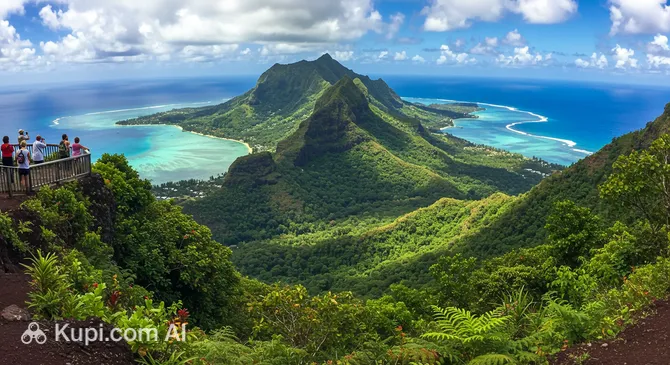
One of the most impressive spots is the Belvedere Lookout on the island of Moorea. From here, truly magical views of Cook's and Opunohu Bays, as well as Mount Rotui, open up. It is an ideal place for photography and peaceful contemplation of nature.

Illustration.
Source: Kupi.com AI

Traveller photos:

In the heart of the capital, Papeete, lies Place Vaiete – a lively center of city life. In the evening, locals and tourists gather here to enjoy the atmosphere, try street food from the famous roulottes (mobile restaurants), and simply relax by the ocean.

Illustration.
Source: Kupi.com AI

Traveller photos:

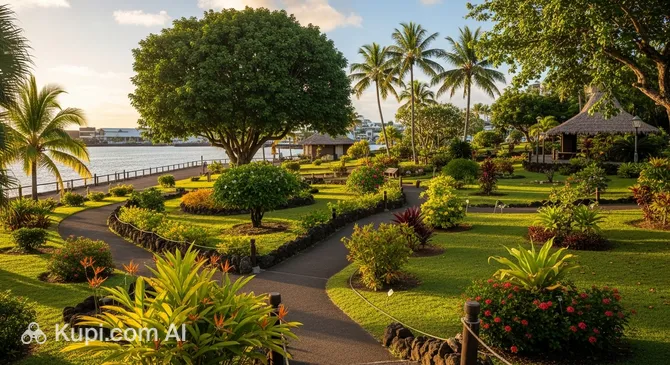
For those seeking peace and greenery amidst the city bustle, the Paofai Gardens in Papeete are an excellent choice. This well-maintained park on the oceanfront is a great place for walks, picnics, and relaxing in the shade of tropical trees while enjoying the fresh sea breeze.

Illustration.
Source: Kupi.com AI

Traveller photos:

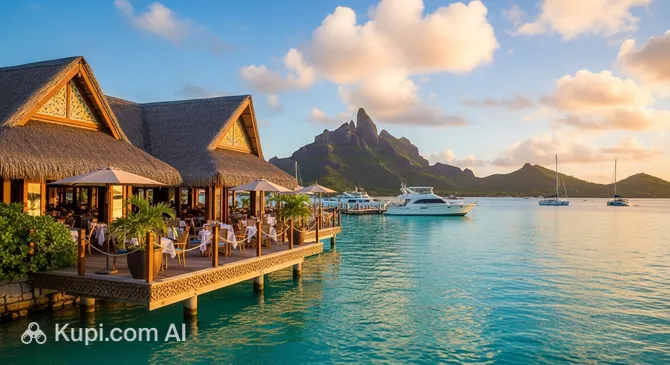
Lovers of fine cuisine and maritime romance should visit the Bora Bora Yacht Club. Located in a picturesque spot, it offers not only magnificent dishes but also stunning views of the lagoon, especially at sunset. This is a place where you can feel the true spirit of the famous island.

Illustration.
Source: Kupi.com AI

Traveller photos:

Best Time to Visit

French Polynesia is beautiful all year round, but choosing the best time for your trip depends on your preferences. The high season, or dry season, lasts from May to October. During this time, the weather is most favorable: sunny and dry, with comfortable air and water temperatures, making it ideal for beach holidays, diving, snorkeling, and other water activities. It is during this period, in July, that the famous Heiva i Tahiti cultural festival takes place, and you can also observe the migration of humpback whales (especially from July to October). However, it is worth noting that during the high season, popular islands such as Bora Bora or Moorea will have more tourists, and prices for flights and accommodation may be higher.

The low season, or wet season, falls between November and April. This time is characterized by warmer and more humid weather, with short but sometimes heavy rains, most often in the afternoon or at night. The air temperature is slightly higher, and nature becomes particularly lush and green. The main advantages of this period are fewer tourists and, as a rule, more attractive accommodation prices. While there is a possibility of tropical cyclones (especially from January to March), they do not occur every year and not on all islands. Despite potential rainfall, there are usually enough sunny days to enjoy your vacation, and the water remains warm and pleasant for swimming.

Traditions

French Polynesia will welcome you with warmth and cordiality, which are an integral part of the local culture. The greeting "Ia ora na!" (yo-rah-nah), accompanied by a sincere smile, is common. Locals value calm and friendly communication; eye contact and an open posture facilitate mutual understanding. Hospitality is held in high regard here; if you are invited into a home, a small token of appreciation, such as local fruit or flowers, will be appreciated, though not always strictly required. In everyday life, light and comfortable clothing prevails. However, remember that swimwear is only appropriate at the beach or by the pool, and when visiting churches or sacred marae sites, you should choose more modest outfits that cover the shoulders and knees.

At the table, especially during traditional feasts, participation and interest in the local cuisine are valued; often, some dishes are eaten with the hands, which is part of the cultural experience. One of the most vibrant events for a deep dive into the islands' culture is the Heiva i Tahiti festival. It takes place in July and showcases the full richness of Polynesian traditions through thrilling dance competitions, music, traditional sports, and crafts. To show respect for local customs, try to avoid excessive noise and haste – Polynesians value harmony and tranquility. It is also important to always ask permission before photographing people and to respect any marked "taboo" (sacred or forbidden) places or objects. Showing patience and taking things slowly will also be appreciated, as the concept of "island time" here is not just words, but part of a measured way of life.

Entertainment

French Polynesia is not just about paradise beaches, but a kaleidoscope of entertainment for every taste. Fans of active recreation will be thrilled by the opportunities for diving and snorkeling in crystal-clear lagoons where you can encounter rays and sharks, as well as surfing on world-famous waves. Land adventure enthusiasts can go on fascinating hikes through tropical forests and volcanic slopes, enjoying breathtaking views. Water sports such as kayaking, paddleboarding, and sailing are also widespread, offering ways to explore picturesque atolls and coastal areas.

For connoisseurs of cultural leisure, French Polynesia offers a deep dive into the unique Polynesian culture. You can visit traditional villages, learn about local crafts like tapa making or wood carving, see energetic "Ori Tahiti" dance shows, and hear the enchanting sounds of the ukulele. In the capital, Papeete, and on other islands, there are small museums telling the history of seafaring, art, and traditions of the region, as well as galleries presenting the work of contemporary local artists.

The nightlife on the islands of French Polynesia is more relaxed and romantic than boisterous. It is centered around cozy restaurants offering fresh seafood dishes, often with panoramic sunset views, and beach bars where you can enjoy an exotic cocktail to the sounds of live music or traditional Polynesian chants. As for shopping, it is a tradition to bring back the famous black pearls from French Polynesia, as well as exquisite items made of mother-of-pearl and shells, bright hand-painted pareos, aromatic monoi oil, and, of course, Polynesian vanilla. Major markets and souvenir shops can be found in Papeete, as well as in tourist centers on popular islands.

Families with children will also find many engaging and safe activities here. The calm, shallow lagoons are perfect for carefree swimming and a child's first introduction to the underwater world with a mask and snorkel. Many hotels offer kids' clubs and entertainment programs, while shared adventures like glass-bottom boat tours, feeding friendly rays, or picnics on secluded beaches will leave unforgettable memories for young travelers and their parents.

Currency rates

Planning a trip? Wonderful! To make sure the financial side of your journey holds no surprises, it's worth remembering that exchange rates are constantly changing. That's why we strongly recommend keeping an eye on current rates both before departure and throughout your trip. To help with that, you can use the data provided below — we monitor exchange rates 24/7 and strive to provide the most up-to-date information.

Reached the bottom of the page?

Looks like you know this route inside out

We use cookies and services to collect user information. This is essential for the functioning of the site and for marketing purposes. You can find out more in .