Australia

About

Australia is a stunning continent-country that attracts travelers with its vastness, unique nature, and relaxed atmosphere. Located in the Southern Hemisphere, it impresses with a variety of landscapes: from the endless deserts in the center to the tropical forests in the north and the famous beaches washed by the Pacific and Indian Oceans. Geographic isolation has contributed to the formation of a unique flora and fauna that cannot be found anywhere else in the world.

The culture of Australia is a bright kaleidoscope woven from the heritage of indigenous peoples, the traditions of British settlers, and the influence of immigrants from all over the world. A spirit of friendliness and ease prevails here, and the famous Australian "laid-back" lifestyle is felt everywhere. The country's capital is Canberra, a planned city that houses key government institutions and cultural centers.
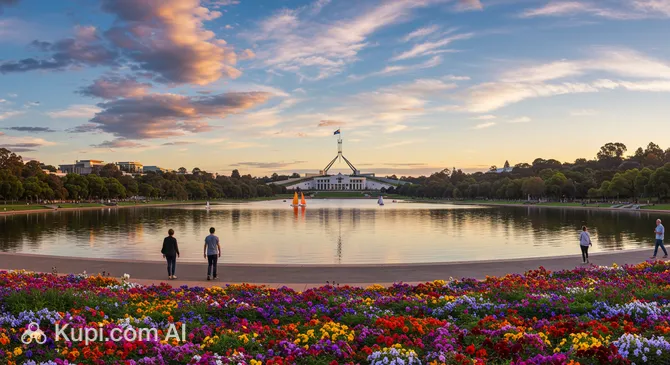
Illustration.
Source: Kupi.com AI

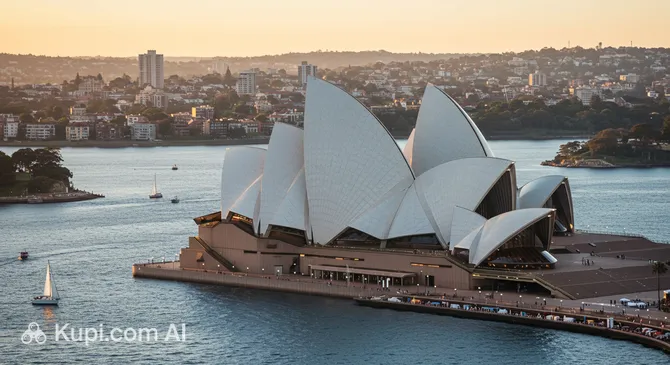
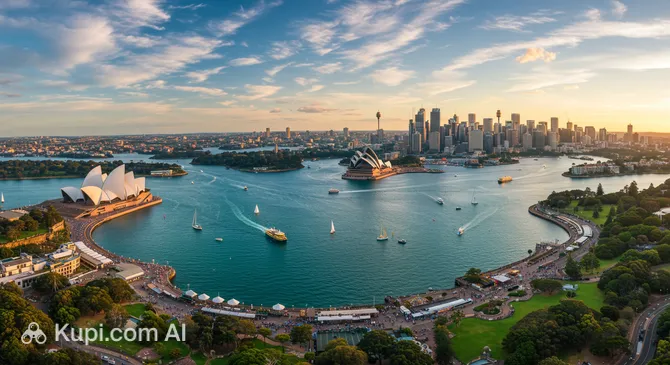
In addition to its unique nature, including the famous Great Barrier Reef, Australia is famous for its dynamic cities. Travelers are drawn to metropolises such as Sydney, known for its iconic Sydney Opera House and picturesque harbor, or Melbourne, the cultural capital with its numerous cafes, galleries, and street art. Australia offers endless opportunities for adventure, whether it's surfing on golden beaches, exploring ancient national parks, or getting to know urban life.

Currency

The national currency of Australia is the Australian Dollar (AUD). Australian banknotes are known for their brightness and innovation—they were among the first in the world to be made of polymer, making them durable and waterproof. Each banknote has its own color and depicts prominent Australians, as well as representatives of the continent's unique flora and fauna. Coins also have a distinctive design, often featuring local animals such as the kangaroo or koala.

It is recommended to exchange currency for Australian dollars at banks or official exchange offices; rates at airports and hotels may be less favorable. Credit and debit cards (especially Visa and Mastercard) are widely accepted almost everywhere—in shops, restaurants, hotels, and for services. Automated Teller Machines (ATMs) are also easily accessible for cash withdrawals. Nevertheless, it is always useful to have a small amount of cash on hand for minor purchases, especially in remote areas or at markets.

Visa Requirements

To enter Australia, citizens of most countries, including the EU, the US, and CIS countries, generally require a visa. Most often, this is a tourist visa that must be obtained in advance. The process of applying for a visa to Australia usually takes place online through the official immigration portal or through authorized visa centers. The possibility of obtaining a visa on arrival for tourist purposes is generally unavailable.

In addition to a visa, to cross the border you will need a valid passport, the validity of which should cover the intended period of stay. It is also recommended to have return tickets, hotel booking confirmation, and medical insurance on hand. Since visa rules and requirements can change, we strongly advise checking the most up-to-date information on the official website of the Australian Department of Home Affairs or at the Australian embassy/consulate in your country before your trip.

We'll let you know if you need a visa

Enter your destination or
Your nationality
Destination

Timezones

Australia is a country of immense size, and there are three main time zones on its mainland. Western Australia operates on Australian Western Standard Time (AWST), which is 8 hours ahead of Coordinated Universal Time (UTC+8). The central part of the country, covering South Australia and the Northern Territory, uses Australian Central Standard Time (ACST, UTC+9:30). The eastern states—Queensland, New South Wales, Victoria, Tasmania, as well as the Australian Capital Territory (where Canberra is located)—adhere to Australian Eastern Standard Time (AEST, UTC+10).

In addition, it is important to consider that in some states and territories (New South Wales, Victoria, South Australia, Tasmania, and the Australian Capital Territory), Daylight Saving Time (DST) is introduced during the summer months (usually from the first Sunday in October to the first Sunday in April), when clocks are moved forward by one hour. The states of Queensland, Western Australia, and the Northern Territory do not use daylight saving time. Therefore, when planning your trip around Australia, especially if it includes transfers or flights between different regions, be sure to pay attention to the time difference so as not to miss connecting flights or scheduled events.

Getting There

Given its geographical position, the most convenient way to reach Australia is by air. The country has many international airports, the main ones being the airports in Sydney and Melbourne, which receive flights from all over the world. Direct flights or convenient connections are available from most major hubs in Asia, the Middle East, North and South America, as well as Europe. The international airport in the capital, Canberra, also serves international destinations, although in a smaller volume compared to the country's largest airports.

Since Australia is an island continent, land-based travel methods, such as trains or buses from other countries, are not possible here. Sea transport is represented mainly by cruise ships that include Australian ports in their itineraries. This is more of a way to get to know the coast and individual cities as part of a longer journey than the primary method of arrival for most tourists.

When planning a trip to Australia, especially during popular tourist seasons (Australian summer, Christmas, and New Year holidays), it is recommended to book air tickets well in advance. This will not only help you save money but also guarantee seat availability on convenient flights.

AirportCityIATA
Sydney (Kingsford Smith) AirportSydneySYD
Tullamarine AirportMelbourneMEL
Brisbane AirportBrisbaneBNE
Perth AirportPerthPER
Canberra AirportCanberraCBR

Australia attracts travelers not only with its unique nature but also with its variety of cities and resort areas. Here, everyone will find something to their liking: from bustling metropolises with their cultural life and business centers to relaxed coastal towns ideal for beach holidays and water sports.

Illustration.
Source: Kupi.com AI

One of the most famous destinations is, of course, Sydney, famous for its Opera House and the Harbour Bridge. It is a city where modern architecture harmoniously blends with historical quarters and magnificent beaches. No less attractive is Melbourne, considered the country's cultural capital, with its numerous galleries, theaters, cozy coffee shops, and vibrant street art scene. For sun and surf lovers, the Gold Coast will be a real paradise with its endless golden beaches and theme parks.

Among other popular cities, Brisbane, the capital of Queensland, is worth noting, attracting visitors with its warm climate, parks, and proximity to natural attractions. The national capital, Canberra, a planned city with many national museums and galleries, also deserves attention. Each of these places offers its own unique experience and unforgettable impressions, inviting you to explore the multifaceted Australia.

Top Attractions

Australia is a country of amazing contrasts, offering tourists an incredible variety of experiences. From world-famous architectural masterpieces to unique natural parks and vibrant urban spaces—everyone will find something for themselves here. Let's take a look at some of the most iconic attractions of this continent.

One of the most recognizable symbols not only of Sydney but of all Australia is the Sydney Opera House. This architectural marvel with its famous "sails" attracts millions of visitors every year. Here you can not only enjoy an opera or ballet but also simply walk around, admiring the views of the harbor and the Harbour Bridge, or take a tour to learn more about the history and architecture of this unique building.

Illustration.
Source: Kupi.com AI

Traveller photos:

For lovers of shopping and an authentic atmosphere, the Queen Victoria Market in Melbourne is a must-visit. It is one of the largest open-air markets in the Southern Hemisphere, in operation since the 19th century. Here you will find fresh produce, delicacies, souvenirs, clothing, and much more. The market is famous for its lively atmosphere and is a great place to feel the true spirit of Melbourne.

If you are traveling with family or just love marine life and exciting rides, then Sea World on the Gold Coast is exactly what you need. Amazing shows with dolphins and sea lions, encounters with penguins and sharks, as well as various slides and entertainment for all ages await you here. It is a great place for an unforgettable day full of fun and new discoveries.

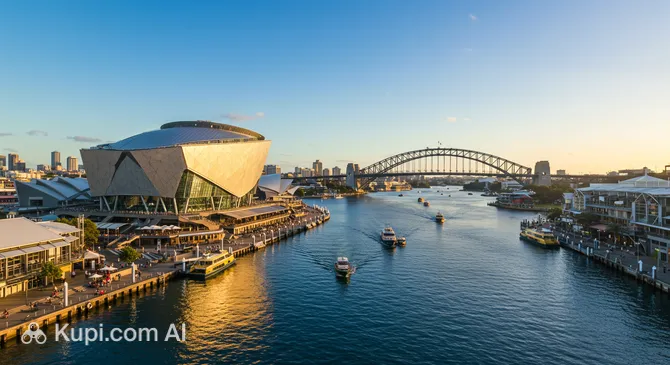
Another popular spot in Sydney is Darling Harbour, a lively waterfront district full of entertainment. Numerous restaurants, cafes, shops, as well as attractions such as the SEA LIFE Sydney Aquarium, the Australian National Maritime Museum, and the Chinese Garden are located here. It is a wonderful place for walking, relaxing, and enjoying views of the city.

Illustration.
Source: Kupi.com AI

Traveller photos:

Best Time to Visit

Australia is a country of vast distances, so the "best time" to visit depends heavily on your plans and the region. Traditionally, the high season falls during the Australian summer (December-February). At this time, most of the coast experiences warm or hot weather, ideal for beach holidays, surfing, and exploring famous coastal cities like Sydney or the Gold Coast. However, this is also the school holiday period, which means more tourists and generally higher prices for accommodation and flights. In some central areas, it can be very hot.

The shoulder seasons, spring (September-November) and autumn (March-May), are often considered the most comfortable times to visit many parts of Australia. The weather during these months is usually mild and pleasant, there are fewer tourists, and prices can be more affordable. This is an excellent time for sightseeing, hiking, and visiting national parks. Winter (June-August) is the low season for beach holidays in the south but can be ideal for a trip to the tropical north of Queensland (for example, to the Great Barrier Reef, where there is less rainfall) or for skiing in the Australian Alps.

Given the size of the country, the climate can vary drastically: from tropical in the north to temperate in the south. For instance, northern regions like Darwin and Cairns have a distinct wet season (Australian summer) and a dry season (Australian winter), which is considered the best for visiting. Southern cities like Melbourne or Adelaide have all four seasons. It is also worth paying attention to major events such as the Vivid Sydney festival (usually May-June) or whale migration along the coast (from May to November), which can make your trip even more memorable. It is always recommended to check the weather forecast for the specific region before your trip.

Traditions

Australians are famous for their friendliness and informal communication style. When meeting, handshakes are usually exchanged, and eye contact is important. Although the famous "G'day!" (short for "Good day") can still be heard, a simple "Hello" or "Hi" will be perfectly appropriate. Directness and a good sense of humor are valued in conversation. Hospitality is an important part of Australian culture. If you are invited to a home, for example, for a traditional Aussie BBQ, it is good manners to bring drinks (wine or beer) or a small treat. Don't hesitate to ask the hosts what is best to bring.

In everyday life, Australians prefer an informal style of clothing. Beachwear is appropriate on the beach, while casual style prevails in the cities. There are usually no special requirements for clothing when visiting public places; however, a stricter dress code may be required for some high-end restaurants or formal events. Table manners in Australia generally follow Western standards. It is important to remember that Australians value punctuality and respect for queues—it is customary to wait patiently here. Avoid overly loud behavior and boasting, as this may be perceived negatively. The phrase "no worries" is one of the most popular; it expresses agreement, gratitude, or simply a friendly attitude.

To gain a deeper understanding of Australia's culture, it is worth paying attention to its holidays. One of the most significant is ANZAC Day, observed on April 25. This is a day of remembrance for all Australians and New Zealanders who served and died in all wars, conflicts, and peacekeeping operations. It is marked by solemn ceremonies and parades throughout the country, demonstrating deep respect for history and national heroes. A respectful attitude towards local traditions, including indigenous culture and environmental care, will always be appreciated.

Entertainment

Australia offers an incredible variety of entertainment for active travelers. From world-famous surfing on endless beaches and diving among the wonders of the Great Barrier Reef to exciting hiking through national parks with their unique flora and fauna. Nature lovers will also appreciate the opportunity to meet the continent's amazing animals, such as kangaroos and koalas, in numerous sanctuaries and wildlife parks.

For fans of cultural leisure, major cities like Sydney and Melbourne offer a rich choice: from world-renowned theaters and concert halls to numerous museums and art galleries, presenting both contemporary and traditional art, including indigenous heritage. As evening falls, these same cities come alive, offering a vibrant nightlife with many bars, stylish restaurants, and clubs for every taste, especially in popular entertainment districts.

Shopping in Australia is an opportunity to bring home unique souvenirs: opal jewelry, merino wool products, Aboriginal art, or famous Australian wines. Major shopping centers and boutiques are concentrated in the big cities, where you can find both global brands and local designers. Families with children will also find plenty to do: numerous theme parks, especially on the Gold Coast, water parks, and interactive museums will provide unforgettable experiences for young travelers.

Currency rates

Planning a trip? Wonderful! To make sure the financial side of your journey holds no surprises, it's worth remembering that exchange rates are constantly changing. That's why we strongly recommend keeping an eye on current rates both before departure and throughout your trip. To help with that, you can use the data provided below — we monitor exchange rates 24/7 and strive to provide the most up-to-date information.

AUD exchange rate for 13/08/2026

2.61 AED
~ 1 AUD
259.74 AMD
~ 1 AUD
1.21 AZN
~ 1 AUD
2.11 BYN
~ 1 AUD
1 CAD
~ 1.01 AUD
1 EUR
~ 1.62 AUD
1 GBP
~ 1.90 AUD
224.39 HUF
~ 1 AUD
67.72 INR
~ 1 AUD
62.09 KGS
~ 1 AUD
1005.64 KRW
~ 1 AUD
330.70 KZT
~ 1 AUD
2.65 PLN
~ 1 AUD
58.75 RUB
~ 1 AUD
2.66 SAR
~ 1 AUD
1 SGD
~ 1.10 AUD
33.90 TRY
~ 1 AUD
31.79 UAH
~ 1 AUD
1 USD
~ 1.41 AUD
8466.05 UZS
~ 1 AUD

Reached the bottom of the page?

Looks like you know this route inside out

We use cookies and services to collect user information. This is essential for the functioning of the site and for marketing purposes. You can find out more in .