Norfolk Island

Cities in the country

About

Norfolk is a tiny but remarkably vibrant island in the Pacific Ocean, located between Australia, New Zealand, and New Caledonia. Its uniqueness lies in a fascinating blend of Polynesian and British cultures, as many of its residents are descendants of the famous mutineers from the HMS Bounty and their Tahitian companions. This rich history is felt everywhere, and the local "Norf'k" language, a Creole mix of English and Tahitian, gives the island a special charm.
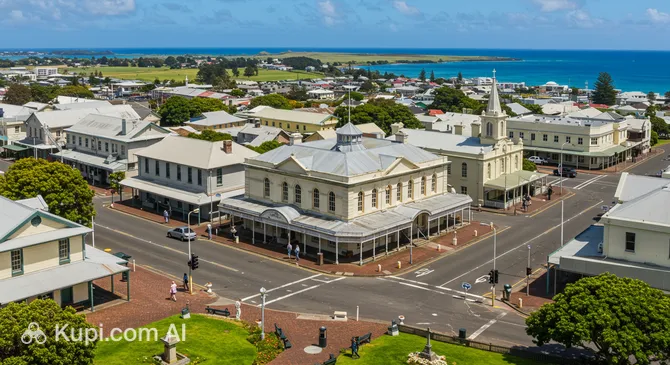
Illustration.
Source: Kupi.com AI

Norfolk's nature is striking in its beauty: evergreen Norfolk Island pines, which have become the symbol of the island, emerald hills, rocky shores plunging into the ocean, and cozy bays with sandy beaches. The mild subtropical climate makes a vacation here comfortable almost year-round. The island's administrative center, Kingston, is one of the oldest settlements in the South Pacific and preserves many historical buildings from the colonial era, some of which are included in the UNESCO World Heritage list as the Kingston and Arthur's Vale Historic Area.

A trip to Norfolk Island attracts travelers with its slow, relaxed atmosphere and the friendliness of the local people. Here, you can enjoy hiking through national parks, observe rare bird species, explore the rich underwater world, or simply take a break from the urban bustle by immersing yourself in the peace and tranquility of this remote corner of the planet. Norfolk offers a unique combination of history, culture, and natural wonders, leaving an unforgettable impression on every guest.


Currency

The official currency on Norfolk Island is the Australian Dollar (AUD). The same banknotes and coins used in mainland Australia are in circulation here. Australian banknotes are known for their vibrant design, the use of polymer materials for durability, and the depiction of individuals significant to the country, as well as representatives of Australia's unique flora and fauna. The coins are also decorated with symbols characteristic of Australia.

Travelers from Australia will not need to exchange currency. Tourists from other countries are recommended to exchange their currency for Australian dollars before arriving on the island or to use the ATMs available on Norfolk. Opportunities for exchanging cash directly on the island may be limited. Credit and debit cards, specifically Visa and Mastercard, are widely accepted in most hotels, restaurants, and shops. Nevertheless, it is always useful to carry some cash for small expenses or in case you find yourself in a place where cards are not accepted.

Visa Requirements

When planning a trip to Norfolk Island, it is important to clarify visa requirements in advance. For citizens of most countries, including the EU, USA, and CIS, entry to Norfolk—as an external territory of Australia—requires a visa or an Electronic Travel Authority (ETA/eVisitor), which is usually applied for online. In some cases, a standard tourist visa obtained through an Australian embassy or consulate may be necessary. Regardless of citizenship, a valid passport is required for the trip. It is also recommended to carry return tickets, confirmation of hotel reservations, and travel insurance.

Visa rules are subject to change, so we strongly advise checking the most up-to-date information on the official websites of the Australian Department of Home Affairs or contacting the nearest Australian embassy or visa center before your trip. This will help you avoid unforeseen difficulties and make your preparations for a journey to Norfolk as comfortable as possible.

We'll let you know if you need a visa

Enter your destination or
Your nationality
Destination

Timezones

When planning a trip to Norfolk, you won't have to worry about changing time zones within the island. A single time zone applies to the entire territory of Norfolk. The official time on Norfolk (Norfolk Time, NFT) is 11 hours ahead of Coordinated Universal Time (UTC+11:00). During the summer period, the island switches to daylight saving time, making the difference from UTC +12:00 (NFDT).

This means that the time in the capital, Kingston, and at any other point on the island will be the same. Therefore, you won't need to adjust your watch when moving around Norfolk, making the planning of excursions and activities simpler and more convenient.

Getting There

Reaching Norfolk, a picturesque island in the Pacific Ocean, is primarily done by air. The main gateway for most tourists is a flight to Norfolk Island Airport (IATA: NLK), which is the island's only airport serving international flights. Direct flights to Norfolk usually operate from major Australian cities such as Sydney and Brisbane, as well as from Auckland in New Zealand. Travelers from other regions of the world will generally need to make one or more connections in these countries.

Given Norfolk's island location, there is no regular passenger sea service from the mainland, although arrival by private yacht or on very rare cruise ships visiting the island is theoretically possible. Therefore, planning an air flight is a key aspect of trip preparation. It is highly recommended to book flights well in advance, especially if your trip coincides with the peak tourist season (usually the summer months and holiday periods). This will help you not only secure a seat on the flight but also find more favorable fares.

AirportCityIATA
Norfolk Island AirportNorfolk IslandNLK

Norfolk, this remarkable island in the Pacific Ocean, offers travelers a unique combination of rich history, distinctive culture, and stunning natural beauty. Although it is a small territory, it has its own special places that attract tourists seeking a peaceful holiday and unforgettable experiences away from the hustle and bustle of big cities.

The main settlement and administrative center of the island is Kingston. This historic town, part of which is a UNESCO World Heritage site, charms visitors with its well-preserved colonial architecture and tells the fascinating story of the first settlers and the island's complex past. Walking through its streets and visiting local museums is a true immersion into history. Most of Norfolk's primary historical monuments are concentrated here.

Illustration.
Source: Kupi.com AI

Beyond the capital, Norfolk Island itself is the main tourist magnet. It is famous for its unique landscapes, including the iconic Norfolk Island pines, picturesque bays, rocky cliffs, and fertile valleys. The island offers wonderful opportunities for hiking in national parks, birdwatching, golf, fishing, and experiencing the local culture, which is an amazing blend of Polynesian and British traditions.

Top Attractions

Despite its modest size, Norfolk is literally packed with interesting places where history intertwines with incredible nature. A journey across the island is a constant change of scenery: from the majestic ruins of the convict era to idyllic beaches and dense subtropical forests. Each attraction here tells its own unique chapter from the life of this isolated corner of the Pacific.

An absolute center of gravity for all guests is the historic district in the island's capital, the town of Kingston. The complex of buildings and ruins in the Kingston and Arthur's Vale Historic Area (KAVHA) is a UNESCO World Heritage site and is considered one of the best-preserved examples of convict settlements in Australia. Here, you can wander among the remains of prison blocks, visit museums located in restored Georgian mansions, and immerse yourself in the atmosphere of the 18th and 19th centuries. This place possesses a special, almost mystical aura, especially at sunset.

For those seeking communion with nature and breathtaking views, a visit to the Captain Cook Monument is a must. It is set on a high cliff in the northern part of the island, offering a stunning panorama of the ocean and coastal cliffs. It is believed that this is where the famous navigator first landed on the island in 1774. Picturesque hiking trails of the national park wind around the monument, where you can see rare seabirds and the famous Norfolk Island pines in their natural habitat.

Fans of relaxed vacations will love Emily Bay—a true gem of the island. This coral-reef-protected lagoon with golden sand and calm, crystal-clear water is considered one of the best beaches in the region. It is an ideal spot for safe swimming and snorkeling: the underwater world here is rich and colorful, and the absence of large waves makes swimming comfortable even for children. Locals often host picnics here under the sprawling pines, enjoying views of the ocean and the historic buildings of Kingston in the distance.

One cannot overlook St Barnabas Chapel, which is considered one of the most beautiful churches in the South Pacific. Built in memory of Bishop Patteson, it strikes visitors with its interior decoration: magnificent stained-glass windows, a marble floor, and intricate wood carvings with mother-of-pearl inlay create a wonderfully bright and solemn atmosphere inside. It is not just a religious building, but an important monument to missionary history and the craftsmanship of past architects.

Best Time to Visit

Norfolk is an island with a mild subtropical climate, making it an attractive destination to visit almost year-round. However, like any destination, it has its peak tourist activity and quieter periods. High season on Norfolk traditionally falls during the southern hemisphere's summer months, from December to February, as well as during school holiday periods and major holidays like Christmas and Easter. During this time, the weather is usually warm and sunny, perfect for beach holidays, swimming, snorkeling, and hiking the island's many trails. Air temperatures are comfortable, and the ocean warms up to pleasant levels. Drawbacks may include higher prices for accommodation and flights, as well as more tourists at popular attractions.

Low season or the off-season on Norfolk is generally the winter months (June-August) and the periods between peak dates. The weather becomes cooler during this time, with potential for rain and wind, though it never gets extremely cold. Daytime temperatures usually stay within comfortable limits, but evenings can be fresh. The pros of this period are fewer tourists, a more tranquil atmosphere, and often better deals on accommodation. This is a good time for those who prefer a secluded getaway and aren't bothered by changeable weather. Some establishments may reduce their operating hours, but the main attractions remain accessible.

There aren't many major festivals that drastically change tourist flows on Norfolk, but it's worth noting local events like Bounty Day on June 8th, which is celebrated with great fanfare and is an important part of the island's cultural life. Various agricultural shows or musical evenings can also be of interest. Overall, the choice of when to visit Norfolk depends on your preferences: if ideal beach weather and a lively atmosphere are important, choose the high season; if you seek tranquility and better prices, the off-season can be an excellent option.

Traditions

Norfolk's culture is a fascinating tapestry woven from the Polynesian heritage of the Bounty mutineers' descendants and later European influences. Locals, known as Norfolk Islanders, are famous for their warmth and friendliness. Upon meeting, a simple "hello" or the Australian "g'day" is sufficient. If you hear a greeting in the local Norf'k language—"Watawieh yorlyi?" (How are you?)—the response "Kushu" (good) will be very warmly received. Don't be surprised if someone waves at you from a passing car; this is the famous "Norfolk wave," and tourists are encouraged to join this lovely tradition. Hospitality is highly valued here, and being invited into a home is a sign of special favor. A small souvenir from your country or just sincere gratitude would be appropriate.

In daily life on the island, a relaxed clothing style is accepted; however, when visiting churches, you should show respect by choosing more modest attire that covers shoulders and knees. There are no major complexities with table etiquette—just follow generally accepted Western norms. To deeper understand the soul of the island, try to attend Bounty Day, celebrated on June 8th. This is the main holiday dedicated to the arrival of the Pitcairners on Norfolk, featuring colorful parades in historical costumes, traditional dances, and songs. When interacting with locals, avoid rushing—"island time" implies a leisurely pace of life. Show respect for private property, protect nature, and don't hesitate to learn a few phrases in the Norf'k language—it will definitely be appreciated.

Entertainment

Norfolk offers many opportunities for active outdoor recreation. The island is famous for its picturesque hiking trails passing through national parks with unique flora, including the famous Norfolk Island pine. Water sports enthusiasts can enjoy snorkeling or diving in crystal-clear waters, exploring coastal reefs, or trying their hand at fishing. Birdwatching is another popular activity, as the island is home to many endemic species.

Cultural life on Norfolk is closely tied to its rich history. Tourists can visit numerous historical sites, including the ruins of convict settlements in the Kingston area, which is a UNESCO World Heritage site. Small museums and galleries tell the story of the island's unique heritage, including the history of the Bounty mutineers' descendants. In the evening, you can enjoy local music or attend themed dinners that introduce you to the island's culture.

Shopping on Norfolk is primarily about the chance to purchase unique local souvenirs, handmade crafts, and artworks. There are no large shopping malls here, but small shops offer quality goods that reflect the spirit of the island. For family vacations, Norfolk offers a quiet and safe atmosphere. Children will be delighted by the chance to discover nature, the spacious beaches, and the opportunity to learn more about the island's fascinating history. The nightlife here is generally quiet and centered around cozy restaurants and cafes where you can enjoy fresh local produce.

Currency rates

Planning a trip? Wonderful! To make sure the financial side of your journey holds no surprises, it's worth remembering that exchange rates are constantly changing. That's why we strongly recommend keeping an eye on current rates both before departure and throughout your trip. To help with that, you can use the data provided below — we monitor exchange rates 24/7 and strive to provide the most up-to-date information.

AUD exchange rate for 13/08/2026

2.61 AED
~ 1 AUD
259.74 AMD
~ 1 AUD
1.21 AZN
~ 1 AUD
2.11 BYN
~ 1 AUD
1 CAD
~ 1.01 AUD
1 EUR
~ 1.62 AUD
1 GBP
~ 1.90 AUD
224.39 HUF
~ 1 AUD
67.72 INR
~ 1 AUD
62.09 KGS
~ 1 AUD
1005.64 KRW
~ 1 AUD
330.70 KZT
~ 1 AUD
2.65 PLN
~ 1 AUD
58.75 RUB
~ 1 AUD
2.66 SAR
~ 1 AUD
1 SGD
~ 1.10 AUD
33.90 TRY
~ 1 AUD
31.79 UAH
~ 1 AUD
1 USD
~ 1.41 AUD
8466.05 UZS
~ 1 AUD

Reached the bottom of the page?

Looks like you know this route inside out

We use cookies and services to collect user information. This is essential for the functioning of the site and for marketing purposes. You can find out more in .