Tonga

Cities in the country

About

Tonga, also known as the "Friendly Islands," is a unique kingdom in the heart of Polynesia, located in the South Pacific Ocean. It is an archipelago consisting of more than 170 islands, many of which are uninhabited, giving the country a special atmosphere of seclusion and untouched nature. Tonga takes pride in being the only monarchy in Polynesia that never lost its sovereignty, and this heritage is deeply reflected in its culture and traditions.

The country's capital, Nuku'alofa, located on the main island of Tongatapu, serves as the cultural and administrative center. Here, travelers can immerse themselves in the relaxed rhythm of island life, discover the rich Polynesian heritage, visit the Royal Palace, and see the ancient tombs of Tongan monarchs. The hospitality of the locals, along with their music and dances, leaves an unforgettable impression.
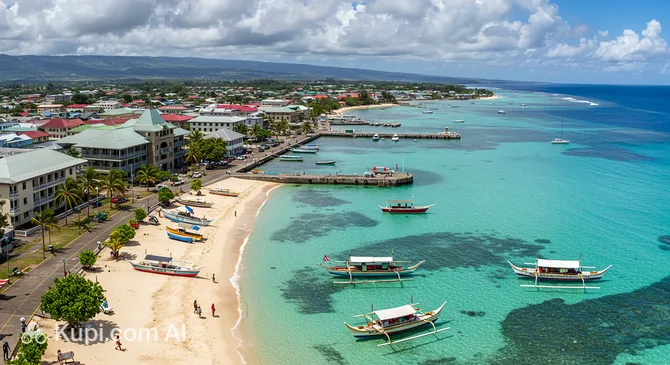
Illustration.
Source: Kupi.com AI

The natural beauty of Tonga is a true magnet for tourists. White sandy beaches washed by crystal-clear waters, picturesque coral reefs perfect for diving and snorkeling, and the unique opportunity to observe humpback whales that come here to breed from July to October make a vacation here truly magical. For those seeking adventures on the water, the Vava'u Islands and their main town, Neiafu, offer excellent conditions for yachting and exploring hidden bays. The tropical climate ensures warm weather year-round, making Tonga an attractive destination at any time.


Currency

The national currency of Tonga is the Tongan pa'anga (international code: TOP). The banknotes often feature portraits of Tongan monarchs and scenes from local life, while the coins are decorated with images of the archipelago's flora and fauna. You can exchange foreign currency for pa'anga at banks and official exchange offices, which are typically located in the capital, Nuku'alofa, and at the airport. It is recommended to avoid exchanging money with private individuals to prevent unfavorable rates or fraud.

Credit cards (mainly Visa and Mastercard) are accepted in major hotels, some restaurants, and shops in Nuku'alofa and on Vava'u island. However, in more remote areas and on smaller islands, cash is preferred. Therefore, it is always useful to carry a sufficient amount of local currency, especially if you plan to visit markets, small cafes, or travel outside the main tourist centers. ATMs are also available, but their number is limited and they are primarily concentrated in the capital.

Visa Requirements

To visit the Kingdom of Tonga for tourist purposes, citizens of many countries, including European Union nations, the USA, Australia, and New Zealand, usually do not require a visa for short stays, or one can be obtained upon arrival. However, citizens of some other states may need to apply for a tourist visa in advance through a Tongan embassy or consulate. In any case, to enter the country, you must have a valid passport with at least 6 months of validity remaining after your intended departure date from Tonga, as well as return tickets and proof of sufficient financial funds or a hotel reservation. Medical insurance is also highly recommended.

Since visa rules can change, it is extremely important to check the latest information regarding visa requirements and necessary documents on the official website of the Tonga Immigration Service or at the nearest diplomatic mission of the Kingdom before planning your trip.

We'll let you know if you need a visa

Enter your destination or
Your nationality
Destination

Timezones

When planning a trip to Tonga, you don't have to worry about changing time zones within the country. A single time zone applies throughout the entire territory of the Kingdom of Tonga. It is known as Tonga Standard Time and corresponds to UTC+13. This means that the time here is 13 hours ahead of Coordinated Universal Time.

This unity of time significantly simplifies planning travel between the various islands of the archipelago, allowing travelers to easily find their way and not lose precious hours of vacation calculating time changes.

Getting There

There are several ways to reach the Kingdom of Tonga, located in the South Pacific, but the primary method is air travel. The country's main gateway is Fua'amotu International Airport (TBU), located near the capital, Nuku'alofa. Most international flights arrive here with connections through major Oceania hubs, such as Australia (e.g., Sydney), New Zealand (Auckland), or Fiji (Nadi).

For fans of sea travel, there is the possibility of arriving in Tonga aboard a cruise ship, as some South Pacific routes include stops at the archipelago's islands. However, this is more likely part of a longer cruise rather than a regular way to reach the country. Given Tonga's island location, there are no land connections to other countries.

When planning a trip to Tonga, especially during popular tourist seasons, it is recommended to book flights and accommodation in advance. This will help secure better prices and availability, particularly if you are traveling during holidays or local festivals. It is also worth checking the current visa requirements for your country before traveling.

AirportCityIATA
Fua'amotu International AirportNuku'alofaTBU
Lupepau'u AirportNeiafuVAV
Salote PilolevuPangaiHPA

The Kingdom of Tonga, a gem of the South Pacific, offers travelers a unique blend of Polynesian culture, stunning natural landscapes, and secluded islands. Here you will find both lively centers and quiet corners perfect for a relaxed holiday. The main settlements and resort areas are scattered across various island groups, each with its own unique character.

Illustration.
Source: Kupi.com AI

The heart of the country is undoubtedly its capital, Nuku'alofa. Located on the main island of Tongatapu, Nuku'alofa is not only the administrative and economic hub but also a place where you can learn about Tongan royal history, visit vibrant markets, and see the Royal Palace. For those seeking more secluded and picturesque locations, Neiafu is worth considering. This town, located in the Vava'u Islands, is famous for its beautiful harbor, which attracts yachtsmen from all over the world, and serves as an excellent starting point for whale watching during their migration season.

Another interesting destination is Pangai, the administrative center of the Ha'apai island group. This historic town offers a slower pace of life, beautiful beaches, and the opportunity to immerse yourself in an authentic island atmosphere. Diving and snorkeling enthusiasts will find pristine coral reefs here. Each of these corners of Tonga is charming in its own way and awaits its explorers, offering unforgettable experiences of Polynesian hospitality and natural beauty.

Top Attractions

A journey through Tonga is unimaginable without a visit to Ha'amonga 'a Maui—the famous stone trilithon often referred to as the "Stonehenge of the Pacific." This majestic monument, built back in the 13th century from coral limestone, is shrouded in legends and, as scientists believe, was used by ancient Polynesians for astronomical observations. The scale of the structure on the island of Tongatapu captures the imagination and makes one think about the skill of ancient builders.

An equally impressive sight is the Mapu 'a Vaea blowholes, located along the coastline near the village of Houma. Here, powerful ocean waves crash loudly against volcanic reefs, bursting through natural holes in the rock as high fountains of water, sometimes reaching 30 meters. This natural show, called the "Chief's Whistle," looks particularly grand during high tide and serves as a reminder of the ocean's untamable power.

For lovers of hidden natural treasures, Anahulu Cave is a must-visit. This is a stunning limestone cave that conceals a crystal-clear freshwater pool inside. Descending into the cool twilight, you will find yourself among whimsical stalactites and stalagmites, and a swim in the underground lake will provide a unique feeling of freshness and tranquility away from the tropical heat.

Best Time to Visit

The best time to visit Tonga is during the dry season, which lasts from May to October. During this period, the weather is usually sunny and warm, with pleasant temperatures perfect for beach vacations, swimming, snorkeling, and diving. This is also the high season, so there may be more tourists, and prices for accommodation and flights may be higher. One of the main highlights of this period is the humpback whale migration, which can be observed from July to October, especially around the Vava'u Islands. Additionally, the colorful Heilala Festival, dedicated to the King's birthday, takes place in Nuku'alofa in July.

The low season, or rainy season, occurs from November to April. During this time, it is hot and humid in Tonga, with frequent but usually short-lived downpours. There is also a possibility of tropical cyclones, particularly from January to March. The advantages of traveling during the low season include fewer tourists and lower accommodation prices. However, some tourist services may be limited, and the weather can be less predictable for outdoor activities. If you plan a trip during this period, it is advisable to monitor weather forecasts closely.

Traditions

Traveling to Tonga, you will immerse yourself in a world of unique Polynesian traditions where respect and hospitality play a key role. The greeting "Malo e lelei" is your first step toward establishing friendly contact. Tongans highly value politeness; when interacting with locals, especially elders, show respect. While direct eye contact is generally acceptable, prolonged staring may cause discomfort. Hospitality here is not just a word, but a way of life. If you are invited into a home, it is a great honor. A small gift for the hosts, such as a souvenir from your country or food items, will be appreciated, though it is not a strict requirement. The main thing is sincerity and openness.

Following a few rules regarding dress and behavior will help you feel comfortable and show respect for the local culture. In public places, especially when visiting villages or churches, modest clothing that covers the shoulders and knees is recommended. This is particularly important on Sundays, when life on the islands comes to a standstill for rest and religious services—most shops and establishments will be closed. Swimsuits are appropriate only at beaches and hotel pools. At the table, especially during traditional "umu" feasts where dishes are prepared in an earth oven, people often eat with their hands. It is polite to wait until the elder or the host begins the meal. Try to taste a little of everything, as refusing a treat can be perceived as impolite.

To avoid misunderstandings and not offend local residents, keep a few things in mind: do not point at people or objects with your finger (it's better to use your whole hand or a nod of the head), and avoid loud conversations and public displays of strong emotions, such as anger. Excessive public displays of affection are also not customary. When photographing locals, always ask for permission. Important events in the lives of the islanders include public holidays, such as the King's Birthday, and cultural festivals like the colorful Heilala festival, usually held in July, showcasing the kingdom's dances, music, and crafts. Understanding and respecting these simple rules will make your trip to Tonga truly unforgettable and allow you to deeply connect with the spirit of the "Friendly Islands."

Entertainment

Tonga offers travelers various ways to spend their time, especially if you appreciate nature and authentic culture. Active recreation here is primarily connected to the ocean: this includes exciting diving or snorkeling by coral reefs, calm kayaking trips between picturesque islands, and, of course, unforgettable humpback whale watching during their migration season (usually from July to October). On land, you can go hiking through tropical forests on some of the islands. The cultural program includes exploring Polynesian traditions—you can see national dances and songs, visit local villages, and historical sites such as ancient royal tombs. The capital, Nuku'alofa, hosts the main cultural sites, although other islands, such as those surrounding Neiafu, offer their own unique experiences.

Evening entertainment in Tonga is generally quiet and relaxed. Nightlife is mainly concentrated in Nuku'alofa, where you can find cozy bars and restaurants serving local cuisine, sometimes accompanied by live music. There are almost no loud nightclubs here. For shopping enthusiasts, Tonga offers unique souvenirs: products made from tapa (a traditional cloth made from the bark of the mulberry tree), woven baskets and mats, carved wooden figurines, and shell jewelry. The main places to buy souvenirs are the markets, especially in Nuku'alofa. Families with children will appreciate the safe beaches, the chance to swim in crystal-clear lagoons, and the opportunity to discover the amazing nature of the islands, which is an excellent entertainment and adventure for young travelers in itself.

Currency rates

Planning a trip? Wonderful! To make sure the financial side of your journey holds no surprises, it's worth remembering that exchange rates are constantly changing. That's why we strongly recommend keeping an eye on current rates both before departure and throughout your trip. To help with that, you can use the data provided below — we monitor exchange rates 24/7 and strive to provide the most up-to-date information.

Reached the bottom of the page?

Looks like you know this route inside out

We use cookies and services to collect user information. This is essential for the functioning of the site and for marketing purposes. You can find out more in .