Support

Jindaiji Temple

About

Jindaiji Temple (神代寺) is an ancient Buddhist temple located in Sagamihara, Kanagawa Prefecture, Japan. As one of the significant religious and cultural centers of the region, this temple belongs to the Soto Zen school of Buddhism and boasts a history dating back more than 1,200 years. Its name, "Jindai" (神代), poetically translates as "Age of the Gods" or "Divine Era," highlighting the deep spiritual roots of the site.
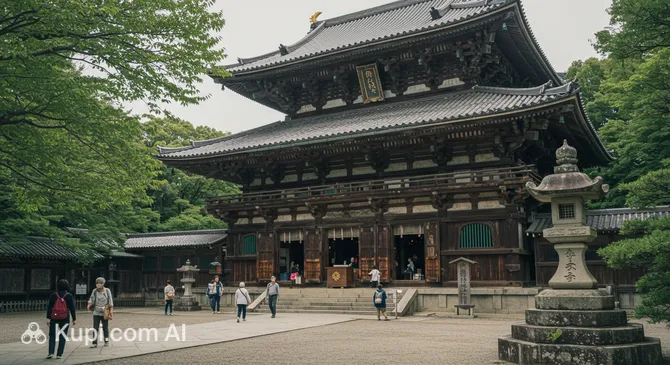
Jindaiji Temple. Illustration.
Source: Kupi.com AI

Traveller photos:

Jindaiji is famous for its peaceful atmosphere, magnificent examples of traditional Japanese architecture, and the picturesque gardens that surround it. The lush vegetation enveloping the temple creates a sense of harmony and tranquility, inviting visitors to reflect and rest from the city bustle.

This temple is not just a historical monument, but a living place where one can connect with traditional Japanese culture and spirituality. A visit to Jindaiji provides a unique opportunity to enjoy the silence, the beauty of nature, and feel the spirit of ancient Japan that has been preserved within its walls and gardens over the centuries.

Contacts

When planning your visit to Jindaiji Temple, you can check the latest information regarding opening hours and scheduled events or ask any questions directly. Below are the primary contact details to help you get in touch with the temple.

How to contactContact
AddressJapan, 〒182-0017 Tokyo, Chofu, Jindaiji Motomachi, 5-chōme−15−1
Phone+81 42-486-5511
Websitewww.jindaiji.or.jp

What to Do

A visit to Jindaiji Temple in Sagamihara offers guests the opportunity to connect with the spiritual life of Japan. Here, you can witness or even participate in traditional Buddhist ceremonies. For those seeking peace and introspection, Zazen meditation sessions are held, available to both locals and tourists. The temple comes alive during seasonal festivals, such as New Year celebrations (Hatsumode) or the colorful autumn festival, when the grounds are transformed with special decorations and services.

One of the main gems of Jindaiji is its magnificent traditional Japanese garden. Strolling along its paths, you can admire the picturesque pond where koi carp swim gracefully. The garden is especially beautiful in spring when the cherry blossoms bloom, wrapping everything in a soft pink haze, and in autumn when the Japanese maple (momiji) trees burst into bright crimson and gold colors, creating a truly magical atmosphere.

There is also a small but interesting museum on the temple grounds. Its exhibits feature Buddhist artifacts and historical relics, allowing for a deeper understanding of the history and cultural significance of this place. Before leaving, don't forget to stop by the temple shop, where you can purchase omamori—traditional Japanese protection amulets—as well as other religious souvenirs to remember your visit.

Getting There

There are several convenient ways to reach Jindaiji Temple, located in the city of Sagamihara, using public transport or a car. The best choice depends on your preference and starting point.

One popular option is taking the bus. From Sagamihara Station, served by the JR Yokohama Line, buses depart regularly for the "Jindaiji-mae" (神代寺前) stop. The bus ride itself takes about 15 minutes, followed by a short 5-minute walk to reach the temple grounds.

An alternative public transport route begins at Hashimoto Station, which is served by the Keio and JR Yokohama lines. From here, you can also catch a bus heading to the temple; the journey takes about 20 minutes. If you prefer a faster and more direct method, a taxi from Hashimoto Station to Jindaiji Temple takes approximately 10-15 minutes.

For those traveling by private car, a small parking lot is provided near Jindaiji Temple. The temple is located approximately 5 kilometers from the "Sagamihara" exit on the Ken-O Expressway, making it easily accessible for motorists.

Nearest city: Sagamihara

History & Facts

Jindaiji Temple, located in Sagamihara, has a rich and ancient history dating back to the Heian period (794-1185). According to legend, it was founded by the monk Gyoki, a prominent Buddhist preacher and a talented engineer of his time. Temple records indicate that construction began by order of Emperor Shomu with the goal of spreading Buddhist teachings throughout the Kanto region. Over the centuries, the temple has suffered multiple times from fires and earthquakes, leading to several reconstructions, yet it has consistently maintained its significant spiritual importance for believers and local residents alike.

Jindaiji Temple experienced a particular flourish during the Edo period (1603-1868) when it enjoyed the patronage of the powerful Tokugawa shogunate. It was during this time that many of the current structures of the temple complex were built or majorly renovated. Notable among these are the main hall, known as the Hondo, and the picturesque pagoda, which have become symbols of the temple. This patronage allowed Jindaiji to solidify its position and expand its influence.

The Meiji Restoration in 1868 brought new challenges to the temple. During this time, Buddhism temporarily lost state support, which created significant difficulties for many religious institutions, including Jindaiji. Nevertheless, thanks to the resilience of the monks and the support of the parishioners, the temple managed not only to survive but also to preserve most of its priceless treasures and centuries-old traditions. Today, Jindaiji Temple is recognized as an important cultural heritage site in Japan.

Today, Jindaiji continues to be an active Buddhist temple, carefully guarding the centuries-old traditions of Soto Zen Buddhism. It attracts not only pilgrims but also tourists wishing to touch the history and spirituality of ancient Japan. The peaceful atmosphere, beautiful architecture, and rich history make a visit to Jindaiji Temple an unforgettable experience for everyone interested in the culture of the Land of the Rising Sun.

Time Needed

To fully enjoy the atmosphere and explore the main highlights of Jindaiji Temple in Sagamihara, it is recommended to set aside approximately 1-2 hours. This amount of time is generally sufficient for a leisurely stroll through the grounds, getting to know the architecture of the temple buildings, and immersing yourself in the tranquil environment of this place.

During this period, you can view the main temple halls, walk through the picturesque garden that surrounds it, and perhaps visit the small temple museum, if available. You will also have the opportunity to take commemorative photos and simply enjoy the peace and quiet that reigns in this corner of Japan.

If you plan for a deeper immersion, such as participating in a tea ceremony (if one is being held), meditation practices, or attending special events and festivals that may take place on the temple grounds, then you should plan for additional time. In such cases, your stay could take anywhere from a few hours to half a day, depending on the program and your interests.

Working Hours

Jindaiji Temple in Sagamihara is happy to welcome visitors daily. The main temple grounds are typically open to the public from 9:00 AM to 4:30 PM. It is worth noting that the main hall (Hondo) and the museum on the temple complex grounds may operate on a slightly shorter schedule, generally from 9:00 AM to 4:00 PM. The temple is open year-round, allowing you to plan a visit at any convenient time.

On days of special ceremonies, festivals, or Buddhist holidays, the opening hours may change. Therefore, to ensure your visit goes smoothly, it is highly recommended to check the current schedule on the official Jindaiji Temple website or at local tourist information centers immediately before your trip. Generally, advance booking for a regular visit is not required, but it may be necessary for participating in special events or tours.

9:00 – 17:00

Nearby

Visiting Jindaiji Temple in Sagamihara is undoubtedly an opportunity to experience a unique atmosphere and history. However, to make your journey even more fulfilling and complete, we highly recommend exploring its surroundings as well. Often, it is in the nearby areas that other interesting sites are hidden, capable of offering new discoveries and impressions.

Exploring what lies near Jindaiji Temple will allow you to dive deeper into the cultural diversity of this region of Japan, see more interesting landmarks, and simply have a pleasant time discovering something new. Below is a list of some attractions and points of interest located nearby.

NameDistance
Mothers Kichijoji4.5 km
Some Time4.9 km
Setagaya Literary Museum5.3 km
Fuchū Art Museum5.4 km
Edo-Tokyo Open Air Architectural Museum6.3 km
Taro Okamoto Museum of Art6.6 km
Tonogayato Garden7.1 km

Reached the bottom of the page?

Looks like you know this route inside out

We use cookies and services to collect user information. This is essential for the functioning of the site and for marketing purposes. You can find out more in .