Support

Dodger Stadium

About

Dodger Stadium is not just a sports arena; it is a true icon of Los Angeles and an integral part of USA culture. Located in the picturesque Elysian Park neighborhood, it has served as the home field for the famous Major League Baseball club, the Los Angeles Dodgers, since 1962. It is a place where sports history meets the thrilling atmosphere of a big game.
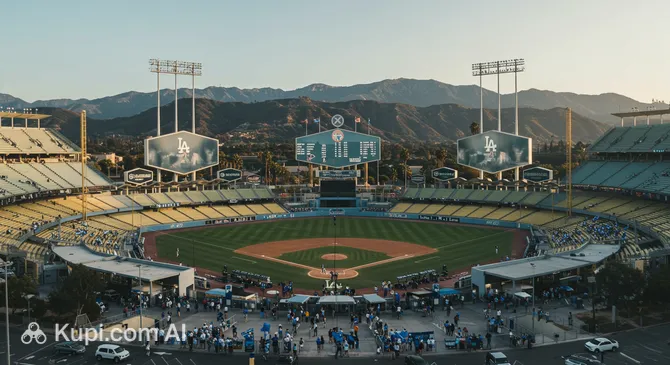
Dodger Stadium. Illustration.
Source: Kupi.com AI

Traveller photos:

Opened on July 10, 1962, the stadium is the third-oldest active baseball field in the US and the most spacious in the world, with a capacity of 56,000 spectators. The construction of this grand facility, privately funded, took less than three years. Attending a game here is a chance to touch the rich history of American baseball.

Beyond its sporting significance, the arena attracts attention with its unique architecture. Its signature features are the recognizable wavy roofs over the pavilions, which give the structure an elegant and memorable look. Stadium tours allow you to go behind the scenes, visit the locker rooms, and learn more about this legendary venue, which has hosted not only baseball games but also concerts by global stars and even a visit from the Pope.

Contacts

For the most up-to-date information on events, tickets, and visiting rules, it is recommended to consult official sources. Key contact details for reaching the stadium are provided below.

How to contactContact
Address1000 Vin Scully Ave, Los Angeles, CA 90012, USA
Phone+1 866-363-4377
Websitewww.mlb.com

What to Do

The main reason thousands of people come to Dodger Stadium is, of course, baseball. Attending a home game for the Los Angeles Dodgers, who play in Major League Baseball, allows you to dive headfirst into the exciting atmosphere of authentic American sports. The energy of the stands, the excitement of the game, and the support of the fans create unforgettable impressions even for those who aren't major baseball experts.

However, the stadium is more than just a baseball arena. The venue regularly hosts other large-scale events, from concerts by world stars to various sporting competitions. For example, in 2014, it hosted an NHL Stadium Series hockey game for the first time, a unique event for a California stadium. Therefore, it’s worth checking the schedule before your trip—your visit might coincide with an interesting concert or show.

Even if you don't catch a game or concert, the stadium is worth a look. Its architectural highlight is the famous wavy roofs crowning each pavilion. Additionally, the stands offer magnificent panoramic views of the city and the surrounding hills, making this a great spot for photos and quietly taking in the Los Angeles scenery.

Getting There

Dodger Stadium is located at 1000 Elysian Park Avenue, right next to downtown Los Angeles, making it very accessible. For those planning to arrive by car, major highways like Highways 101 and 110 run nearby. There are several parking zones around the arena, but they can fill up quickly on game days. To avoid parking issues, it is recommended to arrive early or purchase a parking space online before your visit.

You can also reach the stadium via public transport. The Los Angeles Metro system offers bus routes that stop near the stadium. The free Dodger Stadium Express shuttle is particularly convenient, running from Union Station and the South Bay area on home game days. Buses start running 2.5 hours before the game starts and drop fans off right at the arena, helping to avoid traffic and parking problems.

Nearest city: Los Angeles

History & Facts

The history of Dodger Stadium is inextricably linked with the fate of its main team, the Los Angeles Dodgers. Although the club is firmly associated with California, its roots trace back to Brooklyn, New York, where a team named the "Brooklyn Grays" was founded in 1883. The fateful decision to move to the West Coast was made in 1958, but at that time, the team didn't have its own home in Los Angeles yet. While waiting for the new arena to be built, the Dodgers temporarily played at other venues in the city.

Construction of the future legend began on September 17, 1959. It was a massive undertaking: moving millions of cubic yards of earth was required to prepare the site in the picturesque Chavez Ravine. Nearly three years later, on July 10, 1962, the stadium officially opened its doors to fans. This day marked the beginning of a new era for both the team and the entire Los Angeles sports community.

Interesting fact: in its early years, Dodger Stadium was not an exclusive venue for just one team. From 1962 to 1965, it also served as the home field for another baseball club, the Los Angeles Angels. Over its 60-plus-year history, the stadium has become more than just a sports facility; it’s a true symbol of the city, a place for legendary matches, concerts, and cultural events, firmly established in American sports history.

Time Needed

When planning a visit to Dodger Stadium, it’s worth considering what exactly you want to do. For a full immersion into the baseball atmosphere, including watching a game, it is recommended to set aside 3 to 5 hours. This time is enough not only for the game itself but also to go through security without rushing, find your seats, and buy souvenirs or a snack.

If you don't plan to watch a game but simply want to see the legendary arena, you can opt for a stadium tour. In this case, the visit will take significantly less time—about 1–2 hours. This is a great option for those who want to see the stadium from the inside, learn its history, and take memorable photos without dedicating a whole day to it.

Working Hours

The operating hours of Dodger Stadium depend directly on the schedule of games and other events. On game days, the arena gates usually open to spectators approximately 2 hours before the start. To find out the exact start time and plan your visit, it is recommended to check the current game schedule on the official Los Angeles Dodgers website.

On days when no events are held at the stadium, visitors have the opportunity to go inside as part of an organized tour. These tours allow a behind-the-scenes look at the famous arena. It is important to note that tours do not have a fixed schedule, so for visiting the stadium on a non-game day, you must check the schedule and book tickets in advance on the official website.

Nearby

Visiting Dodger Stadium is a great excuse to explore other interesting places that Los Angeles has to offer. Thanks to the arena's location near downtown, you can easily combine watching a baseball game with visits to iconic cultural and entertainment sites, making the most of your trip.

The area around the stadium offers entertainment for every taste: from world-famous museums and concert halls to cozy parks and lively entertainment complexes. This is a wonderful opportunity to dive deeper into the city's multifaceted atmosphere, complementing sporting thrills with cultural discoveries. Below is a list of nearby attractions worth including in your itinerary.

NameDistance
Los Angeles Union Station2 km
The Broad2.3 km
Downtown Cinema Bar3.4 km
L.A. Live4 km
Balloon Museum4.1 km
City Terrace Park6.2 km
Griffith Observatory7.4 km

Reached the bottom of the page?

Looks like you know this route inside out

We use cookies and services to collect user information. This is essential for the functioning of the site and for marketing purposes. You can find out more in .