Support

In Amenas

About

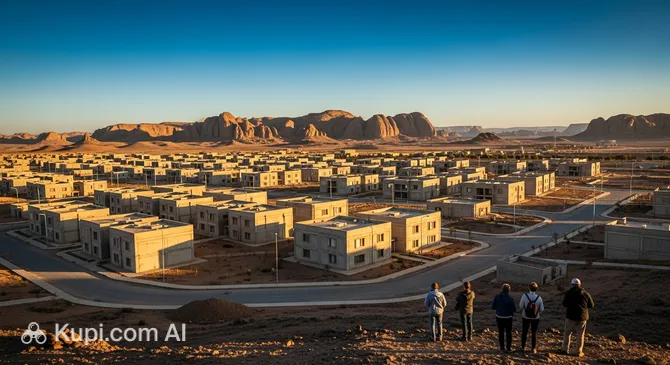
In Amenas is a distinctive town located in the eastern part of Algeria, situated near the border with Libya. Nestled within the vast Illizi Province, this settlement serves as a vital hub in the deep Sahara. While it is widely recognized for its economic significance in the energy sector, the town also offers a unique glimpse into life in one of the most remote regions of the world.

In Amenas. Source: Kupi.Binoculars

The town is defined by its dramatic desert geography, surrounded by the sweeping sands and rocky plateaus characteristic of the Sahara. With a population of approximately 9,000 residents, In Amenas maintains a relatively small and tight-knit community atmosphere despite its industrial importance. The climate here is arid, featuring hot summers and mild winters, offering travelers a true taste of the desert environment.

Although it is a modern municipality, the history of In Amenas is closely tied to the development of trans-Saharan routes and the region's natural resources. For visitors, the primary allure lies in the stark beauty of the surrounding landscapes. The endless dunes and unique geological formations provide a breathtaking backdrop for those passing through or looking to experience the profound silence of the desert. It also serves as a gateway for exploring the wider Illizi region, known for its stunning prehistoric rock art and national parks.

Whether you are a traveler intrigued by the industrial heartbeat of the desert or an adventurer seeking the solitude of the sands, In Amenas offers a unique perspective on the Algerian Sahara. It is a place where the modern world meets the timeless expanse of the dunes, making it a memorable stop on a journey through the region.

Weather Overview

The climate in In Amenas is quintessential of the Sahara, characterized by extreme dryness and distinct seasonal temperature shifts. Visitors can expect scorching heat during the summer months, while the winter season offers much milder and more comfortable conditions for outdoor activities.

During the height of summer, particularly from June to August, the weather is intensely hot, with average daily maximums reaching approximately 39°C to 40°C. Conversely, winters provide a stark contrast; January is typically the coolest month, with average lows dropping to around 4.3°C and pleasant daytime highs of about 17.7°C. Precipitation is exceptionally rare, with almost 0mm of rainfall recorded throughout the year, ensuring clear skies are the norm.

Because the desert environment can be unpredictable in terms of temperature fluctuations between day and night, checking the weather in In Amenas is highly recommended before your journey. Travelers should prepare for dry conditions year-round and pack layers to accommodate the chilly winter evenings or the intense summer sun.

Interesting Facts

Beyond its industrial reputation, In Amenas holds fascinating secrets that reveal the deep history and unique geography of the Sahara. This remote outpost offers more than just sand dunes; it is a place where ancient linguistic roots and geological wonders tell a story of a timeless land.
  • A Name Rooted in Nature: The name "In Amenas" is derived from the Tuareg language (Tamasheq) and has a poetic origin. It is often interpreted to mean "Place of the Amenas," referring to a specific type of acacia tree. This suggests that this arid region was once dotted with vegetation, serving as a vital green spot in the desert long before modern development.

  • The "Closed" Border: Although the town is situated just about 30 kilometers from the border with Libya, there is no official border crossing at this location. This geographical quirk makes In Amenas a true destination rather than a transit hub, preserving a sense of isolation and security unique to this corner of Algeria.

  • Hidden Ancient Art: While the wider region is famous for the Tassili n'Ajjer, the immediate surroundings of In Amenas also conceal treasures from the past. The rocky plateaus and formations in the area contain ancient petroglyphs and engravings, offering silent testimony to the prehistoric communities that once thrived here when the Sahara was a savannah.

  • A Geological Time Capsule: The town sits within the vast Illizi Basin, a geological wonder known for its dramatic landscapes. The area is a mix of stark rocky outcrops and sweeping sands that have preserved not only rich energy resources deep underground but also the surface formations that attract geologists and desert adventurers alike.

How to Get There

Reaching this remote desert hub is an adventure in itself, with air travel being the most practical option for most visitors. You can find more about how to get to In Amenas to help plan your journey through the Algerian Sahara.

The most direct way to arrive is via In Amenas Airport (IATA: IAM), which serves the town directly. It is located just 6.7 km from the city center, ensuring a quick and convenient transfer. A taxi or shuttle ride from the terminal typically takes around 30 minutes. Alternatively, travelers may fly into Illizi Airport (IATA: VVZ), but it is important to note that this facility is located in the city of Illizi, approximately 173.6 km away. The ground transfer from Illizi to In Amenas is substantial, taking roughly 4 hours and 40 minutes by car.

For clarity, here is a summary of the main airports:

Airport Name City Passenger Traffic Km from City
In Amenas Airport In Amenas Medium 6.7
Illizi Airport Illizi Small 173.6

Main Attractions

While In Amenas is primarily known as an industrial hub, its location on the edge of the deep Sahara makes it a fascinating gateway for intrepid travelers. The town does not boast the typical tourist infrastructure of northern cities, but its surroundings offer a raw and untouched beauty that appeals to those seeking the solitude and grandeur of the desert. The attractions here are not built by hand, but carved by wind and time.

The Grand Erg Oriental is undoubtedly the most spectacular feature in the vicinity. This massive "sea of sand" stretches for hundreds of kilometers, offering a landscape of rolling golden dunes that change color with the shifting sun. For visitors, a guided 4x4 excursion into the dunes provides an unforgettable experience of the Sahara's immense scale. It is the perfect setting for witnessing breathtaking sunsets, where the silence of the desert creates a profound sense of peace found in few other places on Earth.

The region surrounding the town is also a hidden repository of Ancient Rock Art. While the famous Tassili n'Ajjer is further afield, the rocky plateaus and outcrops near In Amenas contain their own collection of prehistoric petroglyphs and engravings. These ancient carvings depict animals and scenes from a time when this arid land was a savannah, offering a quiet, open-air museum experience for those willing to explore the rugged terrain with a local guide.

For a taste of local life, the In Amenas Oasis and Market offer a stark contrast to the surrounding dry plateaus. Patches of green palm groves provide shade and a cooling atmosphere, reminding visitors of the resilience of life in the desert. The local market, or souk, is the pulse of the community, where you can find traditional Tuareg handicrafts, sip strong mint tea, and observe the daily rhythms of the people who call this remote frontier home.

Local Cuisine

The culinary landscape of In Amenas reflects the traditions of the Algerian Sahara, where food is designed to be hearty, sustaining, and shared. While the town is not a destination for haute cuisine, it offers an authentic taste of desert hospitality. The local diet is heavily influenced by the availability of ingredients in this arid region, relying on staples like semolina, lamb, camel meat, and the ubiquitous date.

One of the dishes you are likely to encounter is Couscous, prepared here with a southern twist. Unlike the vegetable-heavy versions found in the north, Saharan couscous often features richer, spicier sauces and generous portions of meat, such as lamb or occasionally camel, which is a local delicacy. Another regional specialty worth seeking out is Taguella, a traditional flatbread associated with the Tuareg people. Historically baked in the hot sands beneath the embers of a fire, it is typically served with a savory meat stew or mixed with goat cheese and dates for a simpler meal.

No culinary experience in In Amenas is complete without partaking in the local tea culture. Mint tea (Atay) is far more than just a drink; it is a central pillar of social interaction. Prepared strong, sweet, and frothy, it is traditionally served in three rounds, each with a slightly different flavor profile, symbolizing life, love, and death. For a cooling alternative during the intense midday heat, locals often drink Lben, a fermented milk that pairs perfectly with fresh dates.

The dining scene in In Amenas is modest and functional, catering primarily to locals and the workforce. You will not find elaborate fine dining establishments; instead, the town is dotted with small, informal eateries and grill houses. These spots are perfect for trying Mechoui, whole roasted lamb seasoned with local herbs, often enjoyed communally. For a quick snack, the local market offers fresh fruits, nuts, and high-quality dates, providing a natural energy boost for travelers exploring the surrounding dunes.

Travel Tips

Visiting In Amenas offers a rare opportunity to experience the raw beauty of the Sahara, but traveling to such a remote and specialized environment requires careful preparation. These practical tips are designed to help you navigate the local customs and climate, ensuring your journey into the Algerian desert is both safe and memorable.

  1. Clothing and Gear: The desert climate demands practical attire. Pack loose-fitting, breathable fabrics like cotton or linen to cope with the heat, but do not forget warm layers, such as a fleece or jacket, as temperatures drop significantly at night, especially in winter. A cheche (traditional scarf) is invaluable for protecting your face from sand and sun. sturdy, closed-toe shoes are essential for walking on rocky plateaus.

  2. Transportation: Public transport options like metros or trams do not exist in In Amenas. Within the town, you can find shared taxis, but for any exploration of the surrounding dunes or geological sites, a 4x4 vehicle is mandatory. It is highly recommended to arrange transportation through a certified local travel agency, which usually provides a driver and a guide familiar with the desert terrain.

  3. Finances: The local currency is the Algerian Dinar (DZD). In Amenas is a cash-based society; credit cards are rarely accepted outside of high-end hotels or airline offices. While there are a few ATMs in town, they can be unreliable or out of service. It is best to exchange a sufficient amount of money upon arrival at the airport or in larger northern cities before traveling south.

  4. Health and Safety: Dehydration is a primary risk in this arid environment, so carry plenty of water at all times. Pharmacies are available in the town center for basic needs, but if you require specific prescription medication, bring an adequate supply from home. Always drink bottled water rather than tap water to avoid stomach issues.

  5. Communication: The main languages spoken are Arabic and local Berber dialects, with French widely used in business and commerce. English is not commonly spoken, so learning a few basic phrases in French or Arabic will be very helpful. Mobile network coverage (Mobilis, Ooredoo, Djezzy) is generally good in town but can disappear quickly once you venture into the deep desert.

  6. Local Etiquette: The culture in southern Algeria is conservative and hospitable. Dress modestly when walking around town, covering shoulders and knees. When greeting locals, a handshake is common, often followed by touching your hand to your heart as a sign of respect. Always ask for permission before taking photographs of people, particularly the Tuareg elders.

  7. What to Avoid: Strictly avoid taking photographs of industrial facilities, government buildings, or military personnel. In Amenas is a strategic energy hub, and security around these sites is tight; photography can be misinterpreted and lead to legal trouble. Also, avoid wandering into the desert alone without a guide, as it is easy to get lost in the vast, featureless landscape.

  8. Additional Tip: Respect the "Siesta" culture. During the hottest part of the day (typically from 1:00 PM to 4:00 PM), particularly in summer, the town slows down significantly. Many shops close, and streets become empty as locals retreat indoors to escape the sun. Plan your activities for the early morning or late afternoon to align with this local rhythm.

By keeping these practicalities in mind, you can focus on the incredible landscapes and warm hospitality that define this unique corner of the world. A trip to In Amenas is an adventure into the heart of the desert, and a little preparation goes a long way in making it a comfortable and enriching experience.

Entertainment & Nightlife

Entertainment and nightlife in In Amenas offer a distinct departure from the bustling club scenes found in coastal cities or Western capitals. Here, the "nightlife" is defined by the rhythm of the desert: it is quieter, more intimate, and deeply rooted in social connection. Instead of neon lights and loud music, the evening atmosphere is characterized by the aroma of strong mint tea, the murmur of conversation, and the breathtaking canopy of stars that only the deep Sahara can provide.

The heart of the town's evening activity is concentrated in the City Center, particularly around the main market area. As the scorching heat of the day subsides, the streets come alive with locals enjoying the cooler air. The vibe is relaxed and communal. You will not find nightclubs or discos here; instead, the social hubs are the traditional tea houses and cafeterias. These venues are where the community gathers to watch football matches, play dominoes, and discuss the day's events over endless glasses of sweet, frothy tea. Travelers should note that these public spaces are predominantly male-oriented, though foreign visitors are generally welcomed with curiosity and hospitality.

For a sit-down dining experience that stretches into the evening, the options are primarily located within the town's hotels. The Hotel Ayanis Restaurant is one of the few places where visitors can enjoy a formal meal in a comfortable, climate-controlled setting. It serves as a quiet retreat where you can sample local dishes or international staples after a long day of exploration. Another key spot for a relaxed evening is the In Amenas Souk. While not a "venue" in the traditional sense, the market area transforms at night into a lively promenade where you can buy grilled street food, fresh fruits, and local handicrafts under the glow of streetlamps.

Practical advice for enjoying the evening here centers on respecting local customs. The dress code is conservative; long trousers and modest shirts are recommended for both men and women. Alcohol is generally not available in public restaurants or cafes due to religious and cultural norms, so the "bar scene" is effectively replaced by coffee and tea culture. The best time to venture out is after 8:00 PM, when the temperature is most pleasant. Taxis are available but can be scarce late at night, so it is advisable to arrange transportation in advance or stay within walking distance of your accommodation. In terms of safety, the town center is well-lit and secure, but visitors should avoid wandering into unlit outskirts or near industrial zones.

During the daytime, entertainment in In Amenas is low-key and nature-focused. The In Amenas Cultural Center occasionally hosts local exhibitions or craft workshops that offer a glimpse into Tuareg heritage. However, the primary "amusement park" is the landscape itself. A visit to the In Amenas Oasis provides a serene escape where you can walk among palm trees and observe traditional irrigation systems, a stark and beautiful contrast to the surrounding arid plateaus.

Parks & Museums

In Amenas redefines the traditional concept of parks and museums. In this remote corner of the Sahara, you will not find manicured botanical gardens or sprawling exhibition halls enclosed by walls. Instead, the town's "green spaces" are vital oases that defy the arid climate, and its "museums" are the open landscapes themselves, where history is etched into the rock and culture is lived daily by the local inhabitants.

The Local Palmeraie (Palm Grove) serves as the city’s primary natural sanctuary. Unlike the decorative parks of northern cities, this functional garden is a lifeline, offering a stark and refreshing contrast to the surrounding ochre plains. Walking beneath the canopy of date palms provides a rare respite from the intense sun. It is a quiet place where the sound of wind in the fronds replaces the hum of industry, allowing visitors to observe traditional irrigation methods that have sustained life here for centuries.

Just beyond the town limits lies the ultimate natural park: the Edge of the Dunes. While not a fenced reserve, the immediate periphery of the desert functions as a vast recreational area for both locals and visitors. In the late afternoon, this area transforms into a stunning venue for walking and meditation. The shifting sands create a landscape that changes daily, offering a raw, unfiltered connection to nature that rivals any maintained national park. It is the perfect spot for photographers seeking the interplay of light and shadow on the granular terrain.

The region’s history is preserved in Open-Air Rock Art Galleries scattered across the nearby plateaus. These sites function as the area's historical museum, displaying engravings and paintings that date back thousands of years to the Neolithic era. Without velvet ropes or glass cases, visitors can stand inches away from depictions of giraffes, cattle, and hunting scenes, carved when this desert was a verdant savannah. It is an immersive experience that offers a direct link to the prehistoric communities that once thrived here.

For a glimpse into contemporary culture, the local Handicraft Workshops act as living galleries. Often found within the market areas or small community centers, these spaces showcase the artistry of the Tuareg people. Here, the "exhibits" are in the making: intricate silver jewelry, leather goods, and woven items are crafted before your eyes. These venues offer a tactile understanding of local heritage, where the techniques passed down through generations tell the story of the people's resilience and adaptation to the desert environment.

For a truly unique experience, treat the night sky as a Celestial Museum. With zero light pollution, a short drive out of town reveals a planetarium-like view of the Milky Way. It is an authentic, unguided tour of the cosmos that remains one of the most profound memories for travelers visiting this isolated part of the world.

Getting Around

The public transport system in In Amenas is quite different from what you might expect in a large metropolitan area. Due to the town's small size and remote desert location, there is no complex network of metros, trams, or large municipal buses. The infrastructure is simple and functional, designed primarily to serve the local community and the workforce of the energy sector.

For visitors, the most common and practical way to get around is by taxi. These vehicles are easily recognizable, usually painted in a distinct yellow color. They operate both as private hires and, more commonly, as shared transport along specific routes. Taxis are generally available throughout the day, particularly near the market area and the airport, but they become scarce late at night. If you need to travel at a specific time, especially for an early morning departure, it is advisable to arrange a ride in advance through your hotel or a local contact.

The payment system for transport is exclusively cash-based. There are no travel cards, digital passes, or mobile apps for ticketing in In Amenas. Fares are relatively inexpensive, but it is crucial to carry small denominations of the local currency, as drivers often do not have change for large bills. For shared taxis, the price is usually a fixed low rate per seat. If you hire a taxi for a private trip or a specific excursion, you should negotiate and agree on the fare before starting the journey, as meters are rarely used or strictly followed.

Walking is a viable alternative for navigating the town center, given the compact layout of the main streets, shops, and administrative buildings. However, this is only recommended during the cooler winter months or in the evenings. During the summer, the extreme daytime heat makes walking significant distances uncomfortable and potentially dangerous due to the risk of dehydration and sunstroke.

For those wishing to explore beyond the immediate town limits, such as visiting the surrounding dunes or geological sites, standard public transport is not an option. In these cases, renting a vehicle—specifically a 4x4—is necessary. It is highly recommended to rent a car with a driver who knows the terrain, as the desert environment can be unpredictable. Ride-sharing apps like Uber are not available here, so relying on arranged private transport or traditional taxis remains the standard.

Accommodation

Accommodation in In Amenas is shaped primarily by its role as an industrial hub and a gateway to the deep Sahara. Visitors should expect a selection that is functional and practical rather than extensive or luxurious. The available options consist mainly of mid-range hotels and modest guest houses catering to energy sector workers and intrepid travelers. You will not find backpacker hostels or sprawling resort complexes here; instead, the focus is on providing secure, air-conditioned environments that offer a comfortable retreat from the desert climate.

The most convenient area for tourists to stay is the Town Center. detailed maps are not necessary to navigate this compact zone, but choosing a hotel near the main market area places you within walking distance of local shops, cafeterias, and transport pick-up points. This central location allows for easy access to basic amenities and offers a chance to experience the local atmosphere in the evenings. Some facilities are also located along the main road leading to the airport, which can be convenient for those with early flights or those utilizing 4x4 transport for desert excursions.

Because the number of beds in town is limited and demand from business travelers is constant, securing a room can sometimes be a challenge. A crucial tip for anyone planning a visit is to book well in advance. Spontaneous travel is difficult in this region, and arriving without a reservation is risky, as hotels can be fully booked by corporate delegations for weeks at a time.

regarding costs, prices typically fall into the mid-range bracket. Rates may be slightly higher than in northern Algerian towns, reflecting the logistics of operating in a remote location. When it comes to booking, while some establishments may be listed on international online platforms, it is often more reliable to book directly by phone or through a specialized Saharan travel agency. Travelers should also be prepared to pay in cash (Algerian Dinar) upon arrival, as credit card terminals are not standard in all reception areas.

Nearby Cities

In Amenas is situated in one of the most remote corners of Algeria, deep within the Illizi Province. In this vast expanse of the Sahara, the concept of a "nearby" city is quite different from what travelers might be used to. The distances here are measured in hundreds of kilometers, reflecting the immense scale of the desert landscape that separates these urban centers.

The closest major city on the list is Ouargla, which serves as a crucial economic and administrative hub for the southern region, though it is still nearly a 600-kilometer journey away. Other significant destinations, such as the "City of a Thousand Domes," El Oued, and the UNESCO World Heritage site of Ghardaia, are located even further to the north and west. These cities act as gateways between the northern coastal areas and the deep south, offering a change of pace and scenery for those undertaking the long trek across the sands.

Below is a list of major cities in the wider region, along with their approximate populations and distances from In Amenas:

City Population Distance (km)
Ouargla 133,024 596
El Oued 134,699 646
Ghardaia 120,000 755
Tebessa 194,461 828
Biskra 204,661 839

Shopping & Souvenirs

Shopping in In Amenas is a modest but authentic experience that reflects the town's character as a remote desert outpost. Unlike the bustling commercial hubs of the north, the retail scene here is functional and traditional, catering primarily to the daily needs of locals and the energy sector workforce. Visitors should not expect high-end fashion boutiques or sprawling department stores; instead, the charm lies in discovering small, independent shops and local markets that offer a glimpse into life in the deep Sahara.

The primary shopping activity is concentrated in the Town Center. This area serves as the commercial heart of the municipality, where the main streets are lined with small general stores, grocery shops, and kiosks. A stroll through this district offers a relaxed atmosphere where you can find essential supplies, clothing, and basic electronics. It is also the best place to interact with local shopkeepers, who are generally welcoming to the few tourists who pass through.

Regarding shopping malls, travelers should manage their expectations. In Amenas does not possess modern, large-scale shopping centers or international brand franchises. The retail infrastructure is comprised almost entirely of standalone boutiques and small arcades. For those accustomed to "mall culture," the experience here is a return to traditional commerce, where transactions are personal and the variety of goods is dictated by the logistics of desert transport.

The highlight of the local shopping scene is undoubtedly the local market (Souk). This is where the community comes alive. While it functions largely as a food market selling fresh produce, meat, and spices, it is also a sensory experience filled with the aromas of the region. Here, you can find high-quality dates—a staple of the Algerian diet—along with aromatic herbs and traditional tea blends that are essential to Saharan hospitality.

For those looking to bring back a piece of the desert, souvenirs in In Amenas are distinct and cultural. The region is home to the Tuareg people, known for their exquisite craftsmanship. Look for Tuareg silver jewelry, which often features intricate geometric designs and holds symbolic meaning. Leather goods, such as sandals and bags, are also popular. Additionally, nature provides its own souvenirs here: Sand Roses (desert rose crystals) are unique geological formations found in the surrounding sands and make for beautiful, natural keepsakes.

Opening hours in In Amenas follow a rhythm dictated by the climate. Shops typically open early in the morning, around 8:00 or 9:00 AM, but almost everything closes for a long break during the hottest part of the day, usually from 1:00 PM to 4:00 PM. Business resumes in the late afternoon and continues until around 8:00 or 9:00 PM. Friday is the holy day, so expect most shops and markets to be closed or have very limited hours, particularly in the morning.

Payment methods are overwhelmingly cash-based. Credit cards are rarely accepted outside of top-tier hotels or airline offices. It is essential to carry sufficient Algerian Dinar in cash for all your shopping needs, from buying water at a kiosk to purchasing handicrafts at the market. Small denominations are appreciated, as change can sometimes be scarce.

As for Tax-Free shopping, such schemes are not available in In Amenas. The town operates outside the global tourism tax-refund network, so the price you see is the final price. However, haggling is a common and expected practice in the markets and smaller shops, allowing for a friendly negotiation of prices, especially for handicrafts and souvenirs.
Nearby cities

Reached the end of the page?

That means the route is fully explored