Support

Tamanrasset

About

Tamanrasset is a captivating destination that serves as the ultimate gateway to the majestic Sahara Desert. Located in the deep south of Algeria, this city is renowned for its unique atmosphere, blending the rugged beauty of the desert wilderness with the vibrant, enduring culture of its inhabitants. It stands as a beacon of civilization amidst the vast sands, offering travelers a warm welcome in a dramatic setting.

Geographically, the city is situated in the Ahaggar Mountains at an altitude of approximately 1,320 meters. This elevation gifts Tamanrasset with a significantly more temperate climate than the surrounding sweltering lowlands, making it a pleasant oasis for visitors. With a population of around 76,000 people, it acts as the vital administrative and commercial hub for the Tamanrasset Province.
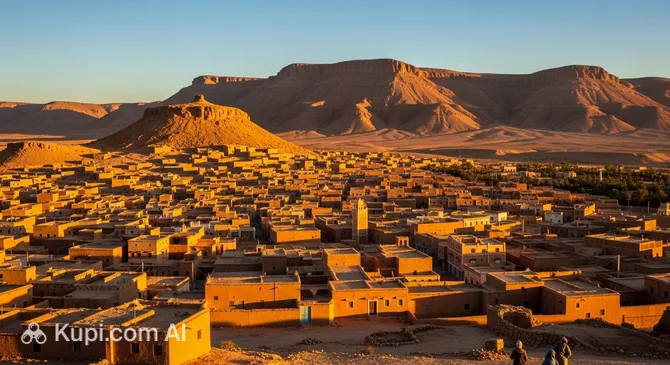
Tamanrasset. Source: Kupi.Binoculars

The fascinating history of Tamanrasset is inextricably linked to the Tuareg people, often referred to as the "Blue Men of the Desert." Their rich heritage defines the spirit of the town, from the traditional jewelry and leatherwork found in local markets to the annual festivals that celebrate Saharan life. The city was also the chosen home of Charles de Foucauld, whose hermitage remains a site of contemplation.

Nature lovers and adventurers will find themselves in paradise here. The city is the perfect base for exploring the Ahaggar National Park and the breathtaking peak of Assekrem. This specific spot is famous worldwide for offering what many describe as the most beautiful sunrise and sunset on Earth, overlooking a landscape of jagged peaks and volcanic rock that feels almost otherworldly.

Whether you are seeking a profound connection with nature or an insight into authentic Saharan culture, Tamanrasset offers an adventure unlike any other. It is a place where the silence of the desert speaks volumes, inviting every traveler to explore its hidden wonders and starry skies.

Weather Overview

Due to its high elevation in the Ahaggar Mountains, the weather in Tamanrasset is surprisingly temperate compared to the blistering heat of the lower Sahara. The climate is arid and dry year-round, but the altitude moderates the temperatures, creating a distinct environment that is generally pleasant for travel, especially during the cooler months.

Summers, from June through August, are warm but manageable, with average daily highs peaking around 35.2°C in July. Nights during this season remain warm, typically staying above 22°C. In contrast, winters (December to February) offer mild days with highs near 20°C, but travelers should be prepared for chilly evenings; January nights can see temperatures drop to a crisp 6.1°C.

Rainfall is exceptionally rare in this region, with most months recording zero precipitation. However, late summer can bring a slight shift, with August seeing a few wet days despite the overall dryness. Generally, you can expect sunny skies, warm days, and cool nights throughout the year.

Interesting Facts

Beyond the scenic vistas of the Ahaggar Mountains, Tamanrasset safeguards intriguing stories and cultural nuances that often escape the casual eye. Here are some lesser-known aspects that define this unique desert city:

  • The Red Architecture: The city is distinctly characterized by its traditional red mud-brick architecture, known as "toub," which is crafted directly from the local earth. This unique building style not only keeps interiors naturally cool but also allows the settlement to blend seamlessly into the reddish hues of the surrounding volcanic landscape.

  • A Linguistic Landmark: While Charles de Foucauld is famous for his hermitage here, he also achieved a massive scholarly feat in Tamanrasset. He spent over a decade compiling a monumental four-volume dictionary of the Tuareg language and collecting traditional poems, playing a crucial role in preserving the oral history of the region.

  • Seat of the Amenokal: Tamanrasset is the historical and social heart of the Kel Ahaggar Tuareg confederation. It traditionally serves as the seat of the Amenokal, the supreme chief of the tribes, maintaining an ancient social structure and customary laws that continue to exist alongside modern administration.

  • Echoes of a Green Past: Although it is now surrounded by arid desert, the region around the city serves as a gateway to ancient rock art sites depicting elephants, giraffes, and cattle. These prehistoric engravings are silent witnesses to a time when this parched landscape was a lush, green savannah teeming with wildlife.

How to Get There

Reaching Tamanrasset is an adventure in itself, given its remote location deep within the Sahara Desert. While the journey across the dunes is spectacular, most travelers opt for air travel to cover the vast distances quickly. For a comprehensive guide on planning your trip, including road routes and tips, you can read more about how to get to Tamanrasset.

The city is served by Aguenar - Hadj Bey Akhamok Airport (IATA: TMR), which acts as the primary lifeline for the region. Located approximately 9 km from the city center, this airport is essential for connecting the deep south with northern Algeria. The facility handles a moderate flow of travelers, with an annual passenger traffic of around 150,000 people. A taxi or shuttle ride from the terminal to the heart of the city typically takes about 35 minutes.

For clarity, here is a summary of the main airport serving the city:

Airport Name City Passenger Traffic Km from City
Aguenar - Hadj Bey Akhamok Airport Tamanrasset Medium 8.9

Tamanrasset is not currently connected to the national railway network, as the train lines do not extend this far into the Sahara. Consequently, there are no railway stations in or near the city. Travelers who do not fly typically arrive by long-distance bus or private 4x4 vehicles, often traversing the Trans-Sahara Highway.

Main Attractions

Tamanrasset serves as the gateway to some of the most dramatic landscapes in the Sahara, offering a mix of geological wonders and profound cultural heritage. While the city itself is a quiet hub, the surrounding region holds spectacular sites that draw travelers from around the globe.

Assekrem is arguably the most iconic attraction in the area, located about 80 kilometers from the city center. Rising to an altitude of over 2,700 meters, this plateau is famous for the stone hermitage built by Charles de Foucauld in 1911. Visitors make the journey here primarily to witness the sunrise or sunset, which illuminates a surreal panorama of jagged volcanic peaks and "needles" stretching as far as the eye can see. It is a place of immense silence and spiritual beauty.

The Ahaggar National Park encompasses a vast area around the city and is a paradise for geology enthusiasts and nature lovers. This open-air museum features a landscape dominated by pink granite and black basalt formations that jut abruptly from the desert floor. Tours through the park often include stops at ancient rock art sites, where prehistoric engravings depict a time when this arid region was a lush savannah teeming with wildlife.

For a deeper understanding of the local culture, the Musée du Hoggar (Hoggar Museum) located within the city is an essential stop. This facility preserves and displays the rich heritage of the Tuareg people. The exhibits include intricate silver jewelry, traditional leatherwork, musical instruments like the imzad, and weaponry, offering a comprehensive insight into the traditions and daily life of the desert's nomadic inhabitants.

Marché de Tamanrasset offers a vibrant contrast to the solitude of the mountains. This bustling local market is the beating heart of the city, where the air is filled with the scent of spices and the colors of indigo fabrics. It is an excellent spot for tourists to interact with locals and purchase authentic souvenirs, such as the famous Tuareg crosses, hand-woven carpets, and artisanal leather goods.

Local Cuisine

The culinary landscape of Tamanrasset is a reflection of its environment: simple, hearty, and deeply rooted in the traditions of the Tuareg people. Unlike the Mediterranean cuisine found in the north of Algeria, the food here is adapted to the rigors of desert life. Gastronomy in this region is less about elaborate restaurant dining and more about the communal experience of sharing sustenance in a harsh climate.

The absolute signature of local cuisine is Taguella, a thick, unleavened bread that serves as the staple of the Tuareg diet. Its preparation is a spectacle in itself: the dough is kneaded and then buried in the hot sand and embers of a fire to bake. Once cooked, it is typically broken into small pieces and covered with a rich, savory sauce made from vegetables, spices, and meat—often lamb, goat, or occasionally camel. This dish, known as Taguella s-lben or served with stew, is a must-try for any visitor wanting an authentic taste of the Sahara.

Meat plays a central role in the local diet, with Méchoui (roasted lamb) being a favorite for celebrations and gatherings. In Tamanrasset, you might also encounter dishes featuring camel meat, which is lean and prized in the region. Another essential element is the date; the local markets are filled with various high-quality types, which are eaten as snacks, used in cooking, or served to welcome guests.

No description of Tamanrasset's food culture is complete without mentioning the legendary Tuareg tea ceremony. Tea here is not just a drink; it is a ritual of hospitality and patience. It is prepared using green tea, plenty of sugar, and fresh mint, boiled over coals and poured from a height to create a thick foam. Tradition dictates that it is served in three rounds, each with a different flavor profile, famously described by locals as: "The first is bitter like life, the second is sweet like love, and the third is soft like death."

Dining in Tamanrasset often takes place in a traditional setting, sometimes sitting on low cushions or rugs. While there are standard restaurants in the city center serving grilled meats and couscous, the most memorable meals are often found in smaller, local eateries or during excursions into the desert, where food is cooked over an open fire under the stars.

Travel Tips

Visiting Tamanrasset is a journey into the soul of the Algerian Sahara, but the unique desert environment and rich local culture require some thoughtful preparation. To help you make the most of your adventure in the Ahaggar Mountains, here are some essential practical tips to keep in mind.

  1. Pack Layers for the Desert Climate: Although it is the Sahara, Tamanrasset sits at a high altitude, meaning temperatures can fluctuate drastically. Bring lightweight, breathable fabrics for the hot days, but ensure you have a warm jacket or fleece for the evenings, as nights can get surprisingly cold. Sturdy walking boots are essential for exploring the rocky terrain of the Ahaggar National Park.

  2. Transportation Essentials: Within the city limits, yellow taxis are affordable and easy to flag down for short trips. However, to explore the main attractions like Assekrem or the surrounding desert, hiring a 4x4 vehicle with a local driver-guide is practically mandatory. Public transport does not service these remote areas, and a knowledgeable guide is crucial for navigating the trackless dunes safely.

  3. Cash is King: The local economy operates almost entirely on cash. Credit cards are rarely accepted outside of high-end hotels or airline offices. There are ATMs in the city center, but they can be unreliable or out of service. It is highly recommended to bring sufficient Euros or US Dollars to exchange for Algerian Dinars (DZD) at banks or official exchange points upon arrival.

  4. Health and Hydration: The air here is incredibly dry. You must drink significantly more water than usual to avoid dehydration, even if you do not feel thirsty. Pharmacies are available in the city center and are generally well-stocked with basic medicines, but you should bring a personal kit with sunscreen, lip balm, and any prescription medications you need.

  5. Navigating the Language Barrier: The primary languages are Arabic and Tamahaq (the Tuareg language), with French widely used as a second language. English is not commonly spoken, so learning a few basic phrases in French or Arabic will be very helpful. Buying a local SIM card (Mobilis, Djezzy, or Ooredoo) in the city is easy and recommended for staying connected, though signal drops off quickly in the desert.

  6. Respect Local Etiquette: The Tuareg people are incredibly hospitable but value respect and dignity. Always greet people before asking a question; a simple "Salam" goes a long way. When eating traditionally with your hands, always use your right hand. Dress modestly in the city, covering shoulders and knees, to respect local conservative norms.

  7. Photography Precautions: Never take photos of people, especially Tuareg women or men in traditional veils, without asking for their explicit permission first. Many locals are private and may find unauthorized photography offensive. Also, avoid photographing any government buildings, police stations, or military personnel, as this is strictly prohibited.

  8. Embrace the Tea Ritual: If you are invited for tea, do not rush. The Tuareg tea ceremony involves three rounds of tea and is a cornerstone of social interaction. Refusing a cup can be seen as rude. Use this time to relax, chat, and enjoy the slow pace of desert life.

By following these tips, you will be well-equipped to navigate the majestic landscapes and warm hospitality of Tamanrasset. Respect the desert and its people, and you will be rewarded with an unforgettable travel experience under the starry Saharan sky.

Entertainment & Nightlife

Entertainment and nightlife in Tamanrasset offer a stark but fascinating contrast to what travelers might expect in European or coastal cities. You will not find bustling nightclubs, loud discos, or a row of western-style bars here. Instead, the "nightlife" is deeply rooted in the local Saharan culture, centered around social connection, traditional music, and the enjoyment of the cool desert air after a hot day. The atmosphere is relaxed, welcoming, and family-oriented, with the city center remaining lively well into the evening as locals gather to socialize.

The main hub of activity in the evening is the area surrounding the Central Market and the main boulevard. As the sun sets, the streets fill with people walking, shopping, and chatting. The most popular form of evening entertainment is gathering at the numerous outdoor cafes and tea houses. Here, the "bar" culture is replaced by the tea ritual. You can sit for hours sipping sweet Tuareg tea, watching the world go by, and engaging in conversation with friendly locals. It is a slow-paced, atmospheric experience that captures the essence of desert life.

For those seeking a dining experience or a place to relax in a more familiar setting, the major hotels serve as the primary venues. Hotel Tahat is one of the most well-known establishments in the city. It often functions as a social gathering point for tourists and expatriates, offering a restaurant where you can enjoy a hearty meal in a comfortable setting. Other dining options can be found in the restaurants of the city's larger hotels, which provide a charming atmosphere often appreciated by travelers looking for a quiet evening. While alcohol is generally hard to find and restricted in this conservative region, these hotel venues are your best bet for a relaxed, tourist-friendly environment.

Music is the heartbeat of entertainment in Tamanrasset. While there are no commercial concert halls, the region is famous for its Imzad music (a traditional single-string violin played by women) and Tuareg blues. Impromptu musical gatherings often happen, and if you are lucky or have a local guide, you might be invited to a traditional musical evening known as a tende. These gatherings, often held under the stars or in private courtyards, feature drumming, chanting, and poetry, offering an unforgettable cultural immersion.

From a practical standpoint, the best time to venture out is after 8:00 PM when the temperature drops. The dress code is casual but should remain modest; long trousers for men and covered shoulders for women are respectful of local customs. The city center is generally safe for walking at night, especially on main streets which are well-lit and populated. However, for returning to your accommodation or moving between distant points, it is advisable to use the distinct yellow taxis. They are inexpensive and readily available. Avoid walking alone in unlit outskirts late at night.

During the daytime, entertainment shifts towards exploration and history. Before the evening sets in, visitors can explore the Maison de la Culture (House of Culture) or visit local craft centers to admire traditional Tuareg artistry and learn about the Kel Ahaggar history. The days are best spent preparing for the night's main spectacle: the sky itself. A short drive out of the city limits offers entertainment that no city club can match—stargazing in one of the darkest, clearest skies on Earth.

Parks & Museums

Tamanrasset is a unique cultural oasis where the concept of "parks" expands to encompass vast, open-air natural reserves, and museums serve as vital guardians of an ancient way of life. While the city does not feature typical manicured urban gardens, it is the threshold to some of the most spectacular natural environments on the planet, complemented by institutions dedicated to preserving the rich heritage of the Sahara.

Ahaggar National Park is the crowning jewel of the region and serves as the primary "green space," though its palette is dominated by the ochre of sand and the black of volcanic rock. Spanning a colossal area around the city, this park is an open-air museum of geology and biodiversity. It is home to rare Saharan cheetahs, gazelles, and resilient flora like the acacia and tamarix. For tourists, it offers an unparalleled opportunity to explore a landscape that feels prehistoric, characterized by dramatic basalt columns and pink granite massifs that rise abruptly from the desert floor.

For a more local and intimate natural experience, travelers should visit the Outoul Valley, located roughly 20 kilometers from the city center. Unlike the stark high mountains, this area acts as a refreshing retreat where underground water sources nourish a ribbon of greenery, including oleanders and palm trees. It is a favorite picnic spot for local families seeking shade and tranquility. The contrast between the lush vegetation of the wadi and the surrounding arid hills makes it a picturesque location for relaxation and photography.

In terms of cultural institutions, the Musée de l'OPNA (Office of the Ahaggar National Park) stands out as the city's premier museum. Located centrally, it provides a comprehensive overview of the region's natural and human history. The exhibits are divided into sections covering geology, paleontology, and botany, alongside a rich ethnographic collection. Visitors can examine prehistoric arrowheads and pottery found in the desert, as well as traditional Tuareg items like the imzad (violin) and intricate leather saddles, offering deep context before heading out into the wild.

Another essential cultural venue is the Maison de l'Artisanat (House of Craftsmanship). While it functions as a center for artisans, it operates much like a living gallery of Tuareg art. Here, the focus is on the preservation of ancestral skills. Visitors can watch silversmiths craft the famous Tuareg crosses and jewelers working with semi-precious stones. It is an interactive experience that allows tourists to understand the symbolic meaning behind the geometric patterns found in local jewelry and leatherwork.

Among the historical landmarks, the Bordj of Charles de Foucauld is a site of profound significance. This mud-brick fortress in the city center was the residence of the French hermit and scholar who compiled the first Tuareg-French dictionary. The structure itself is a fine example of traditional Sudanese-style architecture adapted to the desert, with thick walls designed to keep the interior cool. It stands as a silent witness to the history of cultural exchange in the region.

For a truly authentic experience, seek out the smaller, unnamed rock art sites scattered on the outskirts of the city, often known only to local guides. Unlike the famous, distant sites, these smaller engravings of cattle and giraffes are easily accessible and offer a private glimpse into a time when the Sahara was a verdant savannah. Additionally, visiting the Tahaggart neighborhood offers a look at the contemporary cultural heartbeat of the city, where traditional red-clay architecture is still prevalent.

Getting Around

The public transport system in Tamanrasset is modest and straightforward, reflecting the city's size and its remote desert location. Unlike the bustling metropolises in the north, there is no metro, tram, or train network here. The city relies primarily on a road-based network consisting of taxis and minibuses, which are sufficient for navigating the urban area and connecting the center with residential neighborhoods.

Yellow taxis are the most convenient and popular mode of transport for tourists. These vehicles are easily recognizable by their bright yellow color. In Tamanrasset, taxis operate on two main principles: "course" (private ride) and "place" (shared ride). A shared taxi picks up multiple passengers going in the same direction, making it an extremely economical option, while a private hire takes you directly to your destination without stops. Taxis can be flagged down on the street, found at designated stands near the market, or arranged through your hotel reception.

For local residents, the backbone of the transport system is the network of minibuses and vans. These vehicles operate on fixed routes connecting the city center with outlying districts. They do not have numbered stops or strict timetables; instead, they depart from main terminals once they are full. While this is the cheapest way to travel, it can be challenging for visitors who do not speak the local language or know the specific landmarks, as destination signs are often missing or written only in Arabic.

The payment system in Tamanrasset is exclusively cash-based. There are no electronic travel cards, transport apps, or ticket machines. Passengers pay the driver directly upon boarding or when exiting the vehicle. Fares are fixed and generally very low. For a shared taxi or minibus ride within the city, the cost is nominal, usually involving small coins. It is essential to carry small denominations of the local currency, as drivers often struggle to provide change for large banknotes.

For tourists planning to explore beyond the paved streets of the city center, the standard "public transport" shifts to 4x4 vehicles. Accessing the famous attractions like Assekrem or the wider Ahaggar National Park requires an all-terrain vehicle with a driver. These are not hailed on the street but are hired through local travel agencies for half-day or multi-day excursions. This service acts as the region's specialized transit system for navigating the rugged desert terrain.

Walking is a viable and pleasant alternative for getting around the city center, especially during the cooler morning hours or in the evening. The downtown area, containing the main market, the museum, and several hotels, is compact and easy to navigate on foot. However, due to the intense midday sun, walking long distances is not recommended between 11:00 AM and 4:00 PM.

Travelers should be aware that public transport operating hours are somewhat limited compared to major cities. Taxis and buses are plentiful during the day but become significantly scarcer after 8:00 PM or 9:00 PM. If you plan to stay out late for dinner or stargazing, it is highly advisable to arrange your return transport in advance with a trusted taxi driver or your hotel.

Accommodation

Accommodation in Tamanrasset is less about high-end luxury and more about authentic immersion in the unique Saharan environment. The city offers a modest range of lodging options that cater to adventurous travelers, ranging from functional state-run hotels to traditional campsites that allow you to sleep closer to nature. Visitors should manage their expectations regarding modern amenities; while comfort is available, the focus here is on hospitality and the experience of the desert rather than opulence.

For those who prefer standard conveniences, the City Center is the most practical area to stay. Being located here places you within walking distance of the central market, the museum, and transport hubs. This is where you will find the city's established hotels, which typically offer air-conditioned rooms, private bathrooms, and on-site dining. These establishments are often the preferred choice for business travelers or tourists seeking a solid roof over their heads after a long day of exploration.

However, the true spirit of Tamanrasset is found in its campsites and guesthouses, often located on the outskirts of the city or towards the Assekrem route. These venues frequently offer accommodation in "zeribas"—traditional straw huts that are surprisingly cool and comfortable—or simple stone bungalows. Many tourists opt for these to experience the famous Tuareg hospitality, enjoying communal meals and tea ceremonies under the open sky.

One of the most well-known establishments in the region is Hotel Tahat. It is considered a local landmark and serves as a central meeting point for many visitors. While it reflects an older architectural style, it provides a reliable standard of service with a swimming pool and restaurant, making it a comfortable base for Saharan expeditions.

Booking Tip: Online booking platforms are rarely used in this region. Most accommodations, especially smaller guesthouses and campsites, do not have a digital presence. The most effective way to secure a room is to book through a reputable local travel agency as part of your tour package, or to contact hotels directly by phone. If you are visiting during the cooler peak season (October to March), it is advisable to arrange your stay well in advance.

Price Range and Booking: generally, accommodation in Tamanrasset falls into the budget to mid-range categories. Prices are very reasonable by international standards. It is crucial to note that payment is almost exclusively expected in cash (Algerian Dinars). Credit cards are rarely accepted for lodging, so ensure you have sufficient local currency on hand upon arrival.

Nearby Cities

Given the immense scale of the Sahara, "nearby" is a relative term in this region. Tamanrasset serves as a major isolated hub in the deep south, connected by long desert routes to other significant oases and administrative centers. These cities represent the next major stops for travelers navigating the Trans-Sahara Highway or exploring the diverse regions of the Algerian desert, rather than quick excursion spots.

Ghardaia is a fascinating destination situated in the M'zab Valley, a UNESCO World Heritage site. Known for its unique medieval architecture and the distinct culture of the Mozabite people, the city is composed of five fortified hilltop settlements. It offers a striking contrast to the volcanic landscapes of the south, featuring narrow winding streets, bustling marketplaces, and a rich history of communal living that has survived for centuries.

El Golea (also known as El Menia) is often referred to as the "Pearl of the Desert" due to its lush palm groves and abundant water sources. It holds a significant historical connection to Tamanrasset, as it is the final resting place of Charles de Foucauld. Visitors can explore the church of Saint Joseph, pay their respects at Foucauld's grave, and visit the ruins of the old Ksar which offer panoramic views over the oasis.

Adrar serves as the heart of the Touat region and is famous for its distinctive red mud-brick architecture. The city is a hub for exploring the ancient foggara irrigation systems, which are a testament to the ingenuity of desert inhabitants in managing water. Adrar provides a deep insight into the trade routes and traditions that have shaped the central Sahara.

City Population Distance (km)
Ouargla 133,024 1,015
Ghardaia 120,000 1,091
Adrar 68,276 813
Hassi Messaoud 45,147 988
El Golea 40,195 902

These destinations, though distant, form the constellation of major settlements that define the Algerian Sahara, each offering a unique perspective on life in this vast arid environment.

Shopping & Souvenirs

Shopping in Tamanrasset is a unique experience that feels less like visiting a modern retail destination and more like stepping into a historic crossroads of trans-Saharan trade. The city does not offer high-end fashion boutiques or international chain stores; instead, it provides a fascinating array of local artisanship and traditional goods. Visitors will find that commerce here is deeply personal, often involving direct interaction with the artisans and traders who uphold the region's rich cultural heritage.

The commercial life of the city is heavily concentrated in the City Center. The streets radiating from the central square are lined with small shops, kiosks, and workshops. Walking through these bustling thoroughfares, you will find everything from general supplies and fabrics to specialized craft stores. The atmosphere is vibrant yet relaxed, with goods often displayed on the sidewalks, inviting passersby to browse the colorful wares.

Travelers looking for large, Western-style shopping malls will not find them in Tamanrasset. The retail landscape is dominated by independent merchants and small arcades rather than sprawling complexes. While there are some larger multi-story buildings housing various shops, they function more like indoor markets than the entertainment-focused malls found in northern Algeria or Europe. The charm of shopping here lies in the small, dusty boutiques filled with hidden treasures.

The absolute highlight of the local shopping scene is the Main Market (often referred to as the African Market or Marché). This daily market is the beating heart of the city, where the scents of exotic spices mix with the aroma of mint tea. It is a place of sensory overload where you can find fresh produce, dates, and blocks of rock salt brought in by camel caravans, alongside vibrant textiles. It is the best place to observe the daily life of the Tuareg people and engage in friendly haggling.

When it comes to souvenirs, Tamanrasset is a goldmine for authentic craftsmanship. The most iconic items to buy are traditional Tuareg silver jewelry, particularly the famous "Cross of Agadez" and other intricate geometric pendants. Leather goods are also a specialty, with artisans creating durable sandals, bags, and saddles decorated with colorful pigments and fringes. Other popular purchases include the cheche (the traditional long headscarf), ceremonial swords known as takouba, and high-quality dates grown in the local oases.

Opening hours in Tamanrasset are dictated by the desert climate. Shops typically open early in the morning, around 8:00 AM or 9:00 AM, and stay open until roughly 1:00 PM. There is a universal pause during the hottest part of the day, with businesses reopening in the late afternoon, around 4:00 PM or 5:00 PM, and remaining open until 8:00 PM or 9:00 PM. On Fridays, which is the holy day, most shops remain closed or open only in the late afternoon.

regarding payment methods, cash is the absolute rule. Credit cards are virtually useless for shopping in markets or small stores. Visitors must ensure they have sufficient Algerian Dinars (DZD) in cash, preferably in smaller denominations, as traders often struggle to change large banknotes. Tax-free shopping or VAT refund schemes are not available in Tamanrasset, so the price you negotiate is the final price you pay.

Reached the end of the page?

That means the route is fully explored