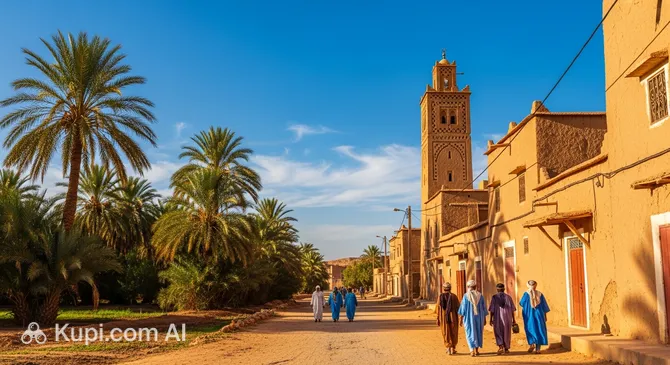
Shopping in Tindouf offers a distinct departure from the polished, commercialized experience of modern metropolitan centers. Instead of sprawling shopping complexes and international brand outlets, visitors will encounter a retail landscape that is deeply rooted in the traditions of the Sahara. The shopping scene here is authentic and functional, centered around small, family-run businesses and vibrant open-air markets that serve the daily needs of the local population while showcasing the region's rich artisanal heritage.
The primary shopping activity is concentrated in the city center, particularly along the main avenues that radiate from the central administrative district. Walking through these streets, you will find a variety of general stores, textile shops, and small boutiques selling everything from household goods to traditional clothing. The atmosphere is relaxed and communal, with shopkeepers often taking the time to greet customers warmly, reflecting the hospitable nature of the desert community.
Travelers looking for large-scale shopping malls will not find them in Tindouf. The city's retail infrastructure is built on a smaller, more intimate scale. While there may be small covered galleries or arcades housing multiple vendors under one roof, the concept of the mega-mall has not reached this remote outpost. This absence preserves the local charm, ensuring that commerce remains a personal interaction rather than an impersonal transaction.
The true heart of commerce in the city is the Central Souk. This bustling market is an essential stop for any visitor, offering a sensory overload of sights, sounds, and smells. Here, stalls are piled high with fresh produce, aromatic spices, and dates harvested from local and regional palm groves. The market is not just a place to buy goods; it is a social hub where news is exchanged over cups of mint tea. It is the best place to observe the rhythm of daily life and interact with the locals.
For those seeking unique souvenirs, Tindouf is a treasure trove of Saharan craftsmanship. The region is particularly renowned for its exquisite silver jewelry, often crafted by skilled artisans using techniques passed down through generations. You can also find beautiful leather goods, such as sandals and bags, as well as the colorful Melhfa—the traditional fabric wraps worn by women in the region. Camel wool rugs and intricate wood carvings are also popular items that make for meaningful keepsakes.
When planning your shopping trips, it is crucial to be aware of local opening hours. Business generally starts around 8:00 AM or 9:00 AM, but the city observes a strict midday break due to the intense desert heat. Most shops will close between 1:00 PM and 4:00 PM, reopening in the late afternoon and staying open until late in the evening. Friday is the holy day, so expect many businesses to be closed or to have very limited hours, particularly around prayer times.
Regarding payment, Tindouf operates almost exclusively as a cash economy. Credit cards are rarely accepted outside of perhaps the airport or a major hotel, so it is essential to carry sufficient Algerian Dinar (DZD) with you. ATMs can be found in the city center, but they may occasionally be out of service. As for tax-free shopping, this system is not typically available or operational in this region, so visitors should not expect to claim VAT refunds on their purchases.