Support

Guelmim

About

Welcome to **Guelmim**, a captivating city often referred to as the Gateway to the Desert. Situated in the southern part of Morocco, this bustling urban center serves as the capital of the Guelmim-Oued Noun region and offers a fascinating blend of cultures where the mountains meet the sand.

With a population of approximately **118,000 residents**, the city acts as a geographic bridge between the Anti-Atlas mountains and the vast Sahara. The climate here is typically arid and warm, creating a unique environment that distinguishes it from the coastal cities to the north.

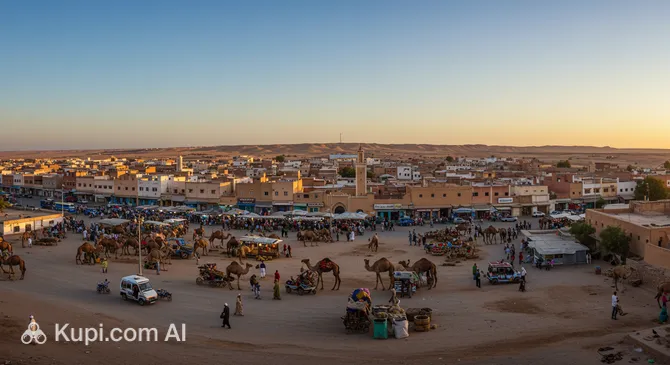
Guelmim. Source: Kupi.Binoculars

The history of Guelmim is deeply rooted in its legacy as a major caravan trade hub. For centuries, it served as a vital meeting point for merchants and nomadic tribes crossing the desert, a heritage that is still reflected in the local customs and traditional dress commonly seen on the streets.

One of the city's most renowned attractions is the weekly **Camel Market** (Souk Amhayrich), held every Saturday. It is one of the largest markets of its kind in the region and provides an authentic glimpse into Sahrawi traditions. Visitors are also often drawn to the nearby thermal springs of **Abaynou** or the stunning, untouched coastline of **Plage Blanche**.

Whether you are eager to explore the vibrant souks or use the city as a starting point for a desert adventure, Guelmim promises a memorable experience. Its warm hospitality and unique atmosphere make it an essential stop for travelers venturing into the south.

Weather Overview

Travelers visiting this region can generally expect a dry and arid climate typical of the desert gateway. The weather in Guelmim is consistently mild to warm, making it a comfortable destination for most of the year. Summers are the hottest period, particularly in July and August, when average daytime highs reach approximately 30°C to 31°C. Winters remain very pleasant, with January seeing average daily maximums of around 20°C, though nights can be cooler with lows dipping to nearly 10°C.

Rainfall is exceptionally scarce in Guelmim, ensuring sunny skies for the vast majority of your visit. Precipitation levels are negligible year-round, often recorded at 0mm or 1mm even during the transition seasons. Whether you visit in the spring or late autumn, you can expect dry conditions with only a few isolated days showing any sign of moisture.

Interesting Facts

Beyond its reputation as a trade hub, Guelmim holds unique cultural secrets and traditions that offer a deeper understanding of life on the desert's edge.
  • The Legend of the "Blue Men": You may hear locals or nomads referred to as the "Blue Men." This moniker does not come from skin color, but from the traditional indigo-dyed robes (shesh) worn by the men. Historically, the dye was not set with chemicals and would rub off onto their skin, leaving a blue tint that was believed to protect them from the harsh sun and evil spirits.

  • A Hub for "Goulimine Beads": In the world of antique collectors, the city is famous for a specific type of trade bead known as the "Goulimine Bead." These colorful glass millefiori beads, originally manufactured in Venice and Bohemia, were used as currency across the Sahara for centuries and can still be found in the city's antique shops today.

  • Home of the Guedra Dance: The region is the spiritual home of the Guedra, a traditional dance performed by women while kneeling. The performance is named after the cooking pot (guedra) used as a drum to provide the rhythm and involves intricate hand gestures meant to transmit positive energy and blessings to the audience.

  • Camel Meat Delicacy: While many tourists visit to see the camels, few realize that camel meat is a staple delicacy in local cuisine. It is prized for being incredibly lean and healthy, often prepared by local butchers as "camel burgers" or slow-cooked in rich, flavorful tagines that you won't easily find in northern cities.

How to Get There

Reaching the "Gateway to the Desert" is part of the adventure, offering travelers a chance to see the changing landscapes of southern Morocco. For a detailed breakdown of all transport options, routes, and tips, you can read more about how to get to Guelmim.

The city of Guelmim does not have its own major international airport, so most visitors arrive via the Agadir Al Massira Airport (AGA) in the city of Agadir. Located approximately 161 km from Guelmim, this is a significant international hub with high passenger traffic, making it the most convenient entry point. From Agadir, the journey south by taxi or bus takes approximately 4 hours and 20 minutes. Alternatively, you can fly into Essaouira Airport (ESU) in Essaouira, though it is situated about 270 km away, resulting in a longer transfer time of around 7 hours.

For clarity, here is a summary of the main airports:

Airport Name City Passenger Traffic Km from City
Agadir Al Massira Airport Agadir Large 160.9
Essaouira Airport Essaouira Small 269.7
Tindouf Airport Tindouf Small 233.8

Guelmim is not connected to the national railway network, as train services in Morocco generally terminate further north, typically in Marrakech. Consequently, there are no railway stations in the immediate vicinity of the city. Travelers opting for land transport usually take a train to Marrakech and then transfer to a comfortable intercity bus (such as CTM or Supratours) or a grand taxi to continue the journey south towards Agadir and finally Guelmim.

Main Attractions

Tighmert Oasis is undoubtedly one of the most serene and picturesque spots in the region. Located just a short drive from the city center, this lush palm grove offers a striking contrast to the surrounding arid landscape. Visitors can wander along shaded paths, visit traditional adobe houses, and explore the "Eco-museum" of nomadic memory. It is a perfect place to understand the traditional irrigation systems and enjoy a peaceful tea break in a verdant setting.

For those seeking the raw beauty of the Atlantic coast, Plage Blanche (White Beach) is a must-visit destination. Situated approximately 60 kilometers from Guelmim, this immense stretch of white sand extends for over 40 kilometers, flanked by desert dunes. It is often described as the place where the desert meets the ocean. The beach is largely undeveloped and wild, offering a sense of solitude and vastness that is rare to find elsewhere.

Abaynou Thermal Springs offers a relaxing retreat for travelers looking to unwind. Located in a small village about 15 kilometers from the city, these natural hot springs are renowned for their mineral-rich waters, which are believed to have healing properties. The facility features separate pools for men and women, making it a popular weekend getaway for locals and a refreshing stop for tourists after a long journey.

The Souk Amhayrich, also known as the Weekly Camel Market, remains the city's most iconic cultural event. Held every Saturday morning at the edge of town, it is one of the largest camel markets in Southern Morocco. While the sight of hundreds of camels is the main draw, the market is also a bustling hub for trading livestock, grain, and traditional crafts, offering a vibrant and authentic window into the commercial life of the Sahrawi people.

Amtoudi is a bit further afield but highly recommended for history enthusiasts. This village is famous for its ancient agadirs (fortified granaries) perched high on rocky cliffs. These impressive stone structures were used by local tribes to store grain and protect valuables. Hiking up to the granaries provides not only a lesson in architectural history but also breathtaking panoramic views of the canyon and the oasis below.

Local Cuisine

The culinary landscape of Guelmim is a delicious reflection of its position as a crossroads between the mountains and the deep Sahara. The local food culture is heavily influenced by Sahrawi traditions, prioritizing hearty, nutritious meals designed to sustain travelers and nomads. Unlike the elaborate cuisine of the imperial cities to the north, the food here is characterized by its simplicity, reliance on high-quality local meats, and the warm hospitality with which it is served.

One cannot visit Guelmim without trying camel meat, which is the region's signature delicacy. Due to the city's status as a major camel trading hub, this meat is fresh and widely available. It is typically prepared in a rich tagine with dates, dried fruits, or seasonal vegetables, slowly cooked until it becomes incredibly tender. For those who prefer grilled dishes, look for skewers of camel meat seasoned simply with cumin and salt, or try boulfaf (liver wrapped in suet), which is a popular street food snack.

Bread is a staple at every table, but in this region, you might encounter the traditional Mella, also known as sand bread. This desert specialty is baked directly in the hot sand and embers of a fire, resulting in a crusty, smoky loaf that pairs perfectly with goat cheese, honey, or olive oil. Another local favorite is Saykouk, a refreshing dish made from barley couscous served with fermented milk or buttermilk, which provides a cooling contrast to the desert heat.

When it comes to beverages, the Sahrawi tea ceremony is central to social life. Tea here is brewed strong, sweet, and mixed with aromatic herbs, then poured from a height to create a thick layer of foam known as the "turban." It is traditionally served in three rounds, each with a slightly different flavor profile. While you can find fresh orange juice and mineral water everywhere, alcoholic drinks are generally scarce and mostly limited to specific hotel bars or tourist-designated establishments, as the local culture is conservative.

Dining in Guelmim is often a casual and communal affair. You will find numerous small eateries and roadside grills, known as chouwayas, where you can select your meat from a butcher counter and have it grilled to order right in front of you. For a more immersive experience, the areas surrounding the weekly markets offer a chance to taste authentic street food and buy fresh local dates, which are among the sweetest and most prized in the country.

Travel Tips

Planning a trip to Guelmim requires a bit of specific preparation due to its unique desert climate and deep-rooted Sahrawi traditions. To help you navigate the "Gateway to the Desert" with ease and respect, here are some essential practical tips for your journey.

  1. Dress for the Desert Climate: Since temperatures can soar during the day and drop significantly at night, packing layers is essential. Bring loose, breathable clothing made of cotton or linen to stay cool, and a warm jacket for the evenings. As this is a conservative region, always dress modestly; both men and women should cover their shoulders and knees. A shesh (headscarf) is also a practical accessory to protect against the sun and occasional sand.

  2. Getting Around the City: The most convenient way to navigate Guelmim is by using Petit Taxis, which are small, distinctively colored cars designated for travel within city limits. They are inexpensive, but it is wise to ask the driver to turn on the meter or agree on a price before starting your ride. For trips to the surrounding oasis or beaches, you will need to hire a Grand Taxi or rent a car, as public buses to these specific outlying areas can be infrequent.

  3. Cash is King: The local currency is the Moroccan Dirham (MAD). While some hotels and larger restaurants may accept credit cards, cash is absolutely necessary for daily transactions, especially in the souks, small shops, and for taxi fares. ATMs are available in the city center, but it is advisable to carry enough small change for tips and minor purchases.

  4. Health and Hydration: Due to the arid environment, staying hydrated is crucial; always carry and drink bottled water rather than tap water. Pharmacies are widely available and can be identified by a green cross sign; they are generally well-stocked for minor ailments. Be sure to pack high-SPF sunscreen, sunglasses, and a hat to protect yourself from the intense desert sun.

  5. Navigating the Language Barrier: The primary languages spoken are Darija (Moroccan Arabic) and Hassaniya, a dialect of the Sahrawi people. French is widely understood and serves as the main language for tourism and business. English is less common here than in cities like Marrakech or Fes, so learning a few basic phrases in French or Arabic, or having an offline translation app, will be very helpful.

  6. Respect Local Etiquette: Guelmim is known for its warm hospitality but also its conservative values. When greeting locals, a handshake is common, often followed by touching your hand to your heart as a sign of respect. Always use your right hand for eating communal meals or handing money to someone. Public displays of affection should be avoided as they are considered inappropriate.

  7. Photography Precautions: Avoid taking photos of people, especially women, without their explicit permission, as this can be considered offensive. Additionally, never take photographs of police officers, military personnel, or government buildings, as this is strictly prohibited for security reasons.

  8. Market Timing: If you want to experience the famous Camel Market, plan your week around it. The main activity takes place on Saturday mornings, starting very early. Arriving around 7:00 AM or 8:00 AM gives you the best chance to see the trading in full swing before the heat of the day sets in.

By keeping these tips in mind, you will be well-equipped to enjoy the authentic charm and rugged beauty of Guelmim. Embrace the slower pace of life in the south, enjoy the legendary tea, and you are sure to have an unforgettable adventure.

Entertainment & Nightlife

Entertainment and nightlife in **Guelmim** offer a distinct departure from the high-energy club scenes found in Morocco's larger coastal cities. Here, the "nightlife" is deeply rooted in social interaction, traditional hospitality, and the simple pleasure of enjoying the cooler desert air after the sun goes down. The atmosphere is family-friendly, relaxed, and centered around conversation rather than loud music or dancing.

The epicenter of evening activity is undoubtedly **Place Bir Anzarane**. As the heat of the day dissipates, this expansive central square fills with locals, from children playing near the fountains to elders discussing current events. It is the perfect spot for people-watching and immersing yourself in the local rhythm. The surrounding streets are lined with cafés where the primary activity is sipping sweet mint tea or "nous-nous" (half coffee, half milk) while watching the world go by.

For visitors looking for a more formal dining experience or a place to relax in a quiet setting, the city's major hotels provide the main venues. **Hotel Oasis Palm** is one of the few establishments where you might find a more international atmosphere and a restaurant serving dinner late into the evening. Another notable spot is the restaurant within **Hotel Salam**, which offers traditional Moroccan cuisine in a comfortable environment. Note that outside of these hotel bars or specific tourist-licensed restaurants, alcohol is generally not served in the city, and you will not find standalone nightclubs or discos.

A popular evening pastime is strolling along **Boulevard Mohammed VI**. This main thoroughfare comes alive at night with residents enjoying the promenade. The street is safe, well-lit, and lined with small shops and snack bars offering grilled meats and fresh juices. The dress code here is conservative; casual but modest clothing is expected, and "dressing up" for a night out usually means wearing clean, respectable attire rather than party wear.

From a practical standpoint, the best time to venture out is after 8:00 PM, when the city truly wakes up for its second wind. Prices are very affordable compared to tourist hubs; a pot of tea or a coffee will cost just a few dirhams. Getting around is easy via the plentiful **Petit Taxis**, which are safe and can be hailed from almost anywhere in the center. Walking is also perfectly safe in the main well-lit districts, though it is advisable to avoid unlit outskirts late at night.

While the nights are for socializing, daytime entertainment in Guelmim focuses on cultural exploration. The **Ensemble Artisanal** (Artisanal Center) is a great place to visit during the day to see local craftsmen at work, creating silver jewelry and leather goods. Alternatively, you can explore the small but interesting museums dedicated to the region's nomadic history or take a short trip to the nearby oasis gardens for a peaceful afternoon walk before the evening activity begins.

Parks & Museums

While Guelmim is famous for its arid landscapes and endless dunes, the city and its surroundings offer surprising pockets of greenery and deep cultural reservoirs. Visitors looking to escape the desert heat or dive into the history of the "Blue Men" will find that the region's parks and museums provide a perfect blend of relaxation and education, connecting the sandy horizon with lush oases and ancient traditions.

Tighmert Oasis serves as the region's primary green lung and is arguably the most beautiful natural area near the city. Located just a short drive from the center, this sprawling palm grove (Palmeraie) feels like a different world, where thousands of date palms create a cool, shady canopy over irrigation channels (seguias) and vegetable gardens. It is an idyllic spot for a peaceful walk, allowing travelers to observe the traditional agricultural methods that have sustained life here for centuries.

For a unique natural experience, the Abaynou Thermal Springs offer a refreshing retreat about 15 kilometers from Guelmim. Nestled in a small valley, this site functions as a natural park and spa, centered around hot sulfur-rich water sources believed to have therapeutic properties. The area is landscaped with local flora and offers separate bathing pools, making it a popular weekend picnic spot where tourists can mingle with locals seeking relaxation and wellness.

The Museum of Nomadic Memory (Musée de la Mémoire Nomade), located within the Tighmert Oasis, is a cultural gem that offers an intimate look into Sahrawi history. Housed in a traditional adobe building, this private museum displays a fascinating collection of artifacts, including camel saddles, tea ceremonies kits, and nomadic tents. The curator often provides personal insights into the daily lives of the caravan traders, making the history of the trans-Saharan routes come alive in a way that large institutions cannot match.

In the heart of the city, the Ensemble Artisanal (Artisanal Center) acts as a living gallery of local craftsmanship. While it functions as a place to purchase goods, it is also a vital cultural showcase where visitors can watch artisans at work. Here, you can admire the intricate creation of silver jewelry, leather goods, and the famous "Goulimine beads." It is an excellent venue to appreciate the artistic heritage of the region without the pressure of a bustling souk.

Beyond specific museums, the architecture of the region itself stands as a testament to its history. The Ksour and Kasbahs scattered around the oasis and the city outskirts feature the distinctive red-ochre adobe walls that act as natural insulation against the heat. Exploring these fortified structures offers a glimpse into the defensive and communal lifestyle of the tribes that once controlled the trade routes between Morocco and sub-Saharan Africa.

For a truly authentic experience, try to visit the Tighmert Oasis in the late afternoon. The "Golden Hour" light against the red mud walls and green palms is spectacular for photography. Afterward, ask a local guide to show you a traditional Kheima (nomadic tent), where you might be invited to share a glass of sahrawi tea, a ritual that is as much a cultural institution as any museum exhibit.

Getting Around

The public transport system in Guelmim is relatively simple and straightforward, reflecting the city's size and its layout as a desert gateway. Unlike larger metropolitan areas, you will not find a metro, tram, or train network within the city limits. Instead, the local transportation infrastructure relies heavily on a combination of taxis and a developing bus network, which together provide efficient coverage for both the city center and the surrounding neighborhoods.

Petit Taxis are the most popular and convenient mode of transport for getting around the city itself. These are small cars permitted to carry up to three passengers. They are ideal for short trips between the city center, hotels, and local markets. By law, they are equipped with meters, and it is standard practice to ask the driver to engage the meter at the start of the ride. If the meter is not used, be sure to agree on a fare before departing, although prices for trips within the city are generally very affordable.

For travel beyond the city limits, such as visiting the Tighmert Oasis, the Abaynou Thermal Springs, or Plage Blanche, Grand Taxis are the primary option. These are larger sedans or vans that operate on fixed routes and depart from designated taxi stations. Grand Taxis function as a shared service, leaving only when all seats are filled (usually six passengers). You pay for a single seat, but if you prefer more comfort or want to leave immediately, you can pay for the empty seats or hire the entire vehicle for a private excursion.

The city is also served by a public bus network. These modern buses connect the city center with outlying residential areas and nearby villages. While they are less frequent than taxis, they are a reliable and budget-friendly alternative. The buses are generally comfortable and air-conditioned, which is a significant plus during the hot summer months. Bus stops are marked, and the destination is usually displayed on the front of the vehicle.

Regarding payment, the system in Guelmim is almost exclusively cash-based. There are no digital travel cards, mobile apps, or contactless payment systems for public transport currently available for tourists. You must pay the driver directly in local currency. For buses, you purchase your ticket from the driver upon boarding. For taxis, it is crucial to carry small change, as drivers often do not have change for large banknotes.

Walking is a viable and pleasant alternative for exploring the city center, particularly around Place Bir Anzarane and the main souks, where attractions are clustered close together. However, for reaching the bus station or the weekly camel market on the outskirts, motorized transport is recommended due to the heat and distance. Car rentals are available and are a good option if you plan to explore the wider region independently, but for strictly intra-city travel, they are often unnecessary due to the abundance of cheap taxis.

A practical tip for tourists is to familiarize yourself with the location of the "Grand Taxi" station relevant to your destination, as different stations serve different routes (e.g., one for the coast, another for the mountains). Additionally, transport services tend to slow down significantly during religious holidays or late at night, so it is wise to arrange your return trip in advance if you are venturing out of the city in the evening.
Accommodation

Where to Stay:

Accommodation in Guelmim is characterized by authenticity and simplicity rather than opulence. Unlike the sprawling luxury resorts found in coastal cities like Agadir, the options here lean towards functional mid-range hotels in the city center and traditional guesthouses (maisons d'hôtes) on the outskirts. Travelers can generally expect clean, comfortable, and hospitable lodgings that reflect the modest yet welcoming nature of the region.

There are two distinct areas where tourists typically choose to stay, depending on their travel style. The City Center is the most practical choice for those relying on public transport or wishing to be close to amenities such as the bus station, banks, and restaurants. Staying here places you within walking distance of the evening promenade and the souks. Conversely, the Tighmert Oasis, located approximately 10 kilometers from the town, offers a completely different experience. Here, visitors can stay in restored adobe homes surrounded by palm trees, providing a serene and atmospheric base for those seeking immersion in nature and silence.

In the city center, the accommodation landscape is dominated by established hotels that cater to both business travelers and tourists. These venues typically offer modern conveniences such as air conditioning, en-suite bathrooms, and on-site dining options. They serve as reliable bases for exploring the region. On the other hand, the guest houses in the oasis focus on a traditional experience, often featuring communal courtyards, tents for lounging, and home-cooked Sahrawi meals, allowing guests to connect more deeply with the local culture.

The cost of staying in Guelmim is generally very affordable compared to Morocco's major tourist hubs. Prices typically range from budget to mid-range, making it an economical destination. While some of the larger city hotels can be booked via major online platforms, many smaller guesthouses and rural stays may prefer direct contact or cash payments upon arrival. A helpful tip for travelers is to book in advance if your visit coincides with the Saturday Camel Market or the annual Moussem festival, as the best rooms in both the city and the oasis tend to fill up quickly during these peak times.

Nearby Cities

For those looking to explore the surroundings, Guelmim serves as an excellent base for day trips to several interesting nearby locations:

The closest and perhaps most culturally distinct destination is Tiznit. Located less than 100 kilometers away, this town is renowned across Morocco as the capital of silver jewelry. Enclosed by impressive red-ochre ramparts, the old medina is a treasure trove for visitors looking to buy authentic Berber jewelry, daggers, and handicrafts. Its relaxed atmosphere makes it an ideal spot for a leisurely day of shopping and exploration.

Further north lies the major coastal city of Agadir. Although it requires a longer drive, it offers a complete contrast to the desert vibes of Guelmim. Agadir is famous for its vast crescent-shaped beach, modern marina, and vibrant promenade lined with cafes and restaurants. It is a perfect choice for those seeking ocean breezes and contemporary amenities.

Just adjacent to Agadir is Inezgane, a bustling transport and commercial hub. While less touristy than its neighbor, it is famous for hosting one of the largest wholesale markets in the southern region. It provides a raw and energetic look at local commerce, where everything from spices to vegetables is traded in bulk.

City Population Distance (km)
Agadir 421,844 166
Ait Melloul 171,847 159
Inezgane 130,333 160
Lqliaa 83,235 156
Tiznit 74,699 85

These nearby destinations offer a glimpse into the diverse culture and landscapes of the region, ranging from historic walled towns to lively coastal metropolises.

Shopping & Souvenirs

Shopping in Guelmim offers a unique experience that contrasts sharply with the modern retail therapy found in larger cities like Casablanca or Marrakech. As a historic trading post and the "Gateway to the Desert," the city's commercial scene is deeply rooted in tradition. Visitors will not find high-end fashion boutiques here; instead, the shopping landscape is dominated by authentic markets, traditional craft shops, and bustling souks where the heritage of the Sahrawi people is on full display.

The city center serves as the primary commercial hub for daily goods and textiles. The streets radiating from the central squares are lined with small shops tucked under arcades, offering protection from the sun. These areas are perfect for browsing local fabrics, clothing, and everyday items used by the residents. The atmosphere is laid-back, allowing you to wander without the intense pressure often felt in more tourist-heavy destinations.

Travelers looking for large, western-style shopping malls will find that they do not exist in Guelmim. The retail culture here revolves around independent merchants and "Kissariats"—small, covered shopping galleries that house multiple vendors selling jewelry, electronics, and clothing. These galleries offer a more intimate shopping experience and are a great place to interact with local shopkeepers.

The crown jewel of the city's shopping scene is undoubtedly the Souk Amhayrich, also known as the Weekly Saturday Market. While famous globally as the largest camel market in the region, it is also a sprawling bazaar where you can find almost anything. Beyond the livestock trading, there are sections dedicated to fresh produce, grains, and an array of traditional goods. It is the best place to witness the vibrant trade culture that has sustained this desert region for centuries.

When it comes to souvenirs, Guelmim is famous among collectors for "Goulimine beads." These antique trade beads, often made of glass or chevron designs, were once used as currency across the Sahara and make for a fascinating keepsake. Additionally, the city is an excellent place to purchase traditional Sahrawi clothing, such as the indigo-dyed shesh (turban) for men or the colorful melhfa wraps for women. Local silver jewelry and high-quality leather goods are also popular buys.

Opening hours in Guelmim typically follow a split schedule to accommodate the midday heat. Shops generally open around 9:00 AM, close for a long break from 1:00 PM to 4:00 PM, and then reopen until late in the evening. Friday is the holy day, so many businesses may be closed or have limited hours, particularly around prayer times. Cash is the absolute rule here; credit cards are rarely accepted outside of hotels, so ensure you have plenty of Moroccan Dirhams (MAD) on hand.

Regarding Tax-Free shopping, the system is not widely implemented in Guelmim's small shops and markets. Tax refund forms are generally only available in large international chains or luxury stores in major metropolitan areas. Therefore, visitors should expect the price negotiated or displayed to be the final cost, without the expectation of a VAT refund at the airport.

Reached the end of the page?

That means the route is fully explored