Support

Agadir

About

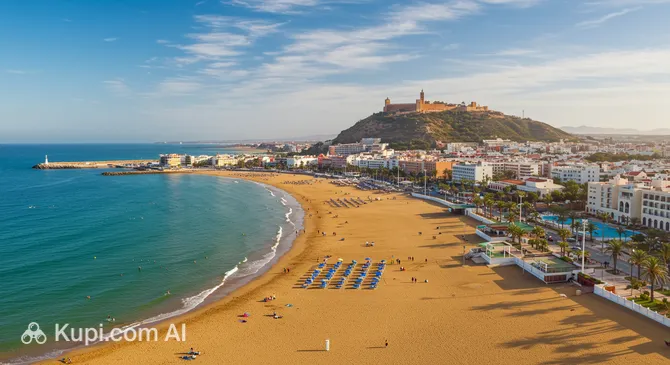
Agadir is a captivating city located on the southern Atlantic coast of Morocco. Renowned for its golden beaches and year-round sunshine, it stands out as one of the country's most popular holiday destinations. With a population of over 420,000, it is a lively metropolis that perfectly balances modern amenities with traditional Moroccan hospitality.

Agadir. Source: Kupi.Binoculars

The city enjoys a pleasant subtropical climate, making it a perfect escape particularly during the winter months. Unlike the winding alleyways of ancient medinas found elsewhere, Agadir features wide boulevards and contemporary architecture. This modern layout is a result of extensive rebuilding efforts; you can learn more about the city's resilience and its transformation over the decades by exploring the history of Agadir.

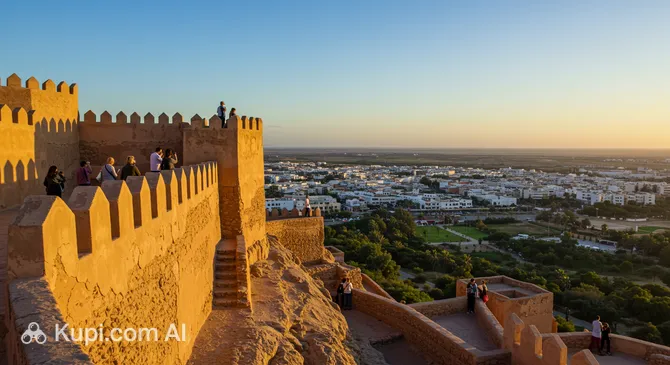
Visitors are often drawn to the Agadir Oufella (Kasbah), a hilltop fortress that offers breathtaking panoramic views of the crescent-shaped bay and the busy port. For a taste of local life, the Souk El Had is one of the largest markets in the region, filled with the rich aroma of spices and the vibrant colors of local handicrafts. Whether you are a surfer chasing Atlantic waves or a family looking for a relaxing seaside retreat, Agadir offers a welcoming and rejuvenating atmosphere for every traveler.

Weather Overview

Agadir is famous for its exceptionally pleasant climate, often described as eternal spring, with sunshine prevailing for most of the year. The city enjoys mild winters and warm summers, making it a reliable destination for beach lovers. For a more detailed breakdown of conditions during your specific travel dates, you can consult the guide to weather in Agadir.

During the peak summer months of July and August, the average temperature sits around 26°C, with daily highs typically reaching 31°C. These months are dry and sunny, perfect for swimming and sunbathing. The transitional months of May, June, September, and October are equally inviting, offering comfortable averages between 21°C and 23°C.

Winters remain surprisingly mild, with average temperatures in January and December hovering around 16°C and daytime highs frequently reaching 20°C. Rainfall is extremely scarce throughout the year; even in the "wetter" months like March, precipitation remains minimal, ensuring that outdoor plans are rarely disrupted by rain.

Interesting Facts

Beyond the main attractions, Agadir holds many fascinating secrets that reveal its resilience and unique cultural identity. While most visitors arrive for the sun and surf, the city's history and geography offer several surprising details that set it apart from the rest of the country.

  • The city serves as the capital of the Souss-Massa region, which is the only place in the world where Argan trees grow naturally. This UNESCO Biosphere Reserve is the exclusive source of the famous "liquid gold" oil used globally in cosmetics and cuisine, and you can often spot goats climbing these trees in the surrounding countryside.

  • High on the mountainside overlooking the bay, a massive Arabic inscription is visible day and night. It sits just below the historic Agadir Oufella fortress and reads "God, The Country, The King," serving as a luminous landmark for the entire city.

  • Unlike the chaotic, winding medieval streets found in Fez or Marrakech, Agadir is a masterpiece of modern urban planning. Following a devastating earthquake in 1960, the city was completely rebuilt with wide avenues and contemporary architecture, giving it a distinct, spacious feel that is unique in Morocco.

  • Agadir is home to Souk El Had, which is widely regarded as one of the largest urban markets in Africa. Enclosed by high walls and accessible through numbered gates, it houses around 6,000 shops where you can find everything from fresh produce to traditional handicrafts in a surprisingly organized setting.

Agadir Oufella. Source: Kupi.Binoculars

How to Get There

Reaching this coastal gem is relatively straightforward, as the region is well-connected to major European cities and other hubs within Morocco. Most international visitors choose to fly directly, but there are also convenient overland options for those traveling from other parts of the country. For a comprehensive guide on all available transport modes, you can read more about how to get to Agadir to plan your journey effectively.

The most convenient entry point is Agadir Al Massira Airport (AGA), located directly in the city of Agadir, approximately 20.7 km from the center. It is a significant regional hub welcoming millions of passengers annually. The journey from the terminal to the city center typically takes around 50 minutes by taxi or shuttle bus. This airport handles a large volume of charter and scheduled flights, making it the primary choice for tourists heading straight to the resorts.

Alternatively, travelers often fly into Menara Airport (RAK) in the city of Marrakech, which is about 197.9 km away from Agadir. As a major international gateway with very high passenger traffic, it often offers a wider range of flight connections. However, the transfer to Agadir by road takes significantly longer, approximately 5 hours. Another option is Essaouira Airport (ESU) in Essaouira, located roughly 107.8 km north of Agadir, with a travel time of about 3 hours by car.

For clarity, here is a summary of the main airports:

Airport Name City Passenger Traffic Km from City
Menara Airport Marrakech Large 197.9
Agadir Al Massira Airport Agadir Medium 20.7
Essaouira Airport Essaouira Small 107.8
Ouarzazate Airport Ouarzazate Small 263.3

Agadir does not have its own railway station, as the national train network currently extends only as far south as Marrakech. Travelers wishing to arrive by public transport usually take a train to Marrakech and then transfer to a comfortable coach bus (such as CTM or Supratours) for the remaining journey to Agadir. The bus ride is scenic and reliable, bridging the gap between the rail terminus and the southern coast.

Main Attractions

Agadir offers a delightful mix of natural beauty, modern leisure, and cultural experiences. While the city is famous for its resort atmosphere, there are several specific landmarks and activities that define the visitor experience. From the endless stretch of golden sand to lush gardens and cultural exhibits, the city provides ample opportunities for exploration and relaxation.

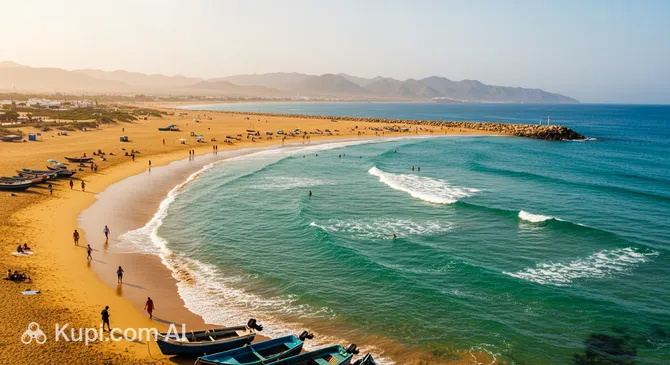
The crown jewel of the city is undoubtedly Agadir Beach. Stretching for over 10 kilometers, this vast expanse of golden sand is protected from the Atlantic winds, making it safe and enjoyable for swimming and sunbathing year-round. It is a hub for water sports enthusiasts, offering surfing, jet skiing, and paddleboarding, while also providing plenty of space for those who simply want to relax by the ocean.

Agadir Beach. Source: Kupi.Binoculars

Running parallel to the coast is the lively Agadir Beach Promenade, also known as the Corniche. This bustling waterfront avenue is the heart of the city's social life, lined with cafes, restaurants, and hotels. It is the perfect place for a sunset stroll, where tourists and locals alike gather to enjoy the cool sea breeze, watch street performers, or dine with a view of the illuminated bay.

For a touch of culture, the Agadir Amazigh Heritage Museum (Musée du Patrimoine Amazigh) offers a fascinating insight into the rich traditions of the Berber people. The museum houses an impressive collection of traditional jewelry, carpets, pottery, and architectural tools. It serves as an essential stop for anyone wishing to understand the indigenous culture of the Souss-Massa region and the history of southern Morocco.

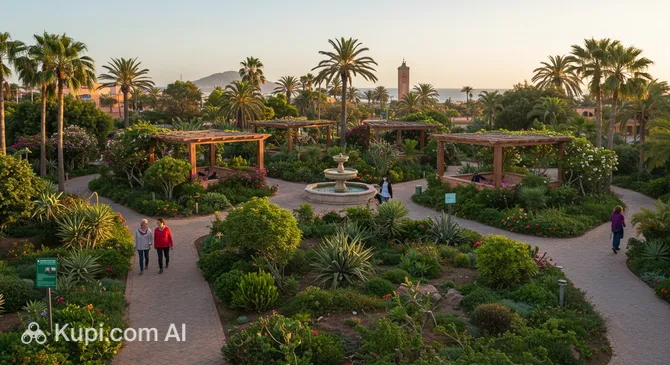
Olhão Garden. Source: Kupi.Binoculars

Those seeking a peaceful retreat should visit the Olhão Garden, also known as the Garden of Portugal. Created to commemorate the twinning of Agadir with the Portuguese city of Olhão, this green oasis features Berber-style architecture, charming walkways, and a small museum. It is a serene spot to escape the midday sun and enjoy a quiet moment amidst lush vegetation.

A relatively new but highly popular attraction is the Agadir Cable Car Station. This modern system connects the lower part of the city near the marina to the historic fortress on the hill. The ride offers spectacular aerial views of the entire cityscape, the fishing port, and the Atlantic Ocean, providing a unique perspective that was previously only available to those hiking up the mountain.

Local Cuisine

Agadir is a true paradise for seafood enthusiasts. As Morocco's most significant fishing port, the city guarantees that the catch of the day is always fresh and plentiful. Visitors can indulge in an array of ocean delicacies, from simple grilled sardines—a local staple—to elaborate seafood platters served in restaurants along the coast. The region's cuisine is also distinguished by the use of Argan oil, a specialty of the Souss-Massa area, which adds a unique nutty flavor to salads, tagines, and the traditional almond dip known as Amlou.

For those seeking a refined dining experience, Amsterdam Luxury Restaurant offers an elegant atmosphere. It is an excellent choice for travelers looking to enjoy high-quality dishes in a sophisticated setting, blending local hospitality with international culinary standards.

The city also caters to casual diners with a variety of accessible spots. Mister Cook is a popular option for a satisfying meal, offering a range of hearty options that are perfect for a relaxed lunch or dinner after a day of exploring the city.

As the sun sets, Agadir's social scene comes alive. Venues such as La Bodeguita Essa and Le Pôle provide a vibrant environment where visitors can unwind. These establishments are ideal for enjoying refreshing drinks and experiencing the modern, lively side of the city's nightlife.

Travel Tips

To help you make the most of your seaside getaway, we have compiled a list of practical tips ensuring a hassle-free and enjoyable experience in this radiant Moroccan city. These suggestions will assist you in navigating local customs and logistics, allowing you to focus on relaxing and exploring.

  1. Clothing and Gear: Pack breathable, light clothing for the day, but bring a jacket or sweater for the evenings, as the Atlantic breeze can lower temperatures significantly. While beachwear is perfectly acceptable on the sand, dress modestly when entering the city center or markets by covering your shoulders and knees.
  2. Transportation: The most convenient way to get around Agadir is by using the orange Petit Taxis. They are abundant and affordable; always ensure the driver turns on the meter, or agree on a fare before you start your journey. Ride-hailing apps are less common here than in Europe, so flagging down a taxi is usually the best option.
  3. Finances: The local currency is the Moroccan Dirham (MAD). While credit cards are accepted in hotels, malls, and upscale restaurants, cash is king in the souks and smaller shops. It is wise to carry small change for tips, which are customary for waiters, porters, and car park attendants.
  4. Health and Safety: Agadir is a safe tourist destination, but it is recommended to drink bottled water rather than tap water to avoid stomach issues. Pharmacies are widely available and marked with a green cross; many pharmacists speak French or English and can offer advice on minor ailments.
  5. Communication: French is the second language of Morocco and is widely spoken alongside Arabic and Amazigh. English is commonly understood in tourist areas, hotels, and restaurants. Buying a local SIM card from providers like Maroc Telecom or Orange is cheap and easy, ensuring you have data for maps and translation apps.
  6. Local Etiquette: Moroccans are incredibly hospitable and value politeness. When greeting someone, a handshake is common, often followed by placing your hand over your heart. Always use your right hand for eating (if sharing a communal dish) and for handing over money or objects.
  7. What to Avoid: Avoid taking photographs of locals, especially women and older people, without asking for their permission first. Additionally, public displays of affection should be kept modest, and alcohol should only be consumed in licensed bars, hotels, or restaurants.
  8. Market Timing: If you plan to visit the famous Souk El Had to buy souvenirs or spices, note that the market is typically closed on Mondays for cleaning. Plan your shopping trip for any other day of the week to see it at its liveliest.

Armed with these practical insights, you are well-prepared to navigate Agadir with confidence and ease. Embrace the relaxed coastal rhythm, engage respectfully with the friendly locals, and enjoy a smooth and memorable vacation under the Moroccan sun.

Entertainment & Nightlife

Agadir transforms after sunset, offering a nightlife scene that is distinctively more open and European-influenced compared to other Moroccan cities. The city's evening energy is concentrated mainly along the oceanfront and the dedicated Tourist Sector, where the sound of crashing waves mixes with the beats of music from lounges and clubs. Whether you prefer a quiet drink with a sea view or dancing until dawn, the coastal resort caters to diverse tastes.

The heart of the action lies along the **Corniche** and the **Boulevard du 20 Août**. Here, you will find a dense concentration of bars, pubs, and nightclubs, many of which are attached to large hotels but open to the public. For a sophisticated night out, So Lounge is a premier destination. Known for its chic atmosphere, it frequently hosts live bands and DJs, attracting a stylish crowd looking for high-quality cocktails and entertainment.

Beyond the dance floors, Agadir offers engaging activities for those who seek adrenaline or family fun in the evenings. Karting Agadir provides a thrilling experience with well-maintained tracks that are perfect for challenging friends or family to a race. It is a fantastic way to start the evening with some high-speed excitement before heading out for dinner.

For a mental challenge, Escape Zone Agadir is another excellent option. This attraction offers immersive puzzles and scenarios that require teamwork to solve, making it a popular choice for groups of friends. While the city offers various daytime amusements like museums and parks, these active venues provide a dynamic alternative to the traditional bar scene and remain popular well into the evening.

When enjoying the nightlife, keep in mind that the dress code in clubs and upscale bars is generally "smart casual"—beachwear is usually not permitted after dark. The party scene typically starts late, with clubs filling up around midnight. For transportation, the orange Petit Taxis are available throughout the night; they are safe and reliable, but it is always best to ask the driver to use the meter or agree on a price beforehand. The tourist zones are well-lit and secure for walking, but taking a taxi is recommended for longer distances late at night.

Parks & Museums

While Agadir is primarily celebrated for its coastline, the city also offers refreshing green sanctuaries and cultural institutions that provide a deeper understanding of the region's history and biodiversity. Beyond the sandy shores, visitors can explore lush gardens, wildlife reserves, and galleries that preserve the rich heritage of the Souss-Massa region.

One of the most beloved green spaces in the city center is the Vallée des Oiseaux (Valley of Birds). This narrow, verdant park stretches from the city center down towards the beach, acting as a cool, shaded corridor. It functions as a small zoo and aviary, housing various bird species, mouflons, and other animals in a landscaped setting. It is an excellent spot for families and anyone looking to escape the midday sun while enjoying a pleasant walk surrounded by nature.

For a unique mix of botany and wildlife, the Crocoparc is a must-visit attraction located just on the outskirts of Agadir. It is the first crocodile park in Morocco, home to hundreds of Nile crocodiles living in expansive basins. However, it is equally famous for its stunning botanical gardens, which feature distinct areas such as the "Blue Garden" and a vast collection of exotic cacti. The park offers a serene yet educational environment where nature lovers can admire both flora and fauna.

Agadir's cultural scene is anchored by the Agadir Amazigh Heritage Museum. This key institution is dedicated to preserving the vibrant culture of the Berber people. Inside, visitors can admire an exquisite collection of traditional silver jewelry, including intricate fibulas and necklaces, as well as hand-woven carpets, pottery, and architectural elements. The exhibits provide a comprehensive look at the artisan skills and daily life of the region's indigenous population.

Another poignant cultural site is the Museum of Memory (Musée de la Mémoire), situated within the grounds of the Olhão Garden. This small but significant museum documents the tragic 1960 earthquake that devastated the city. Through photographs and archives, it tells the story of the destruction and the subsequent reconstruction of Agadir, paying tribute to the city's resilience and modern rebirth.

In terms of architectural heritage, the Medina of Agadir (La Médina d'Agadir) stands out as a fascinating cultural project. Constructed by the Italian-born artist Coco Polizzi, this site is a faithful recreation of a traditional Berber village, built using ancestral techniques and local materials. It serves as an open-air museum and artisan workshop where visitors can watch craftsmen at work and appreciate the beauty of traditional Moroccan architecture, featuring stone masonry and wooden details.

For those willing to venture a bit further, the Souss-Massa National Park offers an authentic natural experience south of the city. This protected reserve is a haven for birdwatchers, as it is one of the last sanctuaries for the endangered Northern Bald Ibis. The park's diverse landscapes, ranging from dunes to wetlands, provide a starkly beautiful contrast to the manicured gardens of the city and offer a glimpse into Morocco's wild coastal ecosystems.

Getting Around

Navigating Agadir is relatively simple, thanks to a straightforward public transport system that connects the city center, the hotel zone, and the surrounding suburbs. While the city is spread out, most areas of interest to visitors are accessible via a reliable network of buses and an abundance of taxis, which remain the most popular choice for tourists due to their convenience and affordability.

The local bus network is operated by ALSA, a company that provides modern and comfortable vehicles equipped with air conditioning—a welcome feature in the warm climate. These buses cover the entire metropolitan area, including lines that run from the city center to popular nearby beaches like Taghazout and Tamraght. Bus stops are generally marked, but it is often helpful to ask locals or hotel staff for the nearest one, as signage can sometimes be subtle.

For payment, the system is quite traditional. You buy your ticket directly from the driver upon boarding. The fares are fixed and very inexpensive, typically ranging from 3 to 4 MAD for trips within the city and slightly more for longer distances to the suburbs. While prepaid cards exist for residents, they are rarely necessary for short-term visitors. It is essential to carry small change, as drivers may not always have enough cash to break large banknotes.

Taxis are the primary mode of transport for most travelers. You will see two distinct types on the streets: Petit Taxis and Grands Taxis. Petit Taxis are small, orange cars dedicated solely to journeys within the city limits. They can carry up to three passengers and operate on a taximeter. It is standard practice to ask the driver to turn on the meter ("compteur") when you get in. If a driver refuses, it is best to find another taxi. Note that these taxis may pick up other passengers going in the same direction, which is a normal part of the local commuting culture.

Grands Taxis are larger sedans, often white, used for travel outside the city limits or for fixed routes between towns. They can carry up to six passengers and usually operate on a flat-rate basis rather than a meter. These are the best option if you plan to visit areas beyond Agadir, such as the Souss-Massa National Park or distant beaches, and you can even hire the entire vehicle for a private excursion if you negotiate the price beforehand.

For a more leisurely pace, the Tourist Train (Petit Train) is a fun alternative for sightseeing. It runs on rubber tires along the beach promenade and through the main tourist sectors, offering a relaxed way to see the sights without walking in the heat. Additionally, the modern cable car system provides a unique link between the area near the marina and the historic Kasbah on the hill, combining transport with spectacular aerial views.

Walking is a delightful option within the Tourist Sector and along the Corniche, where wide, flat promenades connect many hotels to the beach and restaurants. However, for distances between the beach and the main residential center (Talborjt) or the Souk, transport is recommended. Car rentals are also widely available and popular for those who wish to explore the region independently, though parking in the city center can sometimes be busy.

Accommodation

Agadir offers a diverse array of accommodation options designed to cater to every type of traveler, from sun-seekers to cultural explorers. The city is best known for its extensive selection of large-scale resorts and hotels that line the coast, many of which offer all-inclusive packages perfect for families and couples. However, beyond the luxury sector, visitors can also find charming boutique hotels, budget-friendly hostels, and self-catering apartments that provide a more independent stay.

The most popular area for tourists is undoubtedly the Secteur Touristique (Tourist Sector), which runs parallel to the beach. Staying here places you within walking distance of the ocean, the promenade, and the main nightlife hubs. For those seeking a more authentic or budget-conscious experience, the Talborjt district and the city center offer a quieter atmosphere with easy access to local markets and restaurants, although they are a bit further from the shoreline.

Among the notable establishments in the resort area, Founty Beach is a well-known option that sits directly on the seafront, offering guests immediate access to the sand and surf. It is designed to provide a comprehensive holiday experience with various amenities on-site. Another prominent choice is Agadir Resort, which caters to travelers looking for relaxation and comfort in a convenient location.

Regarding costs, Agadir accommodates all budgets. You can find economical stays in the city center for a modest price, while the beachfront resorts command higher rates, particularly those with ocean views and extensive facilities. Booking is typically done through major online travel platforms, which allow for easy price comparison. A helpful tip for travelers: Agadir is a year-round destination, but during the peak summer months of July and August and the winter holiday season, hotels fill up quickly. It is highly recommended to book your accommodation well in advance to secure your preferred dates and the best rates.

Nearby Cities

For those looking to explore the surroundings, Agadir serves as an excellent base for day trips to several interesting nearby locations:

City Population Distance (km)
Ait Melloul 171847 13
Inezgane 130333 9
Oulad Teima 89387 36
Lqliaa 83235 19
Taroudant 80149 69

Among these destinations, Taroudant is undoubtedly the most popular choice for a cultural excursion. Often referred to as "Little Marrakech" or the "Grandmother of Marrakech," it is enclosed by magnificent red mud walls that date back centuries. Visitors can explore its bustling souks, which are more relaxed than those in bigger cities, and admire the local craftsmanship, particularly in jewelry and leather. The town offers a genuine glimpse into traditional Moroccan life set against the backdrop of the High Atlas Mountains.

Closer to Agadir, Inezgane offers a completely different experience. As a major transport and commercial hub for the region, it is famous for hosting one of the largest wholesale markets in the south. While it lacks the polished tourist infrastructure of Agadir, it provides an authentic look at local commerce. The Tuesday market is particularly vibrant, where traders from all over the Souss valley gather to sell spices, fruits, vegetables, and silver.

These nearby destinations offer a glimpse into the diverse culture and landscapes of the region, allowing travelers to step away from the beach resorts and discover the historic and commercial heartbeat of southern Morocco.

Shopping & Souvenirs

Shopping in Agadir offers a vibrant mix of traditional Moroccan culture and modern convenience, making it a delightful experience for any visitor. The city is less chaotic than Marrakech or Fez, allowing for a more relaxed browsing experience whether you are exploring ancient-style markets or contemporary boutiques. From aromatic spices and handcrafted goods to high-end fashion, the city provides ample opportunities to find unique treasures and holiday essentials.

For a modern shopping experience, the Marina d'Agadir is one of the premier districts. Located right by the harbor, this upscale area is lined with international brand stores, luxury boutiques, and surf shops, all set against the backdrop of sleek yachts and the ocean. Another key area is the Talborjt district, which offers a more local feel. Here, the streets are filled with smaller shops selling clothing, shoes, and handicrafts at fixed prices, providing a hassle-free alternative to the bargaining required in the souks.

While Agadir does not have massive mega-malls comparable to those in Dubai or Casablanca, it features several modern commercial centers. The Marjane commercial park is one of the most well-known, housing a large hypermarket and a gallery of stores selling electronics, fashion, and cosmetics. It is a practical stop for travelers needing supplies or fixed-price goods in a cool, air-conditioned environment.

The undisputed highlight of the city's retail scene is Souk El Had. As one of the largest urban markets in Africa, it serves as the commercial heart of the region. Behind its high mud-brick walls lie thousands of stalls organized by category, offering everything from fresh produce and olives to furniture and fabrics. It is an immersive sensory experience where the scent of cumin and saffron fills the air, and vibrant piles of fruits and textiles create a colorful maze for explorers.

When it comes to souvenirs, Agadir is the capital of the Souss-Massa region, the only place in the world where the Argan tree grows naturally. Consequently, Argan oil and its derivatives—such as the delicious almond and honey dip called Amlou—are the top items to buy here. Other excellent purchases include Berber silver jewelry, high-quality leather goods like bags and babouches (slippers), and locally harvested spices. Pottery and Thuya wood carvings are also popular handicrafts that reflect the artistic heritage of southern Morocco.

Store hours in Agadir generally run from around 9:00 AM to 8:00 PM or later, though many smaller shops may close for a long lunch break or Friday prayers. The big market, Souk El Had, is typically closed on Mondays for cleaning, so plan accordingly. In terms of payment, cash is essential for the souks and smaller independent shops, and the Moroccan Dirham is the standard currency. However, credit cards are widely accepted in the Marina boutiques, hotels, and large supermarkets.

Tourists visiting Morocco can also take advantage of tax-free shopping. If you make purchases at affiliated stores that display the "Tax-Free" sign and spend above a certain threshold (usually 2,000 MAD), you may be eligible for a VAT refund. Be sure to ask the merchant for the necessary tax refund form and present it along with your goods and passport at the customs office at the airport before leaving the country.
Reached the end of the page?

That means the route is fully explored