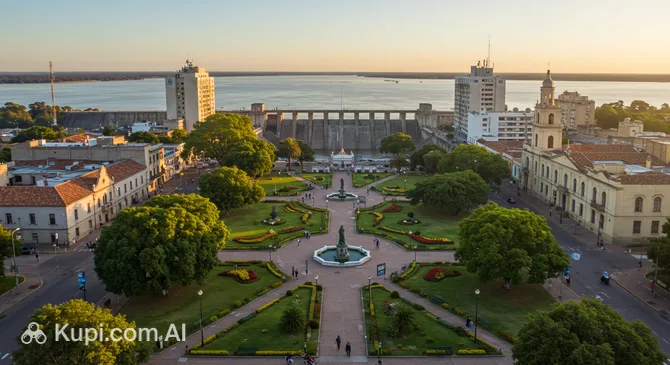
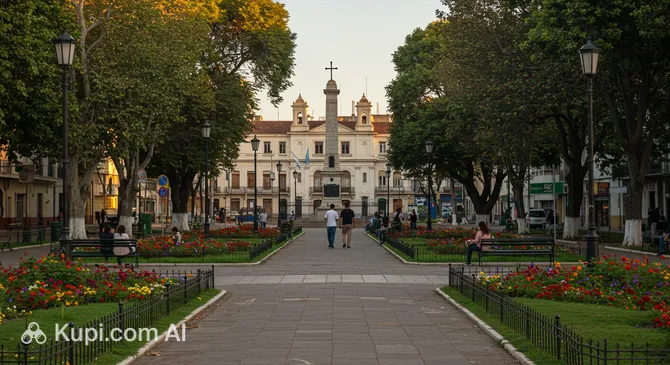
Concordia is a picturesque city nestled in the east of the continent, right on the banks of the majestic Uruguay River. Located in the Entre Ríos province, famous for its green plains and abundant water bodies, it is a real magnet for nature lovers. If you plan to visit a country as colorful as Argentina, this city will be an excellent example of harmony between urban life and the surrounding landscapes.
Concordia. Illustration.
Source: Kupi.com AI
With a population of about 149,450 people, Concordia is considered an important cultural and tourist center of the region, while maintaining an atmosphere of leisurely southern comfort. Here, the modern pace of life blends seamlessly with provincial tranquility. The fascinating history of Concordia is reflected in the appearance of its streets, full of greenery and the smiles of local residents.
The city gained particular popularity for its famous thermal springs. Resorts with healing water attract travelers looking to restore their strength and relax. In addition, the city offers excellent opportunities for active recreation: walks along the embankment, water activities on the river, and excursions to nearby nature reserves will provide plenty of impressions.
Concordia is an ideal destination for those seeking not only new emotions but also peace of mind. This is a place where you can immerse yourself in authentic culture, try local gastronomy, and feel genuine hospitality.
Weather Overview
The climate in this region of Argentina is favorable for travel almost all year round. Summer in the city is hot and sunny: in January, the average temperature is about +26°C, and during the day the air often warms up to +31.2°C. This is an ideal time for those who want to enjoy relaxing on the river beaches and water activities.
Winter here is mild and quite comfortable, without severe frosts. In the coldest months, June and July, the average temperature stays at +13...+14°C, and at night it can drop to +9°C. Expect a warm, sometimes sweltering summer with occasional rain and cool, drier winters. To choose the perfect time for a trip and pack your luggage correctly, the detailed weather in Concordia with data for each month will help you.
Spring and autumn delight tourists with the most comfortable conditions. During these periods, for example, in April or October, the temperature fluctuates in a pleasant range from +19°C to +22°C, which creates an excellent atmosphere for long walks in the parks and sightseeing.
Average monthly temperature
Average monthly precipitation
Interesting Facts
In addition to its famous landmarks, Concordia holds many fascinating stories and unique features that make it truly special. This city surprises with its flavor and unexpected facts that reveal themselves to the attentive traveler.
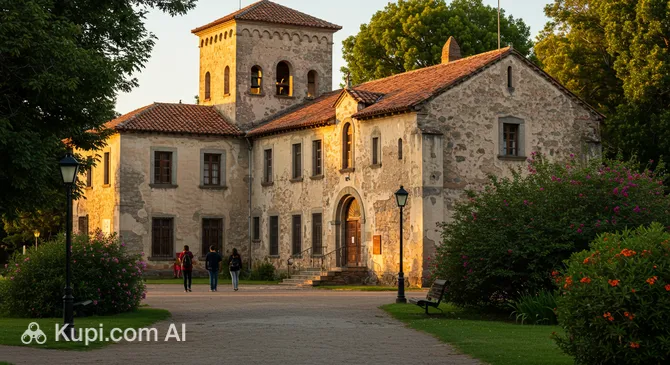
San Carlos Castle. Illustration.
Source: Kupi.com AI
Traveler photos:
Concordia is officially recognized as the "national citrus capital" in Argentina. Thanks to the favorable climate, rich harvests of oranges, tangerines, and lemons are gathered here. During the flowering season, the city is enveloped in an incredible aroma, and fresh juices and citrus desserts become the main treat in any local cafe.
There is a beautiful legend linking the city with world literature. It is believed that the famous writer Antoine de Saint-Exupéry, having made an emergency landing in these parts, was charmed by the area. It is said that the mysterious atmosphere surrounding San Carlos Castle inspired him to create the imagery for the immortal fairy tale "The Little Prince."
The cultural face of the city was formed thanks to a powerful wave of immigration from Europe. Emerging at the intersection of trade routes, Concordia became home to many settlers from Italy and Spain. This heritage is alive today: it manifests in architectural details, special family traditions, and even in the melody of the local speech.
Unique thermal springs are located in the vicinity of the city, valued not only for the healing properties of the water but also for their location. The baths are designed so that visitors can enjoy panoramic views of the river and picturesque green hills, which makes relaxing here particularly peaceful.
How to Get There
When planning a trip to this cozy corner of the Entre Ríos province, it's worth thinking through the logistics in advance. Since the city is located away from major international hubs, traveling across Argentina in this direction often involves a combination of air travel and ground transport. You can find all the details and alternative route options by visiting the page more about how to get to Concordia. The main flow of tourists arrives here using convenient connections in neighboring regional centers.
Main flights allowing you to reach the resort arrive at neighboring airports, as Concordia's own airfield is used primarily for private aviation. The closest convenient air hub is General Justo José de Urquiza Airport (IATA: PRA) in the city of Paraná, located about 238 km away. Another popular option is Santa Fe Airport (IATA: SFN), which is 268 km from the destination. Both airports accept domestic flights and are connected to the city by road.
Below is a summary of the main airports through which it is convenient to reach the region:
Since railway connections in this direction are limited, cars and buses remain the primary way to cover the final kilometers of the journey. Argentine long-distance buses (omnibus) are characterized by a high level of comfort and reliability. The journey from the mentioned airports to Concordia by bus or taxi usually takes about 3.5–4 hours. There is also the possibility of taking a direct overnight bus from Buenos Aires, which saves on accommodation and allows you to arrive in the city early in the morning.
Main Attractions
Start your acquaintance with the city at its most mysterious and famous landmark—the ruins of an old mansion located in a picturesque green zone. San Carlos Castle attracts travelers not only with its unusual architecture but also with its legends. It is believed that this very place inspired Antoine de Saint-Exupéry, who once accidentally landed here, to write certain episodes of "The Little Prince." A walk through the park surrounding the castle will give you a sense of touching living history.
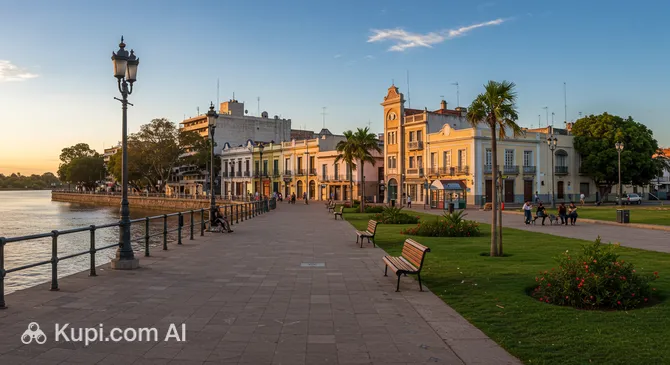
The heart of urban life by the river is the well-maintained Concordia Embankment. It is an ideal space for leisurely promenades, morning jogs, or evening gatherings with traditional mate. From here, magnificent panoramic views of the Uruguay River and the opposite shore open up. The embankment is especially beautiful at sunset, when the water is painted in golden tones, creating a romantic atmosphere for relaxation.
Concordia Riverside Promenade. Illustration.
Source: Kupi.com AI
Traveler photos:
For those looking for seclusion and silence within the city limits, Bartolomé Mitre Park is an excellent choice. This is one of the city's oldest parks, where you can hide from the summer heat in the shade of spreading trees. Cultural events and craft fairs are often held here, and the picturesque lake on the park's territory adds a special charm to this place.
Architecture and railway history buffs will find it interesting to visit the Former Northern Station. This building, which preserves the spirit of a bygone era, serves as an important cultural center today. Here you can learn more about how the region developed and the role transport played in establishing Concordia as an important trade hub for the province.
Local Cuisine
Concordia's gastronomic scene is a vivid reflection of the natural richness of the Entre Ríos province. Thanks to the city's location on the banks of the Uruguay River, the basis of the local menu consists of fresh fish dishes. The signature dishes of local restaurants are grilled dorado and surubí. This fish is prepared here with special skill, often served with aromatic herbs and spicy sauces that emphasize its delicate flavor.
Meat lovers will also be satisfied, as the Argentine traditions of preparing asado are sacredly observed in Concordia. Grilled meat can be tasted almost everywhere here—from small family taverns to high-status establishments. Empanadas—traditional pastries with various fillings sold in both street stalls and cafes—are perfect as a snack. They are especially tasty with local cheeses or chopped beef.
Since Concordia is officially recognized as the "national citrus capital," fruits play an important role in the local cuisine. Desserts, jams, candied fruits, and pies made from oranges and tangerines are something every tourist should definitely try. Natural honey, olive oil, and homemade pastries prepared according to the old recipes of settlers can be purchased at farmers' markets.
For an introduction to haute cuisine and signature dishes of the region, the Jacinto Cocina restaurant is perfect. Here you can enjoy a cozy atmosphere and appreciate the city's gastronomic diversity. If you just want to have a coffee or a snack, head to the Concordia Pedestrian Street, where many cafes and pastry shops are concentrated.
It is impossible to imagine a holiday in Concordia without the traditional mate drink. Locals drink it everywhere, gathering in groups in parks or on the embankment. It is not just a drink, but a true ritual of friendship and communication. Among alcoholic beverages, it's worth paying attention to wines from nearby wineries and craft beer, which is becoming increasingly popular in the region.
Travel Tips
Preparing for a trip to Concordia is the key to a great holiday in one of the greenest and most welcoming cities in Argentina. We have collected a list of practical recommendations for you that will help you easily navigate the area, avoid common mistakes, and feel confident in any situation.
Clothing and belongings. The climate in the region is humid subtropical, so prioritize clothing made of natural breathable fabrics such as cotton and linen. In summer, be sure to wear a hat and use sunscreen. If you plan a visit in winter (June-August), bring a light jacket and a sweater, as evenings can be cool. Don't forget a swimsuit for visiting the thermal springs and a universal plug adapter (the country uses types C and I, voltage 220 V).
Transport. To pay for travel on city buses, you will need a SUBE card, which can be bought at kiosks (kioscos). However, the most convenient way to get around is "remises" (remises)—private taxis with fixed rates. They cannot be hailed on the street by hand; they must be ordered through a dispatcher or at special offices; this is safer and often more comfortable than a regular taxi.
Finance. The official currency is the peso. In large supermarkets and hotels, cards are accepted, but in small shops and markets, cash is preferred. There are ATMs in the city center, but they may have withdrawal limits. Carry small bills for tips and small purchases. Tipping in restaurants is usually about 10% of the bill.
Health and safety. Concordia is a peaceful city, but basic precautions are worth observing: do not leave your things unattended and avoid unlit outskirts at night. In the warm season, be sure to use repellents, as the proximity of the river contributes to the appearance of mosquitoes. Pharmacies (farmacias) are easy to find in the center; look for the de turno sign if you need help after hours.
Communication. The main language of communication is Spanish. English is not understood everywhere, so download an offline translator or learn a few basic phrases. For communication, it is convenient to buy a local SIM card (Claro, Movistar, or Personal)—a passport will be required for registration. Free Wi-Fi is available in many cafes and in the main squares.
Local etiquette. Argentines are very friendly and open. When meeting, even acquaintances often kiss each other on the cheek—this is a normal greeting. If you are invited to drink mate in a group, take it as a sign of respect. Important: never touch the metal straw (bombilla) with your hands and do not stir the contents of the calabash.
What to avoid. Do not plan important business or active shopping during the siesta (roughly from 13:00 to 16:30). At this time, life in the city comes to a standstill, and many establishments close for a break. Also, you should not rush the service staff in cafes—the pace of life here is more measured, and rushing may be perceived as rudeness.
Extra tip. Try local products straight from the farms or at the markets. Concordia is famous for its citrus fruits and blueberries. Buy a bottle of fresh tangerine juice or a jar of homemade jam—it's not only delicious but will also be an excellent, authentic souvenir.
By following these simple tips, you will be able to enjoy every moment of your stay in Concordia, immersing yourself in the atmosphere of comfort and warmth. May your journey be filled with pleasant discoveries and unforgettable impressions!
Entertainment & Nightlife
Entertainment and nightlife:
Nightlife in Concordia has its own unique charm, combining a relaxed provincial atmosphere with the energetic rhythms of an Argentine fiesta. As in all of Argentina, the fun here starts quite late. Locals usually go out for dinner after 21:00, and bars and clubs begin to fill up closer to midnight. The main activity is concentrated in the city center and along the coastal zone, where the fresh river breeze makes the evenings especially pleasant.
One of the most popular places for evening leisure is the Concordia Embankment (Costanera). As darkness falls, this area transforms: young people gather here, music plays, and numerous open-air bars and cafes light up. It is an ideal place to start the evening—you can stroll along the river, enjoying the views of the lights of the neighboring Uruguayan city of Salto, or sit in one of the riverside venues with a cocktail.
Fans of craft beer and a casual atmosphere should check out Popelka Brewery. This place is famous for its high-quality home-brewed suds and excellent snacks. A friendly atmosphere reigns here, where it is easy to start a conversation with locals and find out the latest city news. It often gets crowded on weekends, so it's better to arrive a bit early.
If you are looking for a place for a sophisticated dinner that transitions smoothly into evening relaxation, pay attention to the Jacinto Cocina restaurant. Here you can not only try magnificent dishes of local cuisine but also enjoy the stylish interior and a good wine list. This establishment is perfect for a romantic evening or a quiet meeting with friends before heading to noisier spots.
As for nightclubs (boliches), they usually stay open until morning, especially on Fridays and Saturdays. The dress code in most places is democratic—casual or smart casual style will be appropriate everywhere. The main rule is to look neat. To move around the city at night, it is highly recommended to use taxis or remises (private car services), which can be called by phone or through apps. The city center and the embankment are considered safe zones, but as everywhere, one should avoid unlit outskirts.
During the day, the cultural life of the city is no less intense. Concordia offers visits to historical sites, such as the Former Northern Station, which today serves as a platform for various cultural events and exhibitions. Also, theaters and museums operate in the city, where you can get acquainted with the art of the region before diving into its nightlife.
Parks & Museums
Concordia harmoniously combines the natural charm of the Entre Ríos province with a rich historical heritage. The city offers tourists many green oases for outdoor relaxation, as well as cultural venues that tell the story of the region's past. A stroll through the local parks and museums will allow you to feel deeper the rhythm of life in this cozy Argentine corner.
The main green gem of the city is rightfully considered San Carlos Park. This is a huge natural area of more than 70 hectares, located on the banks of the Uruguay River. The park is ideal for long walks, picnics, and bird watching. The hilly landscape, ancient trees, and panoramic views of the river create an atmosphere of complete peace here, making it a favorite vacation spot for both locals and tourists.
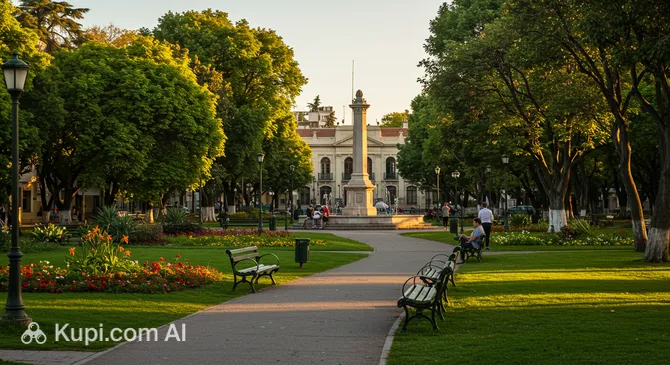
Another significant place for relaxation is Bartolomé Mitre Park. This is one of the oldest parks in the city, attracting visitors with its well-maintained territory and picturesque artificial lake. City festivals and craft fairs are often held here. In the city center, it is also worth visiting Urquiza Square—a classic Argentine square with beautiful landscaping, surrounded by important architectural buildings.
Bartolomé Mitre Park. Illustration.
Source: Kupi.com AI
Traveler photos:
Cultural life in Concordia is inextricably linked to its history. The most famous site is the mysterious San Carlos Castle, located on the territory of the eponymous park. Although these are rather the ruins of an old mansion, the place functions as an open-air museum. Guides will tell you amazing legends about the Fuchs-Valon family and the visit of Antoine de Saint-Exupéry, who immortalized this place in his memoirs.
Railroad history and urban architecture buffs will be interested in the Former Northern Station. This majestic building, once an important transport hub, has now been transformed into a popular cultural and exhibition space. Art exhibitions, theatrical performances, and displays dedicated to the history of the region's development and the role of the railway in the life of the city are regularly held here.
Other small museums also operate in the city, such as the Museum of Anthropology and Natural Sciences, where you can see collections dedicated to the flora, fauna, and indigenous peoples of the region. To fully immerse yourself in the atmosphere of Concordia, we recommend visiting San Carlos Park closer to sunset: at this time, the sun's rays illuminate the castle ruins and the calm water of the river especially beautifully, creating ideal conditions for photos.
Getting Around
The public transport system in Concordia is quite simple and clear, making moving around the city convenient even for first-time visitors. The basis of the city transport network is the buses, which locals call "colectivos." The route network covers almost all districts, linking the city center with residential quarters, the embankment, and popular tourist areas, including the thermal complexes.
To pay for bus travel, a single SUBE contactless card is used, which operates in many cities in Argentina. If you already have this card from visiting Buenos Aires, it will work here too. You can purchase the card and top up the balance at specialized points of sale, lottery kiosks, or pharmacies marked with the blue SUBE logo. When entering the bus, you must tap the card against the validator; the fare is usually fixed or depends on the distance of the trip, so you sometimes need to tell the driver your destination before paying.
An important and very popular alternative to buses are remises (remises). This is a type of private taxi, which in the Entre Ríos province is often used more frequently than regular taxis. Unlike taxis that can be caught on the street, a remis must be ordered by phone or through messaging apps at special dispatch points (remiserías). Their rates are often fixed or slightly lower than in taxis, and the level of safety and comfort is higher. Regular metered taxis are also available, and their stands are usually located in the main squares and near the bus station.
As for modern ride-hailing apps (like Uber or Cabify), their operation in the city may be unstable or limited in terms of the number of cars compared to the capital. Therefore, for a guaranteed trip, especially at night or early in the morning, it is more reliable to use the services of official remises or ask hotel staff to call a car for you.
Public transport usually runs from early morning (around 05:30–06:00) until midnight. However, it is worth considering that on weekends and holidays, the intervals between buses increase. Since the center of Concordia is quite compact, many attractions are convenient to explore on foot. For trips to the surroundings or to distant thermal springs, you can also use a car or bicycle rental, which will give you greater freedom of movement.
Accommodation
The choice of accommodation in Concordia is quite diverse and can satisfy the needs of travelers with different budgets. The city offers both economical options for backpackers and comfortable hotels with all amenities. Complexes of bungalows (cabañas) and apart-hotels are particularly popular in this region of the Entre Ríos province, being ideal for family vacations and allowing you to feel closer to nature.
In terms of location, tourists are usually attracted to two main areas. The city center is an excellent choice for those who want to be in the thick of things, close to restaurants, banks, and shops. By staying here, you will be within walking distance of key urban spaces, such as Urquiza Square, which is very convenient for evening strolls. The second popular option is the coastal zone and the vicinity of the thermal parks. Spa hotels and cottages with pools predominate here, oriented towards relaxation and wellness away from the city bustle.
Urquiza Square. Illustration.
Source: Kupi.com AI
Traveler photos:
The price range varies from budget (hostels and inexpensive guesthouses) to mid-range and high (boutique hotels and resort complexes). It is worth noting that Concordia is a popular destination for domestic tourism, especially on weekends and holidays when Argentines come here for the thermal waters. Therefore, we strongly recommend booking accommodation in advance, especially if your trip falls on a long weekend or winter holidays (July).
Popular international online platforms can be used for searching and booking, which guarantees reliability and price transparency. However, many small family-run hotels and bungalow complexes also actively accept direct bookings (often through messaging apps or their own websites), which sometimes allows you to find better deals or agree on special terms of stay.
Nearby Cities
For those who want to explore the surroundings, Concordia serves as an excellent starting point for day trips to several interesting nearby places. The Entre Ríos province region is rich in natural beauty and historical towns, which are easily accessible by car or bus.
Just 70 kilometers to the north is the cozy city of Chajarí, known for its thermal springs and citrus orchards. This is an ideal option for a relaxed family holiday. A bit further south is historical Concepción del Uruguay, which is called the country's "historical cradle." Here you can stroll through ancient streets, visit museums, and relax on magnificent river beaches. If you are ready for a longer trip, it's worth visiting Gualeguaychú—a city famous throughout Argentina for its grand carnival and picturesque embankment.
These nearby destinations provide an insight into the diverse culture and landscapes of the region, making your journey even more fulfilling.
Shopping & Souvenirs
Shopping in Concordia is a pleasant addition to your holiday, allowing you to learn more about the culture of the Entre Ríos province. You won't find huge malls with luxury brands like in the capital here, but the city charms with its cozy shops, craft stores, and high-quality local goods. Strolling through the shopping rows here happens at a relaxed pace characteristic of this welcoming region.
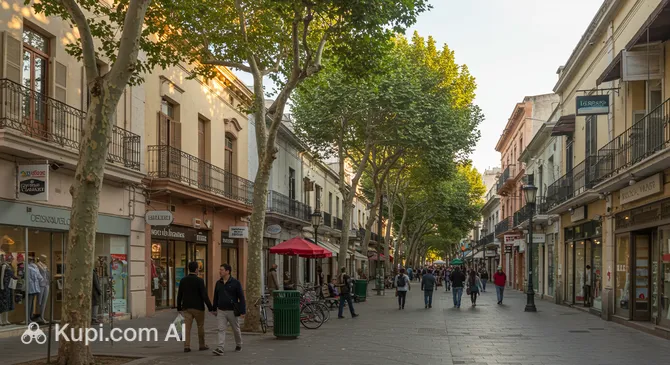
The main shopping artery of the city is the busy Concordia Pedestrian Street (Peatonal). This is a place of attraction for both locals and tourists. Here, in the shade of trees and under building awnings, are many shops selling clothes, shoes, sports goods, and perfumes. A stroll along this street is not just about shopping, but also an opportunity to have a coffee in one of the street cafes, watching the city life.
Concordia Pedestrian Mall. Illustration.
Source: Kupi.com AI
Traveler photos:
If you are looking for more concentrated shopping under one roof, it is worth checking out the shopping galleries. One of the most famous is the Las Palmeras Shopping Gallery. In such small shopping centers, you can find boutiques with Argentine clothing brands, accessory shops, and gift stores. This is an excellent option to hide from the midday heat and shop in a comfortable setting.
Special attention should be paid to local markets and weekend fairs, which often unfold in the city's main squares. Here, artisans display handmade items for sale: jewelry, textiles, ceramics, and leather goods. Since Concordia is the citrus capital, be sure to look for fresh fruits, homemade jams, and sweets made from oranges and tangerines at the markets.
As souvenirs from Concordia, tourists most often bring gastronomic gifts: honey, locally produced olive oil, and, of course, citrus delicacies. Mate sets (calabashes and bombillas) and high-quality Argentine leather products—belts, wallets, and bags, famous for their durability and style—are also popular.
When planning a shopping trip, it is important to take the traditional siesta into account. Most private stalls and small shops are open from 8:30 to 12:30, then close for a break and resume work only after 16:30 or 17:00, working until late evening (20:30–21:00). Large supermarkets and some chain stores may work without a break. Argentine pesos are accepted for payment, and in most stationary stores, you can pay with Visa and Mastercard, but it's better to have cash with you at markets and kiosks.
The Tax Free system in Argentina applies to foreign tourists when purchasing nationally produced goods in stores participating in the "Global Blue" program. If you see the "Tax Free Shopping" logo in a window, you can issue a check for a VAT (IVA) refund when leaving the country. However, it's worth remembering that in small cities like Concordia, the number of such stores may be limited compared to Buenos Aires.