Support

Salto

About

Salto is a true gem in the northwest of the country, the second-most populous city that Uruguay is proud of. Located on the picturesque banks of the river of the same name, right on the border with Argentina, this city of about 125,000 people possesses a unique character. Here, a relaxed resort atmosphere and the dynamic rhythm of a modern entertainment center intertwine in a surprising way.

Its geographical position makes Salto an important transport hub and a popular tourist destination. The climate here is subtropical, providing hot summers and mild winters, allowing travelers to enjoy their vacation at almost any time of the year. The city is often called the "Uruguayan Ibiza" or the country's nightlife capital: as the sun sets, numerous bars, restaurants, and clubs open, attracting fans of vibrant parties and gastronomic discoveries.
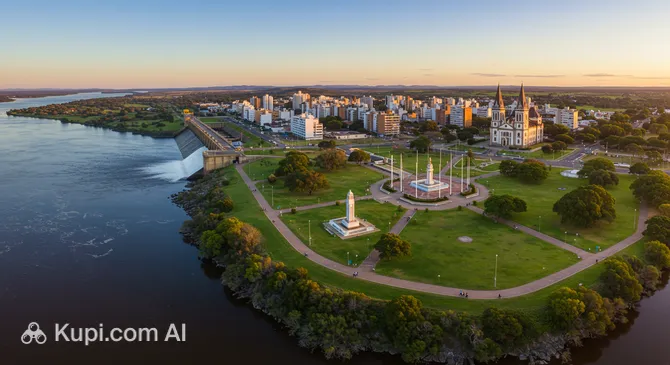
Salto. Illustration.
Source: Kupi.com AI

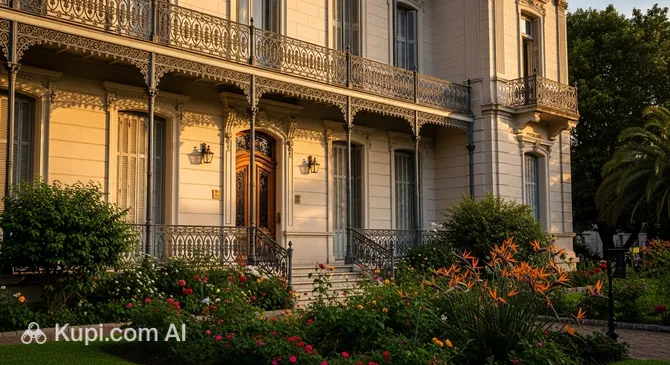
However, Salto is not just about entertainment. Walking along its wide streets and well-kept squares, it is impossible not to notice the city's rich historical heritage. Majestic architecture from the 19th and early 20th centuries, cozy parks, and the famous embankment create a sense of comfort and harmony. Here, colonial charm coexists with modern comfort, making the city attractive for both history buffs and those seeking high-quality service.

The main magnet for tourists is the famous thermal springs located in the city's vicinity. The healing waters of complexes such as Termas del Daymán allow visitors to combine active city leisure with complete relaxation and wellness. Additionally, proximity to the grand Salto Grande Dam and the possibility of river boat trips add variety to any travel itinerary.

Salto is a city that knows how to surprise. Whether you are looking for wild night adventures, a peaceful soak in thermal waters, or cultural enrichment, this hospitable place will definitely find the key to your heart.
Weather Overview

The climate in Salto can be described as humid subtropical, ensuring a clear change of seasons and diverse opportunities for relaxation throughout the year. Summer here, lasting from December to February, is truly hot: the average temperature in January is 26.2°C, and daytime maximums often exceed 31.3°C. This time is great for water activities on the river, although one should be prepared for precipitation, which falls an average of 7–9 days per month.

The winter months (June, July, and August) bring a noticeable chill but remain quite mild compared to temperate latitudes. In July, the coldest month, the average temperature stays around 13.3°C, and at night it can drop to 9.0°C. Expect a warm summer with occasional rain and cool, relatively dry winters. This cool season is when many tourists choose to visit the hot thermal springs the region is famous for.

Spring and autumn in the city provide a comfortable transition season. In March, the air still warms up to 28.7°C, and by November, temperatures reach a pleasant 27.9°C again, perfect for long walks in parks and along the embankment. To choose the ideal dates for your trip and prepare for any whims of nature, we recommend checking the current weather in Salto for the coming days in advance.

Average monthly temperature

Average monthly precipitation

Interesting Facts

Beyond its main attractions, Salto holds many fascinating secrets that make it a special place on the map. This city knows how to surprise with its rhythm of life, engineering achievements, and cultural contributions.

  • Second after the capital. Salto is the only city in Uruguay, other than Montevideo, with a population exceeding one hundred thousand people. Thanks to this, a unique atmosphere has formed here: on one hand, you feel the pulse of a large city with developed infrastructure, while on the other, the coziness and pace of provincial life are preserved.

  • Energy of friendship. A bridge spanning the Uruguay River runs along the crest of the Salto Grande Dam. This grand engineering structure not only connects the country with Argentina, serving as a symbol of friendship between nations, but is also a vital source of electricity for both states.

  • The region's nightlife capital. The city deservedly bears this title due to its rich evening life. People come to its numerous clubs and bars, such as Vieja Bodega, not just from among the locals, but also guests from neighboring Argentina, especially on weekends.

  • Water cult. Salto is famous for its thermal springs, which are considered the region's hallmark. Water parks with mineral water, such as Acuamania and Termas del Daymán, operate year-round, attracting connoisseurs of wellness holidays and water treatments.

  • Birthplace of talents. The city is the hometown of many famous Uruguayans who brought world fame to the country. Football stars and famous figures of the arts were born here, including writer Horacio Quiroga, whose legacy is carefully preserved in the Horacio Quiroga House.

How to Get There

When planning a trip to the northwest of Uruguay, it is worth thinking through the logistics in advance, as the city is located a significant distance from the capital. You can explore all the ways to get to the city in more detail to choose the optimal route. The main flow of tourists arrives here by land transport, although using the nearest regional airports is also possible.

There is no airport from our list in the city of Salto itself, but you can fly into General Justo José de Urquiza Airport (PRA). It is located in the city of Paraná (Argentina), which is approximately 243 km from Salto. This is a regional transport hub with a small passenger flow. The journey from here to your final destination by taxi or bus will take about 6.5 hours (approximately 385 minutes), including time for border crossing.

An alternative option could be Santa Fe Airport (SFN), also located in neighboring Argentina in the city of Santa Fe. The distance to the center of Salto is about 273 km. This is a medium-sized airport serving regional flights. Travel by land transport from this air hub will require about 7 hours (roughly 430 minutes). Given the cross-border nature of the trip, travel times may vary.

For clarity, here is a summary of the main airports in the region:

AirportPassenger trafficDistance
Ruben Berta Airport40 000199 km
General Justo Jose de Urquiza Airport38 000243 km
Santa Fe Airport95 000273 km

Since rail links in this direction are poorly developed, most travelers who do not arrive by private transport prefer comfortable intercity buses. Salto bus station receives regular flights from Montevideo and other major cities, ensuring a reliable connection with the rest of the country.

Main Attractions

The city of Salto, with its rich cultural heritage and picturesque nature, offers tourists many interesting places to visit. A walk through its streets allows you to immerse yourself in the atmosphere of Uruguayan history and enjoy the beauty of the Uruguay River.

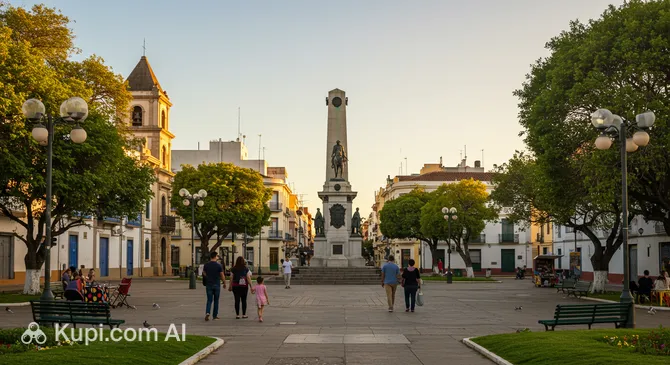
The heart of the city and an ideal place to start an excursion is Artigas Square. This is not just a central square, but an iconic space where a majestic monument to national hero José Gervasio Artigas, created by sculptor Edmundo Prati, stands tall. The square is surrounded by beautiful buildings and serves as the main meeting place for locals, and in the evenings, it is particularly cozy thanks to clever lighting and well-maintained greenery.

Artigas Square. Illustration.
Source: Kupi.com AI

Traveler photos:

For lovers of literature and history, Horacio Quiroga House is a mandatory stop. This museum is located in the building where the famous short-story writer spent his childhood years. The exhibition includes the author's personal belongings, manuscripts, and the first edition of his famous "Tales of the Forest." Visiting this place allows for a deeper understanding of Quiroga's creative path and a feel for the spirit of the era in which he lived.

Nature lovers should head to Las Cavas beach, located on the banks of the Uruguay River. This picturesque spot attracts visitors with its rocky outcrops and sandy patches, creating a unique landscape for walks and picnics. Here, you can enjoy the fresh river breeze and magnificent sunsets that paint the water in golden tones.

Another important historical attraction is the ruins of the Saladero Naranjal de Pereda. These remains of an old 19th-century meat processing plant serve as a reminder of the region's industrial past. The complex is an interesting example of industrial archaeology and allows one to imagine the scale of production that once played a key role in the city's economy.

Local Cuisine

Salto's culinary scene is a vibrant reflection of the region's cultural diversity, where local traditions are closely intertwined with European influences, especially Italian and Spanish. Meat takes center stage here, as in all of Uruguay. Tourists should definitely try asado — an assortment of various meats grilled to a perfect crust. Another gastronomic hallmark is the hearty chivito sandwich, which consists of a thin beef steak, ham, cheese, egg, bacon, and fresh vegetables.

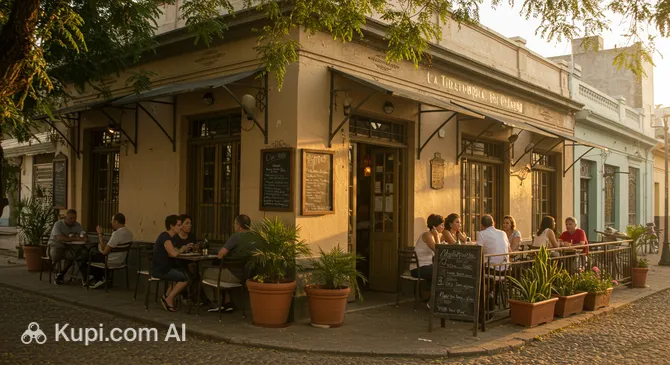
Thanks to its location on the banks of the Uruguay River, the local cuisine is also rich in fish delicacies. City restaurants often serve the freshest river fish, prepared according to simple but tasty recipes. The influence of Italian immigrants is clearly seen in the locals' love for pasta and pizza. If you want to enjoy the atmosphere of a classic dinner, stop by the La Trattoria restaurant, which serves excellent European dishes. And for lovers of crispy dough and melted cheese, La Blusera pizzeria is a wonderful choice, popular with both locals and visitors alike.

La Trattoria. Illustration.
Source: Kupi.com AI

Traveler photos:

For a quick snack during walks, empanadas — traditional pastries with juicy meat, cheese, or ham fillings — are perfect. They can be bought at numerous street stalls or bakeries. For those with a sweet tooth, Salto offers magnificent ice cream and desserts, often with the addition of boiled condensed milk — dulce de leche. The city is also famous for its citrus fruits, so desserts and drinks made from fresh oranges and mandarins are especially good here.

The drink culture in Salto deserves special attention. At any time of day, you will see locals with thermoses and gourds drinking mate — a revitalizing herbal tea that is a symbol of friendship and socialization. In the evening, local wines and craft beers take over. To experience the atmosphere of the city at night and taste drinks in a historical setting, you can head to Vieja Bodega, where lovers of good music and fun often gather.

Travel Tips

A trip to Salto promises to be relaxing and fulfilling, but a little preparation will make it even more comfortable. We have gathered the most important practical tips to help you avoid minor troubles and enjoy the hospitality Uruguay is famous for.

  1. Clothing and Essentials. In summer (December to February), Salto is hot and humid, so choose light clothing made of natural fabrics, always wear a hat, and use sunscreen. In winter, evenings can be cool, so a windbreaker or sweater will not be superfluous. The most important items in your suitcase are a swimsuit and flip-flops: you will need them to visit the thermal springs at any time of year.

  2. Transport. The historical city center is compact and ideal for walking. For trips to thermal parks (for example, to Daymán), it is most convenient and cheapest to use the regular municipal buses. Taxis are a reliable option, but international apps may be unstable; it's better to ask the hotel reception to call a car or find an official taxi rank.

  3. Finance. The official currency is the Uruguayan peso. Large supermarkets and restaurants accept cards, but for bus fare, purchases at kiosks, or markets, you will definitely need cash in small denominations. Currency exchange is best done at official "Casas de Cambio" in the city center, avoiding street offers.

  4. Health and Safety. Salto is a peaceful city, but basic safety rules (not leaving belongings unattended) should be followed. Given the proximity to the river and the humid climate, be sure to bring mosquito repellent, especially if you plan evening walks on the embankment. Pharmacies are marked with a green cross, and duty ones are open 24/7.

  5. Communication. The primary language is Spanish. English is understood in tourist centers and large hotels, but it is rarely used in everyday life. Download an offline translator and learn a few polite phrases. Local SIM cards (Antel, Movistar, Claro) can be purchased at service salons with a passport, providing you with stable internet.

  6. Local Etiquette. Locals are very polite. It is customary to say hello when entering a store, elevator, or boarding a bus ("Buen día" or "Buenas tardes"). The pace of life here is calm and unhurried; people don't like to rush. Don't be surprised if you see people walking with a thermos and mate gourd tucked under their arm — the culture of drinking mate is ubiquitous here and is a symbol of friendly social interaction.

  7. What to Avoid. Don't plan dinner too early. Restaurants in Salto only start filling up after 21:00. If you arrive at 18:00 or 19:00, you risk finding the kitchen closed or sitting in an empty room. Also, avoid comparing the country to neighboring Argentina when talking to locals — they are proud of their own identity.

  8. Consider the Siesta. Salto is a city with a hot climate, so the tradition of an afternoon rest is observed here. Many small shops and institutions close from about 13:00 to 15:30. Plan your shopping for the morning or evening, and spend the hot midday hours in the shade of a park, in a museum, or by the pool.

By following these simple recommendations, you will be able to feel at home in Salto. Enjoy the warmth of the thermal waters, the taste of local citrus fruits, and the genuine hospitality of the residents of this cozy city!

Entertainment & Nightlife

In the city of Salto, located on a picturesque riverbank, usual tranquility gives way to a dynamic rhythm as soon as you wish. Uruguay knows how to surprise with a variety of leisure activities, and this city is no exception. During the day, water activities and walks are popular, and as the sun goes down, clubs, casinos, and entertainment centers take over, offering relaxation for every taste.

Fans of water treatments should look to the surrounding areas, home to famous thermal parks. This is an excellent choice for families with children: slides and pools make it easy to spend the whole day having fun. If you are drawn to natural beaches, head to Las Cavas beach. Here you can not only swim but also play beach volleyball or have a picnic while admiring the sunset over the river.

For fans of urban leisure, Salto Shopping is a center of attraction. This complex is more than just a retail space; it is a true meeting place. A modern cinema, gaming zones, and cozy cafes make it the perfect place to escape the heat or spend an evening watching the latest movie releases.

Salto's nightlife is rightfully considered one of the most vibrant in the region. The epicenter of the fun is often the Vieja Bodega club. Located in a historical building, it attracts young people and dance lovers with its atmosphere and DJ performances. Guests even come here from neighboring Argentina.

Gastronomy is also an integral part of the holiday. An evening in Salto is unimaginable without a delicious dinner in good company. For a warm atmosphere and excellent cuisine, we recommend stopping by the La Trattoria restaurant or visiting the popular La Blusera pizzeria. These establishments will be a wonderful conclusion to a busy day.

Parks & Museums

Salto is a city where urban architecture harmoniously intertwines with rich greenery and a deep respect for cultural heritage. Excellent conditions have been created here for tourists: from shady parks providing escape from the summer heat to museums preserving the memory of prominent personalities and the region's industrial past.

Among the green zones, Solari Park (Parque Solari) holds a special place. This is a true monument of landscape design, gifted to the city in the early 20th century. Strolling along its alleys, you can feel the atmosphere of an old garden with a lake, bridges, and ancient trees. It is an ideal place for morning runs or a quiet rest with a book. In the city center, the main green artery is Artigas Square. During the day, it is pleasant to hide in the shade of the palms, and in the evening, the square comes alive, becoming a meeting place for locals and tourists.

For those who prefer relaxing by the water, Las Cavas beach is a real gift. This natural area on the banks of the Uruguay River combines picturesque rocky landscapes and sandy areas. Here, you can not only sunbathe but also have a picnic in specially equipped areas while enjoying the view of neighboring Argentina on the opposite bank.

Salto's cultural life is inextricably linked with the name of the great writer Horacio Quiroga. Literature fans should visit the Horacio Quiroga House. This museum, located in a 19th-century mansion, houses the author's personal belongings, photographs, and manuscripts. There is also a mausoleum with the writer's ashes, made in the form of a wooden head, which adds a special, mystical atmosphere to the place.

Horacio Quiroga House. Illustration.
Source: Kupi.com AI

Traveler photos:

Another important cultural site is the Museum of Man and Technology (Museo del Hombre y la Tecnología). It is located in the building of the old central market and impresses with its architecture. The museum's exhibition tells of the evolution of technology in the region, the history of the construction of the Salto Grande Dam, and the daily life of the first settlers, offering an interactive look at the city's development.

History buffs and those seeking unusual locations should pay attention to the ruins of the Saladero Naranjal de Pereda. These remains of an old meat-processing complex allow a glimpse into Uruguay's industrial past. A walk among the preserved walls and machinery gives an idea of how the region's economy developed in past centuries and serves as a great backdrop for atmospheric photos.

If you have time left, stop by the Municipal Zoo, located in Harriague Park. This is not just a place for watching animals, but an extensive green zone home to many species of local fauna. For complete immersion in the city's atmosphere, we recommend simply walking along the embankment (Costanera) at sunset — this is where Salto's unhurried and cozy rhythm of life is best felt.

Getting Around

The transport system in Salto is quite simple and clear even for those visiting the city for the first time. Since the historical center is compact, many attractions can be explored on foot while enjoying the architecture. However, for trips to remote areas or the famous thermal springs, you will need to use public transport or a taxi.

The main form of public transport is the municipal buses (omnibus), managed by the local municipality. The bus network covers almost the entire city, connecting residential neighborhoods with the center, the embankment, and key tourist zones. The most popular route among travelers is the line going to the Termas del Daymán complex. Buses on this route run regularly, providing a reliable connection between the city and the resort area.

Paying for bus fare in Salto is as simple as possible for tourists. Tickets are purchased directly from the driver or conductor upon boarding. The fare is fixed and is considered one of the lowest in the region. It is recommended to always carry some small cash (Uruguayan pesos), as change for large bills may not always be available. Special transport cards are mainly used by locals for discounted travel, while it is more convenient for tourists to pay in cash.

Bus operating hours depend on the route and the day of the week. On weekdays, transport runs from early morning until late evening with intervals of 15–20 minutes. On weekends and holidays, waiting times may increase and the number of trips may decrease. Schedules and route maps can be found on the municipality's official website or at tourist information centers.

If you prefer comfort and speed, numerous taxis are at your service. Official cars are easily recognizable by their special markings. They can be found at designated ranks in the center, near the bus station and large shopping centers, or called by phone. Global taxi-hailing apps do not work as stably here as in the capital, so it is more reliable to rely on local dispatch services. Trips are usually metered.

For those who want complete freedom of movement, renting a car is an excellent option. This is especially relevant if you plan to visit not only city attractions but also remote sites such as the Salto Grande Dam or distant thermal parks. Rental points are located both in the city center and near transport hubs. Additionally, in resort areas, you can find bicycle rentals for leisurely rides around the neighborhood.

Accommodation

Where to stay:

Salto offers travelers a wide range of accommodation options, capable of satisfying any taste and budget. The city's infrastructure is well-developed due to its status as a popular tourist destination. Here you can find everything from classic city hotels in historical buildings and budget hostels for youth to luxury resort complexes with their own spa centers. Cozy bungalows and cottages (cabañas) are particularly popular in the region, ideal for family vacations or large groups.

When choosing a place to stay, tourists usually face a dilemma: stay in the historical city center or closer to the famous thermal springs. If your goal is immersion in the city atmosphere, walking along the embankment, and access to nightlife, choose hotels in the central streets area, near Artigas Square and Uruguay Street. This will put you within walking distance of shops, restaurants, and architectural monuments.

For those traveling to Uruguay for wellness and relaxation, the Termas del Daymán area, located about 6–10 kilometers south of Salto center, is an ideal choice. A true resort cluster has formed here with a huge choice of housing: from campsites to high-class hotels. Staying in this zone allows you to enjoy the thermal waters literally steps from your room, although you will need to use a bus or taxi for trips to the city center for entertainment.

The price range in Salto varies from budget to above average. Hostels and simple guest houses offer very affordable prices suitable for backpackers. Mid-range hotels and apartment rentals will cost more but provide more comfort. The most expensive are resort hotels with a full range of services and direct access to thermal parks. Accommodation can be booked through popular international online platforms or directly, which is often practiced by owners of small private complexes.

Booking Tip: Salto is a popular destination year-round, but demand for accommodation spikes during peak periods. It is highly recommended to book rooms in advance (several weeks or even months), if you plan a trip during "Tourism Week" (Semana de Turismo, coinciding with Easter), Carnival, or winter school holidays (July), when thermal springs are in particularly high demand.

Nearby Cities

For those who want to explore the surrounding area, Salto serves as an excellent starting point for day trips to several interesting nearby locations. Uruguay is a relatively small country, so traveling to neighboring departments allows you to see a variety of landscapes and cultural features in just a few hours of travel.

Closest to Salto is the city of Paysandú. This is one of the country's most important industrial and commercial centers, known for its annual beer festival, "Semana de la Cerveza." Paysandú is also famous for its thermal springs, such as Termas de Guaviyú, and its rich history associated with the struggle for independence. A walk along its embankment and a tour of the historical center will be a great addition to your trip.

If you are ready to venture a bit further inland, it is worth visiting Tacuarembó. This city is considered the capital of Uruguayan gauchos and the guardian of rural traditions. A special atmosphere of folklore reigns here: museums, monuments, and festivals are dedicated to the culture of the cattle herders and the legendary tango singer Carlos Gardel, whose birthplace this region claims to be. A trip here will allow you to touch the "real" Uruguay, away from the coast.

Also of interest is Mercedes, located on the banks of the Río Negro. This city charms with its architecture and magnificent embankment, which many call one of the most beautiful in the country. Mercedes is known as the host of the "Jazz a la Calle" festival, which turns the city streets into musical venues.

CityPopulationDistance
Concordia149 4505 km
Federacion16 65845 km
San Salvador12 73358 km
Chajari45 84870 km
Colón23 17194 km

These nearby destinations provide insight into the diverse culture and landscapes of the region, making your stay in this part of South America even more fulfilling.

Shopping & Souvenirs

Shopping in the city of Salto is a pleasant addition to your holiday, allowing you to combine walks through the city with the search for unique items and souvenirs. Although the city does not claim to be a fashion capital, there is a special atmosphere of coziness here, where modern shopping centers coexist with traditional shops. Proximity to Argentina leaves its mark on the range and trading traditions, making shopping here an interesting experience for tourists.

The heart of the city's shopping life is Uruguay Street (Calle Uruguay). This is the main pedestrian and commercial artery of the center, where many clothing boutiques, shoe stores, pharmacies, and bookstores are concentrated. A walk along this street allows you not only to update your wardrobe but also to enjoy the city's architecture, occasionally stopping at street cafes. Here you can find both products from local Uruguayan brands and imported goods.

For those who prefer comfort and variety under one roof, the main attraction is Salto Shopping. This is the largest shopping and entertainment center in the region, located in the eastern part of the city. It features stores of famous brands, a supermarket, as well as a food court and a cinema. This is an ideal place to escape the summer heat or winter chill while shopping in a calm environment.

Salto Shopping. Illustration.
Source: Kupi.com AI

Traveler photos:

Fans of local flavor should pay attention to local markets and weekend fairs. One of the most famous is the Sunday Fair (Feria Dominical), which usually unfolds in the Plaza de Deportes area. Here you can find everything from fresh farm products and homemade cheeses to handicrafts and antiques. Also popular is "Paseo de Compras" (often called "Bagasho") — a large market with a wide range of goods at affordable prices, attracting many buyers from the surrounding area.

When choosing what to bring from Salto, look for traditional Uruguayan souvenirs. Primarily, these are high-quality leather and wool products. A great gift would be a mate set: a gourd and bombilla, which can be bought in specialized shops. Since the region is famous for the mining of semi-precious stones, you can profitably purchase jewelry or raw amethyst and agate geodes here. And, of course, don't forget the local citrus-based sweets, as Salto is the country's citrus capital.

When planning a shopping trip, take the local daily routine into account. Most small shops in the center are open from 9:00 to 12:00 or 13:00, then close for a siesta and reopen around 15:00 or 16:00, working until 20:00. Large shopping centers like Salto Shopping work without breaks until late in the evening. Uruguayan pesos are accepted for payment almost everywhere, and in large stores and restaurants, you can easily pay with international credit cards (Visa, Mastercard).

Tourists in Uruguay can take advantage of the Tax Free system. Value-added tax (VAT) refunds are available when purchasing certain categories of goods (clothing, leather goods, souvenirs) in participating stores. Be sure to look for the "Tax Free" sticker in the window and ask for a special receipt when making a purchase to claim your refund when leaving the country.

Reached the end of the page?

That means the route is fully explored