Support

Goya

About

Goya is a cozy and authentic city in the northeast, located in Argentina on the picturesque banks of the Paraná River. Situated in the heart of Corrientes Province, where the endless expanses of the pampas meet lush river valleys, this city literally breathes freshness and tranquility. With a population of about 72,000 residents, Goya is the second-largest center in the region, harmoniously combining developed infrastructure with a unique provincial charm.
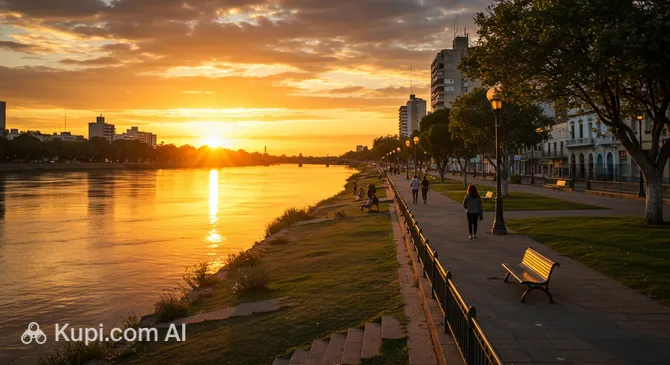
Goya. Illustration.
Source: Kupi.com AI

The atmosphere here is characterized by a measured pace of life and the friendliness of the local people. The fascinating history of Goya can be traced in the architecture of its old streets, which are perfect for leisurely strolls. Unlike bustling metropolises, a sense of comfort prevails here, allowing guests to fully relax and immerse themselves in an authentic environment.

The city attracts travelers not only with its historical heritage but also with its picturesque nature. The embankments of the Paraná River beckon with beautiful sunsets and opportunities for active recreation on the water, while local festivals allow for a deeper understanding of regional traditions. Goya is an excellent choice for those looking to discover new horizons and enjoy true Argentine hospitality away from the beaten tourist paths.

Weather Overview

The climate in this region favors travel almost any time of year, though the seasons here have their own distinct characteristics. When planning your trip, it is helpful to check the weather in Goya in advance to pack an appropriate wardrobe. Overall, the city is characterized by significant temperature fluctuations between the summer and winter months, allowing tourists to choose a season based on their preferences.

Summer here is truly hot. The warmest month is January, with an average temperature of 27.4°C, while daily maximums often exceed 32°C. Travelers should keep in mind that the probability of precipitation is higher during the warm season: for example, up to 10 rainy days are recorded in January and March. Expect a warm summer with occasional rain and cool, drier winters.

The winter period, lasting from June to August, brings freshness and cool air. July is considered the coldest month: the average temperature drops to 15.2°C, and at night it can cool down to 10°C. This time of year is characterized by less rainfall—only about 4 rainy days in July. The shoulder seasons, especially April and October with a comfortable 21°C, are considered the best time for long walks and exploring the city without the exhausting heat.

Average monthly temperature

Average monthly precipitation

Interesting Facts

In addition to its famous landmarks and picturesque views, Goya holds many fascinating stories that reveal the city from an unexpected side. Here are some curious facts that will help you better understand the unique character of this place:
  • Named after a hospitable hostess. Unlike many cities named after saints or generals, Goya received its name thanks to a woman of the people. In the 19th century, Doña Gregoria Morales lived here, nicknamed "Goya," who ran a local tavern. Her establishment was so famous for its hospitality and delicious food that travelers and merchants began calling the entire settlement by her name, which has survived to this day.

  • The fishing capital of the country. The city is officially recognized as the "National Capital of Surubí." Every year, it hosts a grand fishing festival dedicated to catching the surubí—one of the largest species of river catfish in South America. This event attracts thousands of fishermen and tourists not only from all over Argentina but also from abroad, turning the city into a center of excitement and river records.

  • Musical traditions. Goya is the birthplace of many talented artists and musicians famous for performing traditional music of the northeastern region. Local festivals are always accompanied by live performances where music and dancing become the main way to express the joy and cultural identity of the townspeople.

  • Legends of ancient streets. Impressive architectural monuments of the colonial era have been preserved in the city and its surroundings. Old mansions and churches not only decorate the streets but also serve as a source of urban legends: locals still pass down stories of mysterious treasures and adventures from the times of the first settlers.

How to Get There

When planning a trip to this picturesque corner of Corrientes Province, it is important to think through your route in advance. The city is located away from the main capital hubs, so the journey here often becomes a small adventure, allowing you to see the real Argentine heartland. You can find more details on how to get to Goya on a dedicated page, and below we will look at the main transport hubs located nearby.

Goya itself does not have a large civilian airport serving regular flights, but you can fly into Resistencia Airport (IATA: RES). It is located in the city of Resistencia, which is approximately 189 km from Goya. This is a fairly busy regional aviation hub. A trip from there by taxi or rental car will take about 2.5–3 hours; you can also use intercity buses.

Another convenient option is Camba Punta Airport (IATA: CNQ), located in the city of Corrientes. The distance to the center of Goya is about 195 km. This airport also serves domestic flights and is an important entry point into the region. Travel time by car is approximately 3 hours along the picturesque provincial roads.

For convenience, here is summary information on the main airports:

AirportPassenger trafficDistance
Resistencia Airport285 010189 km
Camba Punta Airport186 000195 km
Ruben Berta Airport40 000227 km

Since passenger rail service in this direction is not the primary mode of travel, most travelers arrive in the city by road. Goya is well-connected via National Route 12, which runs along the Paraná River. Comfortable intercity buses (micros) regularly run from Buenos Aires, Corrientes, and other large cities, being the most popular and accessible form of transport in Argentina.

Main Attractions

Goya is a city where history intertwines with the beauty of river landscapes. The main attractions are concentrated around the historical center and the coastal zone, allowing you to see them during a leisurely walk. Here, you will find both majestic architectural monuments and corners of untouched nature that make this city in Corrientes Province special.

Cathedral of Our Lady of the Rosary (Catedral Nuestra Señora del Rosario). This monumental structure is the spiritual heart of the city and its main architectural landmark. Built in the 19th century, the cathedral impresses with its size and elegant lines inspired by European traditions. Tourists should take a look inside to appreciate the magnificent decoration, high vaults, and the atmosphere of peace that reigns within these walls.

Mitre Square (Plaza Mitre). Located directly in front of the cathedral, this square serves as a favorite meeting place for locals and a convenient starting point for exploring the city. Here, you can relax in the shade of ancient trees, admire the Pyramid of Liberty, and enjoy the slow pace of provincial life. Beautiful historical mansions have been preserved around the square, serving as a reminder of the rich past of this river port.

The Waterfront and Riacho Goya. Being in Goya and not walking along the water means missing the true face of the city. The well-maintained embankment (Costanera) is ideal for evening promenades and watching picturesque sunsets over the river. This spot attracts photography enthusiasts and those who want to enjoy the fresh river breeze while watching fishing boats.

Isla Las Damas Nature Reserve (Reserva Natural Isla Las Damas). Located directly opposite the city's embankment, on an island in the middle of the river, this reserve is a true oasis of wild nature. You can get here by boat, which in itself is a small adventure. The place is interesting for the opportunity to see the diverse flora and fauna of the region in their natural habitat and walk along ecological trails.

Municipal Theater. This building is a source of pride for the townspeople, as it is considered one of the oldest active theaters in the country. The theater is interesting not only for its history but also for its unique architecture and magnificent acoustics. A visit to this place allows you to experience the cultural traditions of the region and imagine how the local aristocracy spent their leisure time in past centuries.

Local Cuisine

Goya's local cuisine is a true feast for foodies, where the bounty of the great Paraná River plays the leading role. The city's gastronomic hallmark is rightfully fresh fish dishes. Be sure to try baked surubí or golden dorado. Local chefs prepare them with great skill, often serving them with aromatic sauces, lemon, and fresh herbs, which reveals the delicate taste of river fish caught just a couple of hours ago.

While fish holds a place of honor here, Goya also honors classic Argentine traditions. Meat lovers will appreciate the magnificent asado—a traditional barbecue prepared with heart and soul. Empanadas are perfect as an appetizer or light snack. In this region, look for special variations with fish fillings, although classic pastries with meat, corn, or pumpkin are also incredibly popular. You will certainly be offered chimichurri—the famous spicy sauce that adds a savory kick—with any meat dish.

For those with a sweet tooth, the city offers its own temptations. Traditional desserts include pastelitos—crispy puff pastries with fruit filling, often eaten during holidays. And, of course, no meal is complete without the legendary dulce de leche—the smooth milk caramel added to pastries or simply served with strong coffee.

The dining culture in Goya is characterized by casualness and hospitality. There are many cozy family restaurants where recipes are passed down through generations. You can feel the special atmosphere during gastronomic festivals and fairs that regularly take place in the city. These are the best places not only to eat delicious food but also to chat with locals, immersing yourself in the authentic rhythm of life in Corrientes Province.

Travel Tips

A trip to Goya is an immersion into the authentic life of Corrientes Province, where tranquility and hospitality reign. To ensure your vacation on the banks of the Paraná is as comfortable as possible and without surprises, we have prepared a list of important practical recommendations to help you feel confident.

  1. Clothing and Nature Protection. Given the subtropical climate, in summer (December–February), favor light clothing made from natural fabrics like cotton or linen, and always wear a hat. Since the city is by the river, it is critically important to have a high-quality mosquito and gnat repellent, especially in the evenings. In winter, evenings can be chilly, so a light jacket or sweater will not be out of place.

  2. Transport. The city center is quite compact and is most pleasant to explore on foot. For long-distance trips, locals use "remises"—a type of taxi that must be ordered by phone or at special offices; hailing a car on the street is not common here. Apps like Uber may be unreliable, so it's safer to have the number of a local dispatcher or ask to have a car called at the hotel reception.

  3. Finances. The official currency is the peso. Unlike major capitals, in the provincial cities of Argentina, cash remains the primary means of payment. Cards are accepted in hotels and large supermarkets, but kiosks, souvenir shops, and small cafes often require cash. ATMs are available in the center, but they may run out of bills on weekends, so it is better to withdraw money in advance. Tipping in restaurants is usually around 10% of the bill.

  4. Health and Safety. Goya is a peaceful city; however, basic precautions should be observed: do not leave your belongings unattended on the waterfront. Pharmacies follow standard hours, but there is always a duty pharmacy (farmacia de turno) open 24/7—a list is usually posted on the door of any pharmacy. It is recommended to drink bottled water.

  5. Communication. The main language is Spanish. Not everyone speaks English, so download an offline translator or learn a few basic phrases. For mobile communication, it is better to buy a local SIM card (Personal, Movistar, or Claro) at any kiosk; a passport may be required for activation. Wi-Fi is available in most hotels and cafes on the central streets.

  6. Local Etiquette. The people here are very open and friendly. When meeting, even people who barely know each other often kiss each other on the cheek (this applies to men too). If you are invited for mate (a traditional herbal drink), do not refuse—it is a sign of trust and friendship. Do not stir the straw (bombilla) in the calabash; it is considered bad manners.

  7. What to Avoid. It is strictly not recommended to swim in the Paraná River in non-designated areas. The current can be strong and unpredictable, and the bottom can be silty. Use only official beaches where lifeguards are on duty. Also, avoid discussing sensitive political topics to avoid offending your interlocutors.

  8. Respect the Siesta. This is perhaps the most important tip for this region. Life in the city comes to a standstill from about 1:00 PM to 5:00 PM. During this time, shops, banks, and many institutions close, and the streets empty. Do not plan active shopping or important business for this time—instead, rest as the locals do.

Goya charms with its simplicity and proximity to nature, so by following these simple tips, you can avoid minor hassles and focus on the main thing—rest and impressions. Enjoy the sunsets over the river, delicious food, and a warm welcome in the heart of the Argentine river country!

Entertainment & Nightlife

Nightlife in Goya, as in all of Argentina, starts late and is distinguished by a special warmth and casualness. Here you won't find massive metropolitan clubs with world-class DJs, but the city offers something more—a soulful atmosphere where music mixes with the river breeze and dinner transitions smoothly into dancing until morning. The center of attraction in the evening is invariably the embankment area (Costanera) and the surroundings of the main square.

The heart of evening entertainment is the Paraná River embankment. As darkness falls, this place is transformed: lights come on, and the doors of numerous resto-bars and pubs open. Locals and tourists come here to enjoy the cool air after a hot day, listen to live music—ranging from traditional chamamé to modern rock—and sample the craft beer popular in the region. This is the perfect location for a "previa"—the traditional social gathering before a big night out.

Among the specific establishments that define the city's nightlife, the Casino de Goya stands out. It is not just a place for gambling, but also an important entertainment center with a bar and a concert stage that frequently hosts show programs. Bars in the Plaza Mitre area are also popular, gathering a younger crowd. A smart casual style prevails here: the dress code is relaxed, but a neat appearance is welcomed.

Practical tips for night owls:

  • Time: Life here wakes up late. It makes sense to arrive at bars no earlier than 11:00 PM, while dance venues fill up closer to 2:00 AM.
  • Safety and Transport: Central areas and the embankment are considered safe for walking; however, it is better to return to your hotel late at night by transport. The most reliable way is to order a "remis" (private taxi) by phone or ask a bartender to call one for you.
  • Prices: The cost of cocktails and entrance fees in Goya is noticeably lower than in Buenos Aires, making a night out here quite budget-friendly.

If you prefer entertainment during the daylight hours, Goya offers a cultural program. Be sure to visit the Municipal Theater, an architectural gem of the city where plays and concerts are regularly held. History buffs will find interest in the City Museum, which houses artifacts from the colonial era, while nature lovers can take a boat trip to the islands to watch birds and enjoy the silence of the river.

Parks & Museums

Goya offers travelers a harmonious blend of peaceful green zones and a rich cultural program, allowing for a deep dive into the region's history. Walks along shaded alleys here transition smoothly into encounters with architectural heritage, creating a complete image of this cozy city in Argentina.

Among the natural areas, Mitre Square holds a special place. It is not just an administrative center, but a true botanical oasis with century-old trees providing life-saving shade on hot summer days. It is pleasant to relax on a bench here, enjoying the silence and watching the steady life of the townspeople. Another important point of attraction is Italy Square (Plaza Italia), located closer to the waterfront. It draws people with its well-kept grounds and magnificent panoramic views of the river, becoming an ideal spot for family walks and watching the sunset.

The city's cultural heart beats in the House of Culture (Casa de la Cultura). Housed in a magnificent historical mansion, this center serves as the main venue for art exhibitions, creative workshops, and literary evenings. Visiting this place allows you to better understand the soul of the local community and see the works of regional artists. La Rotonda Church also presents significant interest. This architectural structure stands out with its unusual style and rich history, serving as an important monument of the city's spiritual culture.

The historical center of Goya itself resembles an open-air museum. Walking through the streets, you will see perfectly preserved 19th-century colonial facades with high windows and wrought-iron grilles. These architectural monuments testify to the rich trading past of the port city and create a unique atmosphere of antiquity that appeals so much to photographers and history buffs.

Insider Tip: For an authentic experience, walk to the old floating pier in the port area. This spot is less popular with tourists than the central embankment, but it possesses a special industrial charm and allows you to feel the city's true connection with the great Paraná River in silence and solitude.

Getting Around

The transport system in Goya is quite simple, which is typical for small cities in Argentina. The historical city center is compact, so most architectural monuments and interesting spots can be comfortably explored on foot. However, if you need to get to the waterfront, the bus station, or outlying areas, it is worth using local transport.

Public transport is represented by city buses ("colectivos"). The route network covers key points of the city, but keep in mind that intervals can be significant—from 20 to 40 minutes—and on weekends and during the siesta, buses run even less frequently. To plan your trip, it is better to check the schedule in advance so as not to waste time waiting at the stop.

Important to know about paying for travel: the only way to pay on buses is with the SUBE transport card. This card must be purchased and topped up in advance at special kiosks (kioscos) or lottery points marked with the corresponding logo. Drivers do not accept cash, and it is impossible to buy a ticket directly on the bus. Therefore, if you plan to use public transport, make sure you have a charged SUBE card immediately upon arrival.

The most comfortable and reliable option for tourists are "remises." This is a local type of taxi that differs from the usual kind in that you cannot hail a car on the street with a wave of your hand. The car must be ordered by phone, through messengers, or taken from stationary dispatch points (remiserías). Tariffs in remises are usually fixed or depend on zones, which eliminates unpleasant surprises with the price.

Common international ride-hailing apps (like Uber or Cabify) may be unavailable or work inconsistently in Goya due to the small number of drivers. If you are traveling in a rental car, navigating the city will not be difficult: traffic here is calm, and there are practically no parking problems—except for a couple of central blocks, you can leave your car for free on most streets.

Accommodation

The choice of accommodation in Goya, as in many provincial cities in Argentina, is characterized by home-like comfort and a lack of excessive luxury. You won't find huge global chain resorts here, but the city offers a decent range of options: from classic medium-class urban hotels and budget hostels to the "cabañas" popular in this region—guest houses or bungalows, often located closer to nature.

When choosing an area to stay, you should be guided by the goals of your trip. Tourists who want to be in the heart of the action and have walking access to restaurants, banks, and architectural monuments should stay in the city center (Microcentro), around Plaza Mitre and the Cathedral. This is a strategically convenient location from which it is easy to reach any point. If your goal is to enjoy silence and river views, look for accommodation in the waterfront area (Costanera) or a bit further from the center, along the river. These areas are especially popular among fishing enthusiasts and those traveling by car.

A special category of accommodation in Goya is bungalow complexes and lodges oriented towards fishing tourism. They often offer not just a place to sleep, but also guide services, boat rentals, and equipment. This is a great option for groups of friends or families who prefer autonomy, as such houses are usually equipped with their own kitchen and barbecue area (parrilla).

The price range in the city can be described as moderate. The cost of living here is generally lower than in the country's major tourist centers. Bookings can be made through popular international online platforms; however, many small family-run hotels and cabañas still operate through direct contacts (WhatsApp or phone), so it is sometimes worth searching for options on local maps.

Important booking tip: Although it is usually not difficult to find a free room, the situation changes dramatically during the National Surubí Festival (usually in late April or early May). During these days, the city's population effectively doubles due to tourists and fishermen. If your trip coincides with this grand event, you must book accommodation several months in advance, otherwise you risk being left without a roof over your head or overpaying for the last available options.

Nearby Cities

For those looking to explore the surrounding area, Goya serves as an excellent starting point for day trips to several interesting nearby locations. The Mesopotamia region of Argentina is rich in cultural and natural attractions that can be reached by car or bus.

One of the most popular destinations is the provincial capital—the city of Corrientes. It is located about 190 km to the north and is famous for its magnificent "Costanera" embankment, one of the most beautiful in the country. Here, tourists can learn about colonial architecture, visit historical museums, and immerse themselves in the rhythms of chamamé—traditional music that is an intangible cultural heritage of humanity.

If you cross the General Belgrano Bridge from Corrientes, you will reach Resistencia, the capital of the neighboring Chaco province. It is known as the "City of Sculptures" (Ciudad de las Esculturas) due to the hundreds of artworks decorating the streets and open-air parks. Also worth mentioning is the city of Reconquista, located on the opposite bank of the Paraná River, just 37 km away in a straight line. It is an important historical and commercial center in the north of Santa Fe province.

CityPopulationDistance
Reconquista73 29337 km
Romang9 23762 km
Sauce9 115114 km
Saladas18 349117 km
Curuzu Cuatia34 470137 km

These nearby destinations offer a glimpse into the diverse culture and landscapes of the region, making your trip through Argentina even more rewarding and memorable.

Shopping & Souvenirs

Shopping in Goya is noticeably different from the usual hustle and bustle of major metropolises. Here you won't find giant shopping malls with global brands, but that is exactly where the city's charm lies. Shopping here is an opportunity to touch local traditions and take home a piece of Corrientes Province's culture. Commercial life is centered mainly in the city center, on the streets around the main square, where small family-run shops sit alongside cozy boutiques.

Special attention should be paid to the products of local artisans. Goya is famous for its leather masters: here you can find magnificent belts, bags, and traditional shoes of excellent quality. Another popular souvenir is mate drinking paraphernalia. Calabashes (vessels made from gourd or wood) and bombillas (metal straws), made by hand, make excellent gifts and reminders of a trip to Argentina.

Historically, the region is known for its tobacco production, so connoisseurs can purchase local cigars ("puros"), which are considered some of the best in the country. If you prefer gastronomic souvenirs, be sure to look for regional sweets. Local shops sell delicious papaya jam (dulce de mamón), figs in syrup, and, of course, a variety of alfajores—traditional cookies filled with boiled condensed milk.

For those looking for something truly unique, the best place is the Artisan Fair (Feria de Artesanos), which often takes place in Plaza Mitre on weekends or during festivals. Here, masters personally sell their creations—from knitted items to wooden crafts. When planning your shopping trip, remember the sacred rule of the siesta: most shops close around 1:00 PM and only resume work after 5:00 PM.

Reached the end of the page?

That means the route is fully explored