Support

Maitland

About

Maitland is a cozy and distinctive town sprawling on the banks of the Hunter River in New South Wales. Located approximately 170 kilometers north of Sydney, it is surrounded by scenic hills and vineyards, which give it a special charm. For many travelers, this is where the real, authentic Australia reveals itself, where traditions blend harmoniously with modernity, and the pace of life allows for true relaxation.

Despite its modest size and a population of just under two thousand people, the town plays a prominent role in the cultural life of the region. Maitland maintains an atmosphere of intimate comfort where every guest feels welcome. It is easy to find the perfect balance here between the slow flow of rural life and a rich program of events, and the climate is conducive to long walks in the fresh air almost year-round.

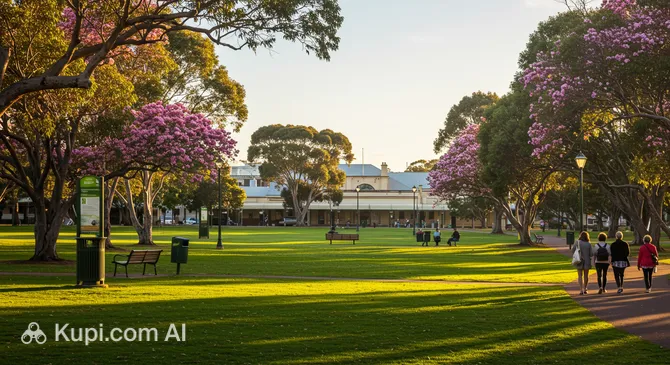
Maitland. Illustration.
Source: Kupi.com AI

The town seems designed for exploration on foot. Its old streets and preserved architecture immerse you in the past, allowing you to touch the heritage of the region. The rich history of Maitland is felt at every step, whether in the grand facades of 19th-century buildings or the cozy historic quarters. Furthermore, its favorable geographical location makes the town an excellent starting point for exploring the Hunter Valley — the continent's famous wine-growing region.

Maitland boasts a wonderfully warm and friendly atmosphere. Art galleries, cozy cafes, and green parks invite you to linger a while and enjoy the moment. It is an ideal destination for those seeking new experiences away from the hustle and bustle of megacities, who appreciate natural beauty and genuine hospitality. Come here to rest your soul and witness unique Australian identity with your own eyes.
Weather Overview

The climate in Maitland can be described as temperate and pleasant for travel at any time of year. Summer, which lasts from December to February in the Southern Hemisphere, is truly warm here. January is considered the hottest month: the average temperature is around 24.5°C, and daytime temperatures often rise to 29.4°C. This time is ideal for sun lovers; however, the high probability of rainfall should be taken into account — between 11 and 14 rainy days are recorded in the summer months.

Winter (June-August) brings freshness, but the city does not experience extreme cold. In July, the coolest month, the average temperature stays at 12.5°C, while nighttime figures can drop to 8.0°C. Expect a warm summer with frequent rain and cool winters with less precipitation. In August, for example, the number of rainy days drops to six, making winter walks quite comfortable if you have warm clothing.

The shoulder seasons delight with mild weather conditions. In spring and autumn, temperatures fluctuate within a comfortable range: from 16°C in September to 21.8°C in March. To plan the perfect wardrobe for your trip and choose the best days for excursions, we recommend checking the expected weather in Maitland for your visit dates in advance.

Average monthly temperature

Average monthly precipitation

Interesting Facts

Beyond its main attractions, Maitland holds many fascinating secrets and stories that reveal themselves only to the most curious travelers. Here are a few facts that will help you look at this Australian city from a new perspective:

  • The prison as a cultural phenomenon. One of the city's most intriguing features is the Maitland Gaol. This correctional facility operated for over 150 years and was considered one of the strictest in the region. Today, the former prison has been transformed into a popular museum where the brave are offered night tours with ghost stories and exciting escape-room style quests, allowing them to touch the mysteries of the past.

  • Birthplace of legendary biscuits. Maitland holds a special place in the continent's culinary history. This is where the roots of the famous Arnott dynasty, the creators of Australia's favorite biscuits, lie. The Historic Arnott Bakehouse building still stands today, serving as a reminder of the family baking traditions that grew into a national brand.

  • 19th-century atmosphere. The city is famous for its historical walking routes, such as the Morpeth Heritage Walk. Strolling here, you can see the unique Morpeth Bridge — a true engineering marvel of its time, symbolizing the era when Maitland was a crucial transport and trade hub for New South Wales.

  • A center for art and antiques. The city is often called a magnet for collectors thanks to its regular antique fairs. The cultural heart of the city beats in places like the Maitland Regional Art Gallery, where historical architecture is harmoniously combined with contemporary art projects and festivals.

How to Get There

A well-planned route is the key to a successful journey. To choose the most convenient way to reach the city, we recommend checking the detailed information on the how to get to Maitland page. Thanks to the Hunter region's developed transport network, you can get here easily by private car or public transport.

Since there is no airport in Maitland itself, tourists fly into neighboring cities. The most convenient and closest option is Newcastle Airport (IATA: NTL). It is located just 27 km from the city and is ideal for those traveling on domestic airlines. A taxi or transfer from the terminal to the center of Maitland usually takes about 30–40 minutes.

For those arriving from abroad, the main air gateway is Sydney Airport (Kingsford Smith) (IATA: SYD). This is the country's largest international hub, located approximately 139 km to the south. The drive by rental car on expressways will take roughly 2–2.5 hours depending on traffic. If you prefer the train, the journey is scenic but will take longer — about 3–3.5 hours with a transfer.

Below is a table with data on the nearest airports so you can estimate the distances:

AirportPassenger trafficDistance
Newcastle Airport1.2 mln27 km
Sydney (Kingsford Smith) Airport41.4 mln139 km
Western Sydney International Airport151 km
Mudgee35 000183 km
Port Macquarie Airport226 932190 km

In addition to air travel, Maitland is well-integrated into the New South Wales rail system (Hunter Line). Regular trains connect it to Newcastle and Sydney, offering a comfortable alternative to driving. Motorists will enjoy the trip along the New England Highway, which passes through the city and offers beautiful views of the Australian landscapes.

Main Attractions

The city of Maitland offers its guests a harmonious combination of cultural leisure, outdoor recreation, and modern comfort. Here you can find places that will interest both art lovers and those who prefer active walks or quality shopping. Get to know the key points of attraction that make this city special.

A true jewel of the region's cultural life is the Maitland Regional Art Gallery. Housed in a magnificent historic building, it attracts thousands of visitors not only with its extensive collections of Australian art but also with its rich educational program. It is a space where the past meets the present: grand architecture sits alongside daring contemporary installations, creating a unique atmosphere for inspiration.

For those seeking outdoor recreation, Maitland Park is the perfect spot. This is a vast green zone in the heart of the city, famous for its sports facilities and well-kept avenues. The park is great for families: you can have a picnic in the shade of the trees or visit the famous playground, which delights young travelers. The Victorian rotunda located on the grounds serves as a beautiful backdrop for memorable photos.

Maitland Park. Illustration.
Source: Kupi.com AI

Traveler photos:

Fans of the urban rhythm should check out Maitland Central. This shopping complex serves as a lively hub where you can not only make necessary purchases but also feel the pulse of the residents' daily lives. Its convenient location makes it a popular meeting place and an excellent starting point for further strolls through the central streets.

You can round off your introduction to the city by diving into its gastronomic atmosphere at iconic spots like Rigby. This establishment is more than just an eatery; it has become part of the local flavor, offering guests a cozy setting and the opportunity to appreciate the tastes of the region. Visiting such locations allows for a better understanding of Maitland's hospitable character.

Local Cuisine

Maitland's gastronomic scene is a pleasant discovery for travelers who value fresh products and authentic flavors. Thanks to its proximity to fertile lands and famous vineyards, the local cuisine is built on the "farm-to-table" concept. Classic Australian traditions and bold signature experiments sit harmoniously side-by-side here, and the menus of many establishments are based on seasonal ingredients grown by local farmers.

A special place in the city's food culture is held by breakfast, which has become a true ritual for locals. In cozy cafes like Seraphine Cafe, the morning begins with exquisite dishes: be sure to try the Australian version of Eggs Benedict, hearty sandwiches with smoked fish, or homemade granola with farm-fresh yogurt. Those with a sweet tooth should look out for traditional pastries; the city is proud of its connection to the history of the Arnott’s brand, so the quality of desserts and bread is always top-notch.

It's impossible to talk about Maitland's cuisine without mentioning drinks. The city is considered the gateway to the Hunter Valley wine region, so restaurant and bar wine lists are dominated by excellent local varieties — from crisp Semillon to full-bodied Shiraz. The craft brewing culture is also developing: in places like The Pourhouse or The Windsor Castle Hotel, you can sample interesting varieties of local beer in a relaxed atmosphere.

For dinner or lunch, the city has many worthy options — from lively pubs to elegant restaurants. One of the popular places to get acquainted with a modern interpretation of local cuisine is Rigby. Here, the emphasis is on quality products and a cozy atmosphere conducive to long conversations. In addition, Maitland regularly hosts gastronomic festivals and farmers' markets where you can not only eat well but also personally chat with the producers of unique delicacies.

Travel Tips

Maitland is an incredibly welcoming city, but as with any trip through New South Wales, knowing the local nuances will make your journey much more comfortable and safer. Here is a selection of tried-and-tested recommendations to help you navigate the area easily and feel at home in this historic corner, where the real Australia unfolds for travelers.

  1. Clothing and Gear. The clothing style in town is casual and relaxed. Given the changeable weather, the best strategy is to dress in layers to easily adapt to daytime heat and evening cool. Be sure to bring comfortable flat shoes for walking on historic cobbled streets and in parks. Don't forget sunglasses, a hat, and SPF 50+ sunscreen — the Australian sun is very strong even on cloudy days. You will also need a Type I power adapter (with three flat pins).

  2. Transport Nuances. Public transport using an Opal card or contactless bank card is great for moving around the center and trips to Newcastle. However, if you plan to explore the surrounding wineries or nature parks, it is highly recommended to rent a car. Taxis and services like Uber operate in the city, but waiting times can be long, especially in the evening and on weekends.

  3. Finances and Tipping. The official currency is the Australian Dollar (AUD). Bank cards (Visa, Mastercard) are accepted almost everywhere, from restaurants to small cafes. Nevertheless, keep some cash (5–10 dollar notes) for visiting farmers' markets or buying souvenirs in small shops. Tipping is not a strict obligation here, but rounding up the bill or leaving 10% for excellent service in a restaurant will be appreciated.

  4. Health and Safety. Maitland is a quiet and safe city, but basic precautions should be followed: don't leave valuables in plain sight in your car. In case of emergencies (police, ambulance, fire), call 000. Pharmacies (referred to as Chemist or Pharmacy) usually operate until 5:30 PM or 6:00 PM, though large chain locations may be open longer. Always carry a bottle of water with you to avoid dehydration.

  5. Communication and Internet. The main language is English; locals speak with a characteristic Australian accent and often use slang (e.g., "Arvo" for afternoon). Free Wi-Fi is available in many cafes, libraries, and shopping centers. For stable connectivity, it's best to buy a prepaid SIM card (Telstra, Optus, or Vodafone) at Coles or Woolworths supermarkets upon arrival — it's cheaper and easier than looking for dedicated phone shops.

  6. Local Etiquette. Australians are very friendly and value politeness. It's customary to greet staff when entering a shop or boarding a bus ("Hi, how are you?"). Standing in line is a sacred rule: never try to push ahead, whether at a bus stop or a bar. The phrase "No worries" is a universal response to a thank you or an apology.

  7. What to Avoid. A common mistake for tourists using public transport is forgetting to tap their card against the validator when exiting (tap off). This will result in being charged the maximum fare. Also, avoid loud conversations and noise in residential areas after 10:00 PM — locals tend to go to bed early and value their peace.

  8. Important Note on Opening Hours. Remember that life in regional Australian towns winds down fairly early. Most shops, including shopping centers, close as early as 5:00 PM or 5:30 PM (except on Thursday, when shopping is extended into the evening). Plan your grocery and souvenir shopping for the first half of the day to avoid arriving at closed doors.

Following these simple rules will help you avoid minor troubles and focus on the main thing — enjoying Maitland's unique atmosphere and the hospitality of its residents. We wish you an unforgettable and easy journey!

Entertainment & Nightlife

Nightlife in Maitland differs from that of bustling metropolises: you won't find the neon signs of 24-hour techno clubs here, but you can immerse yourself in the atmosphere of cozy pubs, gastronomic discoveries, and live music. Evening entertainment here is focused on socializing and quality relaxation. The heart of evening activity is The Levee — a picturesque riverside promenade and pedestrian zone where old architecture harmoniously combines with modern establishments.

To start a great evening, head to the local restaurants and cafes, which become centers of attraction as the sun sets. One such place is Rigby. This venue is popular among locals for its laid-back atmosphere and excellent cuisine. Here, you can not only have a delicious dinner but also spend time with a glass of wine, enjoying the slow pace of the city. On weekends, many bars and hotels on High Street host local bands playing everything from classic rock to acoustic covers.

In terms of venue formats, the culture of classic Australian hotel-pubs prevails in Maitland. The dress code is generally casual or smart casual, but beachwear is inappropriate in the evenings. The crowd is very diverse and friendly, ranging from young people to families. Prices for drinks and food are average for the region: a pint of beer will cost around 10–12 AUD, and cocktails start from 18 AUD.

Before diving into the nightlife, the day can be dedicated to a cultural program. Be sure to visit a place like the Maitland Regional Art Gallery for some artistic inspiration, or take a walk through Maitland Park, which is beautiful in the glow of the setting sun. This will help set the right mood before your evening out.

Practical Tips and Safety: Maitland is a safe city, and walking through the well-lit center (The Levee area and High Street) is not a cause for concern. However, public transport runs infrequently at night. If you plan to stay out late, we strongly recommend downloading taxi apps (such as Uber or local services) in advance, as hailing a car on the street at night can be problematic. Most establishments close by midnight or 1:00 AM, so plan your route accordingly.

Parks & Museums

Parks and museums:

Maitland offers its guests a harmonious combination of natural beauty and a deep dive into history. The city and its surroundings are rich in green zones, ideal for relaxing after a busy day, while local museums carefully preserve the heritage of one of the region's oldest settlements, telling fascinating stories about the Hunter Valley's past.

Among the natural attractions, Walka Water Works holds a special place. This unique recreation area is centered around a historic 19th-century pumping station that resembles a fairy-tale castle. There are scenic walking trails around the lake, where you can often spot wild kangaroos and many bird species. It is an ideal spot for picnics, quiet walks, and learning about the city's industrial history surrounded by nature.

In the very heart of the city lies Maitland Park — the main green oasis for locals and tourists. This vast Victorian-style park is famous for its shaded avenues and historic rotunda. There are excellent sports fields, a swimming pool, and modern play areas for children, making it a wonderful choice for a family outing on a sunny day.

A cultural program would be incomplete without a visit to the Maitland Regional Art Gallery (MRAG). Housed in the grand historic building of a former technical college, the gallery is the region's center for contemporary art. Its halls regularly host rotating exhibitions of Australian and international artists, as well as creative workshops. The local art cafe and souvenir shop featuring artisans' work deserve special attention.

For thrill-seekers and fans of dark history, Maitland Gaol is a must-visit. This former maximum-security prison operated for over 150 years and has now been turned into a museum. Visitors can walk through the cells, learn about prisoners' lives, and hear chilling stories during themed tours. It is one of the most atmospheric and well-preserved prison complexes in Australia.

If you have time left, we recommend checking out the historic suburb of Morpeth. Here, in the old courthouse building, is a small but cozy museum dedicated to the history of this once-busy river port. A stroll through the cobbled streets of Morpeth with its boutiques and antique shops will be an excellent addition to your cultural itinerary.

Getting Around

The public transport system in Maitland is well-developed for a regional city and integrated into the broader New South Wales state transport network. The backbone of travel is the rail service, which connects the city with Newcastle and more remote areas of the Hunter Valley. It is a convenient and reliable way to reach major transport hubs without using a car.

The main artery is the Hunter Line railway. There are several stations within the city limits, including Maitland central station, as well as High Street, Victoria Street, and others. Trains run regularly, but intervals may be longer than in major cities, especially on weekends. This is the fastest way to get to the coast or transfer to a train for Sydney.

For travel within the city and to surrounding suburbs, the bus network operated by Hunter Valley Buses is used. Routes cover major residential areas, shopping centers, and hospitals. Buses are an excellent option if you need to reach places not served by trains, though you should check schedules carefully as some services end quite early.

Fares are unified with the entire state transport system. The Opal card smart card system operates here. Tourists don't necessarily need to buy a physical plastic card: ticket gates and validators on buses accept contactless bank cards (Visa, Mastercard, American Express) and mobile payments via Apple Pay or Google Pay. The fare depends on the distance and time of day (prices may be higher during peak hours).

An important rule for passengers: you must tap your card or phone against the reader twice — when entering (tap on) and when exiting (tap off). This applies to both trains and buses. If you forget to "tap off," the system will charge the maximum fare for the route, which can be costly for a short trip.

As an alternative to public transport, taxi services and popular apps like Uber operate in Maitland. This is especially convenient for evening trips when public transport is less frequent. For those planning to explore the region's wineries or remote natural attractions, renting a car is the most practical solution, as many tourist locations are outside the reach of bus and train routes.

To plan your trips, it is highly recommended to download a transport app, such as TripView or Opal Travel. They work in real-time, showing schedules, departure platforms, and even delays, allowing you to navigate easily and save time on your journey.

Accommodation

Where to stay:

Maitland offers travelers a decent selection of accommodation options combining comfort and affordability. The city's hotel sector caters to a wide range of tourists: here you can find classic roadside motels and mid-range chain hotels, as well as cozy apartments or atmospheric rooms in restored historic pubs. While there are no massive luxury resorts in the city itself, the level of service in local hotels is traditionally high, and prices are often more affordable than in the neighboring wine-growing areas of the Hunter Valley.

When choosing a location, consider your plans. If you prefer to be in the heart of the action, close to cafes and walking areas, it's best to stay in Central Maitland. This provides walking access to The Levee promenade and major cultural sites. For those seeking quiet and historical charm, the Morpeth area is an ideal option. This place is famous for its boutique hotels and guest houses (B&Bs) located in 19th-century buildings. Travelers with a car will also find the Rutherford area convenient, as it has many motels with spacious parking and easy access to the highway.

Booking Tip: Given the popularity of the Hunter region, especially on weekends and during festivals (such as Steamfest), it's worth looking for accommodation well in advance. Ideally, book your room 2–3 weeks before the trip to get the best value for money.

In general, the price range varies from budget to mid-range. Most accommodation options are available for booking through popular online aggregators, but many historic guest houses and motels also accept direct bookings by phone or through their own websites, sometimes offering special conditions for guests.

Nearby Cities

For those looking to explore the surroundings, Maitland serves as an excellent starting point for day trips to several interesting nearby locations. The city's convenient location allows for easy travel to both the ocean coast and major metropolises, offering travelers a variety of experiences.

One of the most popular destinations is Newcastle, located just 30 kilometers away. This is the state's second-largest city, famous for its magnificent surf beaches, historic architecture, and vibrant waterfront. Here you can walk along the scenic Bathers Way route or visit the historic Fort Scratchley while enjoying the sea breeze.

If you are looking for communion with nature, head towards the Central Coast region and the city of Gosford. These places are famous for their national parks, beautiful bays, and relaxed atmosphere. A trip here will provide an opportunity to see Australian wildlife and rest from the city's hustle and bustle surrounded by picturesque landscapes.

For those ready for a slightly longer journey, the road to Sydney is open. The drive takes about two hours, but the reward will be world-famous landmarks such as the Opera House and Harbour Bridge, as well as endless opportunities for shopping and gastronomic discoveries.

CityPopulationDistance
Bolwarra3 km
Rutherford11 8843 km
Raymond Terrace12 82019 km
Cessnock15 17722 km
Newcastle152 98431 km

These nearby destinations provide an insight into the diverse culture and landscapes of the region.

Shopping & Souvenirs

Shopping:

Shopping in Maitland is a pleasant combination of leisurely strolls along historic streets and visits to modern retail spaces. The city does not seek to compete with metropolises in terms of the number of luxury brands; instead, a special atmosphere of coziness prevails here. Tourists will find a great balance between chain stores with a familiar range and unique local boutiques where you can purchase goods reflecting the spirit of the Hunter region.

The heart of the city's trade is The Levee district, located along High Street. This is a lively open-air pedestrian zone where historical building facades sit alongside the windows of trendy clothing stores, home goods, and cozy coffee shops. Walking here provides aesthetic pleasure: you can leisurely choose your purchases while enjoying the architecture and the river view. For connoisseurs of vintage and antiquity, the historic suburb of Morpeth, famous for its antique shops and craft workshops, is a must-visit.

If you need more concentrated shopping or everyday items, look into the larger shopping complexes. Conveniently located in the city center is Maitland Central. This is a modern shopping center featuring supermarkets, a food court, and stores from popular Australian brands. For those staying in the western part of the city, Rutherford Marketplace is an excellent option, offering a wide range of groceries, pharmacies, and services.

Markets are a special part of the local culture. Maitland is proud of its Slow Food movement, so the Maitland Earth Market, held at The Levee, attracts many visitors. Here, local farmers sell fresh vegetables, fruits, homemade jams, and pastries. It's the best place to "taste" the region and chat with the producers. Markets at the Showground are also popular, where you can often find interesting trinkets and second-hand items.

As souvenirs from Maitland, tourists most often take home locally produced goods. Given the proximity to the wine region, a bottle of wine from the Hunter Valley makes a great gift. It's also worth looking at handmade items from Morpeth: ceramics, leather goods, or the famous local fudge. History buffs can find unique antique items that will serve as a reminder of a trip to one of the region's oldest towns.

Shops in the city usually operate from 9:00 AM to 5:00 PM or 5:30 PM on weekdays and from 9:00 AM to 4:00 PM on Saturdays. On Sundays, mostly large shopping centers and supermarkets are open, while small boutiques may be closed or operate on a reduced schedule. Thursday is traditionally "late-night shopping" day in Australia, when major stores may stay open until 9:00 PM. Card payments (Visa, Mastercard) are accepted everywhere, even in small kiosks, but having a little cash for markets won't hurt.

Tourists should remember the Tourist Refund Scheme (TRS). If you have purchased goods totaling more than 300 AUD from one store (can be from different receipts) no more than 60 days before departure, you can claim a refund for the Goods and Services Tax (GST) when leaving the country. For this, you must keep the original tax invoices and present them along with the goods at the departure airport.

Reached the end of the page?

That means the route is fully explored