Support

Central Coast

About

Central Coast is a true gem of the Australia east coast, picturesquely stretching between Sydney and Newcastle. This unique region attracts visitors with its duality: on one side, it is washed by the gentle waves of the Pacific Ocean, while on the other, it is embraced by dense national parks and coastal forests. It is an ideal destination for those seeking a harmonious blend of beach holidays, wildlife exploration, and immersion in Australian culture.

With a population of around 346,000 people, Central Coast is one of the country's significant urban areas, yet it maintains a surprisingly cozy and relaxed atmosphere. There is no metropolitan hustle here, and the locals are famous for their hospitality. The city serves as the administrative center of the region of the same name, renowned for its resorts, magnificent beaches, and natural beauty.

Central Coast. Illustration.
Source: Kupi.com AI

The main appeal of Central Coast lies in its unique, quintessentially Australian lifestyle. Everything here breathes freedom: from the endless golden beaches, perfect for surfing and relaxation, to the numerous national parks offering scenic walking trails. The region offers a variety of activities: visiting family parks and zoos, wine tours, or simply enjoying fresh seafood at a cafe overlooking the ocean.

Central Coast is a place where everyone will find something for themselves, whether it's a quiet getaway in nature or active adventures. Come here to experience the real Australia, enjoy its sun, sea, and amazing nature far from the city noise.

You can find more interesting facts on the Central Coast city history page.

Weather Overview

The weather on the Central Coast is characterized by warm summers and mild winters. Summer months, such as January and December, bring average temperatures around 22-24°C, with highs reaching 27-29°C. In winter, for example in June and July, the average temperature stays around 12°C, and the minimum rarely drops below 7-8°C. Precipitation is distributed throughout the year with slight peaks; for instance, in March, there is about 5 mm of rainfall over 17 rainy days, while in August there is only 1 mm over 6 rainy days. Overall, expect warm summers with occasional but not heavy rain, and cool, relatively dry winters.

For more detailed information on weather conditions by month, including the number of sunny days and humidity, you can visit the Central Coast Climate page.

Average monthly temperature

Average monthly precipitation

Interesting Facts

In addition to its magnificent beaches and relaxed atmosphere, the Australian Central Coast holds many surprising stories and little-known gems. Here are just a few curious facts to help you look at this region in a new way:

Angel Sussurri Restaurant and Manor House. Illustration.
Source: Kupi.com AI

Traveler photos:

  • Few people know that in some secluded corners of the region, especially in its national parks, you can find caves inhabited by thousands of glow worms. These tiny creatures turn dark ceilings into something resembling a magical starry sky, creating an unforgettable sight.

  • The Central Coast has deep roots stretching back through thousands of years of Australia's Indigenous history. Here you can find cultural centers that carefully preserve and share ancient traditions, art, legends, and unique music, such as playing the didgeridoo.

  • Contrary to the popular belief that the Central Coast is only about beaches, its hinterland areas hide dense rainforests with giant strangler figs and picturesque waterfalls, tucked away from most tourist routes deep within the national parks.

  • This picturesque region has often served as a source of inspiration and home to many talented Australians. Among those connected to the Central Coast are famous musicians, artists, and athletes whose achievements have brought fame to this corner of Australia.

How to Get There

The Central Coast region is strategically located between two major cities, making it easily accessible for travelers. You can find all the details and route options by following the link: more about how to get to Central Coast. Since the region itself does not have its own major passenger airport, the main flow of tourists arrives through the airports of neighboring metropolises.

The primary gateway for international and most domestic flights is Sydney Airport (Kingsford Smith) (IATA: SYD). It is located in Sydney, approximately 79 km south of the Central Coast. This is the country's largest aviation hub, receiving flights from all over the world. The journey from the airport to the central parts of the coast by car or taxi will take about 1.5–2 hours depending on traffic. You can also reach the region from the airport by train with a transfer at Sydney's Central Station.

Another convenient option, especially if you plan to stay in the northern part of the region, is Newcastle Airport (IATA: NTL). It is located in Newcastle, approximately 75 km from the Central Coast. This is a regional airport serving many domestic flights. A car trip from here will take just over an hour. This route is often chosen by those who want to avoid the heavy traffic on Sydney's roads.

For clarity, here is a summary of the main airports used to reach the region:

AirportPassenger trafficDistance
Newcastle Airport1.2 mln75 km
Sydney (Kingsford Smith) Airport41.4 mln79 km
Western Sydney International Airport87 km
Raglan Airport26 815147 km
Wollongong36 500153 km

In addition to air travel, the Central Coast has excellent rail links. The Central Coast & Newcastle Line connects the region with Sydney to the south and Newcastle to the north. Trains depart regularly, and the journey from central Sydney (Central Station) to key stations such as Gosford or Wyong takes about an hour and a half. This is one of the most scenic and relaxing ways to enter the region, enjoying views of national parks and water from the carriage window.

Motorists can easily reach the resorts via the M1 Pacific Motorway. The road is of excellent quality and offers scenic landscapes, passing through rocky sections and forested areas. Traveling by car gives you the maximum freedom to explore numerous beaches and hidden corners of the coast.

Main Attractions

Central Coast offers many interesting spots for tourists, combining natural beauty, unique fauna, and charming coastal towns. Here are several key attractions to include in your itinerary:

The Entrance is perhaps one of the most famous places on the Central Coast, especially popular for family holidays. The main "highlight" of this coastal town is the daily pelican feeding, which turns into a real show and attracts both locals and tourists. Additionally, there are beautiful beaches, the calm waters of Tuggerah Lake, parks, and playgrounds, making it an ideal spot for a relaxed day by the water.

The Australian Reptile Park is much more than just a zoo. It is an important wildlife conservation center where you can get up close to Australia's unique animals. Here you will see kangaroos, koalas, wombats, Tasmanian devils, and an impressive collection of reptiles, including massive crocodiles and some of the world's most venomous snakes. The park is famous for its educational shows and the opportunity to feed kangaroos.

For nature lovers and outdoor enthusiasts, Bouddi National Park is a must-visit. This park offers some of the most scenic coastal walking tracks in New South Wales, featuring breathtaking ocean views. Here you can find secluded beaches perfect for swimming and picnics, as well as explore the rich Aboriginal heritage through ancient rock carvings.

Terrigal is another popular resort area known for its beautiful beach, which is great for surfing, swimming, and sunbathing. Overlooking the beach is the iconic Skillion landmark, which offers a magnificent panoramic view of the coastline from its summit. Numerous cafes, restaurants, and boutiques line the esplanade, creating a lively atmosphere.

If you are looking for more than just a gastronomic experience, but a place with a special atmosphere, look no further than the Angel Sussurri Restaurant and Manor. Located in the picturesque Yarramalong Valley, this establishment offers fine dining surrounded by a beautiful estate and gardens. It is a wonderful place for a special dinner, celebration, or simply to enjoy the tranquility and sophisticated setting.

Angel Sussurri Restaurant and Manor House. Illustration.
Source: Kupi.com AI

Traveler photos:

Local Cuisine

The gastronomic scene of the Central Coast is a true kaleidoscope of flavors, where the bounty of the ocean and the fertility of local lands combine to create unforgettable culinary experiences. The region's cuisine is famous for its freshness, and dishes made from freshly caught seafood take center stage on most menus. Local chefs skillfully blend traditional Australian recipes with Asian and European influences, offering guests a unique gastronomic experience.

The classic fish and chips is a must-try — tender fish in a crispy batter with golden fries. This dish is especially pleasant to eat on one of the scenic beaches while enjoying the ocean breeze. Don't miss the chance to taste other seafood, such as fresh oysters, mussels, prawns, as well as delicacies like Australian crabs and lobsters. Beyond seafood, the Central Coast is proud of its farm cheeses and organic vegetables, reflecting the region's commitment to quality and natural products.

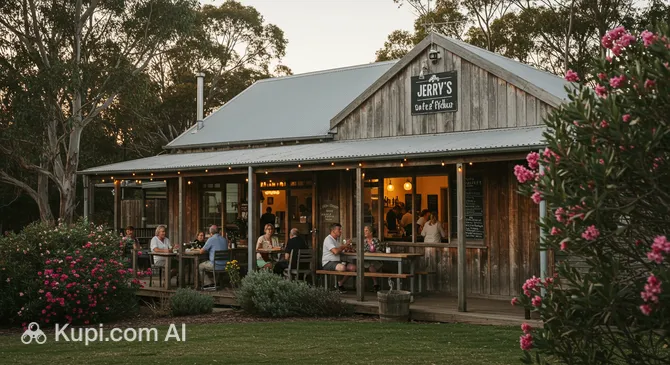
Dining culture on the Central Coast is diverse: locals and tourists alike enjoy visiting cozy restaurants as well as indulging in street food, which is especially popular in coastal zones. Farm markets have a special charm, where you can not only buy the freshest products from local producers — from homemade jams and artisan cheeses to natural honey and juicy fruits — but also experience an authentic atmosphere. If you are looking for a nice place for lunch or dinner, look out for establishments like Jerry's Kitchen Kulnura, where you can enjoy dishes made from local ingredients in a cozy setting.

Jerry's Café Kulnura. Illustration.
Source: Kupi.com AI

Traveler photos:

Among drinks in the Central Coast, excellent Australian wines from nearby vineyards and a variety of craft beers brewed at local breweries stand out. For those who prefer non-alcoholic options, there are always refreshing freshly squeezed juices made from exotic fruits, aromatic homemade lemonades, and other soft drinks popular in Australia. Throughout the year, the region hosts various culinary festivals and seafood celebrations where you can witness the skill of local chefs and taste the best dishes this hospitable land has to offer.

Travel Tips

Planning a trip to the picturesque Central Coast? Wonderful! To ensure your journey through this beautiful corner of Australia goes smoothly and leaves only pleasant impressions, we have prepared some practical tips.

  1. What to bring: The climate on the Central Coast is subtropical. In summer (December-February), you will need light clothing, swimwear, high SPF sunscreen, a hat, and sunglasses. In winter (June-August), sweaters, a light jacket, and jeans will come in handy. Layered clothing is ideal for spring and autumn. Be sure to bring comfortable shoes for walking along the numerous beaches and through national parks, as well as a Type I adapter (Australian standard) for your electrical appliances.
  2. Getting around: Public transport on the Central Coast includes buses (main operators are Busways and Red Bus Services) and NSW TrainLink trains connecting the region with Sydney and Newcastle. Ferry services are available in some areas, such as Ettalong Beach. Taxis and services like Uber or Didi also operate. However, to fully explore all the beauties of the region, we strongly recommend renting a car. Remember that driving in Australia is on the left.
  3. Money and expenses: The official currency is the Australian dollar (AUD). You can exchange currency at banks or specialized exchange offices. Credit and debit cards (Visa, Mastercard) are accepted almost everywhere. ATMs are easy to find in towns and tourist centers. An approximate daily budget for one person, excluding accommodation, can be between 100-200 AUD. Tipping in Australia is not mandatory but is always appreciated as a sign of gratitude for good service (usually 5-10%).
  4. Health and safety: Pharmacies are easy to find in the region's towns; some may be open 24/7 or have after-hours service. Medical care in Australia meets high standards; tourists are strongly advised to take out travel medical insurance. The emergency services number is 000. The Central Coast is generally a safe region. Nevertheless, take usual precautions: watch your belongings, especially on beaches, and avoid walking alone in deserted places late at night. It is extremely important to protect yourself from the sun as the UV index here is very high, and always pay attention to warning signs when swimming in the ocean.
  5. Staying connected: The official language is English, so you will have no trouble communicating. Locals often use expressions like "G'day" (Hello), "Cheers" (Thank you/You're welcome/Goodbye), and "No worries" (No problem/It's okay). You can purchase a local SIM card at the airport, supermarkets, or mobile service providers (e.g., Telstra, Optus, Vodafone). Free Wi-Fi is available in many hotels, cafes, and public libraries. Apps for navigation (Google Maps), tracking public transport (e.g., Opal Travel, TripView Lite), and weather forecasts (BOM Weather) can be very useful.
  6. Etiquette: Australians are known for their friendliness, openness, and casual communication style. Greetings are usually informal, such as "Hello" or "G'day." It is customary to shake hands when meeting someone. In public places, it is standard practice to wait in line and not litter. Locals value directness, politeness, and a good sense of humor.
  7. Tourist taboos: Never underestimate the power of the Australian sun — always use high-factor sunscreen (SPF 50+), wear a hat, and drink plenty of water to avoid dehydration and sunburn. Also, avoid swimming in the ocean at unpatrolled beaches or in places where there are warning signs about strong rip currents or dangerous marine life. Always swim between the red and yellow flags at patrolled beaches.
  8. Local highlight: The Central Coast is much more than just magnificent beaches. Be sure to set aside time to explore stunning national parks like Bouddi National Park or Brisbane Water National Park, with their scenic hiking trails, waterfalls, and breathtaking views. Also, don't miss the chance to visit local farmers' markets, where you can try the freshest Australian produce and delicacies and chat with the producers.

We hope these tips help you better prepare for your trip and enjoy every moment of your stay on the sunny and hospitable Central Coast. We wish you an unforgettable journey and vivid impressions!

Entertainment & Nightlife

Central Coast offers its guests a variety of options for evening and night leisure, albeit in a more relaxed atmosphere compared to major metropolises. You will find cozy bars, restaurants with live music, and several places to dance, especially in the popular coastal towns.

The main nightlife is concentrated in areas like Terrigal and Gosford. In Terrigal, particularly along the esplanade, there are many stylish bars and restaurants that come alive in the evenings, attracting both locals and tourists. The atmosphere is generally laid-back, with a focus on beachside relaxation. Many establishments offer outdoor terraces with ocean views. In Gosford, you can also find pubs and clubs offering entertainment late into the night, especially on weekends.

While dedicated nightclubs are not as numerous on the Central Coast as in Sydney, some bars and pubs transform into dance floors with DJs or live music on weekends. Regarding dining, for a pleasant dinner, you might consider places like Angel Sussurri Restaurant and Manor or Jerry's Kitchen Kulnura, where you can enjoy quality cuisine in a cozy environment.

Atmosphere and Practical Tips:

Most establishments on the Central Coast have a casual atmosphere, and strict dress codes are rare; smart casual is usually sufficient. The crowd is mixed, ranging from young people to families. Evening venues typically start filling up after 7:00-8:00 PM, while bars and clubs are most lively from 10:00 PM until midnight or slightly later, especially on Fridays and Saturdays. Prices in bars and restaurants are comparable to the New South Wales average.

For getting around at night, taxis or rideshare services are recommended, as public transport may have limited schedules in the late hours. Booking a table at popular restaurants, especially on weekends, is a good idea.

Safety:

The Central Coast is generally considered a safe region. However, as with everywhere else, it is best to stick to well-lit and busy streets at night, especially if you are walking alone. You can call a taxi by phone or through mobile apps.

Daytime Entertainment:

During the day, the Central Coast will also keep you entertained. In addition to magnificent beaches and surfing opportunities, the region offers picturesque national parks for walks and picnics. Families with children can visit local amusement parks and zoos. The cultural program may include visiting small art galleries, craft markets, or performances at local theater centers like the Laycock Street Community Theatre in Gosford. Museums here mostly focus on local history and maritime themes.

Parks & Museums

Central Coast is not just a picturesque Australian coastline, but a place where nature harmoniously blends with interesting cultural sites. Guests of the region can expect extensive green zones and national parks for active recreation, as well as museums and galleries introducing local history and art.

The main asset of the Central Coast is undoubtedly its magnificent beaches and coastal areas. Stretching for many kilometers, they offer ideal conditions for surfing, swimming, fishing, or simply taking leisurely walks along the ocean. Many beaches, such as the popular Avoca Beach or Terrigal, are equipped with picnic areas and playgrounds, making them a great choice for family holidays. Exploring secluded bays and rocky headlands will provide unforgettable experiences and photos.

For nature lovers and hikers, Central Coast offers several national parks, such as Bouddi National Park or Brisbane Water National Park. These parks are famous for their scenic trails passing through eucalyptus forests and along the coast, revealing breathtaking views. Here you can encounter Australian wildlife, enjoy the silence and fresh air, and learn more about Indigenous culture through preserved rock carvings.

The cultural program on the Central Coast is enriched by a visit to the Gosford Regional Gallery. This gallery is known not only for its diverse exhibitions by Australian and local artists, covering painting, sculpture, and photography, but also for its beautiful Japanese garden, where you can relax after viewing the displays. It is a great place to get acquainted with the region's contemporary art and enjoy a creative atmosphere.

For a deep dive into the region's history, it is worth visiting the Henry Kendall Cottage & Historical Museum. Located in a historic cottage where the famous Australian poet Henry Kendall once lived, the museum offers exhibitions dedicated to the colonial past, the lives of early settlers, and Kendall's own legacy. This place helps you feel the spirit of the time and learn more about the formation of the unique character of the Central Coast. Small local museums telling stories of maritime history and the development of coastal towns may also be of interest.

Among other interesting sites are historic lighthouses, which serve not only as important navigational aids but also as witnesses to the region's maritime history. Their observation decks often offer magnificent panoramic views of the ocean and coastline. Additionally, in some old towns, you can find preserved examples of early colonial architecture.

For more authentic experiences, we suggest exploring the coastal walking tracks connecting different beaches and lookouts — it's a wonderful way to enjoy the beauty of the coast at your own pace. Don't pass by local markets, where you can buy fresh farm produce, handmade items, and chat with friendly locals.

Getting Around

In the Central Coast, the main emphasis of the public transport system is on bus services, which connect various districts and townships in the region. Suburban trains from the NSW TrainLink network also play an important role, providing services both within the Central Coast itself and to major cities like Sydney and Newcastle. Ferry crossings may be available for some coastal routes, offering not just a means of transport but a chance to enjoy the views.

To pay for public transport on the Central Coast, as in the rest of New South Wales, the Opal electronic card is widely used. This is a reloadable card that must be tapped on and off at readers when entering and exiting transport. The fare is calculated based on distance. There is also an option to pay for fares using contactless bank cards or mobile devices on most services. Single-use tickets are less common for regular travel but may be available in some cases.

You can purchase or top up an Opal card at most newsagents, convenience stores, and at some railway stations. It is important to remember to tap your card against the validator (Opal reader) at the beginning and end of each trip so the system calculates the correct fare. Buses and trains usually run from early morning until late evening, though schedules can vary, especially on weekends and public holidays. To plan routes and check schedules, it is recommended to use official apps or the Transport for NSW website.

In addition to public transport, other ways of getting around are available on the Central Coast. Taxi and rideshare services (such as Uber) offer a more personalized service. Given the region's extent and the desire to explore its scenic corners, renting a car can be a convenient option, providing greater freedom of movement. For short distances and coastal strolls, bicycle rental is popular, allowing you to enjoy nature at your own pace.

A key feature of the Central Coast transport system is the integration of bus routes with the rail network, making it easier to move around the region and beyond. Although there is no metro or tram system on the Central Coast, the existing system is functional enough for the needs of tourists and locals. We recommend planning your trips in advance, especially if you are heading to more remote areas, to make your journey as comfortable as possible.

Accommodation

In the Central Coast, tourists have access to a wide range of accommodation options that can satisfy various preferences and budgets. You can find budget options such as hostels and guesthouses, as well as comfortable mid-range hotels. For those seeking more privacy and space, apartments and holiday homes are available for rent, while luxury seekers can choose exquisite resort complexes.

When choosing where to stay in the Central Coast, it is worth looking at areas located near the coastline or main attractions, which will provide easy access to beaches and entertainment. Many popular accommodation options are concentrated in resort towns like Terrigal or The Entrance, offering scenic views and a well-developed tourist infrastructure. The choice of a specific area depends on your plans: whether you are looking for lively spots with cafes and shops or prefer a quieter holiday in nature.

When planning your trip, especially during peak tourist season or holiday dates, it is recommended to book accommodation in advance. This will not only guarantee the availability of rooms in your preferred hotel or apartment but often allows you to take advantage of better offers. Early booking is particularly relevant for popular coastal areas.

The price range for accommodation in the Central Coast varies from affordable budget options to luxury deals. You can book accommodation through popular online platforms and travel aggregators, as well as directly on hotel websites or by contacting local real estate agencies if you are interested in renting apartments or houses for a longer period.

Nearby Cities

For those who want to explore the surroundings, the Central Coast serves as an excellent starting point for day trips to several interesting nearby locations:

Among them is Sydney, Australia's largest city, beckoning with world-famous attractions such as the Opera House and the Harbour Bridge. Equally interesting is Newcastle, the second-largest city in New South Wales, known for its beautiful beaches and rich history. For a shorter trip, Gosford, the administrative center of the Central Coast region, is ideal, offering scenic views and opportunities for water recreation in Brisbane Water.

CityPopulationDistance
Gosford176 06025 km
Cessnock15 17746 km
Mount Gordon58 km
Newcastle152 98463 km
Quakers Hill27 08063 km

These nearby destinations provide a glimpse into the diverse culture and landscapes of this region of Australia. Each trip promises new discoveries, whether it's the bustling streets of a big city or the tranquility of coastal landscapes.

Shopping & Souvenirs

Shopping on the Central Coast offers a pleasant combination of modern shopping centers, cozy boutiques, and colorful local markets. This region is not so much famous for exclusive brands as for the opportunity to find unique local products, fresh produce, and everything needed for a beach holiday. Here you can enjoy a relaxed shopping atmosphere characteristic of Australian coastal towns.

The main shopping hubs on the Central Coast are the districts of Gosford and Erina. In Gosford, the region's administrative center, you will find a variety of shops, from department stores to specialized boutiques. Erina is known for one of the largest shopping complexes in the region, offering a wide choice of goods and services.

When it comes to large shopping centers, Erina Fair is a must-mention. This is one of the biggest malls on the Central Coast, featuring well-known Australian and international clothing brands, electronics, home goods, and many cafes and restaurants. Another popular shopping center is Westfield Tuggerah, which also offers a wide range of shops and entertainment for the whole family.

Local markets add a special charm to shopping on the Central Coast. Avoca Beachside Markets are very popular, where you can find handmade goods, vintage clothing, jewelry, and organic products. It is also worth visiting the Gosford City Farmers Market, which offers fresh farm produce, and various seasonal markets in other coastal towns where local artisans display their wares.

For souvenirs from the Central Coast, you can bring back works by local artists and craftspeople, such as ceramics, paintings of seascapes, or handmade jewelry. Products related to beach culture are also popular: high-quality Australian sunscreens, stylish beachwear, and accessories. Don't forget about Australian delicacies like local honey, exotic fruit jams, or macadamia nut products.

Shops on the Central Coast usually operate from 9:00-10:00 AM to 5:00-5:30 PM, Monday to Friday. On Saturdays, most shops are open until 4:00-5:00 PM, and on Sundays until 4:00 PM. Large shopping centers often have extended hours, especially on Thursdays (until 9:00 PM). Credit and debit cards are widely accepted everywhere, and cash can also be used.

Tourists shopping in Australia can take advantage of the Goods and Services Tax (GST) refund system, known as the Tourist Refund Scheme (TRS). To do this, you must make a purchase of AUD 300 or more (including GST) in one store within 60 days of departure, have the original tax invoice with you, and the goods themselves for presentation at the airport when leaving the country.

Reached the end of the page?

That means the route is fully explored