Support

Young

About

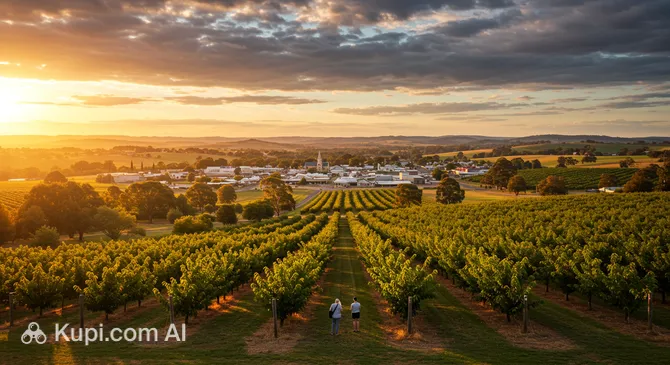
Young is a charming and cozy town located in the picturesque region of New South Wales. This place is often called the "cherry capital," and for good reason: this is where Australia reveals its agricultural riches in all their glory. The town is famous for its endless orchards, fertile lands, and a special atmosphere of hospitality that attracts travelers looking for peace and harmony with nature.

Young. Illustration.
Source: Kupi.com AI

Located approximately 370 kilometers southwest of Sydney, Young serves as an important hub for the surrounding farming communities. With a population of just over 10,000 people, it retains a spirit of provincial comfort, where life flows at a steady pace without the hustle and bustle. The picturesque hills surrounding the town create magnificent landscapes that change their colors depending on the time of year.

A walk through the streets of Young will offer aesthetic pleasure to architecture lovers. Many old Victorian-style buildings have been preserved here, holding the town's rich historical heritage. Besides architectural beauty and well-kept parks, tourists are attracted by the unique opportunity to pick fresh cherries themselves during the season and visit vibrant local festivals dedicated to the gifts of nature.

This town is an ideal stop for those who want to take a break from the noise of megacities and immerse themselves in the authentic life of the region. Fresh air, gastronomic discoveries, and the sincere friendliness of the locals make a trip to Young an unforgettable experience for any tourist.

Weather Overview

The climate in Young is moderate and comfortable for travel, with clearly defined seasons. Summer is usually warm, and sometimes hot: in January, the warmest month, the average temperature is about 24.5°C, with daytime maximums often reaching 30.7°C. This is a great time for walking through fruit orchards and outdoor relaxation.

With the arrival of winter, the town dips into the coolness. In July, the average temperature drops to 8.1°C, and nights become quite cold — around 3.8°C, so tourists should take care to have warm clothing. To choose the best dates for your trip and not depend on the whims of nature, we recommend checking in advance what the weather in Young will be during your visit.

Precipitation falls fairly regularly throughout the year but is not heavy. Expect a warm, sunny summer and a cool winter, accompanied by a moderate number of rainy days (averaging 6 to 10 days per month).

Average monthly temperature

Average monthly precipitation

Interesting Facts

Besides its status as an agricultural hub, Young hides surprising events and personalities in its history that have made it famous far beyond the region. Here are a few facts that will help you look at this town from a new perspective:

  • A Golden Past and the Heritage of Lambing Flat. The history of Young is inextricably linked to the 19th-century gold rush. The town grew on the site of the Lambing Flat camp, where intense passions once flared in the pursuit of the precious metal. In memory of those times and the significant contribution of Chinese prospectors to the region's development, the picturesque Chinese Tribute Garden was created here, becoming an important cultural landmark.

  • Eccentric Traditions of the "Cherry Capital." Young officially holds the title of the cherry capital of Australia, and the locals embrace this with particular enthusiasm. During the annual Cherry Festival, unusual competitions take place here: guests compete not only in speed-eating the berries but also in cherry-pit spitting for distance — a pastime that has become a true trademark of the town.

  • A Farmer Ahead of His Time. The town is known as the birthplace of Cliff Young — a legendary ultra-marathoner. At the age of 61, this simple farmer became a national hero by winning the grueling 875-kilometer Sydney-to-Melbourne race. His victory and unique running style inspired thousands of people, proving that human endurance knows no bounds.

How to Get There

Young is located in the beautiful countryside of New South Wales, so traveling here often involves a combination of air travel and ground transport. Since the town itself doesn't have its own air hub, tourists usually fly into nearby regional centers or the national capital. We recommend planning your route in advance and finding out more about how to get to Young to choose the most convenient transfer option.

One of the most popular options is Canberra Airport (IATA: CBR). This is a major air hub that handles many flights. It's important to keep in mind that it's located in the city of Canberra, about 137 km away, not in Young itself. The drive by taxi or rental car will take about 1 hour 50 minutes to 2 hours, allowing you to enjoy the views of the Australian nature along the way.

Another convenient alternative could be Wagga Wagga Airport (IATA: WGA). It's located in the city of Wagga Wagga, about 121 km from your destination. This is a regional airport with moderate passenger traffic, which is convenient for connecting flights. Travel time to Young by car will be approximately 1 hour 40 minutes.

You can also consider flying through Orange Airport (IATA: OAG), located in the city of Orange. The distance to Young is about 129 km, and the car trip will take around 1 hour 45 minutes.

For clarity, here is a summary of the main airports:

AirportPassenger trafficDistance
Wagga Wagga Airport225 000121 km
Orange Airport95 490129 km
Parkes Airport28 668131 km
Canberra Airport2.8 mln137 km
Raglan Airport26 815161 km

Regarding rail connections, the passenger station in the town of Young does not currently function as a major tourist hub. Travelers often take the train to larger neighboring stations (for example, in the town of Cootamundra, located about 50 km away) and complete the rest of the journey by regional buses. Traveling by car remains the most flexible and fastest way to reach the "cherry capital," providing freedom of movement around the region.

Main Attractions

The attractions of Young reflect its rich gold rush history and status as a thriving agricultural center. Although the town is small, there are several iconic places that allow you to combine cultural relaxation with enjoying nature. A walk through these locations will provide a complete picture of the character of the "cherry capital."

One of the most picturesque and important locations is the Chinese Tribute Garden, located near the historic Chinaman's Dam, just a few kilometers from the center. This place was created as a sign of reconciliation and respect for the Chinese community, which made an enormous contribution to the region's development in the 19th century. Visitors will find peaceful landscapes, traditional architectural elements, and well-kept paths here, perfect for quiet relaxation and picnics by the water.

History buffs should definitely visit the Lambing Flat Folk Museum. Housed in a former school building, the museum's exhibition holds thousands of unique artifacts. The crown jewel of the collection is the original "Roll Up" banner, associated with the infamous 1861 riots on the goldfields. A visit here is an excellent opportunity to see the everyday items used by prospectors and learn how the town's modern appearance was shaped.

Since Young is the heart of the Hilltops wine region, a trip would be incomplete without getting to know the local Hilltops Region Wineries. The town's surroundings are famous for their cool-climate wines, especially Cabernet Sauvignon and Shiraz varieties. Many family-run estates are open to visitors, offering tastings and tours that allow you to appreciate the high quality of local products against a backdrop of picturesque vineyards.

The town's Visitor Information Centre also deserves attention, near which the famous "Big Cherries" installation is set up. This is a popular spot for souvenir photos, symbolizing the town's agricultural status. Here, travelers can also find up-to-date information on which orchards are open for pick-your-own fruit and purchase local souvenirs.

Local Cuisine

Young's culinary scene is inextricably linked to its agricultural status and its fame as the "cherry capital." A "paddock to plate" philosophy reigns here, and the main gastronomic symbol is, of course, the cherry. During the harvest season, local establishments offer an incredible variety of dishes featuring this berry: from fresh desserts and homemade jams to exquisite sauces for meat. Special attention should be given to the famous cherry pies, the taste of which is considered the gold standard in the region and attracts those with a sweet tooth from all around.

Traveling through Young, it's impossible to pass by traditional Australian baked goods. Cozy family bakeries and cafes entice with the aromas of hearty meat pies, which are perfect for a quick but delicious lunch. For dessert, be sure to order lamingtons — delicate sponge cakes covered in chocolate icing and generously rolled in desiccated coconut. This classic treat is prepared here with special love, often following old family recipes.

Drink enthusiasts will also find much to enjoy here. Since the town is surrounded by fertile lands, Hilltops region products are widely featured in restaurants. Real local exotic items are beverages based on the town's main fruit: tourists are recommended to taste thick cherry liqueurs and fragrant infusions. Local pubs have a relaxed atmosphere where you can refresh yourself with a glass of craft cider made from apples or pears grown in neighboring orchards, as well as appreciate regional varieties of Australian beer.

The food culture in the town is centered around farmers' markets and seasonal celebrations. Young's markets are a true adventure for foodies, where you can buy the freshest honey, nuts, farm cheeses, and seasonal fruits: from spring strawberries and peaches to autumn apples. The pinnacle of gastronomic life is the Cherry Festival, during which street food turns into art, and guests can not only try exclusive treats but also participate in culinary masterclasses.

Travel Tips

A trip to the "cherry capital" of Australia promises to be peaceful and delicious, but it's worth preparing for a trip to the countryside in advance. To ensure your holiday in Young goes perfectly and leaves only pleasant memories, we have gathered several important practical recommendations to help you feel confident in any situation.

  1. Clothing and Footwear. The climate here is contrasting: in summer (December–February), you will need light natural fabrics and definitely a hat, as the sun is very strong. In winter, nights can be cold, so a warm jacket or fleece is necessary. For orchard visits and cherry picking, choose comfortable closed-toe shoes with flat soles that you don't mind getting dirty with soil or grass.

  2. Transport. Young is a small town, and public transport is poorly developed, focused mainly on students and locals. The optimal option for a tourist is car rental. This will give you the freedom to move between wineries, remote farms, and natural parks. Taxi services exist, but the wait can be long, and popular ride-hailing apps work inconsistently.

  3. Finances. The official currency is the Australian dollar. In supermarkets, hotels, and town restaurants, cards are accepted without any issues. However, if you plan to buy fresh fruit from roadside stalls or visit small family shops, always have cash on hand, preferably in small denominations. Tipping in Australia is not mandatory but is appreciated for good service.

  4. Health and Safety. Young is a peaceful and safe place. The main threat to an unprepared tourist is nature: the strong sun (always use SPF 50+ sunscreen) and fauna. When walking through high grass in the surroundings, watch your step to avoid disturbing snakes. Keep in mind that pharmacies usually close early (around 5:30 PM) and may not be open on Sundays, so it's best to pack a personal first-aid kit at home.

  5. Communication and Internet. In the town center and hotels, there are no issues with Wi-Fi. However, in rural areas (in vineyards and orchards), the signal may be weak. For traveling around the region, a SIM card from Telstra is best, as they have the widest coverage in remote areas. The main language of communication is English, but be prepared for specific Australian slang and the fast speaking pace of locals.

  6. Local Etiquette. In the Australian outback, people are very open and friendly. It is customary here to say hello to drivers, shop assistants, and even just passers-by on the street. If you are on private farm property, strictly follow the owners' rules: do not enter restricted areas and do not pick fruit without permission, even if it seems like no one is watching.

  7. What to Avoid. Be extremely careful on the roads at dusk and dawn. This is when kangaroos and wombats are most active and can suddenly jump onto the roadway, which often causes accidents in rural areas. Also, never light fires during the fire-danger season — this carries huge fines.

  8. Seasonal Lifehack. If you plan to visit the famous National Cherry Festival in early December, book your accommodation at least 3–4 months in advance. During these days, the town's population practically doubles, and finding a free room at the last minute is impossible, even in neighboring villages.

Young is a place where you can slow down and enjoy the simple joys of life away from the hustle of megacities. By following these simple tips, you can avoid everyday inconveniences and fully devote yourself to tasting local wines, picking juicy berries, and relaxing among the picturesque hills of New South Wales.

Entertainment & Nightlife

Entertainment:

Entertainment in Young differs from the usual rhythm of noisy resorts. You won't find the neon signs of nightclubs here, but you can immerse yourself in the atmosphere of authentic Australian celebrations and agritourism. Leisure in the "cherry capital" is focused on connecting with nature, gastronomic discoveries, and participating in vibrant town events that bring together locals and visitors to the region.

The main event in the town's calendar is, without a doubt, the National Cherry Festival. It traditionally takes place in early December, when summer arrives in the Southern Hemisphere. During these days, the town is transformed: streets are filled with music, colorful parades take place, craft fairs are held, and the celebration concludes with a grand fireworks display. This is a great opportunity to see how Australia celebrates in its heartland and take part in fun competitions.

Culture lovers should visit the Lambing Flat Chinese Festival. This colorful event dedicated to the region's historical heritage is usually held in March, which is early Australian autumn. The festival's evening program is mesmerizing: hundreds of Chinese lanterns light up the park, traditional lion and dragon dances take place, and the cool autumn air is filled with the aromas of Asian cuisine from the night markets.

During the fruit ripening season (from November to January), the most popular activity is visiting the orchards. Many farms offer a "pick-your-own" format. This is an engaging summer activity for the whole family, allowing you not only to pick a basket of premium cherries straight from the tree but also to set up a picnic in the shade of fruit groves, enjoying the peace and fresh air.

Evening life in Young is quiet and cozy. The center of attraction for film enthusiasts is the Southern Cross Cinema — a modern cinema that shows world premieres and hosts cultural events. Those who prefer social interaction should stop by one of the town's historic pubs. Live music is often played here, and the relaxed atmosphere is perfect for tasting local wines and engaging in leisurely conversations.

Parks & Museums

The town of Young offers travelers a harmonious combination of well-kept green spaces and educational cultural venues, allowing for a deeper understanding of this region's soul. Here, you can easily alternate walks in the fresh air with an immersion into the turbulent history of the gold rush and an introduction to the work of local artisans.

Among the natural areas, the Chinese Tribute Garden deserves special attention. It is not just a park but a landscape monument located near a picturesque dam. Here, tourists can stroll along winding paths among traditional Chinese plants and eucalyptus trees, enjoying the peace by the water. It is an ideal spot for a picnic: equipped barbecue areas and a calm atmosphere make it a favorite holiday destination for both locals and town guests.

Right in the town center is Carrington Park, which serves as the green heart of Young. This is a classic city park with well-manicured lawns, shady trees, and a historic rotunda where concerts and community events are often held. For travelers with children, there are playgrounds, and its proximity to cafes makes the park a great spot for a break while walking through the town.

The main keeper of historical memory is the Lambing Flat Folk Museum. Located in a former school building built in 1883, it offers an extensive exhibition dedicated to the gold rush era. Besides the famous "Roll Up" banner, you can see thousands of everyday objects, photographs, and documents that tell the story of how the first settlers and prospectors lived in this region.

Art connoisseurs should visit the Burrangong Art Gallery, located in the Visitor Centre building. The gallery specializes in works by artists and craftspeople from the Hilltops region. The exhibition is updated regularly, offering visitors everything from painting and ceramics to textiles and sculpture. This is a great place to see the world through the eyes of local creators and perhaps purchase a unique souvenir.

For those seeking seclusion and beautiful views, locals recommend visiting the Young Arboretum. This is a lesser-known but charming green area where various types of trees and shrubs are planted. A walk here is especially good at sunset, when soft light floods the surrounding hills, creating ideal conditions for landscape photography.

Getting Around

The public transport system in Young is simple and concise, which is typical for small regional towns. You won't find a metro, trams, or trolleybuses here. The infrastructure is primarily oriented toward private cars, so there isn't the dense public transport traffic familiar to residents of megacities.

Bus services exist within the town, but they are more social in nature. Routes and schedules are often tailored to the needs of students and the elderly, running at long intervals and finishing quite early. The main operator in the region is the state-owned NSW TrainLink network, whose comfortable buses connect the town with the railway stations of neighboring settlements. This is a great option for arriving in town, but not for moving between attractions.

The fare payment system here differs from that of the capital. The smart transport cards (Opal) familiar in large cities may not work on local inner-city lines. For regional bus trips, tickets must be booked and paid for in advance online. If you manage to use a local bus, be prepared to pay the fare in cash to the driver — it's best to have small bills and coins, as change might not be available.

The most popular alternative to public transport is taxi services. Local taxi companies operate reliably, but unlike in big cities, it's not common to "hail" a car on the street. It is recommended to save the numbers of local dispatch services and book a trip by phone in advance, especially if you're planning dinner at a restaurant. Popular ridesharing and carsharing apps are practically non-existent or work very inconsistently due to a lack of drivers.

To fully experience the region, tourists are strongly encouraged to rent a car. Since the main "magnets" for travelers — cherry orchards, wineries, and picturesque hills — are located outside the town limits, personal transport will provide you with the necessary freedom of movement. The historic town center itself is very compact: it's easy and pleasant to explore on foot, moving between museums, cafes, and parks without the need for transport.

Accommodation

Accommodation in the town of Young fully aligns with the spirit of the Australian outback: you won't find massive chain skyscrapers or ultra-luxury resorts here, but you will encounter sincere hospitality and coziness. The mainstay of the housing stock consists of classic motels, historic pub-hotels, and guest houses. For those who want to be closer to nature, campgrounds and comfortable cottages in tourist parks are available, along with the unique opportunity to stay on working farms.

When choosing an area, you should focus on the purpose of your visit. Most travelers prefer to stay in the town center, within walking distance of the main street, Boorowa Street. This is convenient due to its proximity to supermarkets, cafes, and historic buildings. If you are traveling by car and seeking peace, consider options on the outskirts or in the immediate surroundings. Staying among the vineyards and orchards of the Hilltops region will give you unforgettable sunrises and complete seclusion.

A crucial booking tip concerns the high season. Since Young is the "cherry capital," the harvest period (November–December) attracts thousands of tourists. If your trip coincides with the annual National Cherry Festival in early December, you must look for accommodation 3–6 months in advance. During this time, available rooms disappear instantly, not just in Young itself but also in neighboring towns.

The price range in the town can be described as affordable and moderate. Most options fall into the budget and mid-range segments. Booking is available through popular international online platforms, but many small motels and family-run guest houses welcome direct booking by phone or through their own websites, which can sometimes result in a better price.

Nearby Cities

For those who want to explore the surroundings, Young serves as an excellent starting point for day trips to several interesting nearby places. Its convenient location in the Hilltops region allows tourists to reach significant cultural centers and natural attractions of New South Wales within a couple of hours.

One of the most popular destinations is Canberra, the nation's capital. A trip here will offer the opportunity to visit major national museums and galleries, see modern architecture, and walk along the famous Lake Burley Griffin. It is an ideal choice for those who want to combine relaxation with cultural enrichment and learn more about the continent's history.

For lovers of gastronomy and picturesque landscapes, Orange is a wonderful choice. This city is famous for its cool-climate wines and fine dining. Besides tastings, you can climb Mount Canobolas here — an ancient extinct volcano offering a breathtaking panorama of the surroundings — or walk through beautiful botanical gardens.

Also worth noting is Wagga Wagga — the largest inland city in the state, located on the banks of the Murrumbidgee River. It attracts tourists with its extensive parks, an excellent regional art gallery, and a unique city beach, which is considered one of the best river beaches in the country.

CityPopulationDistance
Cootamundra6 50044 km
Grenfell1 30048 km
Cowra10 06364 km
Temora4 39972 km
Forbes8 432106 km

These nearby destinations provide a glimpse into the diverse culture and landscapes of the region.

Shopping & Souvenirs

Shopping in Young isn't about chasing global brands in massive shopping complexes; it's more of a cozy and soulful pastime. As befits a small agricultural town, trade here is focused on supporting local producers and family businesses. Travelers will find charming boutiques, home goods stores, and, of course, an abundance of the freshest farm produce that this fertile region is famous for.

The heart of the town's trade is the main street — Boorowa Street. This is where most of Young's shops are concentrated. Walking along this street provides aesthetic pleasure: many shops are located in restored historic buildings with beautiful facades. Here you can find high-quality country-style clothing, jewelry, books, and unique decor items that will serve as a great reminder of your trip to the Australian outback.

There are no giant multi-story malls typical of megacities. The roles of the main shopping venues are played by small arcades and standalone major chain stores. To buy everyday goods, mass-market clothing, or electronics, tourists usually visit the Big W department store or Woolworths and IGA supermarkets located in the center. They provide everything necessary, from picnic supplies to chargers forgotten at home.

The true spirit of the "cherry capital" is revealed at the local markets. The most popular is the Young & Region Farmers Market, which is usually held in Anderson Park on the first and third Saturday of the month. This is a place where you can buy goods directly from producers: seasonal fruits and vegetables, homemade baked goods, olive oil, honey, and handmade crafts. The atmosphere here is always friendly and festive.

When choosing souvenirs, it's impossible to ignore the region's gastronomic symbols. You should definitely bring back from Young:

  • Cherry delicacies: jams, sauces, chutneys, and even cherry wine. In season (November–December), the best gift is a box of freshly picked cherries.
  • Hilltops region wines: a bottle of local Shiraz or Cabernet Sauvignon makes an excellent gift for connoisseurs.
  • Wool products: given the history of "Lambing Flat," you can find high-quality knitwear and accessories made from Australian wool.

Shops in Young operate on a schedule traditional for rural areas. On weekdays, doors are generally open from 9:00 AM to 5:00 PM or 5:30 PM. It's important to remember that on Saturdays, many boutiques close as early as after lunch (around 12:30 PM or 1:00 PM), and on Sundays, only major supermarkets and some souvenir shops are open. Plan your shopping for the morning to avoid finding closed doors.

Regarding payment, bank cards are accepted almost everywhere, including small cafes. However, for visiting farmers' markets or buying fruit at roadside stalls, it is highly recommended to have cash on hand. If you make large purchases (from 300 AUD on a single receipt), Australia offers tourists the opportunity to claim a Goods and Services Tax (GST) refund when leaving the country through the TRS (Tourist Refund Scheme), although reaching such an amount in one shop in a small town can be challenging.
Reached the end of the page?

That means the route is fully explored