Support

Tumut

About

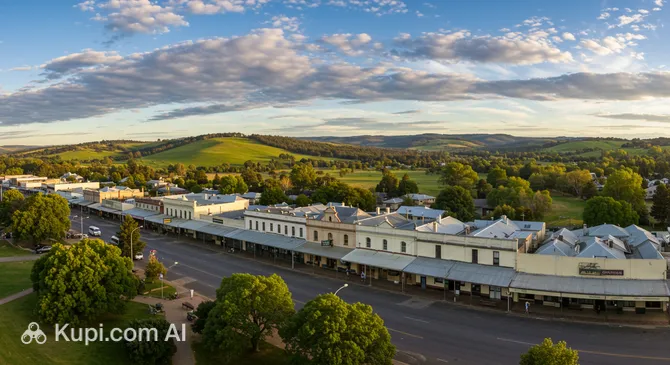
Tumut is a charming and cozy town tucked away at the foot of the majestic Snowy Mountains in New South Wales. Nestled in a picturesque valley, it serves as the perfect starting point for exploring the unique alpine landscapes that Australia is so famous for. Here, amidst dense eucalyptus forests and rushing rivers, an atmosphere of peace and harmony with nature prevails.

Tumut. Illustration.
Source: Kupi.com AI

Despite its modest size and a population of just over 6,000 people, the town plays an important role as the "gateway" to Kosciuszko National Park — the continent's highest mountain range. A highlight of the region is its distinct change of seasons: in spring, the valleys are carpeted in flowers, and in autumn, tourists flock here to witness the stunning golden fall colors. Tumut's rich history is harmoniously interwoven with the beauty of the surrounding landscapes, creating the unique character of the Australian high country.

Travelers are drawn here not only by the panoramic views but also by the many opportunities for outdoor activities. Be sure to visit the famous Yarrangobilly Caves, where you can swim in a natural thermal pool, or head out for some fishing in crystal-clear lakes. Tumut is the ideal place to disconnect from the city bustle, breathe in the fresh mountain air, and enjoy genuine local hospitality.

Weather Overview

The climate in Tumut is moderate, with a distinct change of seasons, allowing for a variety of leisure activities throughout the year. Summer (from December to February) is warm and pleasant: the average temperature in January is about 22.5°C, and during the day, the air often warms up to 28.7°C. This is a wonderful time for outdoor walks, as the number of rainy days is low.

With the arrival of winter (June–August), the town feels the breath of the nearby mountains. The average temperature in July drops to 6.2°C, and nights become truly cold, with minimums around 1.8°C. In the winter months, precipitation is more frequent — up to 11–12 rainy days — so a warm jacket is a mandatory wardrobe item. Spring and autumn offer a "golden middle" with comfortable temperatures ranging from 9°C to 18°C.

To choose the best dates for your trip, we recommend checking what kind of weather in Tumut is expected in advance. In general, expect a warm, sunny summer and a cool, fresh winter with a higher chance of rain.

Average monthly temperature

Average monthly precipitation

Interesting Facts

Beyond its main attractions, Tumut holds many fascinating secrets and unique features that reveal themselves only to the most curious travelers. This cozy corner wonderfully combines natural phenomena, engineering marvels, and a rich historical heritage.
  • An Oasis of "Golden" Autumn. While much of the continent is covered in evergreen eucalyptus, Tumut is famous for its Festival of the Falling Leaf. It is one of the few places in Australia where you can witness a classic change of seasons: local parks and avenues transform into a fiery red and gold natural theater, attracting photographers from all over the country.

  • Underground Treasures and Thermal Baths. The nearby Yarrangobilly Caves are more than just a geological wonder with giant stalactites and mineral formations. This site hides a unique natural thermal pool where the water remains warm year-round, and the caves themselves serve as home to rare species of bats.

  • A Center of Engineering Pride. Local residents are rightfully proud of their connection to the massive Snowy Mountains Scheme hydroelectric project. This grandiose construction not only changed the face of the region but also became a true symbol of engineering excellence and national unity.

  • Gold Prospector Heritage. Although the town looks quiet and steady today, its history dates back to the 19th century during the peak of the gold rush. Walking through the center, you can spot old buildings that still hold the atmosphere of adventure from the first European settlers who arrived here in search of gold and new lands.

How to Get There

A journey to this picturesque corner of New South Wales is an opportunity to enjoy the beauty of Australian roads and landscapes. While the town itself does not have a major transport hub, getting here is quite simple by combining a flight and ground transport. You can find out all the ways to get to the town on our detailed page, but below we will look at the main options.

Since there is no airport in Tumut itself, travelers usually fly into neighboring cities. The nearest major hub is Canberra Airport (CBR), located in the nation's capital, Canberra. It is approximately 87.7 km from Tumut. This is an international airport with high passenger traffic, receiving many flights. A trip from there by rental car or bus will take about 2–2.5 hours, as the road passes through mountainous terrain.

Another convenient option is Wagga Wagga Airport (WGA). It is located in the city of Wagga Wagga, just 71.5 km from Tumut. This is a regional airport, but it serves enough flights for comfortable trip planning. The drive from here takes about 1 hour and 15 minutes. You can also consider flying via Albury Airport (ABX) if you are traveling from the south, though the distance will be over 140 km.

For convenience, here is a summary of the main airports in the region:

AirportPassenger trafficDistance
Wagga Wagga Airport225 00071 km
Canberra Airport2.8 mln88 km
Snowy Mountains Airport25 000128 km
Albury Airport300 000143 km
Narrandera10 608171 km

Regarding rail connections, there is no station in Tumut itself. Tourists who prefer trains usually travel to the station in Cootamundra or Wagga Wagga, which are on the main rail line between Sydney and Melbourne. Regular coach services are available from these stations directly to Tumut. Many also prefer to arrive by car via the scenic Snowy Mountains Highway, which is an attraction in its own right.

Main Attractions

Tumut is not only about picturesque landscapes but also a place rich in unique attractions that allow you to touch the region's history and enjoy the power of nature. The town and its surroundings offer tourists a variety of locations, from engineering marvels to natural phenomena.

Yarrangobilly Caves. Located in the northern part of Kosciuszko National Park, these limestone caves are considered among the most beautiful in Australia. The complex includes several accessible chambers with stalactites and stalagmites in fanciful shapes. A particular favorite is the outdoor natural thermal pool, where the water stays at a constant +27°C year-round. It is the perfect spot to relax after a walk through the underground labyrinths.

Blowering Dam. This impressive engineering feat is located just a few minutes' drive from town. The massive reservoir formed by the dam is a popular spot for water sports, fishing, and picnics. Tourists are attracted by the scale of the construction and the breathtaking views of the water surrounded by forested hills. This is where the world water speed record was set in 1978, adding historical significance to the site.

Tumut Broom Factory. A fascinating historical site that has been operating since 1946. It is the last original millet broom factory in Australia. Visitors can watch the manual production process using techniques that haven't changed in decades. This atmospheric place allows you to literally step back in time and purchase a unique handmade souvenir.

Tumut River Walk. For those who prefer a more relaxed pace, scenic walking trails run along the riverbank. The route passes through town parks and the Tumut Wetlands, where you can observe a variety of birds in their natural habitat. It is a great way to enjoy the silence, fresh air, and beauty of the local flora without venturing far from the town center.

Local Cuisine

The gastronomic palette of Tumut is a true reflection of the Australian country, where freshness and natural ingredients are paramount. Thanks to the region's fertile lands and the proximity of farming estates, local establishments offer menus rich in seasonal vegetables, succulent fruits, and high-quality meats. Tender lamb and beef, raised on the green pastures of New South Wales, are particularly prized here.

However, the town's true culinary signature is its river fish, most notably trout. The pristine waters of the Tumut River and surrounding lakes provide ideal conditions for it. Local restaurants will offer you trout in many forms: from delicate grilled fillets with aromatic herbs to smoked fish prepared according to traditional recipes. For those who prefer the outdoors, a picnic on the shores of Lake Talbingo has become a popular activity: here you can cook fresh fish purchased directly from farmers.

The food culture in Tumut is closely intertwined with Australian classics. You should definitely try the famous meat pies, hearty stews, and homemade sausages served in cozy cafes and pubs. Those with a sweet tooth will enjoy desserts featuring local apples, pears, and nuts, especially in the autumn when the new harvest is collected.

Weekend markets in the town center create a special atmosphere where locals and tourists can taste and buy artisan cheeses, thick honey, jams, and fresh pastries. In autumn, the town's gastronomic life reaches its peak during the Festival of the Falling Leaf: it is the best time to enjoy freshly squeezed juices and, of course, excellent local cider, which is one of the region's primary drinks.

Travel Tips

Tumut is an incredibly welcoming town, but like any trip to the Australian country, there are nuances that are better to know in advance. To ensure your trip to the foot of the Snowy Mountains is flawless and leaves only pleasant memories, we've gathered several proven recommendations.

  1. Dress in layers. The weather in the region can be unpredictable, especially in spring and autumn. Even if it's warm during the day, evenings in the valley can be chilly. Be sure to bring comfortable trekking shoes for walks in national parks and a warm fleece jacket. If you plan to visit Yarrangobilly Caves, bring a swimsuit for the thermal pool and a towel.

  2. Rely on a car. Public transport within the town is limited and not suitable for tourists. To reach the dam, caves, or lookouts, you will definitely need a car. Renting a car is the best choice. Keep in mind that driving is on the left side of the road.

  3. Cash for local flavor. The official currency is the Australian Dollar (AUD). While cards are accepted in supermarkets and most cafes, cash will be handy when visiting the famous farmers' markets or small roadside stalls selling fresh fruit. ATMs are located on the town's main street.

  4. Road safety. This is a critical tip for this region: avoid driving at dawn and dusk. This is when kangaroos, wombats, and emus are most active and often hop onto the road. A collision with them is dangerous for both the animals and passengers.

  5. Sun and nature protection. The sun in these latitudes is extremely strong. Always use a high SPF sunscreen (50+) and wear a hat, even if it's cloudy. Also, when walking through long grass, watch your step and wear closed shoes — snakes may be encountered in the bush during the summer months.

  6. Communication and Language. The primary language is English. Locals speak with a characteristic accent and often use slang (for example, "G'day" instead of "Hello"). Mobile reception is good within the town itself, but the signal often drops out in the mountains and national parks. Download offline maps in advance.

  7. Local etiquette. The atmosphere in Tumut is relaxed and friendly. It is customary to greet bus drivers and shopkeepers. Tipping is not mandatory as in the US, but rounding up the bill or leaving a small amount for excellent service is always appreciated.

  8. Fire safety. In the summer months (December–February), the region often has an increased fire danger rating. Watch carefully for "Total Fire Ban" signs along the roads. On such days, it is strictly forbidden to light fires or use open flames outdoors.

Following these simple rules will help you feel confident and safe. Tumut is a place where simplicity, nature, and genuine interaction are valued, so come with an open heart, and this region will reciprocate!

Entertainment & Nightlife

Nightlife in Tumut isn't about noisy metropolitan clubs with neon signs, but rather the cozy atmosphere of the Australian country, where evenings are spent in heartfelt conversation and tasting local drinks. The town settles down fairly early, so the main activity centers around a few key establishments where locals and tourists gather to unwind after an active day in the mountains. The epicenter of evening activity is the main street — Wynyard Street — and its adjacent blocks.

One of the most popular places that is a must-visit is Tumut River Brewing Co. It’s not just a brewery but the true heart of the town's modern social life. Here, you'll be offered over 20 types of craft beer brewed right on-site, excellent pizza, and often live music performed by local bands. The atmosphere is casual and friendly, making it ideal for large groups.

Fans of classic Australian pubs should check out The Royal Hotel or The Oriental Hotel. These historic buildings with wide verandas preserve the spirit of old Australia. Here you can play a game of pool, watch sports broadcasts, and enjoy a hearty "pub grub" dinner. The crowd in such places is diverse, ranging from farmers to travelers, and the dress code is completely relaxed — jeans and a t-shirt are perfectly appropriate.

When planning your evening, keep in mind an important feature of local life: kitchens in most venues close quite early, usually around 8:00–8:30 PM. The bars themselves may stay open until midnight or a bit later on Friday and Saturday, but on weekdays, the town quiets down faster. Prices in Tumut are moderate: a pint of beer or a glass of wine will cost less than in Sydney or Canberra.

In terms of safety, Tumut is a very peaceful town. Night walks in the center pose no threat, though streets may be dimly lit as you move away from Wynyard Street. Public transport does not run at night, so if you stay late at the pub, it's best to use the services of the local taxi (Tumut Taxi Service). There aren't many cars, so it makes sense to arrange a ride in advance or ask the bartender to call one for you.

Beyond bars, the town's cultural life offers more tranquil entertainment. During the day and early evening, you can visit the unique Montreal Community Theatre — a fully operational 1920s-style cinema and theater. It is an architectural gem of Tumut, where you can watch the latest films or catch a local production in Art Deco interiors. Local museums telling the stories of the gold rush and the lives of early settlers are also of interest and can diversify your leisure time during daylight hours.

Parks & Museums

Tumut rightfully prides itself on its status as a "garden town," where natural beauty harmoniously sits alongside a rich cultural heritage. For tourists, this means the opportunity to alternate walks through scenic avenues with immersion into the region's history by visiting local museums and architectural landmarks.

Stockwell Gardens. Located near the town center, this park is a true gem of landscape design. It is famous for its collection of exotic and native trees, which provide thick shade in summer and put on an incredible color show in autumn. Winding paths, well-kept flower beds, and picnic areas make it an ideal place for a quiet retreat. Town events are often held here, and it is the best location for photo sessions against the backdrop of golden leaves.

Tumut Wetlands. If you want to see wildlife without leaving the town limits, head here. This is a protected area of about 20 hectares with a system of lagoons and reed beds. Developed walking trails allow you to observe many bird species in their natural habitat. It is a place of peace and tranquility where Australia reveals its most natural side — you might even spot platypuses here if you're lucky.

Tumut & District Historical Society Museum. To understand how the town lived in past centuries, it's worth visiting this museum. The exhibition covers a wide range of topics: from the lives of Indigenous peoples and the first European settlers to the history of gold mining and logging. Special attention is given to the famous Australian author Miles Franklin, whose life was closely tied to this region. It houses old photographs, tools, and household items that recreate the atmosphere of bygone eras.

5Ways Art Gallery. This is the cultural heart of the town, located in a historic building. The gallery serves as a platform for local artists and artisans, showcasing paintings, sculptures, ceramics, and woodwork. Exhibitions change regularly, offering visitors a fresh perspective on the region's creativity. It's a great place not only to enjoy art but also to purchase a unique handmade souvenir.

Among the architectural highlights is All Saints Anglican Church. Built in the 19th century and designed by the famous architect Edmund Blacket, it impresses with its Neo-Gothic beauty, local sandstone masonry, and magnificent stained-glass windows. The building is considered one of the finest examples of rural church architecture in New South Wales.

For those looking for an unusual experience, we suggest finding The Labyrinth at Pioneer Park. This meditative structure, laid out with stones, offers an opportunity for quiet reflection and "resetting." The spot isn't widely known among mainstream tourists, but locals value it for its special energy and views of the surrounding hills.

Getting Around

The transport system in Tumut is typical for small towns in regional New South Wales: it is compact, simple, and primarily oriented toward local residents. You won't find subways, trams, or trolleybuses here. The main and practically only form of public transport is the bus; however, the network is not as developed as in major cities, so tourists should plan their movements in advance.

Bus services are divided into two types: regional and local. Regional buses (coach services), often operated by NSW TrainLink, connect Tumut with railway stations in nearby major towns like Cootamundra and Wagga Wagga. Local routes run within the town and connect the center with the outskirts, but they run infrequently — usually just a few times a day and only on weekdays. On weekends and public holidays, public transport within the town may cease entirely.

The fare payment system here differs from that in the capital. The famous Opal transport card, used in Sydney and its surroundings, does not work in Tumut. For regional NSW TrainLink buses, you must book your ticket in advance online or by phone — a seat is only guaranteed with a prior purchase. In local town buses, payment is usually made in cash to the driver upon boarding. Fares are low and depend on the distance, but it is recommended to always have small bills and coins with you.

As an alternative to public transport, a local taxi service (Tumut Taxi Service) operates in town. This is a reliable way to get to your hotel or a restaurant in the evening when buses are no longer running. It's important to note that popular ride-sharing apps (Uber, DiDi) practically do not function in Tumut or cars may not be available, so it's better to rely on a classic phone call to the local taxi or arrange a ride in advance.

For tourists wishing to explore the surroundings freely, the best solution is to rent a car. This provides independence from schedules and allows you to reach remote natural attractions. If you haven't rented a car at your arrival airport, the selection of rental agencies within the town itself may be limited. Also, Tumut is a very compact town with flat terrain in the center, making it convenient for walking or cycling if you are traveling with a bike.

Accommodation

Where to stay:

Tumut offers travelers a cozy and diverse range of accommodation that perfectly matches the atmosphere of the Australian high country. Here, you won't find massive chain hotel skyscrapers or ultra-luxury world-class resorts. Instead, the town focuses on soulfulness and comfort: the core of the accommodation options consists of classic motels, atmospheric historic hotels (pubs), Bed & Breakfast guesthouses, and well-equipped campsites.

Accommodation Types and Neighborhoods

The choice of where to stay largely depends on the purpose of your visit. If proximity to cafes, shops, and evening entertainment is important, it's best to stay in the town center, around the main Wynyard Street. This area is home to historic hotels that often offer affordable rooms on the second floor above the pub — a great way to immerse yourself in the local flavor. Additionally, many mid-range motels are located in the central part and along the entry roads (Snowy Mountains Highway), offering parking right at your door, which is very convenient for road trippers.

For those seeking to be one with nature, the banks of the Tumut River are the ideal option. Popular caravan parks and holiday resorts are located here. They offer not only spots for tents and motorhomes but also comfortable self-contained cabins with their own kitchens and verandas. Staying by the river allows you to start your day with birdsong and morning fishing just steps from your doorstep.

Price Range and Booking Tips

In general, the pricing policy in Tumut is quite affordable compared to Australia's major tourist centers.

  • Budget segment: Camping sites and simple rooms in historic pubs.
  • Mid-range: Standard motels and holiday park cabins — the most popular choice for families and transit travelers.
  • Comfort plus: Boutique apartments, guesthouses, and high-quality motels with extended services.

Even though Tumut seems like a quiet town, demand for accommodation can spike sharply. We strongly recommend booking your stay in advance (2–3 months) if your trip falls during peak periods. These include:

  • Autumn (April–May): The time of the famous Festival of the Falling Leaf, when thousands of photographers and tourists visit the town.
  • Winter season (June–August): Tumut serves as a popular stopover for skiers heading to the Snowy Mountains resorts.
  • School holidays and Easter: Traditional times for family travel for Australians.

You can book accommodation through popular international online platforms, but many small motels and campsites also accept direct bookings by phone or through their own websites, which can sometimes be even more cost-effective.

Nearby Cities

For those wishing to explore the surrounding areas, Tumut serves as an excellent starting point for day trips to several interesting nearby locations:

Just a few hours' scenic drive away is the nation's capital — Canberra. This is an ideal destination for those who want to experience Australia's culture and history. Here you can visit Parliament House, the National Gallery, and the Australian War Memorial. The city, built around the beautiful Lake Burley Griffin, offers many world-class museums and manicured parks.

Another popular destination is Wagga Wagga — the largest city in inland New South Wales. It is known for its magnificent botanical gardens and a charming zoo that children are sure to love. A walk along the Murrumbidgee River and a visit to local restaurants will allow you to feel the rhythm of life in a major regional hub.

Fans of historical architecture should look toward Goulburn. This was Australia's first inland city, preserving many 19th-century buildings. The city's landmark is the giant "Big Merino" statue, a reminder of the important role the wool industry played in the region's development.

CityPopulationDistance
Cootamundra6 50077 km
Canberra381 48882 km
Wagga Wagga67 36482 km
Kingston10 40983 km
Queanbeyan6 23791 km

These nearby destinations provide insight into the diverse culture and landscapes of the region, making your trip even more fulfilling.

Shopping & Souvenirs

Shopping in Tumut is, first and foremost, about immersing yourself in the atmosphere of a cozy Australian town. You won't find huge shopping malls with international luxury brands here, but instead, you can enjoy leisurely strolls through small family-owned shops and boutiques. The town is famous for high-quality outdoor gear, unique craft items, and, of course, the freshest farm produce from the valley.

The heart of the town's commercial life is Wynyard Street and its surrounding blocks. This is where most shops, cozy cafes, and services are concentrated. Walking under the wide awnings of historic buildings, tourists can find clothing stores, stylish homewares, bookstores, and souvenir shops. Special attention should be paid to specialty shops for fishing and camping gear: since the region is famous for its lakes and rivers, the selection of rods, lures, and tourist equipment here is excellent, and staff can often give helpful advice on the best fishing spots.

Due to the town's small size, there are no giant entertainment shopping centers. Retail is concentrated in small complexes and arcades, anchored by large chain supermarkets (such as Coles or Woolworths). In these places, besides groceries, you can usually find a pharmacy, newsagency, bakery, and bottle shop, allowing you to buy everything you need in one place.

For those seeking authentic goods and local flavor, the markets are a real find. The Tumut Community Market is usually held in the town center on weekends (typically once a month on Saturdays). Here, local artisans, artists, and farmers offer their wares: from knitted items, handmade jewelry, and woodwork to homemade pickles, jams, and fresh pastries. It’s a great place to find a unique gift and chat with the friendly locals.

If you're wondering what to bring back from your trip, consider these souvenirs:

  • Millet Broom. Products from the historic Tumut Broom Factory are the town's most recognizable symbol. An original handmade broom is an unusual and practical gift.
  • Local Delicacies. The region is famous for its orchards, so be sure to buy a bottle of craft apple cider, local honey, or jam.
  • Woolen Goods. In the cool climate of the foothills, high-quality merino wool socks, hats, and scarves are popular.

Shops in Tumut operate according to a traditional schedule for regional Australia. On weekdays, doors are usually open from 9:00 AM to 5:00 PM or 5:30 PM. It's important to remember that on Saturdays, many private shops work on a shortened schedule — until 12:00 PM or 1:00 PM — and Sunday is often a day off for most businesses, except for major supermarkets and some cafes. Bank cards (Visa, Mastercard) are accepted almost everywhere, but for market purchases or small kiosks, it's recommended to have cash on hand.

Tourists in Australia can use the Tourist Refund Scheme (TRS) if their purchase in a single store exceeds 300 AUD (including GST) and the goods are taken out of the country in carry-on luggage. Be sure to ask the seller for a special tax invoice if you plan to claim a refund at the departure airport.
Reached the end of the page?

That means the route is fully explored