Support

Smiggin Holes

About

Smiggin Holes is a charming ski resort nestled in a picturesque natural bowl within the Snowy Mountains. Situated at an altitude of approximately 1,680 metres above sea level, this compact village is a key part of the famous Perisher complex, a source of pride for Australia. Free from the noise of large cities, it offers an atmosphere of intimacy, comfort, and exceptional friendliness, making the resort an ideal destination for family holidays.

Geographically, the village belongs to the state of New South Wales and borders Kosciuszko National Park, home to the continent's highest peak. Thanks to its location in a depression, Smiggin Holes is sheltered from harsh mountain winds, creating a mild microclimate for guests. While today the area is associated with modern leisure, the history of Smiggin Holes preserves memories of the days when cattle drovers passed through here, and it was the unique terrain that gave the village its unusual name.
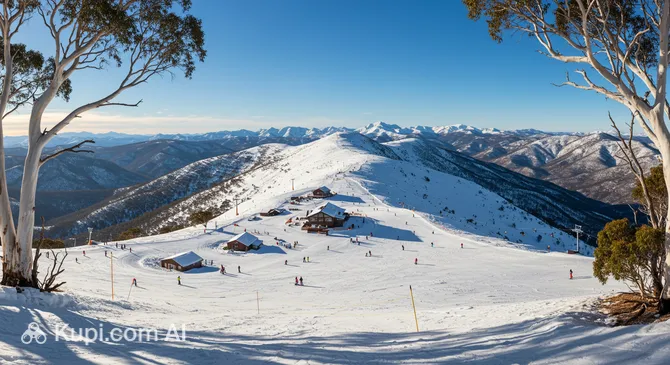
Smiggin Holes. Illustration.
Source: Kupi.com AI

Tourists are drawn here by the unique infrastructure and nature. In winter, the resort's "bowl" becomes a paradise for beginner skiers and snowboarders: the gentle, wide slopes allow for safe skill-building. At the same time, the resort is connected by lifts to the rest of the Perisher areas, providing access to a vast skiing territory. In summer, the region transforms into a green valley, perfect for hiking, cycling, and wildlife spotting in the Australian Alps.

Smiggin Holes is a place where you can truly relax and enjoy the beauty of the mountains. The combination of cosy chalets, fresh air, and magnificent views makes it a must-visit for those seeking harmony with nature and high-quality active recreation.

Weather Overview

The climate in Smiggin Holes is typical for the high-altitude areas of the Australian Alps: it is changeable and directly dependent on the season. Expect moderately warm summers with occasional rain and cold winters with frequent snowfalls, which are vital for the resort's operation.

The summer period (December to February) here is mild and comfortable, without exhausting heat. The warmest month is January, with an average temperature of 17.7°C and maximums reaching 23.1°C. This is an ideal time for hiking, although rain is not uncommon—on average, 10 to 14 wet days are recorded per month.

Winter (June to August) is the main time for ski tourists. Temperatures drop significantly: in July, the average is just 2.7°C, and at night, the air cools to -0.7°C. August is considered one of the "wettest" months (16 days with precipitation), which at this altitude usually means heavy snowfall. To choose the best dates for skiing, we recommend checking the weather in Smiggin Holes in advance for the time of your trip.

Spring and autumn in the region are characterised by coolness and freshness. In April, the average temperature stays around 10.1°C, and by May it drops to 5.9°C. Spring warming begins in September (6.3°C), and by November the air warms up to 12.4°C, preparing the valley for the summer season.

Average monthly temperature

Average monthly precipitation

Interesting Facts

Beyond its reputation as an ideal place for beginners, Smiggin Holes holds several curious details in its history and geography that often escape the attention of tourists.

  • A Curious Name Origin: The village's name is rooted in the lexicon of Scottish settlers and cattle drovers. They used the word "smiggins" to describe the small pits and depressions in the soft soil formed by the wheels of heavy wagons and animal hooves, which then filled with water. These characteristic "holes" became such a recognisable feature of the area that they gave it its official name.

  • A Natural "Shield": Smiggin Holes is situated in a unique natural bowl that creates a special microclimate. Unlike neighbouring, more open areas of the resort, this village is reliably sheltered from the harsh winds of the Snowy Mountains. This makes it not only the cosiest but also one of the safest places for children to ski in the region.

  • A Historical Road: The very same gentle slopes that beginner skiers appreciate so much today played an important logistical role in the 19th century. This was once a convenient route for horse-drawn transport carrying goods and provisions over the mountain range to remote settlements, marking the beginning of the area's development.

  • Scenic Viewpoint: Despite its location in a depression, Smiggin Holes offers some of the most impressive panoramas in the region. Due to the lack of dense, tall vegetation on the bowl's slopes, it provides a clear and breathtaking view of the snow-capped peaks of the Great Dividing Range.

How to Get There

When planning a trip to the Snowy Mountains, it is important to think through the logistics in advance, as the resort is located in a high-altitude area. There is no airport in the village itself, so travellers usually fly into the nearest large cities and then transfer to ground transport. You can find out more about how to get to Smiggin Holes on our dedicated page, and below we look at the main transport hubs convenient for tourists.

The most popular choice for most travellers is Canberra Airport (IATA: CBR). This is a major transport hub receiving flights from all over the country. It is located not in Smiggin Holes, but in Australia's capital, Canberra, about 139 km from the resort. The drive from here by rental car or bus usually takes about 2.5–3 hours, passing through the scenic landscapes of New South Wales.

If you want to fly as close to the slopes as possible, consider the regional Snowy Mountains Airport (IATA: OOM). It is located in the town of Cooma, just 50 km from Smiggin Holes. This is the closest airport to the resort, and the transfer from here takes less than an hour (about 50–60 minutes). However, keep in mind that the number of flights here is smaller than at the capital's airport.

For convenience, here is a summary of the region's main airports:

AirportPassenger trafficDistance
Snowy Mountains Airport25 00050 km
Albury Airport300 000137 km
Canberra Airport2.8 mln139 km
Merimbula Airport72 100144 km
Wagga Wagga Airport225 000162 km

There is no direct rail service to Smiggin Holes itself, as the complex mountain terrain limits the laying of standard tracks. Tourists who prefer trains usually travel to the station in Canberra (from Sydney) and complete the rest of the journey by shuttle buses, which run regularly during the winter season. Another popular option is using the Skitube alpine rack railway, but for this, you first need to drive to the Bullocks Flat terminal located at the base of the mountains.

Main Attractions

Smiggins Bowl Ski Area
The main attraction for tourists is the resort itself, located in a natural hollow resembling a bowl. Thanks to this landscape, the slopes here are reliably protected from the biting winds typical of the Snowy Mountains. This spot is considered one of the best in the country for beginners and families with children: gentle runs allow for safe learning of skiing and snowboarding, while the compact layout of the lifts makes the experience as comfortable as possible.

Mount Piper Trail
For fans of walking and winter hiking, there is a scenic route around Mount Piper. In winter, it is a popular trail for snowshoeing, while in summer, it is an excellent path for discovering alpine flora. The approximately 5-kilometre route passes through eucalyptus forests and offers breathtaking panoramic views of the Perisher Creek valley and the Main Range. The trail starts right from the village centre and is suitable for tourists with a moderate fitness level.

Kosciuszko National Park
Smiggin Holes is located within this magnificent biosphere reserve, which is a grand attraction in its own right. The park offers endless opportunities for ecotourism: from observing wild animals like wombats and kangaroos to exploring glacial lakes and mountain rivers. A visit to the park allows you to see the unique nature that Australia is famous for in its pristine form.

Skitube Alpine Railway
Although the train terminal is located in the neighbouring Perisher Valley (accessible from Smiggin Holes via free shuttles), a trip on the Skitube is considered a must. This unique rack railway passes through the Ramshead Range. The train, which goes deep underground, is not just transport but a real engineering marvel, allowing you to quickly and comfortably reach other skiing areas like Blue Cow and enjoy views of the snow-capped peaks.

Local Cuisine

The gastronomic scene in Smiggin Holes perfectly reflects the character of a high-altitude resort: hearty, warming food that helps restore strength after an active day on the slopes is highly valued here. The local menu is based on Australian classics with a cosy alpine twist. Tourists should definitely try the traditional meat pies with rich fillings, as well as excellent beef or lamb steaks, which are staples of local restaurants.

Special attention should be given to local nature's bounty. The Snowy Mountains region is famous for its crystal-clear lakes and rivers, so fresh trout is considered one of the main delicacies here. The fish is prepared in many ways: from simple grilling with seasonal vegetables to smoking with aromatic herbs. This dish is an excellent choice for those looking for the authentic taste of the region.

For those with a sweet tooth or anyone wanting to warm up quickly, Smiggin Holes offers its own culinary delights. Cafes and lodges often serve the famous Australian dessert, the "lamington"—a delicate sponge cake generously covered in chocolate icing and desiccated coconut. It pairs perfectly with a mug of thick hot chocolate or fresh pastries, which can be found in small shops and food trucks during the height of the season.

The dining culture here is inextricably linked to après-ski relaxation. Evenings are usually spent in hotel bars, tasting locally produced drinks. Guests are offered an excellent selection of Australian wines and craft beers from regional breweries in New South Wales. The atmosphere in the venues is always democratic and friendly, perfect for long conversations by the fire after dinner.

Travel Tips

Preparing for a trip to Smiggin Holes requires attention to detail, as a holiday in the high altitudes of Australia has its own specifics, different from typical European resorts. These practical recommendations will help you avoid organisational hiccups and enjoy skiing in the "Smiggins Bowl" with maximum comfort.

  1. Clothing and Equipment. The weather in the Australian Alps is changeable: bright sunshine can instantly turn into a snowstorm. Use the layering principle: thermal underwear, a fleece jacket, and a high-quality membrane jacket. Be sure to bring sunscreen with a high SPF (the sun here is very active even in winter) and good sunglasses. For evening walks, you will need shoes with non-slip soles, as the paths often get covered in ice.

  2. Transport Logistics. You won't need a personal car within the resort—everything is within walking distance, and free shuttles run regularly to the neighbouring Perisher Valley. If you are driving a rental car, remember: in the winter season (from June to October), carrying snow chains in the car is mandatory for all two-wheel-drive (2WD) vehicles when entering the National Park. Taxi apps like Uber are virtually non-existent here; transfers must be booked in advance.

  3. Finances and Budget. The currency is the Australian dollar (AUD). Bank cards are accepted everywhere: at lift ticket offices, rental shops, and cafes. However, there are few ATMs in Smiggin Holes itself, so having a small supply of cash for minor expenses won't hurt. Be prepared for "resort prices": the cost of groceries and dining here is higher than in Sydney or Canberra.

  4. Health and Safety. The nearest medical centre is in the neighbouring Perisher Valley (Perisher Valley Medical Centre), and full-range pharmacies are only in the town of Jindabyne (30 km down). Be sure to bring a first-aid kit with basic medicines, plasters, and cold remedies. Drink more water to avoid dehydration at altitude.

  5. Connectivity and Apps. The primary language is English. Mobile coverage (especially the Telstra network) is good, but the signal can drop in low-lying areas. Wi-Fi is available in most hotels, but its speed is often limited. The most useful tool for a tourist is the official Perisher App, which shows lift status, weather, and bus schedules in real-time.

  6. Local Etiquette. Locals are very friendly and informal. A "G'day" greeting will bring a smile to staff members. When in lift queues, maintain order: trying to push ahead or stepping on a neighbour's skis is considered bad manners. On the slopes, strictly follow the rules: the skier in front of you always has right of way.

  7. What to Avoid. Never exceed the speed limit on mountain roads, especially at dusk and dawn—this is when kangaroos and wombats are most active and often jump onto the road. Also, avoid feeding wild animals, even if they come close to the hotels: human food is harmful to them.

  8. Important Detail. Smiggin Holes is located within Kosciuszko National Park. To enter by car, you need to purchase a Park Pass. It is more convenient and cheaper to buy it online in advance or at the visitor centre in Jindabyne to save time at the checkpoints when entering the mountains.

Smiggin Holes is a place where an atmosphere of cosiness and sporting excitement prevails. By following these simple tips, you can focus on the main thing—the magnificent snowy slopes and the unique nature of the Australian highlands—leaving any practical concerns behind.

Entertainment & Nightlife

Smiggin Holes is known for its quiet and family-oriented atmosphere, so the nightlife here has its own unique character. Unlike bustling metropolises or youth-oriented resorts, evening entertainment in this village is focused on cosy après-ski style relaxation. After the lifts close, life moves into the warm hotel lounges and bars, where friendliness and relaxation prevail. You won't find massive nightclubs with neon signs here, but you can enjoy live music, delicious drinks, and conversation by the fireplace.

The heart of evening socialising is the resort's main complex. This is where skiers and snowboarders gather to discuss the day's achievements. The crowd in the venues is quite diverse, ranging from families with children to groups of friends. There is virtually no dress code, or it is strictly "casual"—most guests arrive directly in their ski gear or comfortable sweaters. The atmosphere is always laid-back, and the staff are welcoming.

If you are looking for specific places for evening leisure, consider the following venues, which are the heart of the village's social life:

  • Smiggins Hotel Bar & Grill — arguably the most popular spot in Smiggin Holes. In the evenings, live music is often played here, creating a great mood. The bar offers a wide selection of Australian beers and wines, along with hearty dishes perfect after a day in the cold. It is a versatile place where you can have dinner or a cocktail in a lively company.

  • The Man from Snowy River Hotel — located very close by in the neighbouring area (and easily accessible), this hotel is famous for its cosy lounge bar with a massive fireplace. It is an ideal location for a quieter, more romantic evening with a glass of mulled wine and views of the snowy slopes.

For those craving more active nightlife and dancing until dawn, experienced travellers suggest heading to the nearby town of Jindabyne (about a 30-minute drive), where the choice of clubs and pubs is significantly wider. However, remember that mountain roads at night require extra caution. Within Smiggin Holes itself, most venues close closer to midnight, as the resort's main focus is on early morning skiing.

Practical Tips:

Prices in the resort's bars and restaurants are higher than the national average, which is typical for high-altitude locations. A glass of beer or wine will cost approximately 10–15 AUD. The safest way to move between hotels and recreation areas in the evening is on foot (distances are small) or via free shuttles that run until a certain hour. Night walks here are perfectly safe in terms of crime, but be careful of ice and low temperatures—dress warmly.

During the day, besides skiing, entertainment is more contemplative. You can enjoy walks along the snowy trails of the National Park or have a photo session against the backdrop of scenic panoramas. There are no theatres or museums in the traditional sense within the village itself, but the nature of the Snowy Mountains serves as the best backdrop for an unforgettable holiday.

Parks & Museums

Smiggin Holes is a place where mountain valleys serve as the main exhibition halls, and alpine meadow landscapes are the finest works of art. As the village is a compact ski resort, you won't find typical urban parks with fountains or gallery districts here. However, the entire settlement is literally immersed in greenery (during the summer season) and surrounded by one of the most majestic nature reserves Australia is famous for.

Kosciuszko National Park
Smiggin Holes is located directly within this vast biosphere reserve. This is not just a park, but a true ecosystem with unique flora and fauna. While snow reigns here in winter, the surroundings of the village turn into a blooming wildlife garden in summer. Tourists can walk among ancient granite boulders and groves of snow gums—remarkable trees with multicoloured bark that can withstand severe frosts. It is an ideal place for those seeking silence and unity with pristine nature.

Lake Jindabyne Area
Although this spot is a short drive from Smiggin Holes, it is an integral part of the region's recreational area. The spacious waterfront and park zones around the lake offer excellent conditions for picnics, cycling, and quiet relaxation by the water. Local festivals are often held here, and the views of mountain peaks reflecting in the water are considered some of the most photographed in the region.

The cultural and museum life of the region focuses on the history of the Snowy Mountains' exploration and engineering achievements. There are no museums in Smiggin Holes itself, but curious travellers should visit key sites located nearby:

Snowy Region Visitor Centre
Located in the nearby town of Jindabyne, this centre functions as the region's main local history museum. It features an extensive exhibition about the nature of the Australian Alps, the history of the Indigenous peoples who lived on these lands for thousands of years, and the first European settlers. Interactive displays and 3D models help explain how the area's unique climate was formed, making a visit interesting for both adults and children.

Snowy Hydro Discovery Centre
Located a bit further away in the town of Cooma, this museum is a must-visit for anyone interested in history. It is dedicated to the grand Snowy Mountains Hydroelectric Scheme—one of the most complex engineering projects of the 20th century. The exhibition includes archival photographs, models of tunnels and dams, and the stories of thousands of immigrants who built this system. This place allows you to appreciate the scale of human labour that transformed this mountain region.

Insider Tip: If you find yourself in Smiggin Holes in January or February, don't go looking for specially designated botanical gardens. Simply step onto any hiking trail outside the hotels: at this time, the alpine meadows are covered in a carpet of wildflowers—daisies, buttercups, and billy buttons—creating a natural open-air gallery that is no less impressive than man-made masterpieces.

Getting Around

The public transport system in Smiggin Holes differs significantly from the usual urban scheme with metros and trams. As it is a compact ski village, the transport network here is specifically adapted to the needs of skiers and snowboarders. The main task of local transport is to provide convenient and safe links between the Perisher resort skiing areas and the parking lots located below the snow line.

A unique feature of the region is the Skitube Alpine Railway—a rack railway that passes through the mountains. Although the train does not stop directly in Smiggin Holes, it is a vital transport artery. Most tourists leave their cars at the free car park in Bullocks Flat (where wheel chains are not required) and take the train up to Perisher Valley station. From there, a regular transfer is organised to Smiggin Holes.

For travel between Smiggin Holes itself and the neighbouring Perisher Valley, free shuttle buses operate. During the winter season, they run frequently, usually every 15 minutes, allowing you to quickly reach the lifts or return to your hotel. The shuttle schedule is generally tied to the operating hours of the cable cars, but there are also evening services for those staying late for dinner or night skiing.

The fare payment system on the Skitube is highly digitalised. You will need a Perisher Card—a rechargeable electronic card that serves as both a lift pass and a train ticket. Tickets can be purchased online in advance or at terminals at Bullocks Flat station. To pass through the turnstiles, simply tap the card on the reader. Travel on the internal shuttle buses between Smiggins and Perisher is free of charge.

As an alternative to public transport, many travellers use rental cars. However, it is worth remembering the strict National Park rules: in the winter period (from June to October), carrying snow chains in the car is mandatory for most types of vehicles, except for four-wheel drives (4WD). Taxis and ride-sharing services are poorly developed in the mountains and are quite expensive, so they should not be relied upon as a primary mode of transport.

Inside the village of Smiggin Holes itself, distances are so small that walking remains the best way to get around. All infrastructure—hotels, ticket offices, shops, and lifts—is within walking distance. The main advice for tourists: always have a resort map with you or download the official app to track lift status and shuttle schedules in real-time.

Accommodation

Accommodation in Smiggin Holes is primarily geared towards maximum convenience for skiers and families with children. The choice of housing here is relatively compact but covers the main needs of tourists: from classic full-service hotels to cosy private apartments and chalets designed for large groups. You won't find ultra-luxury world-class resorts or very budget youth hostels here; the main segment is solid middle-class and "alpine comfort," where the primary value is an atmosphere of cosiness and the warmth of a fireplace after a day on the slopes.

Areas and Location
Since the village is located in a small natural bowl, the division into areas is quite relative. The main advantage of local accommodation is the ski-in/ski-out principle. Almost all lodges and apartments are located in the immediate vicinity of the lifts and the beginner training area. The most sought-after stay options are clustered around the central complex and parking area, allowing guests to completely forego the use of transport during their holiday.

Types of Accommodation
The heart of the resort is the famous Smiggins Hotel, which serves not only as a place to sleep but also as the village's social hub. In addition to the main hotel, traditional ski lodges are also popular. A feature of staying in Smiggin Holes is that many hotels offer rates that include breakfast and dinner. This is very convenient, as the choice of independent restaurants outside of hotels in the village is limited.

Prices and Booking
The price range in Smiggin Holes varies from medium to high, due to the unique location right on the snow. The peak season falls in July and August, so prices reach their highest during this period. For those looking for more budget-friendly options, it makes sense to consider staying in the town of Jindabyne (a 30-minute drive), where the selection of affordable motels and holiday parks is much wider.

Advice for Tourists:
Due to the limited number of rooms, accommodation in Smiggin Holes sells out very quickly. Experienced travellers recommend booking your stay 6–9 months in advance, especially if you are planning a holiday during school breaks. You can use large online platforms or book directly through the websites of specific lodges, which sometimes allows you to find great package deals that include lift passes.

Nearby Cities

For those looking to explore the surroundings, Smiggin Holes serves as an excellent starting point for day trips to several interesting nearby locations:

The undisputed leader for an educational trip is the nation's capital, Canberra. Located about 2.5 hours away, it offers a completely different experience compared to a ski holiday. Here you can visit the impressive Parliament House, the National Gallery, or the Australian War Memorial. A walk around the man-made Lake Burley Griffin or a visit to the National Arboretum will be a great addition to your holiday.

If you are interested in immersing yourself in the atmosphere of regional Australia, it is worth heading to the city of Wagga Wagga. It is known as the "City of Gardens" and is situated on the banks of the Murrumbidgee River. It is a wonderful place for peaceful walks in the botanical gardens, visiting local farmers' markets, and discovering the culture of the Riverina region. The city is also famous for its river beach, which is ranked among the best inland beaches in the country.

History buffs might enjoy Goulburn, Australia's first inland city. It has preserved many colonial-era buildings and is famous for its giant concrete sheep statue, "The Big Merino," symbolising the importance of the wool industry to this region. It is a great stop for photos and to learn about the state's rural heritage.

CityPopulationDistance
Perisher Valley2 km
Bullocks Flat6 km
Crackenback10 km
Thredbo17 km
Jindabyne6 54717 km

These nearby destinations provide an insight into the diverse culture and landscapes of the region.

Shopping & Souvenirs

General Overview

Shopping in Smiggin Holes is purely utilitarian and seasonal, which is to be expected for a compact ski village. People come here not for fashion shows or outlets, but for active recreation, so local trade is fully tailored to the needs of athletes and tourists. The range of shops focuses on winter equipment, skiing accessories, and essential items. If you forget your gloves or urgently need sunscreen, you can easily find them on-site, but for major purchases, it is better to head outside the resort.

Main Shopping Areas and Streets

There are no traditional shopping streets or promenades in Smiggin Holes. All the village's commercial life is compactly concentrated in the central area, near the main parking complex and the Smiggins Hotel. Here, in the so-called "Arcade," you will find rental points that are often combined with retail shops. This is convenient: you can pick up your gear and immediately buy any missing items of clothing without going far from the lifts.

Shopping Centres

There are no large shopping centres within Smiggin Holes itself. For a full shopping experience, tourists are recommended to head to the nearby town of Jindabyne (about a 30-minute drive), home to the Nuggets Crossing shopping complex. There is a supermarket, pharmacy, sports shops, and clothing boutiques there. A small selection of shops can also be found in the neighbouring Perisher Valley, in the Perisher Centre complex, which is easily accessible via free ski shuttles.

Markets

No markets are held in the village itself. The resort format does not include street trading for food or antiques. However, if you are in the region during the local fairs in Jindabyne or other Snowy Mountains settlements, you can purchase fresh farm produce, honey, and local crafts. In Smiggin Holes, all trade is conducted exclusively in permanent retail outlets.

Souvenirs

From Smiggin Holes, it is worth bringing back items that will remind you of the snowy slopes and the cosiness of Australia. The most popular souvenirs are high-quality warm clothes: hoodies, hats, and scarves with Perisher or Smiggins logos. You can also find fun souvenirs in local shops featuring Australian animals—wombats or echidnas—dressed in ski gear. Local delicacies from the Snowy Mountains region, such as wild fruit schnapps sold in nearby specialty shops, also make excellent gifts.

Opening Hours and Payment

Shops in Smiggin Holes operate seasonally. In winter (from June to October), they are open daily, usually from 8:30 am to 5:00 pm or 5:30 pm, aligning with the lift operating hours. During the summer period, most retail outlets close. Bank cards (Visa, Mastercard) are universally accepted, as is cash in Australian dollars. Contactless payment via phone is also widely used.

Tax Free

As Smiggin Holes is part of Australia, tourists can use the Tourist Refund Scheme (TRS). If you spend more than 300 AUD in a single shop (for example, when buying expensive skis or a snowboard), you can claim back the Goods and Services Tax (GST) when departing the country. Be sure to keep the original receipts and present them along with the goods at the airport of departure.

Reached the end of the page?

That means the route is fully explored