Support

Corowa

About

Corowa is a picturesque and cozy town located in the far south of New South Wales, right on the banks of the majestic Murray River. The river here serves as a natural border with the neighboring state of Victoria, and a bridge connects the town to the settlement of Wahgunyah on the opposite bank. For travelers discovering the amazing continent of Australia, this place becomes the epitome of tranquility and traditional outback hospitality.

The town is home to about 6,300 people, allowing it to maintain an intimate and friendly atmosphere. Corowa is surrounded by green pastures, eucalyptus groves, and extensive vineyards, creating a scenic backdrop for relaxation. The climate here is favorable, perfect for leisurely walks and enjoying nature at any time of year.
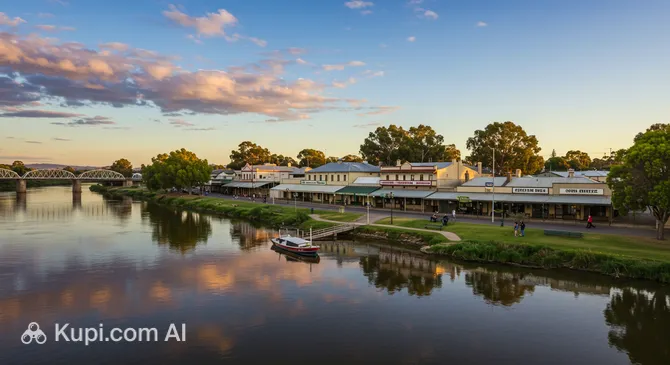
Corowa. Illustration.
Source: Kupi.com AI

Despite its modest size, the town plays an important role in national heritage and is known as the "Birthplace of Federation." The fascinating history of Corowa is closely linked to events at the end of the 19th century, when decisions were made here to unite the Australian colonies into a single nation. The spirit of that time still lives on in the town's wide streets and beautifully preserved historic buildings.

Tourists are drawn here not only by its historical past but also by opportunities for active and culinary recreation. The Murray River offers excellent conditions for fishing, boating, and picnics on the waterfront. Additionally, the region is famous for its winemaking traditions and a local distillery where you can sample unique spirits.

Corowa is an ideal destination for those seeking peace away from the hustle and bustle of big cities. Whether it's a family trip, a romantic weekend, or a gastronomic tour, this welcoming town will provide warm memories and a touch of authentic Australian life.

Weather Overview

The weather in Corowa is characterized by distinct seasonality, allowing travelers to choose the optimal time for a visit depending on their plans. Summer (December to February) is truly hot: in January, average daily highs reach 31.7°C, while nights remain warm at around 18-19°C. This is an ideal period for relaxing by the water, although the number of rainy days in January can reach eight.

Winter brings a noticeable chill. In June and July, daytime temperatures rarely exceed 13°C, and at night the air cools down to 4.5–5.0°C. During this period, the probability of precipitation increases, with an average of about 9–10 rainy days per month. Expect hot summers with occasional rain and cool winters that require warm clothing.

The shoulder seasons offer a mild climate. In spring and autumn, the temperature ranges comfortably between 16°C and 25°C, which is perfect for excursions and walks. To prepare correctly for your trip and pack your suitcase, we recommend checking the detailed weather in Corowa for your travel dates in advance.

Average monthly temperature

Average monthly precipitation

Interesting Facts

Beyond its main attractions, Corowa holds many fascinating secrets and historical details that make this town a truly special place for the thoughtful traveler.
  • "The Birthplace of Federation." Corowa occupies a unique place in the continent's political history. It was here in 1893 that the famous People's Conference took place, which became a turning point in the unification of the separate Australian colonies. Thanks to this event, the town received the honorary title of the place where the idea of modern Australia was born.

  • A bridge between states. The old bridge over the Murray River, built in 1892, is not just a crossing but a symbol of the connection between two states—New South Wales and Victoria. The structure, erected by the best craftsmen of its time, has been preserved to this day and serves as a reminder of the grand public celebrations held for its opening.

  • Second life for an old mill. A curious example of heritage conservation can be seen by visiting the local whisky production. The popular Corowa Whisky and Chocolate is located in a building of an abandoned flour mill from the 1920s. The historic brick walls that once served industry now protect barrels of premium alcohol, creating a unique atmosphere.

  • Golf with a century of history. The town boasts one of the oldest golf clubs in Australia. Its uniqueness lies not only in its age but also in its picturesque location: the fairways stretch right along the banks of the Murray River, making a game here a true aesthetic pleasure.

Corowa Distillery. Illustration.
Source: Kupi.com AI

Traveler photos:

How to Get There

When planning a trip to this cozy corner on the banks of the Murray River, it's worth thinking through your route in advance. Corowa is located away from major metropolises, which gives it a special charm of seclusion but requires some logistics. You can find all the details and more about how to get to Corowa on our dedicated page; below we look at the main options.

Since Corowa itself does not have its own airport, travelers usually fly into the nearest regional hubs or large international hubs and then continue their journey by land.

The most convenient option for domestic flights is Albury Airport (IATA: ABX). It is located in the neighboring city of Albury, which is just 51.7 km away. This is a busy regional airport receiving flights from major Australian cities. A trip from the airport to the center of Corowa by taxi or rental car takes about 45–50 minutes. Regional buses also run between the cities, but their schedules should be checked in advance.

For international tourists, the main gateway is often Melbourne Airport (IATA: MEL), also known as Tullamarine. It is the largest airport in the region, located approximately 231.5 km from Corowa. Despite the distance, many choose this option due to the large number of flights. The journey from Melbourne Airport to Corowa by rental car takes about 3 hours along scenic Australian highways. You can also use a combination of train to the nearest stations and a bus.

Another alternative is Wagga Wagga Airport (IATA: WGA), located in the city of Wagga Wagga, 134.3 km from the destination. This is a regional hub, and the drive from there takes about 1.5–2 hours by car.

For clarity, here is a summary of the main airports used to reach the region:

AirportPassenger trafficDistance
Albury Airport300 00052 km
Wagga Wagga Airport225 000134 km
Narrandera10 608144 km
Griffith Airport73 700196 km
Bendigo30 000202 km

Regarding rail services, it is important to note that there is no active passenger railway station in the town of Corowa itself. However, this does not make a train trip impossible. Tourists often take NSW TrainLink or V/Line trains to major stations in neighboring towns like Albury or Wangaratta. From these stations, you can reach Corowa by connecting buses timed with the train schedules, or by taxi. This route allows you to enjoy views of the Australian outback without the need to drive the whole way.

A car trip remains one of the most popular ways to get to Corowa. The roads in this region are of excellent quality, and driving allows you to plan your time flexibly and stop at scenic spots along the way.

Main Attractions

Despite its small size, the town of Corowa offers guests a rich program combining historical heritage, culinary discoveries, and natural beauty. Every traveler will find something to their liking here: from immersing themselves in the history of the Australian federation to tasting premium spirits in atmospheric interiors.

One of the town's most vibrant and visited locations is the famous Corowa Whisky and Chocolate. This place is unique for being housed in an old flour mill from the 1920s, which was carefully restored and transformed into a modern production facility. Tourists come here not only to taste excellent Australian whisky but also to enjoy handmade chocolate produced on-site. The combination of industrial architecture, the aromas of malt, and sweets creates a unique atmosphere.

Corowa Distillery. Illustration.
Source: Kupi.com AI

Traveler photos:

For those who want to touch history, the Corowa Federation Museum is a must-visit. Corowa proudly bears the title of the "Birthplace of Federation," and the museum's exhibition details how the idea of uniting the Australian colonies was born here in the late 19th century. In addition to political history, the museum displays everyday items of the first settlers, Aboriginal artifacts, and explores the town's connection to Tom Roberts' famous painting "Shearing the Rams."

After a busy walk, it's worth taking time for culinary delights. Locals and visitors often recommend stopping by D'Amicos Italian Restaurant and Pizzeria. This cozy establishment is famous for its homey atmosphere and authentic dishes. Here you can relax after excursions, enjoying delicious pizza or pasta, and experience the true hospitality for which the Australian outback is so famous.

Nature lovers and those seeking peaceful relaxation shouldn't miss the majestic Murray River. The waterfront and surrounding parks, such as Rowers Park, offer excellent opportunities for picnics, fishing, and kayaking. A walk along the river under the shade of ancient eucalyptus trees is the best way to feel the calm rhythm of life in this picturesque region and admire the local flora and fauna.

Another curious attraction for technical enthusiasts is Max's Motor Museum. This private collection features vintage cars, antique engines, and rare exhibits demonstrating the evolution of transport in Australia. This place will be a real discovery for anyone interested in retro machinery and engineering history.

Local Cuisine

Corowa's gastronomic scene is a true discovery for travelers who value high-quality products and authentic flavors. Located in the fertile Murray River valley, the town is rightfully considered a gourmet paradise. The local cuisine relies on the freshest farm ingredients: from juicy fruits and vegetables to premium cheeses and olive oil, which can be found at regular markets.

The foundation of many menus is meat and fish delicacies. You should definitely try the marbled beef steaks raised on local green pastures. The proximity to the river dictates its own rules: fresh catches are highly prized, such as grilled perch with lemon, delicate smoked eel, or hearty fish pies. For a quick snack, traditional Australian meat pies or sandwiches, prepared here with great skill, are perfect.

The drink culture deserves special attention. Corowa is in a famous wine region where Shiraz, Cabernet Sauvignon, and Chardonnay grapes thrive. Small family wineries offer tastings that allow you to appreciate the richness of the local terroir. Lovers of stronger drinks should visit the famous Corowa Whisky and Chocolate, which produces excellent whisky and offers tours of its historic building.

Dining in the town is diverse: from cozy cafes with homemade pastries to restaurants with international cuisine. For example, the popular D'Amicos Italian Restaurant and Pizzeria attracts guests with its warm atmosphere and classic dishes prepared with soul. If you find yourself in town during the Corowa Food and Wine Festival, don't miss the chance to immerse yourself in the festive atmosphere with masterclasses from chefs and tastings of the region's best products.

Travel Tips

Corowa is a welcoming and peaceful town, but as with any trip, knowing the local specifics will make your visit much more comfortable. We have gathered a list of practical recommendations to help you plan the perfect holiday on the banks of the Murray River and avoid common tourist mistakes.

  1. Clothing and gear. The climate here dictates its own rules: in summer (December–February), the sun is very strong, so a wide-brimmed hat, sunglasses, and high-SPF sunscreen are essential. Choose clothing made from natural, breathable fabrics. In winter, nights can be cold, so bring a warm jacket. For walks along the river trails, you will need comfortable, closed-toe shoes as the terrain can be uneven.

  2. Transport nuances. Corowa is a town for drivers. Public transport is poorly developed and geared toward schoolchildren, so renting a car is highly recommended for freedom of movement. Ride-sharing apps (like Uber) are unreliable here, and there are few cars. If you need a taxi, especially in the evening, book it by phone in advance through local dispatch services.

  3. Finances and payment. The currency is the Australian Dollar (AUD). Supermarkets, hotels, and most cafes accept cards (Visa, Mastercard) without issues. However, if you plan to visit the famous Sunday Federation Market, be sure to have cash—many farmers and artisans do not use terminals. Tipping is not mandatory, but rounding up the bill in cafes is appreciated.

  4. Health and safety. The main natural feature of the town is the Murray River. Be extremely careful when swimming: the current can be strong and unpredictable, and snags are often hidden underwater. Swim only in designated areas. Pharmacies are located on the main street, Sanger Street, and operate during standard hours (usually until 5:30 PM); there are no 24-hour pharmacies in town. The emergency number is 000.

  5. Communication. The primary language is English; locals speak with a characteristic Australian accent and use slang but are always ready to help. Mobile signal is stable in the town, but in remote nature zones, the Telstra network has the best coverage. Free Wi-Fi is available in the library, many cafes, and hotels.

  6. Local etiquette. In the Australian outback, it is common to greet strangers, especially during walks, with a simple nod or a "G'day." The atmosphere here is very laid-back: there is no strict dress code even in restaurants; smart casual is appropriate everywhere. In pubs, it is customary to order food and drinks at the bar and pay immediately.

  7. What to avoid. The biggest danger for drivers is wildlife. It is strongly recommended not to drive on rural highways at dawn and dusk (sunset), as this is when kangaroos are most active and often jump onto the road, which can lead to serious accidents.

  8. Useful life hack. Corowa is in close proximity to the famous Rutherglen wine region. Many tourists don't know that most local wineries offer free delivery of purchased wine to your hotel or can even ship it by mail if you buy a case, so you don't have to carry your purchases with you all day.

By following these simple tips, you will be able to feel at home in Corowa and focus on the main thing—enjoying the nature, history, and gastronomy of this wonderful region. We wish you a safe and unforgettable journey!

Entertainment & Nightlife

Nightlife in Corowa is fundamentally different from bustling metropolises like Sydney or Melbourne. You won't find neon signs for nightclubs open until dawn or loud discos here. Evening leisure in this cozy corner on the banks of the Murray River is primarily about a relaxed atmosphere, friendly conversations in pubs, and enjoying local gastronomy. Life here slows down quite early, so it's worth planning your evening in advance.

The center of evening activity is traditionally the main street—Sanger Street. Most of the establishments where you can spend time after sunset are concentrated here and in the adjacent blocks. Locals and tourists prefer to gather in classic Australian hotel pubs or RSL Clubs, which are an integral part of outback culture. These places have a laid-back atmosphere, often featuring live music, sports broadcasts, and a very informal and comfortable (casual) dress code.

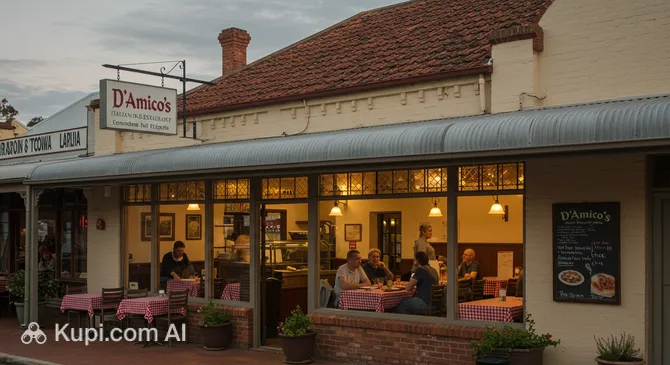
For those who prefer to start the evening with a delicious dinner and a glass of wine, D'Amicos Italian Restaurant and Pizzeria is an excellent choice. This venue is popular for its warm family atmosphere and hearty dishes. Here you can leisurely discuss the day's impressions over a great pizza before heading for a walk or to a bar.

D'Amicos Italian Restaurant & Pizzeria. Illustration.
Source: Kupi.com AI

Traveler photos:

Another important point of interest is the famous Corowa Whisky and Chocolate. While it is more famous as a daytime attraction, it is worth visiting toward the evening (check the schedule) to taste local whisky in the atmospheric interiors of the restored mill. This adds a touch of sophistication to the evening and allows you to experience local spirits traditions.

Practical tips for tourists:

  • Opening hours: Kitchens in most restaurants and pubs close quite early, often around 8:30 PM or 9:00 PM. Plan your dinner early so you don't go hungry. Bars may stay open until midnight, but they close earlier on weekdays.
  • Safety: Corowa is a very safe town. Evening walks in the center pose no threat, though streets may be dimly lit. The main danger at night is not people, but wildlife: be careful if you decide to walk by the river or drive out of town—kangaroos are most active at dusk.
  • Transport: It is virtually impossible to hail a taxi on the street at night. If you plan to drink and need to get to your hotel, be sure to book a taxi in advance by phone or ask the bartender to call one for you.

Regarding cultural entertainment, the town occasionally hosts evening movie screenings or performances by local bands in clubs. However, the main "entertainment" here remains the incredible starry sky, which shines particularly bright away from the big city lights. A quiet evening on the banks of the Murray or on a hotel veranda often becomes the most memorable moment of the trip.

Parks & Museums

The cultural and natural landscape of Corowa harmoniously combines the soothing greenery of riverfront areas with a rich historical heritage carefully preserved in local museums. For tourists, this is a wonderful opportunity to alternate walks in the fresh air with an immersion into the fascinating past of a town that played a key role in the formation of Australian nationhood.

Among the town's green zones, Ball Park holds a special place. This extensive area, stretching right along the banks of the Murray River, is a hub for family recreation. Here you will find manicured lawns for picnics, shaded avenues of ancient eucalyptus trees, and modern playgrounds. The park is interesting for its versatility: here you can not only enjoy nature but also visit the local swimming pool or simply watch the calm flow of the river from one of the benches.

Another picturesque spot is Rowers Park. This is a more intimate and quiet place, ideal for solitary walks and birdwatching. The park is located right by the water and offers excellent views of the historic John Foord Bridge. Tourists should stop by for atmospheric photos and the chance to see local inhabitants—from pelicans to cockatoos, which are often found in the tree canopies.

The cultural heart of the town beats at the Corowa Federation Museum. Housed in a historic building, the museum offers a deep dive into the late 19th-century era. The exhibition is not limited to the political history of the federation; it houses an impressive collection of everyday objects, old photographs, and agricultural tools telling the story of the first settlers. This place is a must-visit for those who want to understand what life was like in this region a hundred years ago.

Enthusiasts of technology and retro aesthetics should pay attention to private collections such as Max's Motor Museum. It features beautifully restored vintage cars, motorcycles, and various mechanical curiosities. The exhibition is interesting not only for motor fans but for anyone who appreciates engineering art and the design of the last century. Each exhibit here has its own story, lovingly preserved by the owners.

For art lovers, the Corowa Art Space, located in the civic center, operates as a venue for regular exhibitions by local artists and craftspeople, showcasing a modern perspective on the region's culture. This is a great opportunity to see Australia through the eyes of its creative residents.

Insider Tip: If you're looking for a spot hidden from most tourists, take a walk along the Corowa Foreshore Walk early in the morning. At this time, the river is shrouded in a light mist, and the chance of spotting kangaroos coming down to drink is especially high.

Getting Around

The public transport system in Corowa corresponds to the size and lifestyle of this small provincial town. You won't find the subways, trams, or trolleybuses common in metropolises. The town is quite compact, so the historic center is most conveniently explored on foot. This allows you to slowly admire the architecture and enjoy the calm atmosphere without depending on a transport schedule.

The main form of public transport connecting Corowa with the outside world and neighboring cities is regional buses. Services are operated by NSW TrainLink and V/Line (Victoria's transport system, as the town is on the border). These buses run to major railway stations in Albury and Wangaratta. Within the town itself, bus services are limited and primarily oriented toward locals and schoolchildren, so relying on them for tourist trips to attractions is not always convenient.

Regarding the payment system, there are no complex zones or unified electronic cards within the town. Tickets for intercity coaches must be booked in advance via carrier websites or purchased at departure stations. Prices depend on the distance of the trip. If you manage to use a local bus, fares are most often accepted in cash or by bank card directly from the driver. We recommend always carrying some cash in small bills.

The most popular and convenient alternative to public transport is the car. Renting a car provides freedom of movement, allowing you to easily reach distant wineries and nature parks. Taxis also operate in the town. It is important to remember that it is virtually impossible to "hail" a car on the street here. Taxis must be ordered by phone in advance, especially if you plan a trip in the evening or on weekends. Ride-sharing apps (like Uber) may be unreliable in this region or have long wait times due to the small number of drivers.

Bicycles hold a special place in Corowa's transport life. Thanks to the flat terrain and scenic views, cycling is incredibly popular here. You can rent a bike at one of the rental points or tourist centers and head out on specially equipped paths, such as the Corowa Rutherglen Rail Trail. This is not just a way to get from point A to point B, but a complete tourist activity that allows you to feel the true spirit of the region.

Accommodation

The choice of accommodation in Corowa perfectly matches the relaxed character of this town: comfort and practicality prevail here over flashy luxury. Travelers have access to a wide range of options: from classic roadside motels and historic pubs offering traditional-style lodging to modern apartments and spacious holiday homes. Caravan parks and well-equipped campsites hold a special place in the tourist infrastructure, being ideal for road trippers and nature lovers.

As for location, two main areas are most in demand. The first is the town center around the main street, where shops, historic buildings, and cafes are within walking distance. The second and perhaps most scenic option is the Murray River riverfront. Staying here allows you to enjoy peaceful water views and eucalyptus groves right from your window, as well as quick access to picnic and fishing areas.

Since Corowa is a popular destination for family vacations, water tourism, and golf, it is highly recommended to book accommodation in advance. This is especially true for peak periods: school holidays, Easter weekends, and the summer months (December–February), when the best spots in campsites and motel rooms are booked several months ahead.

The price range in the town can be described as affordable to mid-range. It is easy to find budget tent sites or inexpensive motel rooms here, as well as more comfortable options for families. You can book accommodation through popular international online aggregators; however, many local motel and holiday park owners welcome direct booking by phone or through their official websites, which can sometimes result in better terms.

Nearby Cities

For those looking to explore the surrounding area, Corowa serves as an excellent starting point for day trips to several interesting nearby locations:

The city of Wangaratta is located just 41 km away. This place attracts tourists with its history linked to the legendary bushranger Ned Kelly, as well as its famous jazz festival. Furthermore, the city is a convenient base for visiting the picturesque wineries of the King Valley.

Another close neighbor is Wodonga, located 47 km away. Situated on the banks of the Murray River, this city offers great opportunities for picnics, walks in parks, and exploring local art in cultural centers. Together with the city of Albury, it forms an important regional hub.

If you are ready for a slightly longer drive, it is worth visiting Wagga Wagga (133 km). This is the largest inland city in New South Wales, famous for its botanical gardens, zoo, and even a city beach on the Murrumbidgee River.

CityPopulationDistance
Wangaratta17 37741 km
Albury4 80447 km
Wodonga18 94847 km
Cobram6 01468 km
Benalla10 33071 km

These nearby destinations provide a great overview of the region's diverse culture and landscapes.

Shopping & Souvenirs

Shopping in Corowa is a calm and pleasant activity, devoid of the hustle and noise of huge metropolises. You won't find multi-story shopping malls with global high-fashion brands here; instead, the town charms with its atmosphere of comfort and authenticity. The main focus of local trade is on small family-owned shops, boutiques with clothing and home goods, and stores selling regional products. It's the perfect place for those looking for unique items and wanting to support local makers.

The heart of the town's shopping life is Sanger Street. It is here, in the shade of historic buildings with wide verandas, that life buzzes. Strolling along this street, tourists can find everything they need: from pharmacies and bookstores to cozy boutiques with clothing, gifts, and accessories. The atmosphere here encourages a leisurely promenade where you can browse shop windows and chat with friendly shopkeepers.

Since Corowa is a small town, there are no giant malls, but the infrastructure is well-developed for a comfortable stay. Large supermarkets (such as Woolworths and IGA) and major shops are concentrated precisely on Sanger Street and the adjacent blocks. This is a convenient location for buying groceries, essentials, and household items during your trip, with everything within walking distance.

Markets give the town a special flavor. The most popular is the Corowa Rotary Federation Market, which usually takes place on the first Sunday of the month in Bangerang Park. This is a real event for locals and guests, where you can buy the freshest farm produce, homemade jams, honey, handicrafts, plants, and vintage trinkets. Visiting the market is a great way to feel the community spirit and find something truly unique.

As souvenirs from Corowa, it is worth bringing back products for which this fertile region is famous. Primarily, these are gastronomic gifts. Be sure to look for local wines from the nearby Rutherglen region. Additionally, handmade chocolate or a bottle of exclusive whisky, which can be purchased at the distillery shop famous as Corowa Whisky and Chocolate, makes a wonderful gift. Wool products and souvenirs with Australian symbols are also popular.

Shop hours in Corowa are traditional for the Australian outback. Most shops are open Monday to Friday from 9:00 AM to 5:00 PM or 5:30 PM. On Saturday, many shops work a shortened schedule—until 12:00 PM or 1:00 PM, and on Sunday, only large supermarkets and some souvenir shops are open. Card payments (Visa, Mastercard) are accepted almost everywhere, even in small cafes, but it's better to have some cash for the markets.

Tourists should remember the Tourist Refund Scheme (TRS). If you purchase goods totaling 300 AUD or more from a single store (can be multiple receipts) no earlier than 60 days before your flight from Australia, you may be eligible for a refund of the Goods and Services Tax (GST) when leaving the country. Be sure to keep original receipts marked "Tax Invoice."

Reached the end of the page?

That means the route is fully explored