Support

Deniliquin

About

Deniliquin is a cozy town in New South Wales, nestled on the picturesque banks of the Edward River. Thanks to its prime location, this corner of Australia literally breathes nature: fresh air, green parks, and a slow pace of life make it a perfect place to escape the city bustle.

With a population of about 7,862, the town maintains the atmosphere of a small, friendly community where guests are always welcome. It plays an important role in the life of the Riverina agricultural region. Deniliquin's rich history is closely intertwined with farming traditions and the development of the Australian outback, giving the place a special character.

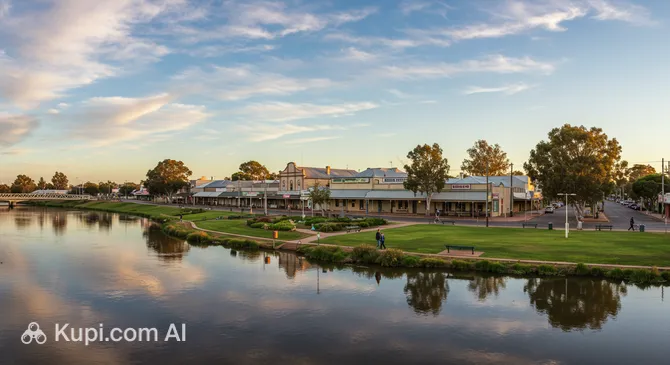
Deniliquin. Illustration.
Source: Kupi.com AI

The town is famous for its relaxed atmosphere and natural beauty. The Edward River attracts enthusiasts of fishing, swimming, and riverside picnics. Those who prefer active recreation will appreciate local golf courses, walking trails, and the opportunity to observe unique fauna in its natural habitat.

It is worth visiting for the feeling of home comfort, genuine hospitality, and a taste of authentic provincial life. In Deniliquin, it's easy to lose track of time while enjoying the tranquility and picturesque landscapes under the vast southern sky.

Weather Overview

The climate in Deniliquin is characterized by clearly defined seasonality, allowing tourists to choose the ideal time for a trip based on their plans. Summer here is truly hot: in January, average daytime temperatures reach 32.8°C, and nights remain warm, around 18.7°C. This time is great for water activities on the river, but you should be prepared for the intense sun.

The winter months bring a chill. The coldest period is considered to be July, when the daytime maximum is around 14.0°C, and at night the temperature can drop to 5.3°C. Although the number of rainy days increases slightly in winter (up to 7–8 days a month), the rain is usually brief and not very heavy. Spring and autumn are transitional seasons with very comfortable temperatures: for example, in March, the air warms up to 27.9°C, and in November—to 26.7°C.

Overall, the region is characterized by hot summers and rather cool winters with moderate cloud cover. To ensure your journey is as comfortable as possible, we recommend checking the expected weather in Deniliquin for your travel dates in advance.

Average monthly temperature

Average monthly precipitation

Interesting Facts

Beyond its main attractions, Deniliquin holds many fascinating secrets that reveal its character from unexpected angles. This town is not just a point on the map, but a living embodiment of the Australian spirit, where traditions of the past meet modern passions.

  • World Ute Capital. The town is known throughout the country and even beyond its borders for the legendary "Deni Ute Muster" festival. This massive event is dedicated to the iconic Australian vehicle—the utility truck (ute). Every year, thousands of off-road fans gather here to participate in competitions, listen to music, and enjoy a BBQ, turning the quiet town into a bustling center of national culture.

  • Gateway to the real bush. Deniliquin proudly carries the unofficial title of "Gateway to the Australian Bush." Nature here is so close to civilization that symbols of the continent—kangaroos or emus—can be seen right on the outskirts of town. Locals are very protective of this proximity, cherishing the region's unique ecosystem.

  • Pioneer Spirit. Founded in the 19th century, the town was originally a key stopover for drovers and farmers. This historical role left its mark on Deniliquin's architecture and atmosphere: the spirit of old Australia is still felt here, carefully preserved within the walls of old buildings and passed down through generations.

  • Home of Talents. Despite its modest size, Deniliquin has been the birthplace of many outstanding personalities. Among the town's natives are famous athletes, musicians, and artists whose achievements have brought fame to the region. Local museums proudly tell their stories, inspiring the youth and visitors alike.

How to Get There

Traveling to Deniliquin is an immersion into the true Australian outback. Since the town is located far from major metropolises, the journey here will take time, but the picturesque landscapes of the Riverina plains will brighten the trip. You can find all available routes and transport types by following the link: more details on how to get to Deniliquin.

Deniliquin itself does not have an airport with regular passenger flights. Most travelers fly into large cities in the neighboring state of Victoria or regional centers in New South Wales, then rent a car or catch a bus. One of the most popular options is Tullamarine International Airport (IATA: MEL) in Melbourne. It is about 237 km from Deniliquin. This is the largest aviation hub in the region, receiving flights from all over the world. A drive from there in a rental car will take about 3 hours.

Another convenient option, especially for domestic flights, is Albury Airport (IATA: ABX), located in the city of Albury. This is the closest major regional airport to Deniliquin, at a distance of about 191 km. The travel time by car is approximately 2 hours and 15 minutes. The airport serves flights from Sydney, Melbourne, and Brisbane, making it an excellent starting point for those who want to reduce their time behind the wheel.

For clarity, here is a summary of the main airports used to reach the region:

AirportPassenger trafficDistance
Bendigo30 000145 km
Narrandera10 608170 km
Griffith Airport73 700175 km
Albury Airport300 000191 km
Wagga Wagga Airport225 000232 km

Regarding rail connections, there are currently no direct passenger trains to the station in Deniliquin. However, this doesn't mean you can't use rail services. A popular method is a combined route (train + bus). Tourists often take a train from Melbourne to the towns of Echuca or Bendigo, where they transfer to comfortable V/Line buses heading directly to Deniliquin. Similar transfer routes are offered by NSW TrainLink when traveling from Sydney via regional hubs.

A car trip remains the most flexible way to get to the town. Deniliquin is at the intersection of the Cobb Highway and the Riverina Highway. The roads here are of excellent quality, and traffic is generally low, making for an enjoyable drive. If you're coming from Melbourne, the trip will take about 3.5–4 hours, while from Sydney, the drive will be significantly longer—around 7–8 hours.

Main Attractions

Deniliquin is a town that knows how to surprise. Despite its modest size, it offers guests a rich cultural program and unique attractions that reflect the spirit of the true Australian outback. From the history of the wool industry to the cult of legendary pickup trucks, everyone will find something interesting here.

One of the town's calling cards is the Peppin Heritage Centre. Located in the building of the first public school, built in the 19th century, this museum complex immerses visitors in the history of the region. Here you will learn about the famous Merino sheep breed, developed by the Peppin family, which played a key role in the development of the wool industry throughout Australia. Additionally, on the complex's grounds, you can see an old jail and a restored shearing shed, allowing you to literally touch the daily life of the early settlers.

For fans of machinery and retro cars, The Depot Historic Collection is a must-see. This is an impressive museum housing a vast collection of vintage cars, trucks, and memorabilia related to the history of transport. The exhibition is arranged with great attention to detail, from shiny classic cars to recreated interiors of garages and shops from the last century. This place is a real paradise for those nostalgic for the "good old days."

It's impossible to imagine Deniliquin without its famous symbol—the "Ute on the Pole" monument. This unusual installation features a real utility vehicle (ute) perched atop a high pole. The monument is dedicated to the annual Deni Ute Muster festival, which brings together thousands of ute fans from all over the world. This art object has become a kind of beacon for the town and a popular spot for souvenir photos, symbolizing the locals' love for their "workhorses."

If you're seeking a connection with nature, head to the Island Sanctuary. This nature park, located on a small island in the middle of the Edward River, is just a few minutes' walk from the town center. Here, among majestic red gums, you can encounter kangaroos, echidnas, and many bird species in their natural habitat. The sanctuary's quiet paths are perfect for morning walks or peaceful relaxation away from the noise.

A visit to the town should conclude at the picturesque Waring Gardens. This central park, with its manicured pathways, lagoons, and ancient trees, is the heart of Deniliquin's community life. It's a pleasant place to simply sit by the water watching the ducks or have a picnic on the grass, enjoying the relaxed atmosphere of this hospitable region.

Local Cuisine

Deniliquin's cuisine reflects the generous nature of the Riverina agricultural region. Simple, yet incredibly hearty and high-quality dishes prepared without unnecessary fuss are valued here. The town's gastronomic calling card is undoubtedly the meat pie. This traditional Australian treat is prepared here with special care, using choice beef or lamb raised on local farms. The crispy pastry and juicy filling make them an ideal snack for travelers.

Thanks to the proximity of the Edward River, fresh river fish often appears on the menus of local establishments. However, the locals' true passion remains the barbecue. Steaks, homemade sausages, and meat delicacies cooked over an open fire are not just food, but a part of the lifestyle. On warm days, families and groups of friends gather in parks to grill meat on public barbecues, enjoying the company and the smoky aromas.

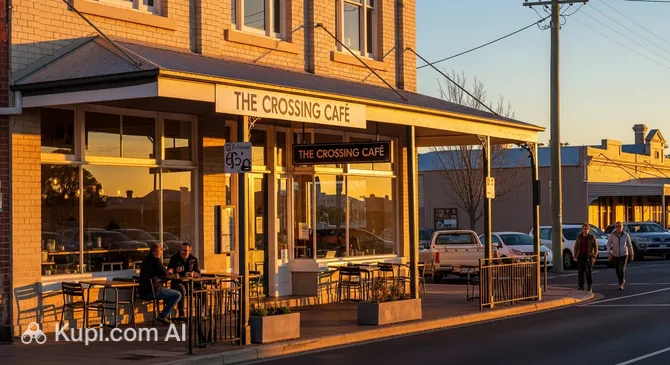
The town's food culture combines the relaxed atmosphere of historic pubs and the coziness of modern venues. For breakfast or lunch, Cafe Crossing is an excellent choice. This popular spot attracts guests not only with its quality coffee but also with a diverse menu emphasizing seasonal produce. Here you can try both classic Australian breakfasts with eggs and bacon and light snacks in a pleasant setting.

The Crossing Cafe. Illustration.
Source: Kupi.com AI

Traveler photos:

If you want to get a closer look at local flavors, be sure to check out the Deniliquin farmers markets. Here you can buy fresh vegetables, natural honey, homemade cheeses, and pastries from small family farms. Additionally, the town regularly hosts food festivals and street fairs where local producers present their best products. This is a great chance to try unique regional delicacies firsthand.

As for drinks, the region is famous for its wines, as the Riverina is one of the country's largest wine-growing areas. In local bars and hotels, such as the Globe Hotel Deniliquin, you will be offered a decent selection of local wines as well as classic Australian beer. Dinner in such a pub is an opportunity not only to eat well by ordering a traditional "counter meal" (a hearty dish at an affordable price) but also to immerse yourself in the authentic atmosphere of provincial hospitality.

Travel Tips

Preparing for your trip to Deniliquin is key to ensuring your holiday in the Australian outback is carefree and fulfilling. We have gathered a list of useful recommendations to help you feel confident and avoid common beginner mistakes in this hospitable region.

  1. Clothing and Gear. The climate here dictates its own rules: in summer (December–February), you will definitely need a hat, sunglasses, and light clothing made of natural fabrics that covers your shoulders from the scorching sun. In winter, nights can be cold, so a warm jacket or fleece will come in handy. Since Deniliquin is in a natural setting, bring comfortable closed shoes for bush walks and definitely insect repellent.
  2. Transport Availability. Public transport in town consists of buses, but they run infrequently and mostly on weekdays. The town center is compact and pleasant to explore on foot. However, for trips to the river or surrounding attractions, renting a car is highly recommended. Ride-sharing apps like Uber may not be sufficient here, so it's better to have the phone number of a local taxi dispatch service handy.
  3. Finances and Budget. The official currency is the Australian dollar (AUD). Cards are accepted almost everywhere: in supermarkets, hotels, and cafes. However, for visiting farmers markets or small shops, it's better to have cash on hand. Tipping in Australia is not a strict obligation, but rounding up the bill or 10% for excellent service in a restaurant will be received with gratitude.
  4. Health and Safety. Deniliquin is a safe town, but the main risks here are nature-related. The sun is very strong, so use SPF 50+ sunscreen even on cloudy days. Pharmacies are concentrated on central streets (Napier and Cressy Street) and follow standard working hours; there are no 24-hour points. The emergency number for all services is 000.
  5. Communication and Internet. The primary language is English, but be prepared for some specific Australian slang. Free Wi-Fi is available at the library and some cafes, but it's not always fast. If you need stable mobile internet, it's better to buy a SIM card from Telstra or Boost Mobile, as they have the best coverage in rural areas.
  6. Local Etiquette. Deniliquin residents are open and friendly. It is customary to greet bus drivers and shop assistants with a simple "G'day" or "Hi." Pubs have a relaxed atmosphere, and if you are out with a group, the unspoken "shout" rule applies—everyone takes turns buying a round of drinks for the whole group.
  7. Road Caution. The most important rule for drivers in rural areas: avoid driving at dawn and dusk. This is when kangaroos are most active and often hop onto the road, creating a serious risk of an accident. If you must drive, significantly reduce your speed.
  8. River Leisure. The Edward River is a great place to relax, but remember water safety. Never dive into unfamiliar spots due to snags (submerged branches) on the bottom, and don't swim alone. Currents can be stronger than they appear, so choose designated swimming areas.

By following these simple tips, you can easily blend into the relaxed rhythm of Deniliquin life and get the most out of your interactions with local nature and people. We wish you a safe and unforgettable journey!

Entertainment & Nightlife

Nightlife in Deniliquin reflects the calm and friendly character of the Australian outback. You won't find noisy metropolitan clubs with neon signs here, but you can immerse yourself in the authentic atmosphere of traditional pubs and cozy venues where every guest feels at home. Evening entertainment in the town is mainly concentrated along central streets like Napier Street and Cressy Street, where life continues after sunset.

The heart of evening leisure here is "pub culture." Locals visit bars not just for drinks but for socializing, watching sports matches, and playing pool. One of the most colorful spots is the Globe Hotel Deniliquin. This historic establishment preserves the spirit of a bygone era: here you can try classic beers, enjoy a hearty "counter meal" dinner, and listen to live music, which often plays on weekends. The atmosphere is as casual as it gets, and the crowd ranges from local farmers to tourists traveling across the country.

For those who prefer to start the evening with a more relaxed gastronomic experience, Cafe Crossing is an excellent choice. While this place is famous for its breakfasts and lunches, in the evening (especially at the end of the week), it becomes a cozy location for dinner with friends. Here you can enjoy modern cuisine and a glass of wine in a relaxed setting before heading to a bar. RSL clubs (Returned and Services League) are also popular leisure spots in town, offering affordable drinks and entertainment.

When planning your evening, consider a few practical points. The dress code in most venues is casual: jeans and a T-shirt are perfectly appropriate. Kitchens in pubs and restaurants usually close quite early, around 8:30–9:00 PM, so it's better not to delay dinner. The bars themselves may stay open until midnight or a bit later on Friday and Saturday, but the town goes to sleep earlier on weekdays. Prices in Deniliquin are moderate; the average check for dinner with a drink will be lower than in major cities.

In terms of safety, Deniliquin is a very quiet town. Central areas are well-lit, and night walks here don't cause concern. However, as everywhere, you should exercise reasonable caution. Public transport practically doesn't run at night, so if your accommodation is far from the center, save the number of a local taxi service in advance or arrange a transfer, as catching a car on the street can be problematic.

During the day, the town offers no shortage of interesting activities. After a night out, you can recharge in nature: stroll along the picturesque trails of the Edward River, have a picnic in the park, or visit local museums that tell the story of the region. Active recreation enthusiasts will appreciate the water sports and fishing opportunities that make Deniliquin a popular holiday destination.

Parks & Museums

Deniliquin offers its guests a harmonious blend of well-kept green zones and a rich historical heritage carefully preserved in local museums. The town is perfect for those who want to alternate relaxed walks in the fresh air with an immersion into the unique culture of the Australian outback.

Among the natural attractions, Waring Gardens holds a special place. This picturesque park, established back in the 19th century, is a true oasis of tranquility in the town center. Here you will find shady avenues of centuries-old trees, manicured lawns, and a beautiful lagoon inhabited by ducks and other waterfowl. The gardens are ideal for family picnics, morning jogs, or simply a slow rest with a book in hand, letting you forget the bustle for a while.

For wildlife lovers, the Island Sanctuary is a must-visit. Located on a small island in the middle of the Edward River, this nature park has preserved the pristine bush ecosystem. Walking along its trails among majestic red gums, you can encounter kangaroos, koalas, and many bird species in their natural habitat. This place offers a rare opportunity to feel a connection with Australian nature without traveling far from the town limits.

The cultural program should begin with the Peppin Heritage Centre. The museum is located in the town's first public school building and tells the fascinating story of the rise of Australia's wool industry. It was here that the famous Peppin-Merino sheep breed was developed, which played a key role in the country's economy. The complex also includes an old jail and a restored classroom from centuries past, making it easy to vividly imagine the life of the early settlers.

Another important point on the town map is The Depot Historic Collection. This museum is a real find for fans of machinery and retro style. Its halls house an impressive exhibition of vintage cars, trucks, and everyday objects reflecting the history of transport and travel. Every detail here is steeped in nostalgia, transporting visitors back to the atmosphere of the last century.

If you want to see Deniliquin through the eyes of the locals, head to the Island Sanctuary at dawn or dusk. At these times, nature comes alive: the chances of seeing active kangaroos and hearing the chorus of birds are maximized, and the soft light creates perfect conditions for photography.

Getting Around

Deniliquin's transport system is simple and clear, perfectly matching the measured pace of life in this small town. There are no subways, trams, or trolleys here, and the main form of public transport is buses. The town's route network connects residential areas with the central business district, the hospital, schools, and shopping points.

Bus service is operated by local providers (such as the Dyson Group). Services run on a schedule primarily oriented toward the needs of residents: the frequency is higher during the morning and afternoon hours of weekdays. On weekends and public holidays, the number of services can be significantly reduced or non-existent, so tourists should check the schedule at stops or on the Transport for NSW website in advance.

The fare payment system in regional buses differs from that in the capital. While the Opal card is widely used in the state, in remote towns like Deniliquin, paper tickets are often used on local routes. These can be purchased directly from the driver when boarding. It is recommended to always have a small amount of cash, as contactless card payment terminals may not be available on all buses. Fares are reasonable and depend on the type of ticket (single or daily).

For evening trips or if you need to reach a location far from bus stops, the best option is a taxi. A local service (Deniliquin Taxi Service) operates in the town. Cars are not usually hailed on the street with a hand wave—it's more reliable to book a trip by phone. Popular ride-hailing apps like Uber may work inconsistently or be unavailable due to a small number of drivers.

Given Deniliquin's compactness and flat terrain, walking or cycling are excellent alternatives to transport. The town center, with its shops, cafes, and parks, is easily explored on foot. If you plan to explore the surroundings or visit attractions outside the town limits, it is highly recommended to rent a car. This will give you full freedom of movement and independence from public transport schedules.

Accommodation

Accommodation in Deniliquin is diverse and accessible, which is typical for hospitable outback towns. You won't find high-rise five-star complexes here, but the town offers an excellent selection of cozy motels, historic pub hotels, and well-equipped holiday parks. The focus is on comfort, cleanliness, and proximity to nature, making your stay a pleasant part of the journey.

Geographically, the most attractive areas for tourists are the vicinity of the Edward River and the town center. Riverfront accommodation is ideal for families with children and nature lovers: it's quiet, picturesque, and offers direct access to the water. If proximity to cafes, shops, and historical sites is important to you, choose accommodation near the central Cressy Street and Napier Street, where all key sites are within walking distance.

For those who want to dive into the atmosphere of the past, staying in historic buildings is an interesting option. An example of such a place is the Globe Hotel Deniliquin. This is a classic pub hotel, offering guests not only a place to sleep but also the chance to feel the spirit of old Australia, chat with locals, and enjoy a hearty dinner without leaving the building.

Caravan and holiday parks are particularly popular in the region. They offer a wide range of services: from tent and RV sites to comfortable cabins with all amenities. This is a great choice for those traveling by car who value freedom.

Booking tip: Deniliquin is a popular destination, especially during school holidays and long weekends. However, it is critical to plan your trip in advance if your dates coincide with the Deni Ute Muster festival (usually late September – early October). During this period, the town's population increases several times over, and accommodation is booked a year in advance.

The price range in the town varies from budget to mid-range. A night in a hostel or campsite will be inexpensive, while quality motels and cabins offer mid-level pricing. You can book accommodation through popular international online platforms, but in small towns, it's often more advantageous and reliable to call the hotel directly or book through their own websites.

Nearby Cities

For those looking to explore the surroundings, Deniliquin serves as an excellent starting point for day trips to several interesting nearby locations. The Riverina region and neighboring areas of Victoria are rich in history, natural beauty, and gastronomic discoveries, making them ideal for short journeys.

One of the most attractive destinations is Bendigo. This city is famous for its magnificent gold rush heritage, reflected in grand Victorian architecture. Here you can go down into a real mine, visit one of Australia's best regional art galleries, or ride a vintage tram. Another interesting option is Shepparton, known as Victoria's "fruit bowl." The city attracts tourists with its modern Art Museum (SAM) and a picturesque lake surrounded by excellent walking trails. Wine and food lovers should look towards Griffith, where Italian winemaking traditions are strong and famous food festivals are held.

CityPopulationDistance
Finley3 00058 km
Tocumwal1 30064 km
Echuca14 04370 km
Cobram6 01476 km
Kerang4 00096 km

These nearby destinations allow you to gain insight into the region's diverse culture and landscapes, complementing the experience of visiting Deniliquin.

Shopping & Souvenirs

Shopping:

Shopping in Deniliquin is a calm and pleasant activity, free from the rush of huge metropolises. You won't find endless rows of international brands here, but you will appreciate the cozy atmosphere of local commerce. The town offers an excellent selection of shops that satisfy both the daily needs of locals and the requirements of travelers. Special attention should be paid to high-quality "country style" goods, activewear, and the products of regional artisans.

The main retail life is concentrated in the Central Business District (CBD), primarily on Cressy Street and Napier Street. Strolling along these streets is a pleasure: here you will find pharmacies, bookshops, boutiques for men's and women's clothing, and home goods stores. The compact nature of the center makes it easy to visit all interesting points on foot while admiring the historic building facades.

While Deniliquin doesn't have giant shopping and entertainment complexes, there are convenient shopping centers like Deniliquin Plaza (sometimes called Central Deniliquin Shopping Centre). Located near the intersection of Hardinge Street and Napier Street, this center is home to major supermarket chains (e.g., Coles) and a number of specialty stores. It's the perfect place to restock provisions, buy travel essentials, or grab a quick bite.

To experience the true taste of the Riverina region, be sure to visit the local markets. The most popular is the Naponda Farmers Market, usually held on the second Saturday of every month in Waring Gardens. Here, local farmers and producers offer fresh seasonal fruits and vegetables, homemade jams, olive oil, pastries, and plants. This isn't just a place to shop but also a great opportunity to chat with friendly locals.

For souvenirs from Deniliquin, tourists often bring back items related to the legendary Deni Ute Muster festival: T-shirts, caps, car stickers, and drink coolers with the brand's logos. Items made from local wool are also valued, given the region's history, as are works by local artists which can be found in museum gift shops or the information center. Gastronomic souvenirs like local honey or wine from the Riverina valley also make great gifts.

Shops in town usually operate on a standard schedule: Monday to Friday from 9:00 AM to 5:00 PM or 5:30 PM. On Saturdays, many retail outlets, especially small boutiques, close after lunch (around 12:30 or 1:00 PM). On Sundays, mostly only the large supermarkets are open, while most specialty stores are closed. Credit cards and contactless payments are accepted almost everywhere, though it's recommended to have some cash on hand for visiting the markets.

Tourists making large purchases should remember the Tax Refund System (TRS). In Australia, you can get a refund on the Goods and Services Tax (GST) if the total purchase in one store (on one or more receipts) is 300 AUD or more, and the goods were purchased no earlier than 60 days before departure. Refunds are processed at international airports upon leaving the country, so be sure to keep original receipts marked "Tax Invoice."
Reached the end of the page?

That means the route is fully explored