Support

Kerang

About

Kerang is a picturesque and welcoming town located in northern Victoria. Often referred to as the "lake district" of the region, it serves as an important agricultural and commercial hub while maintaining the charm of quiet rural life. For travelers exploring the continent, a trip to a country like Australia would be incomplete without discovering its regional heartland, and this town is perfectly suited for immersing yourself in an authentic atmosphere.

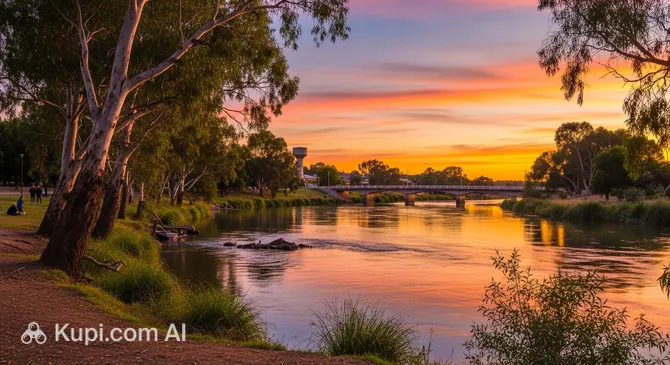
Kerang. Illustration.
Source: Kupi.com AI

Geographically, the town is situated on the banks of the Loddon River, surrounded by an extensive system of lakes and wetlands, approximately 280 kilometers northwest of Melbourne. With a population of about 4,000 people, it offers a comfortable climate with hot summers and mild winters, which favors both agriculture and outdoor activities. The town's unique historical heritage is closely intertwined with the development of water resources and irrigation, which transformed this arid area into a thriving agrarian oasis.

Tourists are drawn here primarily by the unique natural opportunities. Kerang is famous for its lakes, which are excellent for fishing, kayaking, and water skiing, and it is also home to one of the largest ibis colonies in the Southern Hemisphere, making it a true paradise for birdwatchers. If you are looking for tranquility, fresh air, and a chance to escape the city bustle surrounded by eucalyptus trees and water, Kerang will be a wonderful stop on your itinerary.

Weather Overview

The climate of Kerang is typical for northern Victoria and features clearly defined seasons, allowing tourists to plan a variety of activities throughout the year. Summer here, lasting from December to February, is truly hot: average daytime temperatures in January reach 32.5°C, while nights remain warm (around 18°C). This is the peak season for water skiing enthusiasts and swimming in local lakes, although rainfall is low during this time, especially in February.

The winter period (June–August) brings a noticeable coolness. During the day, the air warms up to an average of 10–14°C, but nights can be cold with temperatures dropping to 5.5°C in July. This time of year is suitable for cozy evenings by the fireplace and quiet walks in nature, as the number of rainy days remains moderate (about 6–7 days per month).

Spring and autumn are transitional seasons with very comfortable conditions. For example, in March and November, daytime maximums range from 26°C to 27°C, which is ideal for sightseeing. Expect a hot summer with occasional cloudiness and cool, relatively dry winters. Before your trip, we recommend checking the expected weather in Kerang for your visit dates to choose the right wardrobe.

Average monthly temperature

Average monthly precipitation

Interesting Facts

Behind the quiet pace of life in this town lie surprising features that not all travelers know about. Kerang, located in southern Australia, can surprise even seasoned tourists not only with its landscapes but also with unique biographical facts.

  • Bird Capital of the Continent. Kerang proudly bears the unofficial title of "Ibis Capital." One of the largest colonies of these birds in the Southern Hemisphere (Middle Lake Ibis Rookery) is located nearby. Local residents are so proud of this neighborhood that the ibis has become a true symbol of the region.

  • A Lunar Name. The etymology of the town's name is quite poetic. It is believed that the word "Kerang" comes from the local Aboriginal language and translates as "Moon". According to legend, the reflection of the night luminary in the waters of local lakes has always been particularly bright and mesmerizing here.

  • Water Labyrinth. The town is surrounded by a unique system of more than 50 lakes and lagoons. These wetlands are of international significance and are protected under the Ramsar Convention, being home to thousands of waterfowl and rare plants.

  • Energy of the Future. Kerang has become a pioneer in the field of renewable energy in the region. A large-scale project was implemented here to create a solar farm integrated with giant energy storage systems (Tesla batteries), turning a traditional agricultural area into a technological hub.

How to Get There

When planning a trip to Kerang, it's worth noting that the town does not have its own airport. The main flow of tourists arrives through major transport hubs in Victoria and then continues the journey by land.

The most convenient option for international and domestic flights is Tullamarine (IATA: MEL). This is Melbourne's main airport, located in Melbourne, about 230 km from Kerang. The drive by rental car or taxi will take about 3 hours. It is the region's largest air hub, receiving flights from all over the world.

An alternative could be the regional Mildura Airport (IATA: MQL), located in the city of Mildura. The distance to Kerang is about 236 km, which also requires about a 3-hour drive. This airport is convenient for those traveling within Australia who want to avoid metropolitan traffic.

For clarity, here is a summary of the main airports through which you can reach the region:

AirportPassenger trafficDistance
Bendigo30 000117 km
Tullamarine Airport35 mln230 km
Mildura Airport236 000237 km
Griffith Airport73 700256 km
Avalon Airport900 000260 km

Since there are no direct flights to the town, the final stage of the journey to Kerang is usually by road. Travelers often rent a car at their arrival airport or use interstate buses and Victoria's rail network (Swan Hill line), which connects the region to Melbourne.

Main Attractions

Kerang is a charming town in Victoria, often called the "lake capital" of the region. If you are planning a trip to Australia and want to see the continent's real rural life surrounded by nature, this place is definitely worth a visit. The town is famous for its relaxed pace and unique natural wealth.

The main natural attraction of the area is the Kerang Lakes system. This is an extensive network of freshwater and saltwater bodies that attract fans of water sports, fishing, and camping. Lakes such as Kangaroo Lake or Lake Charm are ideal for water skiing and family picnics on the shore, offering scenic views and coolness on hot days.

For wildlife enthusiasts, Kerang is of particular interest due to its incredible bird diversity. The town is known as the habitat of one of the largest ibis colonies in the Southern Hemisphere. Local wetlands of international importance under the Ramsar Convention are home to thousands of waterfowl, making the area a haven for birdwatchers and photographers.

Those interested in history and culture should visit the Kerang Historical Museum. The museum's exhibits tell the story of the first settlers, the development of agriculture, and irrigation in the region. Here you can see vintage machinery, household items, and photographs that allow you to immerse yourself in the atmosphere of past centuries.

In the very heart of the town is the Karlie McDonald Memorial Clock Tower. This Art Deco architectural structure is not only a recognizable symbol of Kerang but also an important local heritage monument. A stroll through the town center will also allow you to appreciate other historic buildings and cozy parks that create the unique character of this Australian corner.

Local Cuisine

Kerang's gastronomic scene is a perfect reflection of the spirit of rural Victoria. When traveling through Australia, it is in such small towns that you can experience the continent's authentic cuisine based on fresh farm produce. There is no chasing of high fashion here, with a preference for hearty, straightforward, and quality-prepared dishes.

The local menu is based on classic "pub" food. You must try the chicken parma (chicken breast with tomato sauce and melted cheese)—this dish is considered an unofficial culinary symbol of the state. Kerang is also famous for its bakeries: the traditional Australian meat pie is made with special skill here, often using beef from local farmers. Those with a sweet tooth should definitely try a vanilla slice—a popular dessert similar to a mille-feuille.

Thanks to the developed agriculture in the region, local establishments actively use seasonal vegetables, fruits, and dairy products. Kerang is in an irrigation zone, so you can always find fresh citrus, stone fruits, and quality cheeses, which are often served in cafes as snacks.

As for drinks, the quality coffee culture characteristic of the whole country reigns here. In local pubs, you will be offered a wide selection of refreshing Australian beer, perfect for quenching thirst on a hot day. In addition, the proximity to Victoria's wine regions allows you to enjoy a glass of excellent Shiraz or Chardonnay with dinner.

The food culture in Kerang is relaxed and friendly. The centers of social life are the historic hotels and pubs, where locals gather with their families. Tourists are also recommended to stop by small roadside cafes and bakeries, where you can have a quick snack and feel the true hospitality of the Australian outback.

Travel Tips

Kerang, located in Victoria's lake district, offers travelers a peaceful escape from the bustle of the big cities. To ensure your trip to Australia and your discovery of this cozy corner go perfectly, we have prepared a list of practical recommendations to help you feel at home here.

  1. Clothing and Equipment. Since Kerang is inland, the climate can be contrasting. In summer (December–February), be sure to bring a hat, sunglasses, and high-SPF sunscreen—the Australian sun is very intense. In winter, nights can be quite cold, so a warm jacket or fleece won't go amiss. For walks in nature parks and around lakes, comfortable closed shoes are useful.
  2. Transport. Public transport within Kerang is limited as the town is small. You can get here on a V/Line train from Melbourne, but for moving around the outskirts and trips to the lakes, it is highly recommended to rent a car. Rideshare apps like Uber may not be available (or have very few cars), so rely on your own wheels or walking within the center.
  3. Finances. The currency is the Australian Dollar (AUD). Supermarkets and most cafes accept Visa and Mastercard, and contactless payment is widespread. However, for visiting farmers' markets or small shops, it's better to have some cash. Tipping is not a strict obligation, but rounding up the bill is always appreciated.
  4. Health and Safety. Kerang is a safe and quiet town. There are pharmacies, but they are not open 24/7 (usually closing at 5:30 or 6:00 PM), so it's best to bring essential medications with you. Be careful in nature: snakes can be found in long grass near water bodies, which is a normal part of the Australian ecosystem—just watch your step and stick to the trails.
  5. Communication. The official language is English. Locals speak with a characteristic Australian accent and use slang, but are always ready to help a tourist. For mobile connectivity, it's best to buy a SIM card from Telstra (or MVNOs using their network), as they have the best coverage in rural Victoria. Free Wi-Fi can be found at the library or popular cafes.
  6. Local Etiquette. Australians are very friendly and value informality. A greeting like "G'day" and a smile will help build rapport. It is customary to queue in public places—attempting to push ahead will be viewed very negatively. When addressing strangers, politeness and simplicity are key to success.
  7. What to Avoid. Never leave litter in nature and strictly follow fire safety rules. During the summer in Victoria, Total Fire Bans are often in effect due to bushfire risk. Violating these rules results in huge fines and condemnation from locals.
  8. Establishment Hours. Remember that life in small Australian towns winds down early. Many shops close as early as 5:00 PM, and pub kitchens may stop taking orders around 8:00–8:30 PM. Plan your dinner in advance so you don't go hungry.

Following these simple rules will make your stay in Kerang easy and pleasant. Enjoy the hospitality of the locals, explore the scenic lakes, and immerse yourself in the authentic atmosphere of the Australian outback without any extra worries!

Entertainment & Nightlife

Nightlife in Kerang has its own unique provincial charm and differs significantly from the rhythm of major cities. Here you won't find noisy nightclubs with neon signs or 24-hour dance floors. Evening leisure in this small Australian town is primarily about cozy gatherings in traditional pubs, a delicious "counter meal," and relaxed live conversation.

Main social activity is concentrated in the town center, mostly along Wellington Street and Victoria Street. This is where the main venues are located, where locals come to relax after a day's work. One such place is the Kerang Hotel—a classic Australian pub where you can have a pint of cold beer, watch cricket or AFL on the big screen, and play a game of pool. Another popular spot is Kerang Sporties (a sports club), which often becomes the center of evening life thanks to its affordable bistro and entertainment areas.

The atmosphere in local establishments is as casual and relaxed as possible. There is no strict dress code: comfortable everyday clothes (jeans, t-shirts, sneakers) are perfectly appropriate. The crowd is generally very friendly and open. It won't be difficult for a tourist to start a conversation with locals at the bar—Australians in regional areas are famous for their hospitality.

When planning your evening, it's important to keep a few practical points in mind:

  • Operating Hours: Life in town quiets down early. Pub and restaurant kitchens usually take last orders around 8:00–8:30 PM. The bars themselves might close by 10:00 or 11:00 PM on weekdays, and the fun might last until midnight or slightly later only on Friday or Saturday.
  • Transport: Since services like Uber may be unavailable or unreliable here, and public transport does not run at night, it's better to plan your route in advance. If you aren't staying in the center, arrange a transfer with your hotel or find a local taxi number beforehand.
  • Safety: Kerang is a very safe town. Night walks pose no threat, however, the streets can be quite dark and deserted. It's recommended to stick to the well-lit central paths.

During the day, entertainment is more educational and nature-oriented. The town is ideal for history buffs and eco-tourists. You can visit the Kerang Historical Museum to dive into the region's past or head to the park areas around the lakes for which the district is famous, for a picnic or birdwatching.

Parks & Museums

Kerang harmoniously combines the natural beauty of the lake district with a careful attitude toward the heritage of the past, offering tourists scenic spots for relaxation and educational cultural sites. The town and its surroundings are famous not only for their water resources but also for well-kept green areas where you can hide from the midday heat, as well as museums preserving the stories of the first settlers.

For nature lovers and those enjoying quiet walks, there are several notable places in and near the town:

  • Atkinson Park. This is perhaps the most popular green space in the heart of the town, located on the banks of the Loddon River. The park is ideal for families: it is equipped with modern playgrounds, BBQ areas, and convenient walking paths. Tourists appreciate this spot for the chance to have a picnic in the shade of eucalyptus trees with a river view without traveling far from civilization.
  • Ibis Rookery Reserve. Located at Middle Lake near the town, this natural site is a must-visit for birdwatching enthusiasts. It is home to one of the world's largest colonies of ibises and other waterfowl. For convenient observation, a special bird hide is provided, offering a panoramic view of the wetlands and allowing you to see Australian fauna in its natural habitat.

The cultural program in Kerang will allow you to deeper understand how this agricultural region developed:

  • Kerang Historical Museum. This museum is a true treasure trove for those interested in the history of the Australian outback. The exhibition includes restored buildings from the pioneer era, vintage agricultural machinery, vintage cars, and household items from the 19th and 20th centuries. Visitors note the museum's special atmosphere, which allows you to literally touch the past and see how local farmers lived and worked a century ago.
  • Gallery at the Sir John Gorton Library. The local library building often hosts exhibitions of works by regional artists and craftspeople. This small but cozy space provides insight into the community's modern creative potential and often features displays dedicated to local landscapes and flora.

Among the architectural landmarks, the Karlie McDonald Memorial Clock Tower holds a special place. This Art Deco structure, built in the 1920s, is not just a symbol of the town but a monument with a touching story. The tower attracts attention with its strict geometry and serves as an excellent landmark during walks through the center.

Insider Tip: If you want to see Kerang from an unexpected perspective, go for a walk along the Loddon River trail at sunset. At this time, the light falls softly on the water, and the old river red gums look particularly majestic. This is the best time for photos and meditative relaxation in silence.

Getting Around

The public transport system in Kerang matches the size and quiet pace of life of this small town in Australia. Here you won't find the metro, trams, or the extensive network of city routes common to metropolises. The compactness of the center allows you to reach most shops, administrative buildings, and cafes on foot, making walking the primary way for tourists to get around within the town.

The main transport hub is Kerang Station. Trains from the regional operator V/Line pass through it, connecting the town with Melbourne (departing from Southern Cross Station) and Swan Hill. The train is the most reliable and comfortable way to reach Kerang. Carriages are air-conditioned and equipped with toilets, providing comfort even during long journeys through Victoria.

In addition to trains, regional coaches, also operated by V/Line, run through the town. They supplement the rail schedule and connect Kerang with communities that lack rail services. Within the town itself, there are virtually no regular local buses in the traditional sense, so you shouldn't count on a bus for a short trip from a hotel to a restaurant.

To pay for travel on V/Line trains and coaches, it is recommended to purchase tickets in advance. This can be done through the carrier's official website, mobile app, or at the station ticket office. Please note: although the myki card is used in Melbourne's suburban zone, long-distance trips to this region often require paper tickets with a reserved seat. Travel costs across the state are currently quite affordable due to regional fare caps on the maximum daily ticket price.

To explore the scenic surroundings and visit the famous lakes, a car is the best solution. There are no major international rental brand offices in Kerang itself, so it's better to arrange a car rental in a large city or at your arrival airport. Taxis exist in town, but you won't be able to "hail" a car on the street—the trip must be booked by phone in advance. Rideshare apps here may be unstable or have long wait times.

An alternative and eco-friendly way to get around is by bicycle. The terrain here is mostly flat, making cycling easy and pleasant, especially along the Loddon River waterfront. However, there is no automated bike rental on the streets, so you should check with your accommodation or the local visitor information center about the possibility of renting two-wheeled transport.

Accommodation

Accommodation options in Kerang perfectly reflect the atmosphere of the authentic Australian heartland. Here you won't find the skyscrapers of international hotel chains or luxury spa resorts. Instead, the town offers cozy and practical formats: classic roadside motels, well-equipped caravan parks, and budget rooms in historic pubs. These are honest and comfortable lodgings that are perfect for road trippers and those seeking connection with nature.

Most properties are strategically located along main routes, such as the Murray Valley Highway and the Loddon Valley Highway. This provides quick access to local supermarkets and cafes. If your goal is scenic views, look for holiday parks near the Loddon River or the lakes. Self-contained cabins are often available there, combining proximity to the water with necessary town amenities.

When planning a trip, it's important to consider the seasonality factor. Kerang attracts fishing and water sports enthusiasts, so during school holidays, Easter, and long weekends, demand for accommodation rises sharply. On these peak dates, booking well in advance is highly recommended. At other times of the year, finding a free room is usually not difficult, even a few days before arrival.

Pricing in the town is quite democratic, with a predominance of budget and mid-range segments, making a stay accessible to most tourists. While many properties are listed on major online aggregators, direct booking remains effective in rural Victoria. A phone call or email to a motel manager often helps find a room even if internet services show no availability.

Nearby Cities

For those who want to explore the surrounding area, Kerang serves as an excellent starting point for day trips to several interesting nearby places:

Just over an hour's drive away is picturesque Echuca, located on the banks of the mighty Murray River. This town is famous for its historic port and the world's largest fleet of operating paddlesteamers. It's an ideal place to immerse yourself in the atmosphere of 19th-century river shipping, walk along the old wharf, or take a relaxing cruise on the water.

A little further south lies the majestic Bendigo, which impresses with its Victorian-era architecture—a legacy of the gold rush days. Here, travelers can descend into a real gold mine, Central Deborah, visit one of Australia's best regional art galleries, or ride the famous "Talking Tram" that introduces the town's history.

CityPopulationDistance
Swan Hill9 86456 km
Echuca14 04387 km
Deniliquin7 86296 km
Bendigo95 587118 km
Kangaroo Flat10 394121 km

These nearby destinations provide insight into the diverse culture and landscapes of the region, complementing a quiet holiday in Kerang with vivid impressions.

Shopping & Souvenirs

Shopping in Kerang is a quiet and leisurely activity, fully in keeping with the pace of life in this small town in Australia. You shouldn't expect giant malls or high-fashion boutiques here. Instead, the town offers a range of necessary stores for a comfortable stay, as well as several colorful shops where you can find essential goods and feel the spirit of the local community.

Main shopping points are concentrated in the compact town center, mostly on Wellington Street and Victoria Street. Strolling through these streets under historic awnings that protect from the sun, you will find cozy clothing stores, pharmacies, newsagents, and home and camping supply stores. There is a friendly atmosphere here where business owners often personally serve customers and are always ready to help with advice.

There are no large multi-story shopping centers in Kerang. The role of main shopping hubs is played by the areas around chain supermarkets (such as Woolworths), where you can buy all food products and household items. Small specialized shops are often located near them: bakeries with fresh bread, butchers with quality local meat, and bottle shops. These are the most convenient locations for stocking up on provisions before a trip into nature.

Of special interest to tourists is the Kerang Community Market, traditionally held at Atkinson Park on the fourth Saturday of the month. This lively and colorful event gathers local farmers and artisans. Here you can purchase fresh seasonal vegetables and fruits, homemade jams, baked goods, plants, and handmade items. Visiting the market is the best way to support local producers and find something truly unique.

As souvenirs from Kerang, it's worth bringing back products from regional artisans or farmers. Look for local honey, olive oil, or homemade preserves often sold at the market or the information center. Local "op shops" are also popular with travelers, where you can sometimes find real treasures among vintage items and books for a symbolic price.

The shop hours here are typical for rural areas. Most private shops are open Monday to Friday from 9:00 AM to 5:00 PM or 5:30 PM. On Saturday, trading takes place mostly in the morning—until 12:00 or 1:00 PM, and Sunday is a day off for many small shops. Large supermarkets operate longer (often until 8:00 or 10:00 PM) and are open seven days a week. Bank cards are accepted everywhere, however, it is recommended to have some cash for market purchases or small amounts.

Tourists can take advantage of the Tourist Refund Scheme (TRS), which operates nationwide. If you purchase goods totaling 300 AUD or more from a single business (including local supermarkets or electronics stores) and keep the tax invoice, you can claim a GST refund when leaving the country. The refund process takes place at the departure airport, so keep your receipts and have the goods in your carry-on or be ready to present them to customs.
Reached the end of the page?

That means the route is fully explored