Support

Stawell

About

Stawell is a picturesque and cozy corner in the state of Victoria, often called the "gateway to the Grampians." Located about 230 kilometers northwest of Melbourne, the town offers travelers a unique opportunity to experience the authentic atmosphere of the region. This is the real Australia: a harmonious blend of a relaxed rural rhythm, majestic nature, and modern comfort. With a population of just over 5,700, Stawell retains the friendliness of a small community where every guest is genuinely welcome.
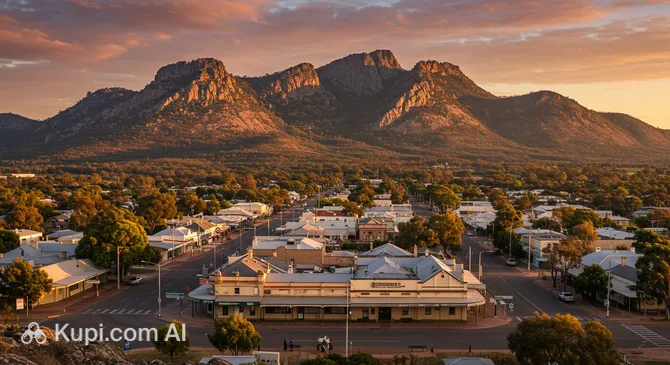
Stawell. Illustration.
Source: Kupi.com AI

The town possesses a special charm thanks to its architecture and past. Stawell's rich historical heritage is rooted in the gold rush era, which is still visible in the appearance of the old buildings in the central part of town. Walking through the streets, you can feel the spirit of a time when this region was a magnet for fortune seekers. Today, it is a peaceful administrative center surrounded by farmland and vineyards, where life flows calmly and steadily.

The main point of attraction for tourists is its proximity to the Grampians National Park. The town serves as an ideal base for those planning mountain hikes, rock climbing, or simply picnics against the backdrop of breathtaking landscapes. Additionally, Stawell is world-famous for the annual Stawell Gift—one of the oldest and most prestigious professional footraces in the country. Culture lovers will also find plenty to do here, visiting local art galleries and museums.

Stawell is worth visiting to take a break from the hustle and bustle of big cities and breathe in the clean air of the Australian outback. This place will treat you to beautiful sunsets, local traditions, and a sense of true adventure in the vastness of Victoria.

Weather Overview

The climate in Stawell is temperate, with clearly defined seasons, making the town accessible for visiting year-round; however, your experience will depend on the time you choose. Summers are generally warm and dry, while winters bring cooler temperatures and most of the annual rainfall.

Summer months (December–February) offer comfortable warmth. In January, the average temperature is around 21.6°C, with daytime temperatures often reaching 28.6°C. This is the driest time of year: for instance, February sees an average of only 2 rainy days. Winter (June–August), by contrast, is quite crisp. In July, the average temperature drops to 8.1°C, and nights can cool down to 4.5°C. The number of rainy days in this period increases to about 11 per month.

Expect a warm, sunny summer, ideal for walking, and cool, wetter winters requiring warm clothing. To plan your wardrobe for the trip as accurately as possible, we recommend checking the expected weather in Stawell for your visit dates in advance.

Average monthly temperature

Average monthly precipitation

Interesting Facts

Beyond its main attractions, Stawell holds many fascinating secrets that reveal themselves only to curious travelers. This town is not just a point on the map, but living history where sporting traditions intertwine with legends of untold wealth.

  • The Capital of Professional Running: The town is home to a unique event—the Stawell Gift. This is not just a competition, but the oldest and most prestigious professional footrace in Australia, held since 1878. The race's unique feature is that it takes place on a grass track, and winners receive significant cash prizes, attracting runners from all over the world.

  • Golden Heritage: Stawell owes its existence and architectural appearance to the 19th-century gold rush. It was here, deep within the Victorian soil, that some of the largest gold nuggets in the continent's history were found. This discovery brought the town instant fame and wealth, traces of which are still captured in the grand buildings of the historic center.

  • Gateway to the Wilderness: The town's unofficial nickname—"Gateway to the Grampians"—is fully justified by its location. Tourists often use Stawell as a base for expeditions into the national park, and spotting a kangaroo in its natural habitat is not a rarity here, but rather a common occurrence for locals living next door to nature.

  • Cultural Crossroads: The town is proud not only of its athletes but also of its rich cultural layer. Here, Indigenous traditions are carefully respected, and legends from the gold mining era are passed down from generation to generation, creating a unique atmosphere where the past harmoniously coexists with the present.

How to Get There

When planning a trip to this colorful Australian town, it is important to think through your route in advance. Stawell is located in the western part of Victoria, and although it is somewhat inland, getting here is quite simple thanks to a well-developed transport network. You can find out more about how to get to Stawell by exploring various route options, from flights to car trips.

There is no passenger airport in Stawell itself, so most tourists arrive via the air hubs of nearby major cities. The main transit point for travelers is Tullamarine (IATA: MEL) international airport, located in Melbourne. It is approximately 195 km from Stawell. This is the region's largest airport, receiving flights from all over the world. The drive from there in a rental car or taxi takes about 2.5–3 hours along the scenic Western Highway.

Another convenient option is Avalon Airport (IATA: AVV), which also serves Melbourne and is located about 185 km from Stawell. Budget airlines often fly here. The drive from Avalon takes about the same amount of time—around 2.5 hours. For those traveling from South Australia, Mount Gambier Airport, located about 192 km away, may be a relevant option.

For convenience, here is a summary of the main airports used to reach the region:

AirportPassenger trafficDistance
Bendigo30 000143 km
Avalon Airport900 000185 km
Mount Gambier Airport71 500192 km
Tullamarine Airport35 mln195 km

Rail travel is also a popular way to get to Stawell. The town's railway station serves the famous The Overland train, which runs between Melbourne and Adelaide. Additionally, you can reach Stawell from Melbourne using the V/Line regional network: usually, the route involves taking a train to Ararat station, where passengers transfer to a comfortable connecting bus that takes them directly to the center of Stawell. For road travelers, the drive from Melbourne along the A8 highway is an enjoyable part of the adventure, offering views of the Australian outback.

Main Attractions

While many travelers know this town for its famous race and cozy parks, the list of interesting places here is much wider. Stawell’s attractions and its surroundings offer a unique blend of natural beauty, Indigenous culture, and industrial power that is rarely found in one place.

One of the most unusual and memorable locations is Sisters Rocks. These massive granite boulders, located right off the Western Highway, look like a giant rock garden. However, their uniqueness is not only geological: for over a hundred years, travelers have left their names and messages here. Examining the inscriptions, some of which date back to the 19th century, allows you to touch a kind of "folk history" of tourism in the region.

To immerse yourself in the ancient culture of the continent, it is worth heading to Bunjil’s Shelter, located in the Black Range Scenic Reserve. This sacred site for Indigenous peoples houses unique rock art depicting Bunjil—the creator spirit and protector of the land in the mythology of local tribes. The painting is considered one of the most significant examples of Aboriginal art in the state of Victoria and allows visitors to feel a deep spiritual connection between the people and this land.

One must not forget that the town grew on gold, and this story continues to this day. Visit the Stawell Gold Mine Lookout, which offers a panoramic view of an active mining operation. Unlike museums, here you will see the modern scale of precious metal extraction. The contrast between the massive open pits, heavy machinery, and the calm rural landscape around it makes a strong impression and serves as a reminder that the "gold vein" still sustains the town's pulse.

Local Cuisine

Stawell's culinary scene is a reflection of its rich rural heritage and proximity to the region's fertile lands. Simple but high-quality products grown on local farms are valued here. The menus of most establishments are based on fresh beef and lamb, complemented by seasonal vegetables. The town's gastronomy is a story of honest food that satisfies and provides a sense of home comfort after long walks in nature.

The main gastronomic symbol that every guest should try is the traditional Australian meat pie. Local bakeries prepare them with special care, offering hearty fillings of minced meat in a thick gravy. Barbecue also holds a special place—here, BBQ is not just a cooking method but a way of life. For dessert, be sure to order a "Lamington"—a sponge cake in chocolate icing with coconut flakes—or the airy "Pavlova" meringue cake with fresh fruit, which is considered a national pride of Australia.

For lovers of fine drinks, the region offers excellent tasting opportunities. The outskirts of Stawell are surrounded by vineyards producing excellent wines, particularly Shiraz and Riesling varieties. Visiting local wineries is a great addition to lunch or dinner. If you prefer non-alcoholic beverages, the cozy town cafes offer high-quality coffee, the culture of which is very well-developed here.

The dining culture in the town is casual and relaxed. Locals and tourists often meet at farmers' markets, where you can buy artisanal cheeses, fragrant honey, and organic products directly from producers. During the season, lively culinary festivals are held, allowing you to meet the region's best chefs and learn the secrets of cooking authentic Australian outback dishes.

Travel Tips

A trip to Stawell is an immersion into the real Australian outback, where majestic nature sits alongside the rich history of the gold rush. To ensure your trip to this cozy Victorian town is as comfortable as possible and full of only pleasant surprises, we have prepared a list of important practical recommendations.

  1. Clothing and Sun Protection: The weather in the region can be changeable. Even if the forecast promises warmth, the principle of layering is your best friend. In summer (December–February), the sun here is very intense, so a hat, high-quality sunglasses, and sunscreen with high SPF are mandatory. For walks in the nearby Grampians National Park, bring comfortable, enclosed trekking shoes—flip-flops are not suitable for the bush.

  2. Transport Matters: Within Stawell itself, you can get around on foot or by taxi, but for a full exploration of the surroundings, car rental is critically important. Public transport to natural attractions is infrequent or non-existent. Note that driving is on the left side of the road, and on regional highways, there is a high risk of encountering wildlife, especially at dawn and dusk.

  3. Finances and Payments: The currency is the Australian Dollar (AUD). Cards are accepted almost everywhere, including supermarkets and petrol stations, but it is worth having some cash for visiting farmers' markets or small cafes. Tipping in Australia is not a strict obligation, but in sit-down restaurants, it is customary to leave about 10% or just round up the bill if you enjoyed the service.

  4. Health and Safety: Stawell is a peaceful town, but nature requires respect. When walking in tall grass or in the woods, watch your step—snakes are not uncommon here. There are pharmacies in town, but they do not operate 24/7 (usually closing at 5:30 PM or by Saturday lunchtime), so it's better to bring necessary medications with you. Tap water is safe to drink.

  5. Communication and Internet: The primary language is English, though the local accent and slang may take some getting used to. Free Wi-Fi can be found in the library and some cafes, but it is not universal. For stable connectivity, especially if you plan to head into the mountains, we recommend buying a SIM card from a provider with good rural coverage (such as Telstra), as other providers may lose signal outside of town.

  6. Local Etiquette: Australians are very friendly and informal. It is customary to greet the driver when boarding a bus and shopkeepers in stores—a simple "G'day" is always appropriate. In a taxi, if you are traveling alone, it is considered polite to sit in the front seat next to the driver to maintain a conversation, though this is not a strict rule.

  7. What to Avoid: Strictly follow fire safety rules. During the summer, Total Fire Ban days are often declared. On such days, you cannot light fires or even use charcoal barbecues outdoors—fines are huge, and the risk of bushfires is real. Also, avoid swimming in unequipped inland water bodies without checking first—there may be hidden logs or currents.

  8. Town Operating Hours: Remember that the rhythm of life here is "rural." Most shops close exactly at 5:00 PM, and many may not open at all on Sundays. Kitchens in pubs and restaurants often stop taking orders as early as 8:30 PM. Plan your dinner in advance so you don't go hungry after a busy day.

By following these simple tips, you can avoid minor everyday inconveniences and fully focus on the beauty of the landscapes and the genuine hospitality of Stawell's residents. We wish you a smooth journey and unforgettable impressions of your Australian adventure!

Entertainment & Nightlife

Nightlife in Stawell is the complete opposite of noisy metropolises with their neon signs and dance floors that stay open until dawn. Here, evening leisure is permeated with the atmosphere of good old Australia, where the centers of attraction are traditional pubs, which locals still traditionally call "hotels." These are places where you can not only grab a glass of ice-cold beer but also have a hearty dinner, discuss the latest news with friendly residents, and feel the true spirit of the outback.

The main evening activity is concentrated around Main Street. This is where you will find the establishments worth visiting for an authentic experience. One popular spot is the Town Hall Hotel—a classic corner pub in a historic building, famous for its massive "counter meals" and relaxed atmosphere. Another iconic establishment is The Gift Hotel, its name a nod to the town's main sporting event. It has a lively sports bar atmosphere where you can play pool or watch a match. For a quieter dinner in a unique setting, it's worth checking out Diamond House—a restaurant located in a unique historic building with distinctive architecture reminiscent of a ship's bow.

The atmosphere in Stawell's venues is very casual and relaxed. There is no dress code: a comfortable casual style (jeans and a t-shirt) will be appropriate everywhere. The crowd is diverse—from local farmers to tourists headed for the Grampians. Prices are more affordable than in the state capital: a hearty dinner with a drink will cost on average 25–40 AUD. When planning your evening, keep one important detail in mind: pub kitchens close quite early, often by 8:30–9:00 PM, although the bars themselves may stay open until midnight, especially on Fridays and Saturdays.

In terms of safety, Stawell is a very peaceful town, and night walks through the well-lit center are generally safe. However, remember that the streets empty out early. If you plan to return late, think through your route in advance. There are taxi services in town, but the number of cars is limited, and catching one "on the fly" at night is almost impossible—it's better to have the number of a local dispatch service handy to call for a ride.

During the day, the entertainment focus shifts toward culture and quiet relaxation. Instead of noisy amusement parks, the town offers cozy museums dedicated to gold rush history or small art galleries. Nature lovers can spend time in the town gardens or go for a picnic at Cato Lake, enjoying the silence before the town sinks back into its steady evening rhythms.

Parks & Museums

The town of Stawell harmoniously combines the rich heritage of the gold rush with the natural beauty of the Australian outback, offering tourists well-maintained green oases and informative museums. Here, you can not only walk in the shade of ancient trees but also dive deep into the history of sports and the life of early settlers.

One of the favorite vacation spots for locals and visitors alike is Cato Park. This picturesque green zone, located around the lake of the same name, is ideal for a family picnic or a morning run. The main highlight of the park is its inhabitants: you can often find ducks and graceful black swans on the water. There is a spacious playground for children, and for adults, there are barbecue areas and convenient walking paths circling the lake.

Equally significant is Central Park, which serves not just as a place for walking but as the true heart of the town's sporting life. This is where the famous oval stadium with its historic grandstand is located, hosting the prestigious Stawell Gift race every year. The park is well-kept and beautiful, and its atmosphere is imbued with the spirit of competition and victory, making it a must-visit even outside of event season.

Nature lovers should stop by the Stawell Arboretum. This corner was created to restore the landscape after the active gold mining era and today is a quiet forest with many species of eucalyptus and other native plants. It is a great place for bird watching: bright musk lorikeets are often seen here. The arboretum grounds offer lovely views of Big Hill.

Among cultural institutions, the Stawell Gift Hall of Fame holds a special place. Located right next to Central Park, this museum is dedicated to the history of the oldest professional footrace in Australia. The exhibition includes unique photographs, sports gear from past years, and multimedia materials telling the stories of the legendary athletes who have competed here since 1878. It is a true treasure trove for anyone interested in sports history.

To touch the era of the gold rush, visit the Stawell Historical Society Museum. It is housed in the former Pleasant Creek Courthouse, built in 1860. Inside are artifacts, documents, and photographs telling of the turbulent days when the town was a magnet for gold seekers from around the world. The building itself is a magnificent example of colonial architecture.

Art lovers will be interested in the Stawell Railway Station Gallery. It occupies the premises of the historic station built in 1877. Here, local artists and craftspeople exhibit their work: from painting and photography to textiles and jewelry. The gallery is run by volunteers and is famous for its cozy atmosphere; on weekends, they sometimes host traditional tea parties.

For those looking for unconventional experiences, we suggest the Big Hill Lookout. While it is not a museum in the classic sense, it features a monument to the gold discoverers, and the panoramic view of the town and the Grampians mountain range serves as the best illustration of the region's geography.

Getting Around

Since Stawell is a relatively small town, it does not have the complex and extensive public transport system typical of major cities. There are no subways, trams, or trolleybuses here. The town center is quite compact, and most of the main shops, cafes, and historic buildings are within walking distance of each other, making walking the most pleasant and simple way to get around.

The main form of public transport is the Town Bus. The route network covers key areas of the town, connecting residential blocks with the central shopping street, railway station, and hospital. However, it is important for tourists to remember that buses in regional Victoria do not run as frequently as in the state capital. Trips usually run according to a schedule with set intervals, so you need to plan your journeys in advance.

The fare payment system in Stawell differs from Melbourne. While the Myki card is used everywhere in the state capital, Stawell's regional town buses often use paper tickets. These can be purchased directly from the driver with cash when boarding. We recommend always having small bills and coins on hand, as card terminals may not be available on all buses. Fares are affordable, with single-trip tickets and daily passes available.

For trips around the surrounding area or if you want to reach the Grampians National Park, public transport is not the most convenient option. The optimal solution is to rent a car. This will give you freedom of movement and the opportunity to visit remote lookouts and wineries. Car rental points in the town itself are limited, so it is often more convenient to rent a car in larger cities along the way or arrange it with local services in advance.

The town is served by Stawell Taxis. Unlike in big cities where you can flag down a car on the street, it is customary here to order a taxi by phone. Popular ridesharing apps (like Uber) may work inconsistently or not at all in this region, so you shouldn't rely solely on them, especially in the evening.

Stawell's railway station is an important transport hub connecting the town with the rest of the state. It serves trains and buses of the V/Line regional network. For these intercity routes, it is best to book tickets in advance via the V/Line website or at the station ticket office. This is the main way to reach nearby major cities like Ararat or Ballarat without a personal vehicle.

Accommodation

Stawell offers travelers a wide selection of accommodation options that perfectly match its status as a "gateway" to the national park and a convenient transit point. You won't find huge resort chains or ultra-luxury hotels here. The bulk of the accommodation consists of cozy and practical places: classic roadside motels, atmospheric historic inns (pubs with rooms), bed and breakfast (B&B) guest houses, and well-equipped caravan parks for camping enthusiasts.

The geography of accommodation in the town is quite simple and convenient. Most motels are concentrated along the Western Highway. This is a strategically advantageous location for motorists: you can easily park right outside your room and get back on the road quickly in the morning. If you prefer to be closer to town life, cafes, and attractions, choose options in the historic center, near Main Street. For those who prefer proximity to nature, the holiday complexes around Cato Lake offer picturesque views.

An important booking tip: while it is usually easy to find a free room, the situation changes drastically during the Easter long weekend. This is when the famous Stawell Gift race takes place, and accommodation is booked six months or even a year in advance. If your trip falls on Easter, make sure to secure a place to stay as early as possible. High demand is also observed during the summer school holidays (December–January).

The price range in Stawell can be described as budget to mid-range. The cost of a standard double room in a motel usually varies from moderate to average, making a stay here accessible for most tourists. You can book accommodation through popular online aggregators, but many small family-run motels and guest houses are happy to take bookings directly by phone or through their own websites, sometimes offering better rates.

Nearby Cities

For those looking to explore the surrounding area, Stawell serves as an excellent starting point for day trips to several interesting nearby locations. The town's location in the western part of Victoria makes it easy to reach the region's major historical and cultural centers.

One of the most popular destinations is Ballarat. This grand city, built on the wealth of the gold rush, is only an hour and a half drive away. Tourists come here to visit the famous Sovereign Hill open-air museum, where you can immerse yourself in the atmosphere of the 1850s, try your hand at panning for gold, and see costumed performances. The architecture of Ballarat's central streets is considered some of the best-preserved in the country.

Another gem of the region is Bendigo. This city offers a unique combination of history and art. Here, you can descend into the real Central Deborah Gold Mine or take a ride on the famous "Talking Tram." Bendigo is also famous for its art gallery and pottery workshops, making it attractive for culture lovers.

If you are drawn to the coast, consider a trip to Geelong. It is the state's second-largest city, located on the shores of Port Phillip Bay. Geelong is known for its lively waterfront with a carousel and sculptures, and it also serves as the gateway to the famous Great Ocean Road. Although the journey takes about two hours, the fresh sea breeze and ocean views are well worth it.

CityPopulationDistance
Ararat8 29729 km
Horsham14 54364 km
Learmonth1293 km
Warracknabeal6 30096 km
Hamilton9 974101 km

These nearby destinations provide insight into the diverse culture and landscapes of the region, from gold fields to ocean shores, complementing the experience of visiting Stawell.

Shopping & Souvenirs

Shopping in Stawell is more an immersion into the slow-paced life of the Australian outback than a hunt for global brands. The town functions as an important service center for the entire region, so you will find a great mix of practicality and provincial charm. Instead of huge, faceless malls, tourists are greeted by cozy family-run shops and stores where owners often personally greet their customers. It is the perfect place to stock up before a trip to the national park or to find unique items created by local artisans.

The heart of the town's commercial activity is Main Street. This is where most shops, cafes, and services are concentrated. Walking along the historic building facades, you will find pharmacies, newsagents, country-style clothing stores, and boutiques with homewares and gifts. The atmosphere here is relaxed: no one is in a hurry, and shopping turns into a pleasant stroll that lets you get to know the town's character better.

In terms of larger retail outlets, Stawell does not have giant entertainment complexes. The primary needs of residents and visitors are met by chain supermarkets like Woolworths. They offer a wide range of groceries, fresh vegetables, fruit, and essential goods. This is especially convenient for tourists planning self-catering or picnics in the nature around the Grampians.

Those looking for unique finds should look out for local markets and fairs that are periodically held in town. Often, such events are organized by local communities or near historical sites. Here you can buy fresh farm produce, home-baked goods, and handmade items from local craftspeople. It’s a great chance to chat with locals and buy something truly authentic.

As for souvenirs from Stawell and its surroundings, gastronomic gifts are the best choice. The region is famous for its wineries, so a bottle of local Shiraz or Riesling would be an excellent pick. Locally produced olive oil, honey, and jams are also popular. Don't forget history: gold-rush-themed souvenirs or quality Australian wool products will serve as long-lasting reminders of your trip.

When planning your shopping, keep in mind that the rhythm of life here differs from big cities. Most small shops are open Monday to Friday from 9:00 AM to 5:00 PM or 5:30 PM. On Saturdays, many shops work on a reduced schedule—until 12:00 PM or 1:00 PM—and are often closed on Sundays. Large supermarkets generally stay open longer and operate seven days a week. Bank cards are accepted almost everywhere, but having a little cash for small purchases at a market or newsstand is a good idea.

For international tourists, the country has a Tourist Refund Scheme. Australia allows you to claim a refund on the 10% Goods and Services Tax (GST) when you depart, provided you purchased goods totaling at least 300 AUD from a single business (can be across multiple receipts) no earlier than 60 days before departure. Be sure to keep your tax invoices if you plan to use this facility at the departure airport.

Reached the end of the page?

That means the route is fully explored