Support

Hamilton

Attractions

About

Hamilton is a charming and cozy city nestled among the picturesque rolling plains of Western Victoria. Located approximately 300 kilometers from Melbourne, it serves as an important cultural and commercial hub for the Western District region of Australia. With a population of around 10,000, Hamilton successfully combines the comfort of modern infrastructure with the relaxed atmosphere of the countryside, making it an attractive destination for travelers seeking peace and tranquility.
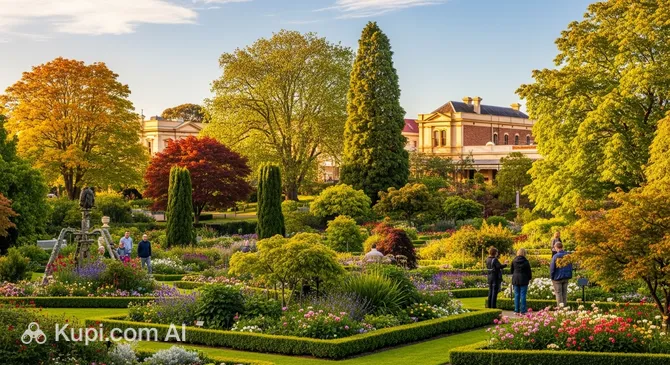
Hamilton. Illustration.
Source: Kupi.com AI

The city possesses a rich heritage and a special charm felt in its architecture and layout. The fascinating history of Hamilton is closely intertwined with the development of the wool industry, earning it the unofficial title of the "Wool Capital of the World" for a long time. Strolling through the wide, tree-lined streets, you will see many beautifully preserved Victorian-era buildings that harmoniously coexist with cozy cafes and modern shops.

For tourists, Hamilton offers excellent opportunities to explore nature and art. One of the city's main gems is the magnificent Botanical Gardens, founded in the 19th century, which is perfect for leisurely walks. Additionally, the city serves as a convenient starting point for trips to the scenic Wannon and Nigretta Falls, as well as the famous Grampians National Park.

A visit to Hamilton is a chance to see an authentic side of the continent, away from the noise of major metropolises. The hospitality of the locals, a rich cultural life, and proximity to unique natural attractions make this city a wonderful place to stop during your journey through Victoria.

Weather Overview

Hamilton's climate can be described as temperate, with distinct seasonal changes, making it attractive to visit almost any time of year. Summer, which in the Southern Hemisphere lasts from December to February, is warm and comfortable here. The average maximum temperature in January reaches 26.4°C, and the number of rainy days is minimal — only about 4-5 per month. This is an ideal time for exploring the region's natural attractions.

Winter (June-August) brings coolness and increased cloud cover. In July, the coldest month, daytime temperatures hover around 11.7°C, and at night they can drop to 5.5°C. Although heavy downpours are rare, the number of rainy days increases significantly, peaking in August (about 15 days). Expect a warm summer with occasional clear days and a cool winter with frequent, but generally not overly heavy, rain.

Spring and autumn delight with mild weather and picturesque landscapes. During these transitional seasons, temperatures fluctuate between 14°C and 23°C, creating pleasant conditions for walking. Before your trip, we recommend checking what the expected weather in Hamilton will be for your dates to choose the right wardrobe.

Average monthly temperature

Average monthly precipitation

Interesting Facts

Beyond its well-known attractions, Hamilton holds intriguing stories and unique traditions that reveal the true character of this city in Australia. Here are some surprising facts to help you see the "Wool Capital" from a new perspective:

  • The "Wool Capital" and a Global Event. Hamilton proudly bears the unofficial title of the "Wool Capital of the World." This status is confirmed by the massive agricultural show Sheepvention. It is not just a fair, but a large-scale event that annually attracts farmers, experts, and tourists not only from across the continent but from other countries as well, turning the city into a bustling hub of agriculture.

  • Birthplace of a National Leader. The city played an important role in political history. It was here that Sir Robert Menzies was born and raised; he later became one of the country's most famous Prime Ministers. Locals are proud of this connection, and his family history is closely intertwined with the region's development.

  • A Mystical Legend. Like any old city, Hamilton has its secrets. A popular legend among locals is that of the "Ghost Shepherd." It is said that in the misty morning hours, a silhouette can be seen in the fields, still wandering the outskirts and carefully watching over lost sheep as if continuing his eternal work.

  • Unique Architecture. Walking through the streets, you will notice many buildings constructed from a specific material — bluestone. This durable and beautiful material is characteristic of the region's volcanic plains. The preserved Victorian-era mansions, churches, and schools give Hamilton a noble and slightly austere historical appearance, rarely found in more modern cities.

How to Get There

Hamilton is located in the western part of Victoria, and you can get here in several ways while enjoying the scenic views of the Australian countryside. Since the city itself does not have a major passenger airport, travelers usually use a combination of flights to the nearest major cities followed by a trip by car or bus. You can find all the details and plan the best route on the how to get to Hamilton page.

For most international tourists, the main gateway to the region is Tullamarine Airport (IATA: MEL). This is the largest aviation hub, located in Melbourne, approximately 249 km from Hamilton. The journey from here by rental car or taxi takes about 3 hours. The airport receives flights from all over the world and offers excellent infrastructure to start your journey through Australia.

Another convenient option is Avalon Airport (IATA: AVV), also located near Melbourne (closer to the city of Geelong). It is situated about 218 km from Hamilton, allowing you to reach your destination by car in approximately 2.5 hours. This is an excellent choice for those flying domestic routes or low-cost carriers.

If you are looking for the closest possible arrival point, consider Mount Gambier Airport (IATA: MGB). It is located in the neighboring city of Mount Gambier, just 109 km from Hamilton. The drive from there takes about 1 hour and 15 minutes. This is a small regional airport, convenient for short flights from Adelaide or Melbourne.

For convenience, here is a summary of the main airports useful for reaching the city:

AirportPassenger trafficDistance
Mount Gambier Airport71 500109 km
Avalon Airport900 000218 km
Bendigo30 000233 km
Tullamarine Airport35 mln249 km
King Island Airport54 000287 km

In addition to air travel, Hamilton is connected to other cities by a well-developed road network. The most popular way to get here is by rental car along the scenic Glenelg Highway or Hamilton Highway from Melbourne or Ballarat. The region also has the V/Line public transport system, which offers convenient connecting services: you can take a train to Ballarat, Ararat, or Warrnambool stations and then transfer to a comfortable coach heading directly to the center of Hamilton.

Main Attractions

Hamilton, located in the heart of the picturesque Western District region, offers travelers a unique blend of historical heritage, art, and natural beauty. The city is famous for its well-maintained parks and interesting museums that reveal the rich history of this corner of Australia.

Hamilton Botanic Gardens. This is one of the city's most significant attractions, established in 1870. The gardens were designed by the famous landscape architect William Guilfoyle, who also created the renowned Royal Botanic Gardens in Melbourne. Tourists come here to admire rare tree species, a decorative lake, and an antique rotunda. It is an ideal place for quiet relaxation, a picnic, and enjoying the silence surrounded by magnificent flora.

Hamilton Gallery. This gallery is deservedly considered one of the best regional galleries in the country. Its extensive collection features works of European, Asian, and Australian art, including unique collections of silver, glass, and ceramics. For culture enthusiasts, this is a must-visit: here you can see world-class exhibits rarely found outside major metropolitan areas.

Sir Reginald Ansett Transport Museum. Hamilton is the birthplace of the legendary Ansett Airlines. The museum is located in the company's historical hangar and is dedicated to the life and achievements of Sir Reginald Ansett. Visitors can see original uniforms, documents, and memorabilia that tell the story of the transport empire's rise. This place will be especially interesting for aviation and business history buffs.

Wannon and Nigretta Falls. Located just a 15-20 minute drive from the city center, these waterfalls are popular excursion spots. Created by ancient volcanic activity, they offer breathtaking views and excellent photography opportunities. Wannon Falls is impressive for its power after rain, while Nigretta Falls is famous for its picturesque cascades. Equipped lookout points and barbecue areas make them a great choice for family outdoor recreation.

Local Cuisine

Hamilton's culinary scene is a real treat for those who value the "farm-to-table" concept. Thanks to its location in the fertile agricultural Western District region, local establishments have the privilege of working with the freshest seasonal produce. The cuisine here is characterized by honesty and simplicity, where the main emphasis is on the high quality of the ingredients rather than the complexity of presentation.

Since Hamilton is historically known as the "Wool Capital," it's no surprise that meat dishes take center stage on the menu. The region's main pride is its excellent lamb and beef, raised on local green pastures. Be sure to try a classic roast lamb with fragrant herbs or a juicy grilled steak. Fans of hearty food will also enjoy homemade sausages, often prepared according to old family recipes.

Local cheeses deserve special attention. Many small family farms operate around the city, producing magnificent dairy products. Tourists should look for local varieties of cheddar and brie on menus or at markets, as well as artisanal cheeses with added spices and herbs. These are traditionally served accompanied by freshly baked bread, olives, and thick homemade jams, creating the perfect snack for a leisurely lunch.

For those with a sweet tooth, Hamilton offers the cozy atmosphere of traditional bakeries and coffee shops. The tea and coffee culture is highly developed here: alongside a fragrant drink, you'll be offered fluffy scones (traditional buns), lemon tarts with delicate cream, or homemade pies with seasonal fruit. Local shop shelves also feature unique jars of honey and wild plum jam, which make excellent tasty souvenirs.

Regarding drinks, the proximity to the Henty wine region leaves its mark. The city's restaurants offer an excellent selection of cool-climate wines: look out for local Riesling or Pinot Noir. The dining culture in the city is relaxed and friendly: locals love to visit farmers' markets and food festivals, where you can personally chat with producers and learn the secrets of preparing truly Australian dishes.

Travel Tips

Hamilton is an incredibly welcoming city, but as with any trip to regional Australia, there are nuances that are better to know in advance. To ensure your trip goes smoothly and leaves only pleasant memories, we have prepared a list of practical recommendations to help you feel right at home.

  1. Clothing and Gear. The weather in Victoria is changeable, so the best principle for packing is layering. Even in summer, evenings can be cool, so a light jacket or sweater is a must. Be sure to bring comfortable, broken-in shoes: you'll need them for walks in the Botanical Gardens and trips to the waterfalls. Don't forget sunglasses and high-SPF sunscreen — the Australian sun is very strong even on cloudy days.
  2. Transport Freedom. While there are buses in the city, their schedule may not suit an active tourist. The most convenient way to get around is by rental car. This gives you the freedom to visit waterfalls and national parks at your convenience. Note that familiar taxi apps (like Uber) may be unreliable or have long wait times in small towns, so it's better to have the number of a local taxi service handy.
  3. Finances and Payment. The local currency is the Australian Dollar (AUD). Cards (Visa, Mastercard) are accepted almost everywhere in Hamilton, and contactless payment is very common. However, we recommend carrying a small amount of cash ($5-$10 notes) if you plan to visit farmers' markets or small coffee shops. Tipping is not a strict obligation, but leaving 10% for excellent service in a restaurant is considered good form.
  4. Health and Safety. Hamilton is a safe and peaceful city. Pharmacies here are well-stocked, but note that they do not operate 24/7, usually closing by 5:30 PM or 6:00 PM. In emergencies (police, ambulance, fire), call 000. The main threats to a tourist's health are dehydration and sunburn, so always carry a bottle of water and wear a hat.
  5. Communication and Internet. The primary language is English. Locals speak with a characteristic accent and use slang, but they are always ready to help if you ask for clarification. Wi-Fi is available in most hotels, the library, and many cafes. If you buy a local SIM card, choose providers with maximum coverage (like Telstra or Optus), as signals from other providers may drop out in rural areas.
  6. Local Etiquette. Australians value politeness and personal space. It is customary to greet bus drivers and shop assistants (a simple "Hi, how are you?" works wonders). Strictly observe the queue — trying to jump ahead of someone in a cafe or at a stop will be perceived very negatively. Communication here is informal and friendly; using first names is quite appropriate immediately after meeting.
  7. What to Avoid. Be extremely careful when driving on rural roads at dawn and dusk. This is the time of maximum activity for kangaroos and wallabies, which can suddenly jump onto the road. Avoid night driving on unlit highways unless absolutely necessary.
  8. Establishment Hours. Remember the "small town rhythm." Unlike metropolises, life here quiets down early. Many cafes close their kitchens as early as 2:00 PM-3:00 PM after lunch and only reopen for dinner, while shops (except supermarkets) close at 5:00 PM. Plan your dinner in advance: if you arrive at a restaurant after 8:30 PM, the kitchen might already be closed.

By following these simple tips, you can avoid minor domestic inconveniences and fully focus on the natural beauty and historical charm of Hamilton. Locals are known for their warmth, so don't hesitate to ask questions — they'll always point you to the best road or the tastiest dish on the menu!

Entertainment & Nightlife

Nightlife in Hamilton has its own unique charm, typical of regional cities in Victoria. You won't find noisy metropolises with neon signs and 24-hour raves here. Instead, the city offers a cozy, relaxed atmosphere where evening entertainment focuses on conversation, good music, and gastronomy. It is the perfect place to get acquainted with Australia's authentic pub culture and feel like part of the local community.

The centers of evening activity are the city's main streets — Gray Street and Brown Street. This is where the main establishments are located, where locals and tourists gather after sunset. The dress code in most places is casual (jeans and a shirt or t-shirt will be appropriate almost everywhere). The crowd here is friendly and open, so don't be surprised if someone strikes up a casual conversation with you at the bar.

The backbone of Hamilton's nightlife is its historic hotels and pubs. One of the most popular spots is The George Hotel. This establishment with a rich history offers an excellent selection of drinks and a classic bistro menu. On weekends, live music often plays here, creating a lively atmosphere. Another focal point is The Caledonian Hotel, known for its hospitality and delicious steaks. It’s a great place to try a famous local "parma" (chicken parmigiana) and have a pint of beer with friends.

For those who prefer cultural leisure, the city is home to the Hamilton Performing Arts Centre. This is the region's main stage venue, regularly hosting theatrical productions, comedy shows, concerts, and film screenings. The schedule is quite diverse, so it's worth checking the events calendar before your trip. The city also has the cozy Hamilton Cinema, where you can watch the latest world releases in a comfortable setting.

Practical tips for tourists:

  • Opening Hours: Keep in mind that kitchens in local pubs and restaurants close fairly early, usually around 8:30 PM or 9:00 PM. The bars themselves may stay open until midnight or slightly later on Fridays and Saturdays, but the city quiets down earlier on weekdays.
  • Safety: Hamilton is a very safe city. Walking through the center in the evening is safe, though the streets may not be as brightly lit as in larger cities.
  • Transport: Public transport practically doesn't run at night. If you plan to stay out late, write down the number of a local taxi service in advance, as hailing a car on the street can be problematic.

Daytime entertainment in the city is just as interesting and perfectly complements the evening program. You can visit local parks for picnics or head out for wine tasting at nearby wineries in the Henty region, many of which are only 15-20 minutes away from the city.

Parks & Museums

Hamilton rightfully prides itself on its status as one of the greenest and most culturally rich cities in the region. Despite its modest size, it harmoniously blends magnificent Victorian-era landscape parks with modern art spaces. For travelers in Australia, this is an excellent opportunity to enjoy nature and art in a quiet, relaxing atmosphere.

Hamilton Botanic Gardens is a true gem of the city and a must-visit. Created in 1870 according to the design of the famous landscape architect William Guilfoyle, the garden has preserved its 19th-century charm. Here you will find rare tree species, a picturesque decorative pond, and a historic rotunda. It is the perfect place for morning walks or picnics in the shade of century-old oaks and pines. Special attention should be paid to the rose garden, which fills the air with an incredible aroma during the flowering season.

For fans of active recreation and water landscapes, Lake Hamilton is perfect. This man-made reservoir is surrounded by well-maintained paths that are popular among runners and cyclists. There are barbecue areas, playgrounds, and even a small beach. Tourists often come here to watch local birds or simply catch the sunset by the water, enjoying the silence and fresh air.

The cultural heart of the city beats at the Hamilton Gallery. This institution is known far beyond the region due to its impressive collection. The gallery's halls feature not only works by Australian artists but also unique collections of decorative and applied arts: European silver, glass, and ceramics, as well as Oriental antiquities. The variety and level of the exhibits often surprise visitors who don't expect to see a collection of such scale in a small city.

Another important site is the Sir Reginald Ansett Transport Museum. It is dedicated to the history of one of the most iconic figures in Australian aviation and a business that was born right here. The museum is located in the original Ansett company hangar and houses many memorabilia, documents, and uniforms that tell the story of the development of civil aviation in the country. This place is imbued with a spirit of nostalgia and entrepreneurial success.

Strolling through the streets, it is impossible not to notice the rich architectural heritage. Many buildings, including majestic churches like Christ Church Anglican Church, are built from local bluestone (basalt). This material gives the city an austere but noble appearance, reminding visitors of the prosperity during the "Wool Capital" era.

Insider Tip: If you want to see the local nature in its pristine form, take a walk along the river on the Grange Burn Walking Track. This is a less crowded spot where you can see endemic plants and, if you're lucky, encounter koalas or rare birds in their natural habitat.

Getting Around

The public transport system in Hamilton is quite compact and simple, which is typical for small regional cities in Victoria. There is no metro, tram, or trolleybus system. The primary way to get around for those without a personal car is by bus or taxi. The city center is small, so many attractions and shops are within walking distance, making walking a pleasant alternative to transport.

Intra-city transportation is provided by buses from the local company Trotters Coaches. The network consists of three main routes: Route 1 (West Hamilton), Route 2 (North Hamilton), and Route 3 (East Hamilton). Buses run according to a schedule, usually with an interval of about 90 minutes on weekdays and on Saturday mornings. On Sundays and public holidays, city buses generally do not run, so tourists should plan their trips in advance.

Fares on local Hamilton city buses differ from the system in Melbourne. Myki card validators are not used directly on the local town bus routes. Tickets are usually purchased from the driver with cash upon boarding. The fare is fixed and affordable, as the state has a Regional Fare Cap on the maximum cost of daily travel. We recommend always having small change on hand, as card terminals may not be available.

For trips outside the city, the V/Line system plays a key role. Since there is no passenger rail service directly to Hamilton, the role of "trains" is filled by comfortable express coaches. They connect the city with railway stations in Ballarat, Ararat, or Warrnambool, from where you can take a train to Melbourne. It's best to book tickets for these services in advance via the V/Line website or at ticket counters, as seats on popular routes can sell out.

If you need to get to a place where the bus doesn't go, or if you are traveling during off-hours for public transport, use a taxi. The Hamilton Taxis service operates in the city, and a car can be ordered by phone. Ride-sharing apps (like Uber) may work inconsistently or with long wait times in regional areas, so a classic phone call remains the most reliable option.

For tourists wishing to explore the surroundings, such as the waterfalls or Grampians National Park, public transport won't be the most convenient choice due to infrequent schedules and a limited route network. The optimal solution is renting a car. This will give you the freedom of movement to see the beauty of the region at your own pace without being dependent on bus schedules.

Accommodation

Hamilton offers travelers a decent range of accommodation that fully matches the character of this cozy regional hub. You won't find massive chain skyscrapers or ultra-luxury world-class resorts here. Instead, the city relies on traditional Australian hospitality, offering comfortable motels, atmospheric historic pub-hotels, cozy Bed & Breakfasts (B&Bs), and modern apartments. Accommodation options range from budget to mid-range, with an emphasis on cleanliness and convenience.

Most tourists prefer to stay in the central business district (CBD) or in the immediate vicinity of the main streets — Gray Street and Brown Street. Staying here allows you to be within walking distance of restaurants, cafes, the Hamilton Gallery, and shops, which is especially convenient if you are traveling without a car or want to relax in the evening without needing to drive. Another popular area is the vicinity of Lake Hamilton. Accommodation here is chosen by those who value peace, beautiful views, and the opportunity for morning runs or walks by the water.

Historical hotels add a special flair to staying in Hamilton. Establishments like the previously mentioned The George Hotel or The Caledonian Hotel often offer rooms on the upper floors above the pub. This is a great way to immerse yourself in the local culture: explore the city by day and head downstairs for dinner and a chat with the locals in the evening. For road trippers, classic motels located along the entrance highways remain the most convenient option. They generally offer spacious rooms, free parking right at the door, and all the necessary amenities for a short stopover.

Accommodation prices in Hamilton can be described as moderate and affordable compared to major cities like Melbourne. Budget options and sites in caravan parks (cabin-style units) are inexpensive, while boutique hotels or high-quality apartments will cost slightly above average. Bookings can be made through popular online platforms, but in regional Australia, it is also common to call the hotel directly — sometimes this allows you to get a better price or learn about special offers.

Important booking tip: While it's usually not difficult to find a free room, the situation changes drastically during major events. If your trip coincides with the annual Sheepvention expo (usually held in August), you must book accommodation several months in advance as the city fills to capacity.

Nearby Cities

For those looking to explore the surrounding areas, Hamilton serves as an excellent starting point for day trips to several interesting nearby locations:

Warrnambool — a picturesque coastal city located about an hour's drive south. It is known as the end point of the famous Great Ocean Road and is famous for its maritime history. Travelers come here to enjoy ocean views, visit the Flagstaff Hill Maritime Village, and, in the winter months, go whale watching off the coast.

Mount Gambier — a unique city located in the neighboring state of South Australia, yet only 110 km from Hamilton. It is famous for its volcanic landscapes, especially the Blue Lake, which changes color from gray to bright turquoise in summer, and the Umpherston Sinkhole, a garden built inside a massive limestone sinkhole.

Ballarat — a majestic city with a rich Victorian-era heritage, known for its role in the gold rush history. It is home to the famous Sovereign Hill open-air museum, where you can immerse yourself in the atmosphere of the 1850s. This is a wonderful place for history and architecture lovers.

CityPopulationDistance
Shaw River61 km
Portland9 71276 km
Warrnambool29 66181 km
Glenormiston94 km
Ararat8 29795 km

These nearby destinations provide a glimpse into the diverse culture and landscapes of the region.

Shopping & Souvenirs

Shopping in Hamilton features a quiet and relaxed atmosphere typical of regional centers in Australia. You won't find massive multi-story malls or the bustle of metropolises here; however, the city, being the commercial hub of the Southern Grampians region, offers an excellent selection of goods. The range varies from everyday brands to unique boutiques with high-quality clothing, home interiors, and local delicacies.

The heart of the city's commercial life is its central business district (CBD). The main shopping artery is considered to be Gray Street. Strolling along it, you will find many specialty stores: from fashion boutiques and jewelry salons to bookstores and home goods stores. The neighboring Brown Street also deserves attention, with its cozy cafes and shops complementing the city center's retail offering.

Hamilton doesn't have the giant shopping complexes common in state capitals. Retail here is focused on street-front shops and small arcades. Major chain supermarkets and accompanying stores are located in the Hamilton Central area. This is a convenient place to buy groceries, pharmacy items, and essentials all in one spot.

Markets give the city a special flavor. Tourists should visit the Hamilton Farmers' and Craft Market, which is usually held on the last Saturday of the month at the Hamilton Institute of Rural Learning (HIRL). This is the perfect place to buy fresh produce from local farmers, home-baked goods, honey, and unique handmade items while chatting with the producers themselves.

When choosing souvenirs, remember that Hamilton was long called the "Wool Capital of the World." The best gift would be items made from high-quality merino wool: sweaters, scarves, socks, or blankets. Also, look out for products from the local region: wines from Henty wineries, olive oil, and jams. In the city's antique shops, you can find interesting vintage pieces with a history.

Shops in Hamilton operate on a standard Australian schedule. On weekdays, doors are generally open from 9:00 AM to 5:00 PM or 5:30 PM. On Saturdays, many shops, especially small boutiques, close earlier — around 12:00 PM or 1:00 PM. On Sundays, most non-food shops in the center may be closed, although major supermarkets continue to operate. Bank cards (Visa, Mastercard) are accepted everywhere, and contactless payments are widespread, but having some cash for the markets is a good idea.

Tourists making purchases in Australia totaling 300 AUD or more at a single store (on one tax invoice) can take advantage of the Tourist Refund Scheme (TRS). Refunds (about 10%) are processed not at the store itself, but at the international departure airport (e.g., in Melbourne) upon presenting the goods and the original invoice before boarding your flight.

Reached the end of the page?

That means the route is fully explored