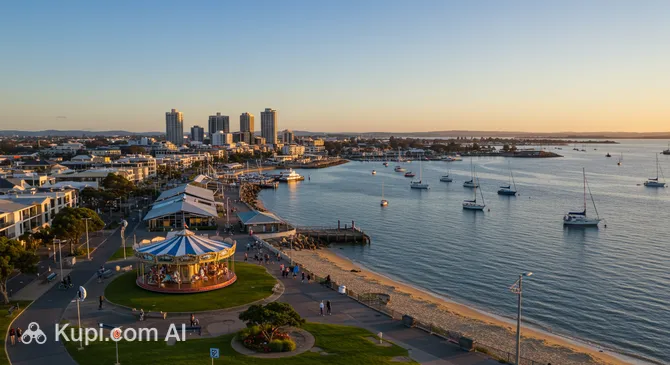
Geelong is a charming and dynamic port city in Australia, and the second-largest city in the state of Victoria. Located on picturesque Corio Bay, about 75 kilometers southwest of Melbourne, Geelong attracts visitors with its relaxed atmosphere and rich history. The city is home to more than 184,000 residents, making it a significant regional hub.
Geelong. Illustration.
Source: Kupi.com AI
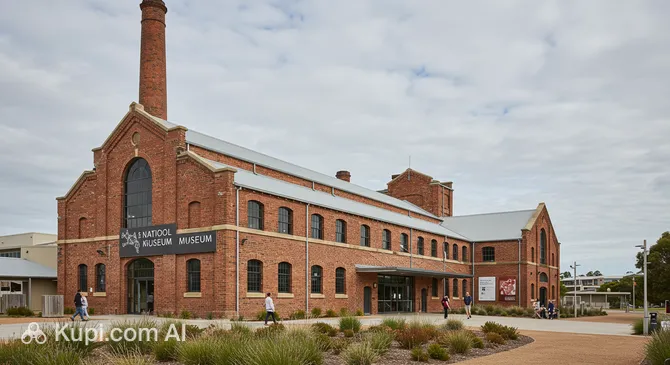
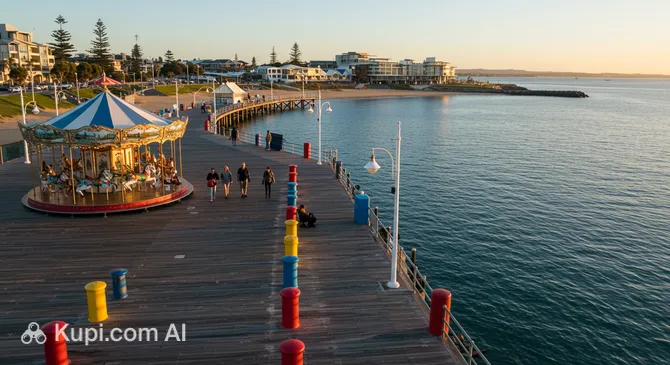
Geelong has a temperate maritime climate, with warm summers and mild winters, making it a pleasant destination to visit at any time of year. Key attractions include its magnificent waterfront with the popular Eastern Beach and the historic Cunningham Pier. Also noteworthy are the famous Geelong Bollards—a collection of brightly painted sculptures that tell the story of the city's past—and the National Wool Museum, which introduces visitors to an important part of the region's heritage.
Geelong is not just a stop on the way to the famous Great Ocean Road, but a destination in its own right, offering a unique blend of culture, history, and excellent leisure opportunities. We invite you to discover this cozy Australian city, which will undoubtedly charm you with its hospitality and beauty!
The weather in Geelong is characterized by a temperate maritime climate. Summer, which lasts from December to February, is usually warm: the average air temperature is around 20°C (for example, in January the average is 20.2°C), with maximum values reaching 25°C. Precipitation in the summer months is low, averaging 1-2 mm, and in February, there are only about 4 rainy days. Winter, from June to August, is cooler, with an average temperature of about 10-11°C (for instance, in July the average is 10.1°C). Winter rainfall is also relatively low (about 1 mm per month), but the number of rainy days increases, reaching up to 11-12 per month, particularly in September. In general, expect warm summers with little rainfall and cool winters, where rain, though not heavy, occurs more frequently. You can find more detailed monthly weather information on the Geelong Climate page.
Average monthly temperature
Average monthly precipitation
Interesting Facts
Geelong is more than just a picturesque waterfront and the gateway to the Great Ocean Road. This city holds many amazing stories and little-known facts that reveal its character in a new light. Ready to learn some of Geelong's secrets?
National Wool Museum. Illustration.
Source: Kupi.com AI
Traveler photos:
Did you know that it was in Geelong in 1925 that the first Ford factory outside of North America was opened? This event marked the beginning of the automotive era in Australia and defined the city's industrial landscape for many years.
Strolling along the famous Geelong Waterfront, you will encounter over 100 painted wooden bollard sculptures. Each of these vibrant characters, created by artist Jan Mitchell, tells a unique story from the city's past—from indigenous residents to early settlers and local celebrities.
The building that houses the National Wool Museum today is a historical landmark in itself. This magnificent three-story bluestone warehouse, built in 1872 when it was one of the region's largest wool trading centers, symbolizes the golden age of sheep farming.
Geelong is the heart of Australian Rules Football! The local club, Geelong Football Club, affectionately nicknamed "The Cats," was founded back in 1859. It is one of the oldest professional sports clubs not only in Australia but in the entire world, still playing under its original name and in its home city.
How to Get There
Getting to Geelong, a charming city in the state of Victoria, is possible through several convenient methods. The main transport gateways are the airports located in Melbourne, as well as a well-developed rail and road network.
Most international and many domestic travelers arrive in Australia via Melbourne's airports. The closest to Geelong is Avalon Airport (AVV), located approximately 15.5 km northeast of central Geelong on the outskirts of Melbourne. A trip from Avalon to Geelong by taxi or bus takes about 45 minutes. This airport mainly handles domestic flights and is a convenient option for those flying from other Australian cities. Another larger option is Melbourne's main international airport, Tullamarine (MEL). It is located about 67.8 km from Geelong. Tullamarine is a major international hub receiving flights from all over the world. The journey from here to Geelong by car or shuttle takes about 1.5-2 hours, depending on traffic.
For clarity, here is a summary of the main airports used to reach Geelong:
Rail travel is also a popular way to get to Geelong, especially from Melbourne and other regional centers in Victoria. Geelong has its own large railway station (Geelong Railway Station), which is served by V/Line regional trains. Trains from Melbourne (from Southern Cross Station) to Geelong run regularly, with a travel time of about one hour. This is a comfortable and scenic way to travel.
For those who prefer traveling by car, Geelong is easily accessible via modern highways. The Princes Freeway (M1) leads here from Melbourne, with the trip taking just over an hour. Having a car also provides the freedom to explore the surroundings of Geelong, including the famous Great Ocean Road, which begins near the city.
Main Attractions
Geelong is a city that masterfully combines its rich past with a vibrant present, offering tourists many interesting places to visit. From picturesque waterfronts to cultural centers and unique museums, there is something here for everyone. Let’s get to know some of Geelong’s main attractions.
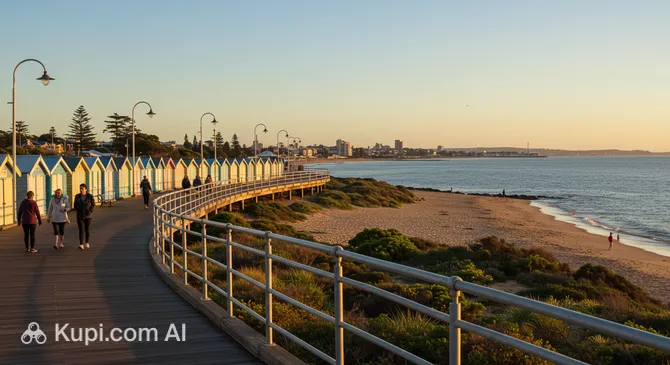
One of the city's hallmarks is undoubtedly the Geelong Waterfront. This lively area along Corio Bay is perfect for leisurely walks, cycling, or simply relaxing by the water. Here you will find the famous painted bollards—over 100 wooden sculptures, each telling a unique story about the city's past. The waterfront also features numerous cafes, restaurants, and playgrounds, making it attractive for visitors of all ages.
Geelong Waterfront. Illustration.
Source: Kupi.com AI
Traveler photos:
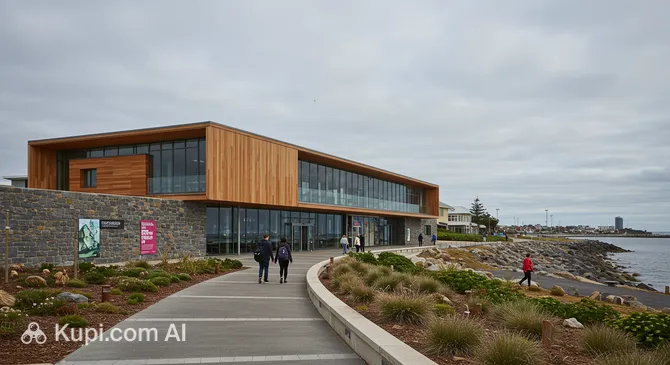
You can dive deep into the region's history by visiting the National Wool Museum. Housed in a beautifully preserved 19th-century wool store, this museum tells the fascinating story of the Australian wool industry—from sheep shearing to the creation of finished products. Interactive exhibits and demonstrations make a visit here both educational and interesting for adults and children alike.
National Wool Museum. Illustration.
Source: Kupi.com AI
Traveler photos:
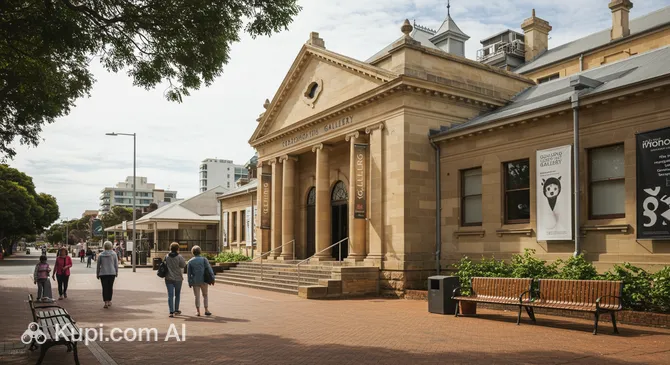
Art lovers should definitely stop by the Geelong Art Gallery. It is one of Australia's oldest and most respected regional galleries, boasting an impressive collection of Australian and international art. Special attention is given to works from the colonial period, and the collection's gems include famous canvases by Australian masters. The gallery regularly hosts temporary exhibitions, always offering something new for its visitors.
To experience the rich culture of Australia's Indigenous people, head to the Narana Aboriginal Cultural Centre (also known as the Wathaurong Buln Buln Cultural Centre). This place offers a unique opportunity to learn about the traditions, art, and spiritual heritage of the Wathaurong people, the traditional custodians of these lands. Here you can see authentic art, participate in cultural activities, and walk through a garden with native plants and animals, such as emus and wallabies.
Wathaurong Booln Booln Cultural Centre. Illustration.
Source: Kupi.com AI
Traveler photos:
Local Cuisine
The gastronomic scene in Geelong will pleasantly surprise you with its variety and quality. Located on the coast and surrounded by the fertile lands of Victoria, the city offers the freshest local products, which form the basis for culinary masterpieces. Here you will find everything from casual cafes with excellent coffee to elegant restaurants specializing in modern Australian cuisine.
You should definitely try the local seafood. A classic choice is fish and chips, which can be enjoyed right on the waterfront while admiring the view of Corio Bay. Many restaurants will offer you exquisite dishes made from freshly caught fish, oysters, or mussels. Equally noteworthy are dishes made from famous Australian lamb and beef, prepared with a creative touch and local flair. For a quick and hearty snack, traditional meat pies are an essential part of Australian gastronomy.
As for drinks, Geelong and its surroundings are a true paradise for connoisseurs. The region is famous for its wineries, so don't miss the opportunity to taste wines from the Bellarine Peninsula or the Moorabool Valley, which will perfectly complement your dinner. In recent years, craft beer culture has been actively developing in Australia, and Geelong is no exception, so local pubs and bars will offer you interesting varieties from small breweries. And, of course, coffee! It's hard to imagine a morning or afternoon break in Geelong without a cup of aromatic coffee—numerous coffee shops take great pride in their brewing skills.
1915. Illustration.
Source: Kupi.com AI
Traveler photos:
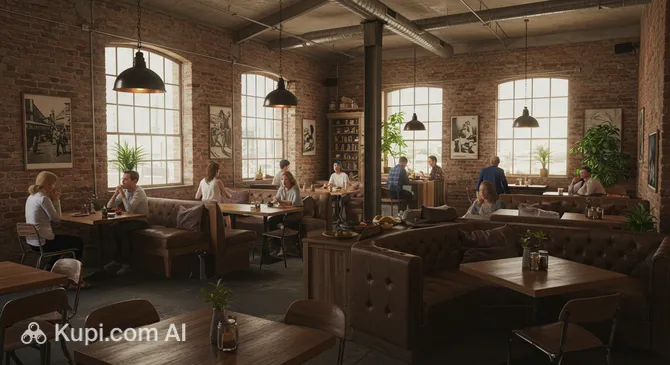
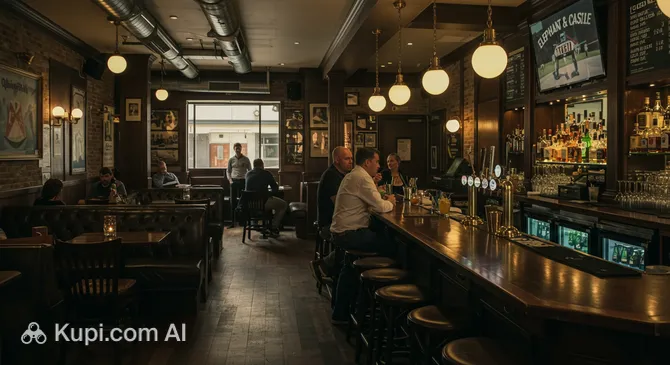
The dining culture in Geelong is very democratic and conducive to a pleasant time. Locals and tourists love to gather in cafes and restaurants with water views, especially along the picturesque waterfront. In the city center, you will find many establishments for every taste and budget—from cozy family bistros to restaurants with signature cuisine, such as 1915. Traditional Australian pubs, like the Elephant & Castle Hotel, offer hearty meals and a relaxed atmosphere, while places like the Box Office Cafe are perfect for both light snacks and a full lunch.
Travel Tips
Planning a trip to charming Geelong? Wonderful! To ensure your journey through this Australian city goes smoothly and leaves only pleasant impressions, we have prepared some practical tips. They will help you better navigate the area and enjoy everything Geelong has to offer.
Clothing and Essentials: Geelong's climate is temperate, so it's best to dress in layers. In summer (December–February), bring light clothing, swimwear, a hat, and sunglasses. During other seasons, especially autumn and winter (June–August), you'll need warm clothes, a sweater, a jacket, and possibly a light raincoat. Be sure to bring comfortable shoes for walking along the waterfront and surroundings. Don't forget sunscreen with high SPF (the Australian sun is very strong!) and an adapter for your electronics (type I plugs are used in Australia).
Getting Around: Moving around Geelong is quite convenient. The primary form of public transport is the bus, which operates on the Myki system (the same as in Melbourne). For trips to Melbourne and other cities in regional Victoria, you can use V/Line trains. Taxis and rideshare services like Uber are also available. If you plan to explore the Great Ocean Road or the Bellarine Peninsula, renting a car is a good option (remember that Australia has left-hand traffic).
Finances: The local currency is the Australian Dollar (AUD). You can exchange money at banks or exchange offices; generally, city rates are better than those at the airport. Credit and debit cards (especially Visa and Mastercard) are accepted almost everywhere, and contactless payments are widespread. ATMs are easy to find. An approximate daily budget per person (excluding accommodation) could be 150–250 AUD. Tipping in Australia is not mandatory, but for good service in a restaurant, you can leave about 10% of the bill.
Health and Safety: Geelong is generally a safe city. Pharmacies (labeled "Chemist" or "Pharmacy") are located in shopping areas. In case of a medical emergency, call 000. It is highly recommended to have travel insurance. Follow standard precautions: keep an eye on your belongings, especially in crowded places, and be cautious after dark. Always use sunscreen and drink plenty of water.
Communication: The official language is English. You will find it easy to communicate with locals. Useful phrases include "G'day" (informal greeting), "Cheers" (thanks or goodbye), and "No worries" (no problem or you're welcome). You can buy a local SIM card at the airport, mobile phone shops, or supermarkets. Wi-Fi is available in many cafes, hotels, and public places like libraries. Useful apps include PTV (Public Transport Victoria) for tracking transport.
Local Etiquette: Australians are typically friendly and informal. It is common to say hello ("Hello" or "G'day"). Follow queues in public places and do not litter. Gratitude ("Thank you" or "Cheers") and politeness are always appreciated. Using first names is common even among new acquaintances.
What to Avoid:Do not underestimate the strength of the Australian sun—always use protection. Also, avoid swimming at unpatrolled beaches or in areas where warning signs for currents or dangerous marine life are posted. When visiting nature parks, do not feed the wild animals.
Extra Tip for Geelong: Be sure to set aside time for a walk along the famous Geelong Waterfront and find as many painted bollards as possible—each one tells its own story. If you're here during the season, check the schedule for local festivals or sporting events—Geelong is famous for its love of Australian Rules Football ("footy").
We hope these tips make your stay in Geelong as comfortable and fulfilling as possible. Enjoy the hospitality of this beautiful Australian city and its unique atmosphere!
Entertainment & Nightlife
Geelong offers its guests a variety of leisure opportunities, and as evening falls, the city doesn't go to sleep but transforms, opening up a world of night entertainment. While Geelong may not boast the same scale of nightlife as Melbourne, there are plenty of interesting spots to have a great time after sunset, from cozy bars to lively clubs.
The main concentration of Geelong’s nightlife is in the city center, especially along Little Malop Street and Ryrie Street, as well as in the waterfront area. The atmosphere here is usually relaxed and friendly. You’ll find many stylish bars where you can enjoy craft beer or signature cocktails, pubs with live music, several nightclubs for dancing enthusiasts, and restaurants that stay open late. The crowd is diverse, ranging from students to a more mature audience, depending on the venue. Most bars are open until late at night, especially on weekends, and clubs typically operate until the early morning hours. There is no specific dress code in most places, though some clubs might require a more polished look (smart casual).
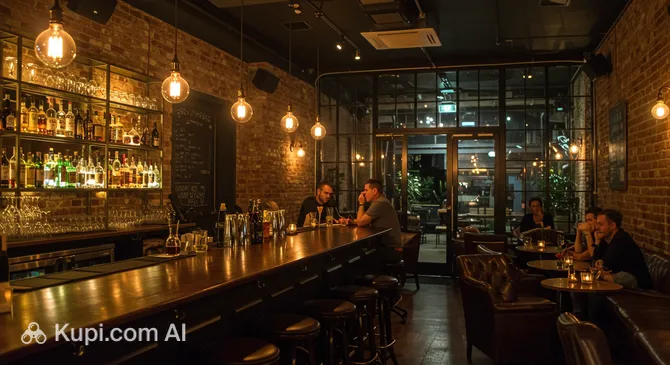
Popular spots for an evening out include the Elephant & Castle Hotel, known for its classic pub atmosphere and good selection of drinks. It’s a great place to grab a pint and catch up with friends. Another venue worth noting is the Box Office Cafe, which functions as a cafe during the day and turns into a lively bar with pleasant music in the evening. For a more sophisticated dinner before your nightly adventures, try 1915, a restaurant offering modern cuisine in a stylish setting.
Elephant & Castle Hotel. Illustration.
Source: Kupi.com AI
Traveler photos:
Box Office Cafe. Illustration.
Source: Kupi.com AI
Traveler photos:
The best time to visit nightlife venues is, of course, Friday and Saturday nights, when the city comes alive. Average drink prices are comparable to other Australian cities: a beer will cost around 8-12 AUD, and cocktails are between 15-25 AUD. You can get to the city center at night by taxi or by using rideshare services. Public transport runs less frequently at night, so plan your route back in advance.
The central districts of Geelong, where the nightlife is concentrated, are generally considered safe for walking. However, as in any city, you should take standard precautions: stick to well-lit streets, don't leave your drinks unattended, and keep an eye on your belongings. You can call a taxi by phone, via an app, or find one at designated taxi stands. Most bars and clubs can also assist you in calling a taxi.
During the day, Geelong also keeps you entertained. Culture enthusiasts can visit the Geelong Art Gallery with its impressive collection of Australian art or check out the unique Museum of Play and Art. Don't forget the famous National Wool Museum, which tells the story of the region's wool industry. For outdoor relaxation, the Eastern Beach Reserve with its pools and picnic areas is perfect. The city also offers shopping opportunities, for example, at Market Square Shopping Centre.
Regardless of your preferences, Geelong is ready to offer entertainment for every taste, both during the day and after dark, making your stay in the city rich and memorable.
Parks & Museums
Geelong is a city that carefully preserves its cultural heritage and offers many opportunities for outdoor relaxation. Here you will find well-kept parks and gardens for peaceful walks, as well as fascinating museums and galleries that reveal the history and creative spirit of the region.
For lovers of fresh air and picturesque views, Geelong offers several wonderful green spaces. One of the most popular spots is the Eastern Beach Reserve—it’s not just a beach, but an entire leisure complex with swimming pools, playgrounds, picnic areas, and a famous Art Deco waterfront. It is the perfect place for family holidays and water activities.
Eastern Beach Reserve. Illustration.
Source: Kupi.com AI
Traveler photos:
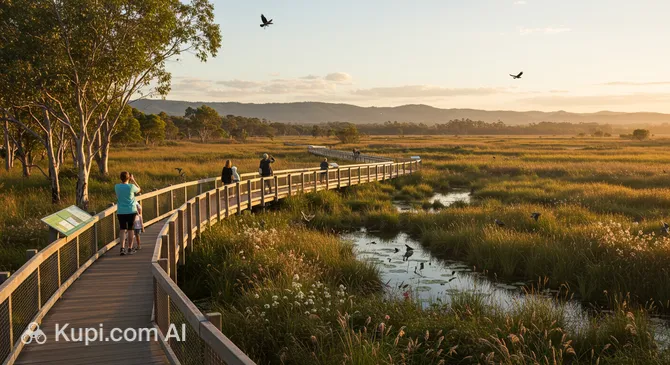
If you are looking for seclusion and a chance to observe nature, head to the Balyang Sanctuary. These quiet wetlands on the Barwon River are home to many species of birds and offer beautiful trails for walking and picnics. Another charming spot is the Steampacket Gardens, located on the waterfront. These manicured gardens overlooking Corio Bay often host city events and festivals, and are also just a pleasant place to relax.
Balyang Sanctuary. Illustration.
Source: Kupi.com AI
Traveler photos:
Geelong's cultural life is equally vibrant. Art lovers should definitely visit the Geelong Art Gallery. It is one of the oldest and most respected regional art galleries in Australia, housing a significant collection of Australian art, including colonial-period paintings and works by contemporary masters. Interesting temporary exhibitions are held here regularly.
Geelong Gallery. Illustration.
Source: Kupi.com AI
Traveler photos:
Families with children and all who are young at heart will enjoy the Museum of Play and Art (MoPA). This is an interactive space where children (and adults!) can explore the world of art, science, and technology through play and creativity. The museum offers many fascinating exhibits and activities that will leave no one indifferent.
Museum of Play and Art. Illustration.
Source: Kupi.com AI
Traveler photos:
Of course, when speaking of Geelong’s culture, one cannot fail to mention the National Wool Museum, which tells the story of the region's important industry, and the Narana Aboriginal Cultural Centre, which introduces visitors to indigenous heritage.
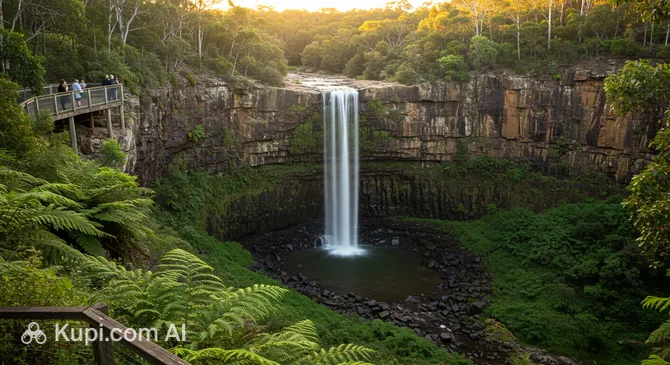
Strolling along the Geelong Waterfront, you will not only enjoy the fresh sea air but also encounter unique historical art objects—the famous painted bollards, each telling its own small story of the city. For those looking for lesser-known but picturesque corners, we recommend visiting the Buckley Falls Lookout. It offers a beautiful view of the waterfalls and surrounding nature, making it an excellent spot for a quiet walk and photos away from the city bustle.
Buckley Falls Lookout. Illustration.
Source: Kupi.com AI
Traveler photos:
Getting Around
Getting around Geelong is quite convenient thanks to a developed public transport system, primarily consisting of buses. The city also serves as a major hub for V/Line regional trains, connecting it to Melbourne (from where routes open across all of Australia) and other cities in Victoria, but for moving within Geelong itself, buses play the key role.
The main method for paying for public transport in Geelong, as in the rest of Victoria, is the Myki smart card. This card must be purchased and topped up. Various fares exist, including daily and two-hour rates, and the cost of the trip depends on the number of zones crossed (though Geelong is mostly within one or two zones for most tourist routes). You can buy and top up a Myki card at 7-Eleven stores, at some bus stops with vending machines, and at Geelong Railway Station. The PTV (Public Transport Victoria) mobile app is also available to manage your card and plan routes.
Tourists are encouraged to purchase a Myki card immediately upon arrival if they plan to use public transport actively. It is important to remember to validate your card (touch on and touch off) when entering and exiting the bus. Buses in Geelong run on a schedule, which can be found at stops, on the official PTV website, or in the mobile app. Operating hours usually cover early morning to late evening, but on some routes, intervals can be significant, especially on weekends and public holidays.
In addition to buses, other ways to get around Geelong are available. Taxi services and rideshare apps (such as Uber) are widely used. For short trips or walks along the waterfront and city center, you can consider bike rentals—Geelong is quite cyclist-friendly, and the city has dedicated bike lanes. The central part of the city is also very suitable for exploring on foot.
Accommodation
In Geelong, travelers will find a variety of accommodation options to suit different preferences and budgets. The city offers a wide range of lodging: from affordable hostels and guest houses for budget-conscious tourists to comfortable mid-range hotels and spacious apartments for those who value convenience and independence. Short-term rental options are also available, which can be convenient for families or large groups.
For tourists, areas near the city center and the picturesque Geelong Waterfront are particularly attractive, as they provide easy access to major attractions, cafes, and shops. Staying here will put you right in the middle of the action. It is also worth considering options in areas with good transport accessibility to make traveling around the city and its surroundings easier.
Geelong Waterfront. Illustration.
Source: Kupi.com AI
Traveler photos:
While specific famous hotels haven't been listed as examples, Geelong has a good selection of hotels across various categories. You can find both international chain hotels with familiar service standards and small boutique hotels with a personal touch. In addition to traditional hotels, self-catering apartments and serviced apartments are popular, offering hotel services along with a home-like feel.
To guarantee the best accommodation at the best price, it is recommended to book your stay in advance. This is especially relevant if your trip falls during the peak tourist season, weekends, or during major festivals and events in Geelong. Booking early also provides more choices.
The price range for accommodation in Geelong varies: you can find budget options as well as mid-range and higher-end offerings. The most common booking methods are through popular online platforms (such as Booking.com, Agoda, Expedia) or direct booking via the official websites of hotels and apartments. Comparing offers across several resources will help you find the best deal.
Nearby Cities
For those who want to explore the surrounding area, Geelong serves as an excellent starting point for day trips to several interesting nearby locations:
These nearby destinations provide a glimpse into the diverse culture and landscapes of this region of Australia. Each of these places offers its own unique attractions: Melbourne beckons with its vibrant city life and cultural events, Cranbourne attracts visitors with the famous Royal Botanic Gardens, Ballarat immerses you in the atmosphere of the gold rush with its rich historical heritage, Melton offers the chance to enjoy local wineries and picturesque parks, and Frankston charms with its coastal beauty and beaches.
Shopping & Souvenirs
Geelong offers pleasant shopping opportunities, combining the convenience of modern shopping centers with the charm of independent boutiques and specialty stores. While the city isn't famous for any single exclusive global export, you can find high-quality Australian brands, local crafts, and products related to the region's rich history, such as wool items.
The main shopping areas in Geelong are the Central Business District (CBD), where department stores, chain shops, and boutiques are concentrated, and the popular Pakington Street in Geelong West. Pakington Street, or "Pako" as the locals affectionately call it, is known for its eclectic mix of shops, including fashion boutiques, homeware stores, bookstores, and antique shops, alongside cozy cafes to rest in between purchases.
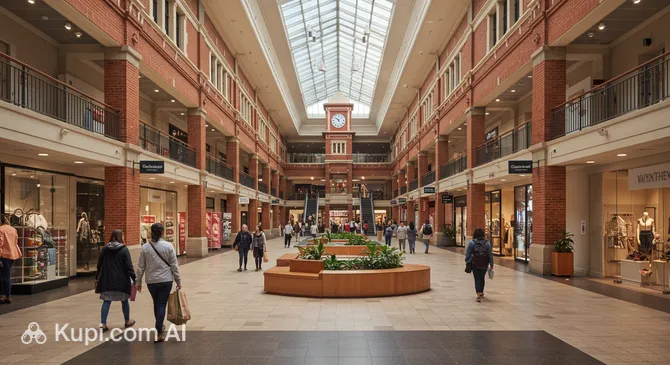
For those who prefer shopping under one roof, Geelong has several shopping malls. One of the largest is the Market Square Shopping Centre (and the adjacent Geelong Central area), offering a wide range of clothing, electronics, homeware stores, and a food court. Another popular option is the Waurn Ponds Shopping Centre, located a bit further from the center but also offering a large assortment of goods and services.
Geelong Shopping Centre. Illustration.
Source: Kupi.com AI
Traveler photos:
While Geelong doesn't have one giant daily central market, it's worth keeping an eye out for local farmers' and craft markets, which are often held on weekends in the city or its surroundings. These offer fresh local produce, handmade items, and unique souvenirs. Information about these markets is best found at local tourist centers or on online event boards.
As souvenirs from Geelong, consider items made from Australian wool, given the city's historical link to the wool industry. A visit to the National Wool Museum might inspire you to buy high-quality woolen garments. Also popular are works by local artists and craftsmen, Australian wines from nearby wine regions, and typical Australian souvenirs featuring local flora and fauna.
National Wool Museum. Illustration.
Source: Kupi.com AI
Traveler photos:
Shops in Geelong generally operate from Monday to Saturday, roughly from 9:00-10:00 AM to 5:00-5:30 PM. Large shopping centers and some downtown stores may have late-night trading hours on Thursdays or Fridays (until 9:00 PM) and also open on Sundays (usually from 10:00 AM to 5:00 PM). Credit and debit cards are accepted everywhere. Cash is also used, especially at markets and in smaller shops.
For international tourists in Australia, there is a Goods and Services Tax (GST) refund system known as the Tourist Refund Scheme (TRS). If you spend 300 Australian dollars (including GST) or more in a single store within 60 days before your departure, you may be eligible for a GST refund. To do this, you must present the goods, original tax invoices, and your passport with a boarding pass at the TRS office at the airport before leaving the country.