Support

Torquay

About

Torquay is a charming coastal town nestled in the southeast of Australia, in the state of Victoria. It is situated on the picturesque shores of Bass Strait, approximately 100 kilometers southwest of Melbourne. Torquay is rightfully considered the gateway to the famous Great Ocean Road—one of the world's most breathtaking scenic drives, which begins right here and leads travelers along spectacular cliffs, golden beaches, and unique national parks.
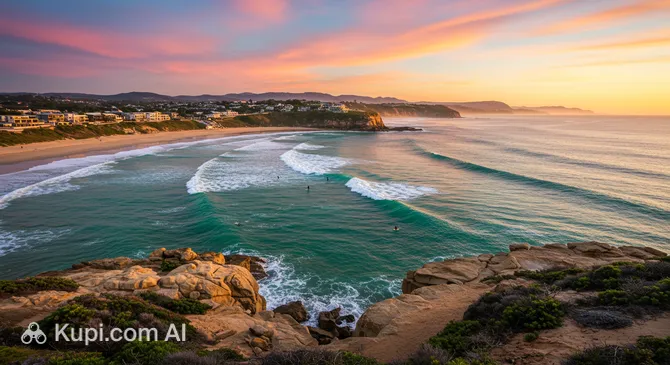
Torquay. Illustration.
Source: Kupi.com AI

With a population of about 13,000 people, Torquay maintains the atmosphere of a small yet very welcoming town. It is famous not only for its natural beauty but also as a true surfing mecca. This is home to the legendary Bells Beach, where the international Rip Curl Pro surfing competition is held annually. Fans of the sport will also appreciate the Australian National Surfing Museum, which tells the story of wave-riding history. Beyond surfing, the town is surrounded by scenic beaches, sand dunes, and coastal parks, making it an ideal destination for nature lovers and outdoor enthusiasts.

Torquay is a place where Australian laid-back vibes, a passion for the ocean, and the beauty of the wilderness uniquely combine. Whether you are looking for a place to recharge, find inspiration, or simply want to enjoy the sound of the surf and fresh sea air, Torquay is an excellent choice for both a short stop on your journey or a full, relaxed vacation. Come and experience the unmistakable spirit of this Australian town!

You can find more interesting facts on the Torquay history page.
Weather Overview

In Torquay, you can expect a warm summer with a small amount of rainfall and a mild winter when rainy days become slightly more frequent. In the summer months (December-February), the average air temperature is approximately 17.7-19.7°C, with maximums reaching 21-23°C. In winter (June-August), the average temperature stays around 10-11°C, with minimum values around 8°C. Rainfall levels throughout the year remain low, usually 1-2 mm per month; however, the number of rainy days increases slightly in winter. Learn more by exploring the Torquay Climate.

Average monthly temperature

Average monthly precipitation

Interesting Facts

In addition to its famous beaches and perfect surfing waves, Torquay holds many interesting stories and lesser-known details that make it truly unique. Here are just a few of them:

The Sands Torquay. Illustration.
Source: Kupi.com AI

Traveler photos:

  • Few people know that Torquay is the official starting point of the legendary Great Ocean Road—one of the world's most scenic coastal drives, built by returned soldiers after the First World War.

  • Torquay rightfully holds the title of Australia's surfing capital. It is home to the Australian National Surfing Museum, and the world-famous Bells Beach annually hosts the prestigious Rip Curl Pro competition, gathering the planet's best surfers.

  • The town is famous for its lively farmers' markets. This is a wonderful opportunity to taste the freshest local products, get acquainted with the work of artisans, and immerse yourself in the authentic atmosphere of a coastal Australian town.

  • In Torquay, the past and present are surprisingly intertwined: here you can see both classic retro surf vans and modern stylish cafes, and music festivals and celebrations often take place right on the ocean shore, creating a unique atmosphere.

How to Get There

Reaching the resort town of Torquay, located in the state of Victoria, can be done in several ways, but the most convenient for most tourists is a flight to one of Melbourne's airports followed by a transfer.

The closest airport to Torquay is Avalon Airport (AVV). It is located approximately 33 km north of Torquay, near Melbourne. A trip by taxi or rental car from Avalon Airport to the center of Torquay takes about 40-50 minutes. This airport primarily handles domestic flights and is a good choice for travelers already within Australia.

The main international aviation hub in the region is Melbourne Airport (MEL), also known as Tullamarine. This is a major international airport receiving flights from all over the world. It is located about 85 km from Torquay. The drive from Tullamarine to Torquay by car or taxi usually takes about 1 hour 30 minutes to 2 hours, depending on traffic conditions. From the airport, you can also reach Melbourne and then use a bus service to Torquay.

For clarity, here is summary information on the main airports through which you can reach Torquay:

AirportPassenger trafficDistance
Avalon Airport900 00033 km
Tullamarine Airport35 mln85 km
Bendigo30 000175 km
King Island Airport54 000178 km

In addition to flying, Torquay is easily accessible by car. The town is the starting point of the famous Great Ocean Road, so good highways lead here from Melbourne and other cities in Victoria. Regular bus services also connect Torquay with Melbourne and neighboring towns.

Main Attractions

Torquay, known as the gateway to the Great Ocean Road and a surfer's paradise, offers its guests not only magnificent beaches but also cozy places for relaxation and entertainment. Among them, several establishments stand out that will help make your stay in the city comfortable and enjoyable.

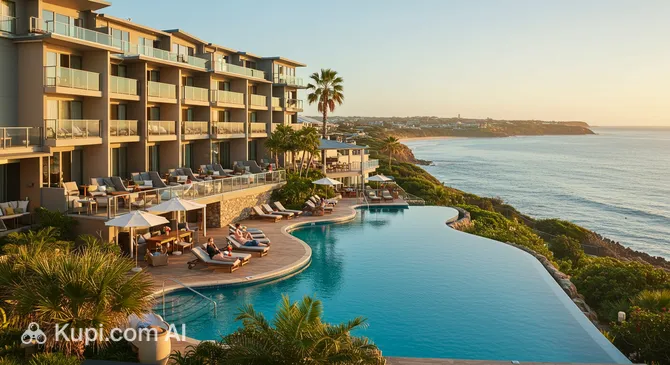
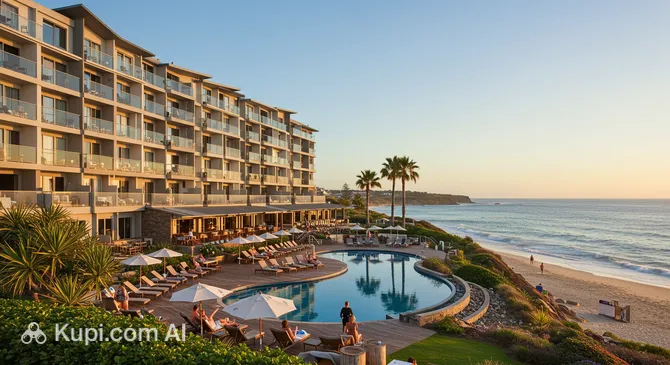
One such place is The Sands Torquay. This resort hotel attracts travelers with its comfortable accommodation and high-quality service. It is a great place to relax after a busy day spent on the coast or exploring the surroundings.

The Sands Torquay. Illustration.
Source: Kupi.com AI

Traveler photos:

Another noteworthy option for staying is the Torquay Resort. This hotel also offers guests cozy rooms and a convenient location, making it a popular choice among tourists wanting to enjoy all the charms of this coastal town.

Torquay Resort. Illustration.
Source: Kupi.com AI

Traveler photos:

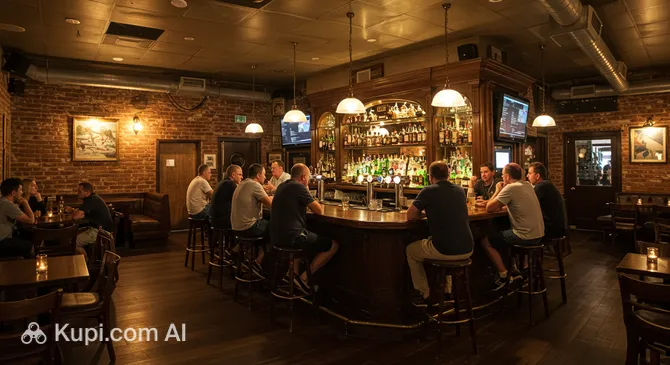
If you are looking for a place for evening leisure, check out Squires Loft. This bar is known for its pleasant atmosphere and a good selection of drinks, making it an excellent spot for meeting friends or a quiet evening out.

Squire's Loft. Illustration.
Source: Kupi.com AI

Traveler photos:

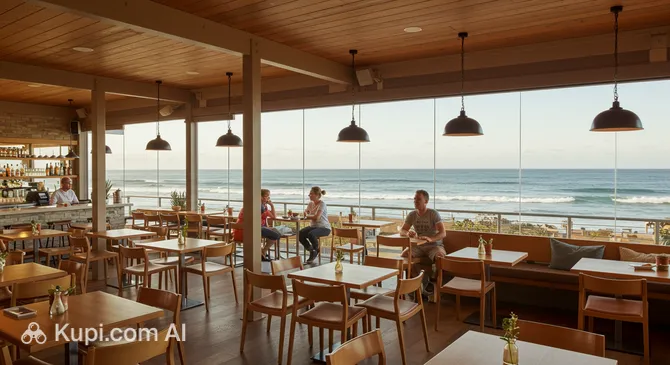
For connoisseurs of good cuisine, the Doc Hughes restaurant operates in Torquay. It offers visitors a diverse menu and quality service, allowing for a pleasant lunch or dinner in a cozy setting.

Doc Hughes. Illustration.
Source: Kupi.com AI

Traveler photos:

Local Cuisine

Torquay is a true paradise for foodies, especially those who appreciate the freshest seafood and farm-to-table products. The town's gastronomic scene will delight with its diversity: from cozy cafes with ocean views to lively farmers' markets. Here, the emphasis is on the quality of local ingredients, turning every meal into a small discovery.

The foundation of the local cuisine is, of course, the gifts of the ocean. Be sure to try fresh oysters, the catch of the day grilled to perfection, or a generous portion of famous Australian "fish and chips", which are prepared with special care in Torquay. Don't miss the hearty Australian meat pies, especially those with seafood fillings. And for dessert, treats with local berries and aromatic honey await you.

Morning in Torquay is best started with a cup of aromatic coffee in one of the coastal cafes. Fans of craft beverages will appreciate the local breweries, where original beers with an Australian character are brewed. You can also find interesting Australian wines at the farmers' markets, which will perfectly complement your dinner.

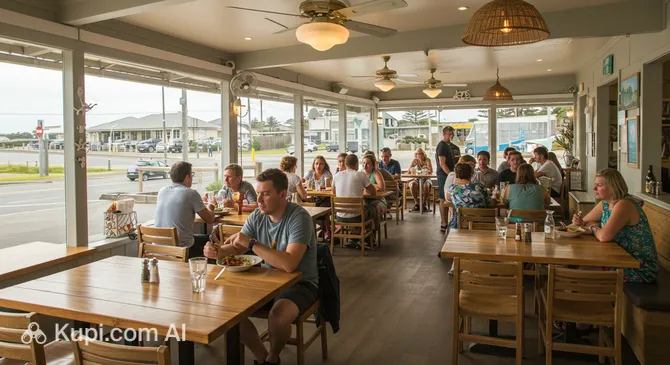
The food culture in Torquay is very diverse. Locals and tourists love to stop by small bakeries for fresh pastries or grab a hearty sandwich from street kiosks. On weekends, farmers' markets come alive, where you can buy homemade cheeses, fresh vegetables, fruits, and jams. Numerous restaurants are open for a more substantial lunch or dinner. For instance, you can visit Doc Hughes or try the juicy burgers at Gypsy Burger to appreciate the local hospitality and culinary skill.

Gypsy Burger. Illustration.
Source: Kupi.com AI

Traveler photos:

Torquay attracts tourists not only with its beaches but also with its vibrant gastronomic life. In spring and summer, food festivals are often held in the town, where you can taste everything delicious that this region has to offer. This is a great opportunity to meet local producers and enjoy the festive atmosphere of flavor.

Travel Tips

Welcome to Torquay, Australia's famous surfing capital and the starting point of the Great Ocean Road! To make your journey through this picturesque corner of Victoria as comfortable and memorable as possible, we have prepared some practical tips.

  1. Clothing and Essentials: Torquay has a temperate climate with warm summers and mild winters.
    • In summer (December-February), bring light clothing, swimwear, and definitely sunscreen, a hat, and sunglasses.
    • In the shoulder seasons (spring, autumn), layered clothing and a light jacket will come in handy.
    • In winter (June-August), you will need warm clothes, a sweater, a windbreaker, or a waterproof jacket.
    • Always: comfortable shoes for walking along the beaches and surroundings, as well as a power adapter (Type I).
  2. Transport Around Town and Surroundings:
    • Within Torquay itself, it is convenient to move around on foot or by bicycle, especially along the coast. There are local buses, but their routes may be limited.
    • For exploring the famous Great Ocean Road and surrounding natural beauty, renting a car is highly recommended. Taxis and ride-sharing services are available but can be more expensive for long-distance trips.
  3. Finances: The local currency is the Australian Dollar (AUD).
    • Credit and debit cards (Visa, Mastercard) are accepted almost everywhere. International cards usually work without problems.
    • ATMs are easy to find in the town center and shopping areas. You can exchange currency at banks, but it's better to do this in advance in major cities or the airport.
    • Tipping in Australia is not mandatory but is always appreciated for good service in restaurants (usually 10%).
  4. Health and Safety: Torquay is a quite safe town.
    • Pharmacies (chemists) are in town, but 24-hour ones may be absent; check opening hours.
    • Tourists are advised to have medical insurance. In emergencies, call 000 (police, ambulance, fire).
    • Main hazards: strong sun (use protection!) and ocean currents (swim only in patrolled areas between the flags). Be mindful of wildlife if going for bushwalks.
  5. Communication: The official language is English.
    • English is spoken everywhere, so there will be no communication problems. Locals are friendly and often use informal greetings like "G'day!" or "How ya goin'?". "Cheers" is often used instead of "thank you" or "bye".
    • A local SIM card can be bought in supermarkets, mobile phone stores, or at the airport. Wi-Fi is available in most hotels, cafes, and some public places.
  6. Local Etiquette: Australians are known for being relaxed and friendly.
    • Greetings are usually informal. In public places, it is customary to wait your turn in line.
    • Respect nature—do not litter on beaches or in national parks. Surf etiquette is important in the water if you decide to try the sport.
  7. What to Avoid:
    • Underestimating the power of the sun and ocean: Sunburn and dangerous currents (rips) are real risks. Always use sunscreen and swim only in safe, designated areas.
    • Feeding wild animals: This can harm their health and disrupt natural behavior.
  8. Special Feature of Torquay: Be sure to immerse yourself in the surf culture! Visit the Australian National Surfing Museum, shops of famous surf brands (many of which started right here), or even take a surfing lesson on one of the famous beaches, such as Bells Beach (if you are an experienced surfer) or Torquay Front Beach for beginners.

We hope these tips help you plan an unforgettable trip to Torquay. Enjoy the stunning beaches, world-class waves, and the hospitality of this unique Australian town!

Entertainment & Nightlife

When the sun sets over the famous surf beaches of Torquay, the town doesn't go to sleep but instead offers its guests a cozy and relaxed atmosphere for evening relaxation. The nightlife here may not be as loud as in major metropolises, but it possesses its own unique charm, perfect for ending the day after active recreation on the coast.

The main concentration of evening venues is in the areas adjacent to the coast, especially along The Esplanade and on Bell Street. Here you will find a variety of bars, pubs, and restaurants where you can enjoy drinks and delicious food. The atmosphere in most places is laid-back and friendly, attracting both locals and tourists. Many venues offer live music on weekends, ranging from acoustic sets to performances by local DJs. The dress code is usually casual, matching the relaxed style of a coastal town. Most bars are open until late in the evening, especially during peak season and on weekends, though do not expect 24-hour clubs.

Among the popular spots for evening pastimes is Squires Loft, known for its pleasant atmosphere and good selection of drinks. If you are looking for a place for dinner that transitions into an evening hangout, consider the Doc Hughes restaurant, where you can enjoy quality cuisine in a stylish setting. Another worthy option is Gypsy Burger, offering delicious burgers in a casual environment. Overall, Torquay is dominated by establishments where you can comfortably chat with friends, enjoy local beer or wine, and simply have a good time.

When planning an evening out, it is best to aim for Friday and Saturday, when the town is most alive. Average prices in bars and restaurants correspond to Australian standards for resort towns. Getting to your hotel or apartment at night is possible by taxi; it is recommended to find out local taxi service numbers in advance or use ride-sharing apps if they are available. Walking along central well-lit streets is generally safe, but standard precautions should always be observed.

Torquay is generally considered a safe town; however, at night, as anywhere else, it is better to stick to well-lit and busy streets. If you plan to consume alcohol, think in advance about how you will get back. You can call a taxi by phone or ask the staff at the venue where you are relaxing to do it for you.

During the day, Torquay offers many other entertainments. The town is famous for its beaches, ideal for surfing and relaxing, and scenic coastal trails for walking. You can also visit local shops dedicated to surf culture or explore the natural beauty of the surroundings. While Torquay may not boast many theaters or large museums, its main attraction is the ocean and outdoor activities.

Parks & Museums

Torquay, known as the gateway to the Great Ocean Road and the surfing capital of Australia, offers guests not only magnificent beaches but also the chance to touch the unique local culture. While the town is more famous for its natural beauty, there are also interesting places here that reflect its spirit and history.

The main "green zones" of Torquay are, without a doubt, its famous coastline and natural landscapes. Bells Beach, located nearby, is a cult destination for surfers from all over the world, where the prestigious Rip Curl Pro competition takes place annually. Even if you don't plan to catch a wave, watching the athletes' skill or simply enjoying the power of the ocean here is a must. For a more relaxed beach holiday and for families with children, Torquay Front Beach is excellent, offering sections protected from large waves. For hiking enthusiasts, we recommend exploring part of the Surf Coast Walk, which runs along the picturesque coast, offering stunning views of the ocean and cliffs.

Regarding museums and cultural sites, the Australian National Surfing Museum takes center stage in Torquay. This is a landmark destination for anyone interested in the history of surfing, its evolution, and its impact on culture. The museum features an extensive collection of surfboards, photographs, trophies, and interactive displays telling the stories of the sport's legends. In addition to the surfing museum, the town features small art galleries and studios where local artisans display their work, often inspired by the ocean and Victoria's nature. Although Torquay does not abound with classical museums or ancient architectural monuments, its cultural heritage is closely intertwined with the coastal lifestyle.

For an authentic experience, check out one of the local markets if your trip coincides with their operating days—it's a great opportunity to purchase fresh produce and unique souvenirs. We also suggest a leisurely stroll along the promenade, enjoying the fresh sea breeze and watching surfers at dawn or sunset—this will give you unforgettable moments and allow you to feel the true atmosphere of Torquay.

Getting Around

Getting around Torquay and its surroundings is possible via public transport as well as alternative methods. The city's transport system is adapted to the needs of both locals and tourists coming to enjoy the famous beaches and surfing.

The main form of public transport in Torquay is the bus. The route network connects key points in the city and provides connections to neighboring towns, including Geelong. Bus services are usually operated by regional companies under the umbrella of Public Transport Victoria (PTV). It is recommended to check the schedule in advance on the official PTV website or with the bus operator, as the frequency of service can vary, especially on weekends and public holidays.

To pay for bus fares, an electronic card called Myki is generally used. This is a unified payment system for public transport in many parts of the state of Victoria. Myki cards can be purchased and topped up at authorized sales points (e.g., at some stations, in 7-Eleven stores) or via ticket machines. Before starting a journey, the card must be tapped on the validator when boarding the bus, and also when exiting if required for correct fare calculation. The fare depends on the number of zones crossed and the duration of the trip. As a guide, a one-off 2-hour trip within one or two regional zones (which usually covers travel around town and the immediate vicinity) may cost around 3 Australian dollars, and a daily limit is around 6 Australian dollars. However, it is always better to check the exact and up-to-date fares on the official PTV website, as they are subject to change. There are various fares, including single trips and passes for a specific period.

Practical tips for tourists: Plan your trips in advance, especially if you are going to remote areas or during peak hours. Check the current schedule and fares on official PTV resources. Keep your Myki card with a sufficient balance for travel. Buses usually run from early morning until late evening, but the exact operating hours of specific routes should be checked beforehand.

Alternative ways to get around: If public transport is not suitable, taxi services are available in Torquay. Ride-sharing services (such as Uber) are also popular and can be ordered via mobile apps. For short trips around town or along the coast, a bicycle can be an excellent option. There may be bicycle rental points in the city, which is especially relevant for those wanting to explore the scenic surroundings at their own pace.

Accommodation

In Torquay, travelers will find a wide range of accommodation options to suit every taste and budget. From cozy guesthouses and budget motels to stylish apartments with ocean views and comfortable hotels—everyone can find something suitable here. Renting private houses and cottages is also popular, especially for family vacations or large groups.

Most housing options are concentrated along the coastline, offering easy access to Torquay's famous beaches, such as Bells Beach and Jan Juc. Staying in the central part of town or near The Esplanade provides proximity to shops, cafes, and restaurants. For those seeking privacy, there are options in quieter residential areas, while still remaining within reasonable reach of the main activities.

The Sands Torquay. Illustration.
Source: Kupi.com AI

Traveler photos:

Among the well-known hotels in Torquay are, for example, The Sands Torquay, which offers comfortable rooms and good service, and the Torquay Resort, which is also popular with tourists. These hotels offer various amenities for a pleasant stay and often feature beautiful views.

When planning a trip to Torquay, especially during peak season (summer months and during major surfing competitions), it is recommended to book accommodation in advance. This will help ensure the best choice and more favorable prices. Bookings can be made through popular online platforms or directly on hotel websites. The price range varies from budget options such as hostels and motels to mid-range offers and luxury options in resort hotels and apartments, allowing you to find the optimal choice for your trip.

Nearby Cities

For those who want to explore the surrounding area, Torquay serves as an excellent starting point for day trips to several interesting nearby locations:

Among the closest options, Geelong stands out—the second-largest city in Victoria after Melbourne, located just 19 km from Torquay. It attracts visitors with its scenic waterfront, opportunities for water sports, and proximity to the wineries of the Bellarine Peninsula. A bit further away, at a distance of about 79 km, is Melbourne—the dynamic cultural capital of Australia. This metropolis offers an endless variety of experiences: from world-famous museums, galleries, and theaters to unique restaurants, lively markets, and major sporting events. For those interested in the history of the gold rush, a trip to Ballarat (93 km) will be fascinating, where you can visit the Sovereign Hill open-air museum and learn about the lives of prospectors. Below is a table with some cities that are convenient to reach from Torquay for a day visit:

CityPopulationDistance
Barwon Heads14 16516 km
Geelong184 18219 km
Leopold12 81419 km
Lara16 35533 km
Colac9 04864 km

These nearby destinations allow for a more complete understanding of the diverse culture, history, and landscapes of the Victoria region, complementing the experience of a holiday in Torquay.

Shopping & Souvenirs

Torquay, known as the surfing capital of Australia, offers a unique shopping experience closely tied to its beach culture and love for the ocean. The town is primarily famous for stores specializing in surfing goods, beachwear, and accessories from world-famous brands, many of which originated right here. In addition, you will find charming boutiques, galleries, and shops with local products.

Main shopping outlets are concentrated around Surf City Plaza, which is the true heart of shopping in Torquay. Flagship stores of surf industry giants like Rip Curl and Quiksilver are located here, along with many other outlets and specialty shops. A stroll along Gilbert Street and Bell Street will also delight with a variety of small shops, cafes, and galleries where you can find unique items and souvenirs.

Instead of huge traditional shopping malls, Torquay offers more of a concept of open-air shopping plazas and complexes, such as the mentioned Surf City Plaza. You can spend several hours here moving from one brand store to another, choosing the latest surfing gear or stylish beach clothing. The town also has supermarkets and convenience stores satisfying all basic needs.

For those who prefer a market atmosphere, local markets are held periodically in Torquay. The Torquay Farmers Market is particularly popular, where you can buy fresh farm products, home-baked goods, and local crafts. Also worth noting is the Torquay Cowrie Market (operating in specific months), which offers a wide range of handicrafts, art, clothing, and unique gifts.

As souvenirs from Torquay, it is definitely worth bringing back something related to surfing: a surfboard (if your luggage allows!), a wetsuit, a branded T-shirt, or a cap. Items from local artists and craftsmen, marine-themed jewelry, and high-quality Australian cosmetics based on natural ingredients are also popular. Don't forget to stop by the Australian National Surfing Museum, where you can also find interesting themed souvenirs.

Shops in Torquay typically operate from 9:00-10:00 AM to 5:00-5:30 PM on weekdays and Saturdays. Some shops, especially during the tourist season, may have extended hours and be open on Sundays. Major supermarkets usually work longer hours. Credit and debit cards are widely accepted. Cash is also used, especially at markets.

Tourists shopping in Australia may be eligible for a refund of the Goods and Services Tax (GST) under the Tourist Refund Scheme (TRS). To do this, you must make a purchase of AUD $300 or more (including GST) in one store within 60 days before departure, obtain a special tax invoice, and present the goods and invoice at customs at the airport when leaving the country.

Reached the end of the page?

That means the route is fully explored