Support

Colac

About

Colac is a cozy and picturesque town in Victoria, perfectly suited for experiencing a genuine rural Australian atmosphere. Located approximately two hours' drive from Melbourne, it serves as a major hub for the agricultural region and attracts travelers with its tranquility and hospitality. Here, away from the bustle of the metropolis, you can feel in harmony with nature and enjoy the relaxed pace of life for which Australia is so famous.

Geographically, the town is situated on the shores of the beautiful Lake Colac, surrounded by rolling green hills, dense forests, and endless fields. With a population of about 9,000, Colac maintains an intimate setting while boasting a well-developed infrastructure. Its mild climate and fresh air make it a wonderful destination at any time of year, perfect for long walks and exploring the surroundings.
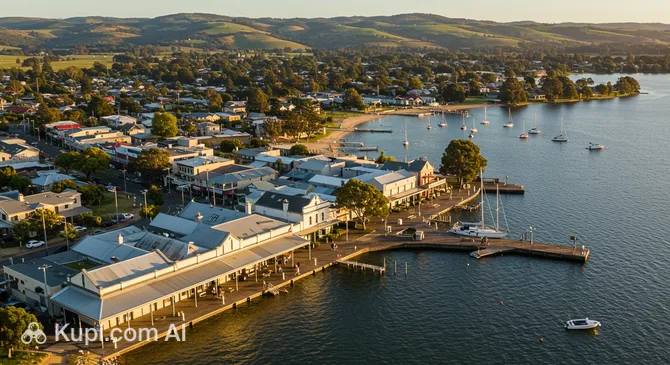
Colac. Illustration.
Source: Kupi.com AI

The region's rich past deserves special attention. Walking through the streets and admiring the historic buildings, you literally touch the heritage of the area — the history of Colac provides more details on this. The town is also known as a convenient starting point for trips along the Great Ocean Road; from here, it is easy to reach the famous Twelve Apostles and various national parks, making it a strategically important stop on the tourist map.

Among the main points of interest are Lake Colac itself, ideal for picnics and birdwatching, as well as the magnificent botanical gardens. Tourists come here to escape the hustle and bustle, sample local delicacies in family-run cafes, and attend colorful local festivals. If you are looking for a place where time flows differently and every day is filled with simple joys, Colac should definitely be on your travel itinerary.
Weather Overview

The climate in Colac is temperate and pleasant, without extreme temperature fluctuations, which is typical for the southern part of Victoria. The warmest time of year is summer (December–February), when the average maximum temperature in January reaches 24.8°C. This is an ideal period for outdoor recreation and lakeside walks, as the number of rainy days is minimal — for instance, there are only about four in February.

Winter here is cool but not harsh. In the coldest months, July and August, daytime temperatures stay around 9–10°C, and at night they can drop to 6.5°C. The winter period is also characterized by the highest frequency of precipitation: up to 16 rainy days are recorded in August, so an umbrella will be useful. For a more detailed forecast and to help you prepare for your trip, check the monthly weather in Colac.

When planning your trip, expect a warm, comfortable summer and a cool winter with frequent, but generally short-lived, rains.

Average monthly temperature

Average monthly precipitation

Interesting Facts

In addition to being a convenient stop on the way to the Great Ocean Road, this town holds many fascinating stories and unique features. Here are a few facts that will allow you to see it from a new perspective:

  • Aboriginal heritage in the name. The town's name is rooted in the language of local tribes and, according to one version, comes from a word meaning "sandy shore" or "fresh water." This name is historically linked to Lake Colac, which for thousands of years served as an important gathering place and source of life for the region's Indigenous people.

  • Ultramarathon Legend. Colac is known as the home of Australian national hero Cliff Young. In 1983, this 61-year-old local potato farmer sensationally won the grueling Sydney-to-Melbourne ultramarathon. He beat professional athletes by running without sleep in simple work boots, using the endurance built up from years of herding sheep on the hills around the town.

  • Victoria's Dairy Heartland. In the early 20th century, Colac played a key role in the state's food security, considered one of the main suppliers of dairy products to Melbourne. Thanks to the region's rich volcanic soils, local farmers produced cheeses and butter famous throughout the country, establishing traditions that live on today.

  • Royal Trace in the Gardens. Colac Botanic Gardens have a unique feature — in 1910, they were redesigned by William Guilfoyle, the famous landscape architect who created the Royal Botanic Gardens in Melbourne. The garden in Colac remains one of the rare surviving examples of his work in regional areas, where you can see century-old trees planted back in the 1800s.

How to Get There

When planning a trip to this region of Victoria, it is worth considering the logistics in advance, as the town does not have its own airport. However, the transport network is well-developed, and you can find out more details on how to get to Colac using a combination of flights and ground transport. Most tourists arrive via Melbourne's transport hubs.

The most convenient option for international travelers is Tullamarine Airport (IATA: MEL). There is no airport in Colac itself, but you can fly into this major aviation hub in Melbourne, located about 133 km from Colac. This is the state's main gateway with a massive passenger flow. From here, a trip by rental car or taxi will take about 1 hour and 45 minutes, heading southwest along the highway.

An alternative, especially for domestic flights, is Avalon Airport (IATA: AVV). It is also not located in Colac but on the outskirts of Melbourne (closer to Geelong), 84.4 km from the destination. This is much closer than Tullamarine, so a car trip will take only about 1 hour. Avalon is a more compact airport, which often means shorter queues and faster processing.

For convenience, here is a summary of the main airports:

AirportPassenger trafficDistance
Avalon Airport900 00084 km
Tullamarine Airport35 mln133 km
King Island Airport54 000173 km
Bendigo30 000190 km
Mount Gambier Airport71 500255 km

In addition to air travel, Colac can be reached by ground transport. The town is located on the Princes Highway (A1), making it easily accessible for motorists traveling from Melbourne or Geelong. A railway line also passes through Colac, connecting Melbourne and Warrnambool. Regular V/Line trains depart from Southern Cross Station in Melbourne, offering a comfortable and scenic journey through Victoria's rural landscapes directly to the town center.

Main Attractions

Colac is often referred to as the "Gateway to the Otways," and its main attractions are inextricably linked to the unique nature of this region. Although the town itself is small, its surroundings hide true natural treasures that make it worth staying here for a few days.

One of the most impressive natural landmarks near the town is the Red Rock Reserve volcanic complex. Located just a 15-minute drive north in the Alvie district, this site features a series of craters and lakes formed by volcanic activity thousands of years ago. Climbing to the lookout point rewards you with a breathtaking 360-degree panoramic view: endless plains and a chain of salt and freshwater lakes, including the massive Lake Corangamite, stretch out before you. It is an ideal location for photographers and geology enthusiasts.

As a strategic point on the state map, Colac serves as a convenient base for exploring Great Otway National Park. From here, it is easy to reach the northern part of the park, which hides picturesque waterfalls such as Beauchamp Falls and Hopetoun Falls. Tourists appreciate the opportunity to immerse themselves in the coolness of ancient rainforests with giant ferns and eucalyptus trees while remaining close to the civilization and comfort of urban infrastructure.

In the town itself, Lake Colac remains the center of attraction. Despite being shallow, its scale is impressive — it is the largest freshwater lake in the state of Victoria. It serves as an important bird sanctuary: here you can observe pelicans, black swans, and many other waterbirds in their natural habitat. A stroll along the foreshore or a picnic overlooking the water is a must-do for every visitor to the town.

Local Cuisine

Colac's gastronomic scene reflects its status as the center of a rich agricultural region. There is no pursuit of high molecular cuisine here; instead, the focus is on the honest taste of natural products. The main pride of local producers is dairy. Thanks to fertile volcanic soils and lush pastures, local milk, butter, thick yogurts, and artisan cheeses are of exceptional quality. You can sample them in cozy town cafes or buy them directly from farmers at weekend markets.

Hearty meals in Colac often center around meat dishes. The region is famous for its beef and lamb, so you can always find excellent steaks or slow-cooked stews on the menus of local pubs and restaurants. An integral part of the culinary culture is the traditional Australian bakery. Be sure to stop by one to buy a hot meat pie with a flaky crust — the perfect traveler's snack. For dessert, try a classic lamington — a delicate sponge cake coated in chocolate icing and desiccated coconut.

As for drinks, proximity to Victoria's wine regions leaves its mark. Local establishments offer an excellent selection of regional wines, as well as refreshing cider made from apples and pears grown in nearby orchards. Coffee lovers will not be disappointed either: the coffee culture here is as developed as in Melbourne, and baristas in local cafes prepare an excellent flat white.

The dining culture in the town is relaxed and informal. Locals enjoy gathering in pubs or having picnics by the lake with products bought at farmers' fairs. If you crave variety and spicy aromas, the town also offers international cuisine. For example, a popular dinner spot is the Golden Sky Indian Restaurant, where you can enjoy authentic curries and naan bread, providing a pleasant contrast to traditional farm-style food.

Travel Tips

Colac is a hospitable town, but as with any trip, knowing local nuances will make your visit much more comfortable. We have gathered practical recommendations to help you prepare for your visit to this picturesque corner of Australia and avoid common beginner mistakes.

  1. Clothing and Seasonality. Weather in Victoria is known for its volatility; it is often said that you can experience "four seasons in one day." Even in summer (December–February), evenings can be cool, so the principle of layering clothes is essential. Bring comfortable shoes for walking on volcanic trails and a windbreaker. It is also critical to have a hat and high-factor sunscreen (SPF 50+), as the Australian sun is very intense even on cloudy days.

  2. Transport Specifics. The town center is compact and pleasant to explore on foot, but for trips to natural attractions like Red Rock, a car is necessary. Note that popular ride-sharing apps (like Uber) may be unreliable or non-existent in Colac due to a lack of drivers. If you don't plan to rent a car, save the numbers of local taxi dispatch services in advance.

  3. Finances and Payment. The official currency is the Australian dollar (AUD). Visa and Mastercard are accepted without issue in supermarkets, hotels, and most restaurants. However, for visiting farmers' markets or small cafes, it's better to carry some cash. Tipping is not mandatory, but rounding up the bill or leaving 10% for excellent service in a restaurant is always appreciated.

  4. Health and Safety. Colac is a safe town, but nature requires respect. When walking in reserves or through tall grass near the lake, watch your step to avoid disturbing snakes, which are active in warm weather. Pharmacies are available in town but follow standard hours (usually until 5:30 PM or 6:00 PM) and are closed late at night, so it's best to bring a basic medical kit with you.

  5. Communication and Internet. The primary language is English; locals speak with a characteristic Australian accent and often use slang but are always friendly to tourists. You can buy a SIM card (Telstra, Optus) at large supermarkets or the post office. Keep in mind that mobile signal can drop in national parks around town, so download offline maps of the area beforehand.

  6. Local Etiquette. Australians value simplicity and friendliness. It is customary to greet bus drivers and shop assistants; a short "G'day" will help build rapport. In public places, especially in queues for coffee or at checkouts, it is important to respect personal space.

  7. What to Avoid. The golden rule for drivers in this region is avoid driving at dusk and dawn outside the town. This is when kangaroos and wallabies are most active and may suddenly hop onto the road, which is a common cause of accidents. You should also avoid swimming in Lake Colac or other water bodies in undesignated spots due to hidden snags and muddy bottoms.

  8. Establishment Hours. Life in a provincial town winds down quite early. Many shops close at 5:00 PM, and restaurant kitchens may stop taking orders by 8:30 PM. If you plan a late dinner, it's better to book a table or check the opening hours in advance to avoid going hungry.

We hope these tips help you plan the perfect itinerary and feel confident in any situation. May your introduction to Colac be easy, safe, and leave only the warmest memories of Victorian hospitality!

Entertainment & Nightlife

Nightlife in Colac is characterized by a calm and relaxed atmosphere, typical of small regional towns in Victoria. Here you won't find bustling metropolitan nightclubs with world-class DJs or districts that stay open until dawn. Evening leisure in Colac primarily consists of cozy dinners, meetings in traditional Australian pubs, and socializing in a friendly environment. Most activity is concentrated along the town's main artery — Murray Street, where the key establishments are located.

Classic hotel pubs serve as the main gathering spots for locals and tourists in the evenings. At places like the Austral Hotel or the Union Club Hotel, you can not only enjoy a pint of local beer or a glass of wine but also have a hearty dinner, play billiards, and listen to live music, which is often organized on weekends. The atmosphere is very informal and relaxed: there is no dress code (casual style is sufficient), and the crowd consists of friendly locals and travelers following the Great Ocean Road.

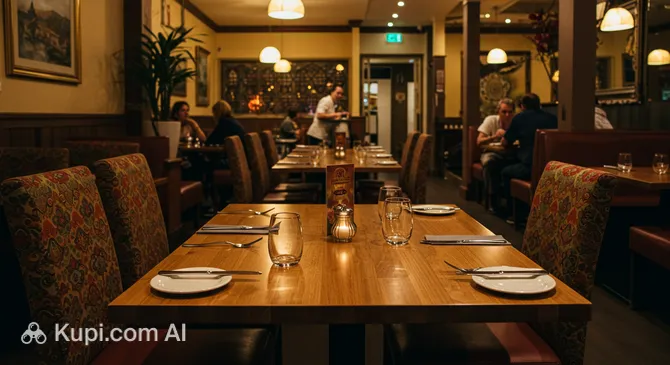
Golden Sky Indian Restaurant. Illustration.
Source: Kupi.com AI

Traveler photos:

For those who prefer a more intimate setting and exotic cuisine, the Golden Sky Indian Restaurant is an excellent choice. This establishment is famous for its hospitality and authentic dishes, offering a wonderful alternative to pub food. Restaurants in Colac usually close earlier than in large cities — the kitchen may stop serving as early as 8:30 PM or 9:00 PM, so it is worth planning your dinner in advance.

Safety in Colac is very high. The town center is well-lit, and evening walks along Murray Street are considered safe. However, public transport practically does not run at night. If you plan to stay out late, note the number of a local taxi service in advance, as hailing a car on the street can be difficult. Prices in local venues are moderate, making evening leisure accessible for most tourists.

Daytime and early evening entertainment also deserve attention. Movie lovers can visit Colac Cinemas to watch the latest global releases. The town's cultural hub is COPACC (Colac Otway Performing Arts & Cultural Centre), which regularly hosts theatrical productions and concerts. If the weather permits, you can start your evening with a walk in Memorial Square, enjoying the peace of a provincial evening before heading to a restaurant.

Parks & Museums

Colac pleasantly surprises visitors with its harmonious blend of well-kept green spaces and sites preserving the region's cultural memory. Despite the town's modest size, there are wonderful places for leisurely strolls in the fresh air and learning about local history, which can add variety to your journey along the Great Ocean Road.

The town's crowning natural jewel is undoubtedly the Colac Botanic Gardens. Located on the shores of the lake, they cover a vast area and are the perfect spot for picnics and family outings. Tourists are drawn here not only by the scenic views of the water but also by the unique collection of historic trees, including giant Bunya Bunya pines. The gardens feature convenient walking paths, barbecue areas, and a children's playground, making them an excellent location to recharge after a long drive.

In the heart of the business district lies Memorial Square. This green oasis amidst the town's bustle is a favorite resting spot for locals. The square is notable for its monuments dedicated to soldiers who fell in the World Wars, giving the place a special sense of solemnity and historical significance. It is a convenient spot for a short break while shopping or before visiting a cafe.

You can delve into the region's past at the Colac History Centre, located within the COPACC building. While not a traditional museum with massive halls, the center houses rich archives, photographs, and documents detailing the lives of early settlers, the development of agriculture, and the timber industry. This place will be of particular interest to those fond of genealogy or those wanting to know how this corner of Victoria has evolved over the centuries.

The center of modern cultural life is COPACC (Colac Otway Performing Arts & Cultural Centre). It regularly hosts art exhibitions by local artists, theatrical performances, and concerts. The foyer often features displays reflecting the creative potential of the region's residents. Visiting the center is a great way to experience the contemporary culture of provincial Australia.

For those seeking inspiration and quiet, we recommend walking along the Lake Colac trail to the local yacht club. This area is less crowded than the botanic gardens, but it offers some of the best sunset views as the sun dips behind the volcanic hills, painting the water in golden hues.

Getting Around

The transport system in Colac matches the scale of this small town: it is compact, straightforward, and oriented towards the primary needs of residents and visitors. There are no subways or trams, and the main link to the outside world and the state capital is the rail service. For getting around town, tourists most often choose walking or driving; however, public transport is also available.

The backbone of the transport network is Colac railway station, served by V/Line regional trains (Warrnambool line). This is the most reliable way to get here from Melbourne or neighboring major cities. The trains are modern and comfortable. Regional buses (coaches) also run through the town, connecting Colac to settlements along the coast and inland where the rails do not reach.

Within the town itself, there is a local bus network (Colac Town Bus Network) consisting of several routes (usually numbers 1, 2, and 3). They connect the railway station, the central shopping district, and residential areas, as well as serving the botanic gardens and the hospital. Buses run on a schedule, but intervals can be quite long, especially on weekends, so it is worth planning your trips in advance by checking the timetable on the PTV (Public Transport Victoria) website.

The regional fare payment system has its own peculiarities. For V/Line trains and regional coaches, a paper ticket is required, which can be booked online or purchased at the station. Unlike the metropolitan area where the myki card is used everywhere, Colac town buses often accept cash paid to the driver for a single trip. A pleasant bonus for tourists is the statewide daily fare cap: the price for a full day of regional travel, including a trip from Melbourne, is fixed and very affordable.

Since the town is compact, the center is easy to explore on foot. Main shops and cafes are concentrated along Murray Street. However, for trips to the lake or natural attractions in the surrounding area, a car is highly recommended. Taxi services are available in Colac and can be called by phone. Popular ride-sharing apps (like Uber) may be unreliable here due to the small number of drivers, so a classic taxi is a more dependable option.

Cycling is also a great alternative for getting around in good weather. The town's terrain is mostly flat, making for comfortable bike rides. Rental points are not as common as in big cities, so if you are traveling with your own bike, it will significantly expand your opportunities for exploring the scenic surroundings.

Accommodation

The choice of accommodation in Colac reflects its status as a cozy provincial center and an important stop for travelers. You won't find luxurious five-star skyscrapers or massive resort complexes typical of major cities here. Instead, the town offers an excellent range of practical and comfortable options: from classic roadside motels and historic pubs with guest rooms to Bed & Breakfasts and well-equipped caravan parks.

Geographically, most accommodation options are conveniently grouped along the main transport artery — the Princes Highway, which becomes Murray Street within the town limits. Staying in this area (Central Colac) provides walking distance to supermarkets, cafes, and restaurants, which is very convenient after a long day on the road. If you prefer a quieter atmosphere and proximity to nature, consider options closer to Lake Colac and the botanic gardens. These locations allow you to enjoy scenic views and tranquility while being just a couple of minutes' drive from the center.

The mainstay of the local hotel stock is mid-range motels. This is an ideal choice for road trippers: such places usually offer spacious rooms, free parking right at the door, and essential amenities like Wi-Fi and kitchenettes. For budget travelers and outdoor enthusiasts, the town has excellent caravan parks. You can rent an affordable cabin or stay with your own motorhome, making use of shared kitchen and barbecue areas.

The price range in Colac is generally more affordable compared to popular coastal resorts on the Great Ocean Road, such as Lorne or Apollo Bay. You can book a room through major international online platforms; however, many local owners also welcome direct bookings by phone or through their own websites.

Booking Tip: Although Colac is rarely as crowded as the coastal towns, we recommend booking accommodation in advance if your trip is planned for the peak summer season (December–January) or long weekends. During these times, the town becomes a popular transit point, and the best value-for-money options fill up quickly.

Nearby Cities

For those looking to explore the surroundings, Colac serves as an excellent starting point for day trips to several interesting nearby locations. The town's position at the intersection of major transport routes makes it easy to reach iconic Victorian sites.

One of the most popular destinations is Geelong — the state's second-largest city, located just an hour's drive away. It is famous for its magnificent waterfront with unique painted wooden bollards, botanical gardens, and a lively cultural scene. This is a wonderful choice for those wanting to enjoy the sea breeze and visit high-quality restaurants.

Another fascinating option is a trip to historic Ballarat. This city is world-renowned for its Gold Rush heritage. The main attraction here is the Sovereign Hill open-air museum, which fully recreates the atmosphere of the 1850s. Additionally, in Ballarat, you can admire grand Victorian architecture and visit the art gallery.

CityPopulationDistance
Glenormiston58 km
Torquay13 25864 km
Geelong184 18271 km
Leopold12 81479 km
Lara16 35579 km

These nearby destinations provide insight into the diverse culture and landscapes of the region, making your stay in Colac even more fulfilling.

Shopping & Souvenirs

Shopping in Colac is a calm and pleasant activity, free from the frenzy of large cities. As the region's main service hub, the town offers a great balance between essential chain stores and charming local shops. You won't find luxury high-fashion boutiques here, but it is an ideal place to purchase quality homewares, casual clothing, and, of course, the freshest produce from local farmers.

The heart of the town's commercial life is Murray Street, which is effectively part of the Princes Highway. Strolling along this main street, you will find many specialty shops: from cozy bookstores and surf shops to gift boutiques and pharmacies. This is a lively artery where locals do their daily shopping and tourists can find everything they need to continue their journey along the Great Ocean Road.

For more concentrated shopping, it is worth checking out Colac Plaza. This modern shopping complex is located near the center and hosts major Australian retailers, including supermarkets and popular clothing and homeware stores (such as Kmart). It is a convenient spot with ample parking where you can quickly restock provisions or buy items forgotten at home.

The markets, reflecting the region's rich agricultural potential, deserve special attention. The Colac Makers and Farmers Market, regularly held in the town (usually in Memorial Square), is a true feast for the senses. Here you can buy seasonal fruits and vegetables, homemade baked goods, jams, and plants directly from the producers. The atmosphere at the market is always friendly, offering a great chance to chat with the locals.

For souvenirs from Colac, gastronomic gifts are the best choice. The region is famous for its dairy industry, so look out for local cheeses and butter. Honey from Otway apiaries, olive oil, and wines from nearby wineries are also popular. In the antique stores and charity shops (op-shops) scattered around town, vintage lovers can find unique interior items and collectibles with a history.

Shops in Colac typically follow a standard regional Australian schedule: Monday to Friday from 9:00 AM to 5:00 PM or 5:30 PM. On Saturdays, many smaller shops close after lunch (around 12:00 PM – 1:00 PM), and they may not open at all on Sundays. The exception is large supermarkets in shopping centers, which are open until late evening seven days a week. Bank cards (Visa, Mastercard) are accepted almost everywhere, but having a small amount of cash is useful for market purchases.

The Tax Free system (Tourist Refund Scheme — TRS) is available for tourists in Australia when purchasing goods worth 300 AUD or more at a single store. However, you can only claim a refund upon departure from the country at an international airport (e.g., in Melbourne). There are no specialized tax refund points in Colac itself, so keep your receipts and present them at customs before flying home.

Reached the end of the page?

That means the route is fully explored