Support

Bright

About

Bright is a true gem of the Australian Alps, nestled in the east of Victoria. This picturesque town, surrounded by dense forests, towering hills, and crystal-clear rivers, offers the perfect blend of tranquility and adventure. Located in Australia, Bright is famous for its unique atmosphere, where majestic mountain landscapes harmonize with the European charm of its cozy streets.

The town's geographical position at the foot of the mountains makes its climate special: all four seasons are distinct here, which is untypical for many other regions of the continent. With a population of about 2,400 people, Bright retains the spirit of a friendly province where every guest is welcome. Despite its modest size, the town has a rich past, and Bright's history, rooted in the gold rush era, gives it a unique historical character.
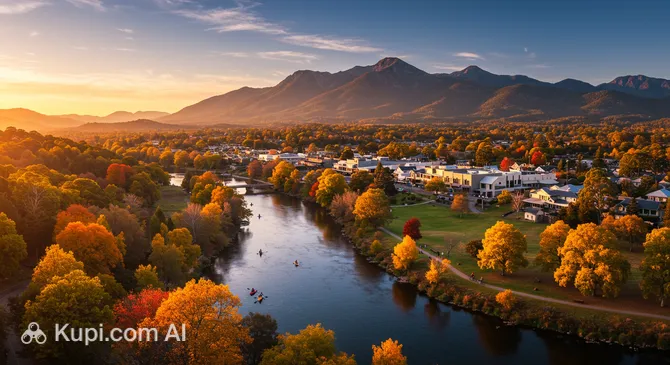
Bright. Illustration.
Source: Kupi.com AI

Bright is deservingly considered the unofficial capital of outdoor activities in the High Country region. People come here for the famous cycling routes, hikes along the Ovens River, and breathtaking views of snow-capped peaks in winter or golden foliage in autumn. The town is perfect for both family trips and romantic weekends, offering developed tourist infrastructure and plenty of opportunities to connect with nature.

If you are looking for a place to breathe in the fresh mountain air and take a break from the city bustle, Bright is an excellent choice. Its hospitality, natural beauty, and cozy atmosphere will provide you with unforgettable impressions and a desire to return again.
Weather Overview

The climate in Bright is characterized by a distinct change of seasons, which gives this alpine town a special charm all year round. Summer here is warm and comfortable: in January, the hottest month, the average temperature is 20.9°C, with daytime highs often reaching 27.1°C. This is a wonderful time for recreation near the water, although rain is possible—an average of about 10 rainy days are recorded.

With the arrival of autumn, it gets cooler: while average figures in March still hold at 17.0°C, they drop to 8.5°C by May. Winter (June–August) brings true alpine freshness. The coldest month is July, with an average temperature of 5.5°C and nightly minimums around 2.0°C. During this period, the number of rainy days is at its maximum (up to 15 days in August), so warm and waterproof clothing is necessary.

Spring pleases with gradual warming: from 8.8°C in September to a pleasant 15.2°C in November. Expect a warm summer with occasional rain and cool winters with high humidity. To choose the right wardrobe for your trip, we recommend checking the detailed weather in Bright for your travel dates in advance.

Average monthly temperature

Average monthly precipitation

Interesting Facts

Beyond the picturesque landscapes and well-known tourist routes, Bright holds many fascinating secrets that only curious travelers discover. This alpine town wonderfully combines a rich historical heritage with a modern, dynamic rhythm of life.

  • The town was founded during the 19th-century gold rush, and the spirit of that era can still be felt in its streets. It was named after the British politician John Bright, a famous advocate for reform and free speech. To experience the atmosphere of the past, look for historical buildings like The Star Hotel Bright, which has witnessed the changing eras in this region.

  • Bright is one of the few places on the continent where autumn looks like a true fiery-orange fairy tale. Thanks to thousands of planted European trees, such as maples and plane trees, the town hosts the famous annual Autumn Festival. Centenary Park is often the epicenter of these colorful landscapes, drawing artists and photographers from across the country for inspiration.

  • The town is considered the unofficial capital of cycle tourism in the region. It is here that the famous "Murray to the Mountains Rail Trail" begins—a scenic cycling path built on a former railway line. This route is considered one of the best in the country and is suitable for both professionals and casual riders.

  • The valley where Bright is located is a popular venue for unusual competitions and festivals. Mountain biking championships, marathons, and hot air balloon festivals are frequently held here. Thanks to the special microclimate, hot air balloon flights are particularly scenic, offering a bird's-eye view of the Australian Alps.

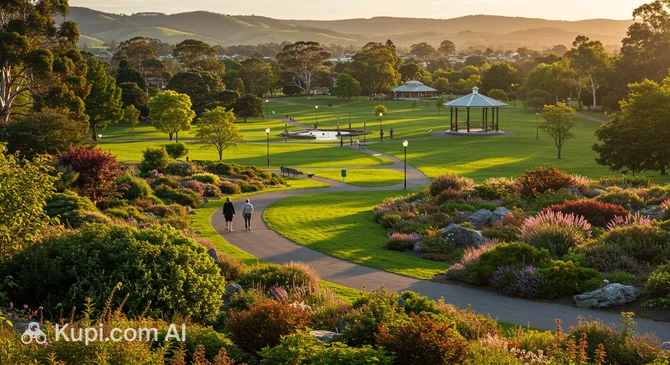
Centenary Park. Illustration.
Source: Kupi.com AI

Traveler photos:

How to Get There

Traveling to Bright is a journey into the heart of the Victorian Alps, and although the town itself has no airport or train station, getting here is quite easy thanks to the region's developed transport network. Most tourists choose a combination of air travel and a car or bus trip.

The nearest hub for domestic flights is Albury Airport (IATA: ABX), located in the city of Albury. It is just 73 km from Bright, making it the most convenient option for those wanting to minimize travel time. The drive by rental car or taxi takes about 1 hour and 15 minutes. It is a small but comfortable regional airport.

For international travelers and those flying from distant parts of the country, the main gateway is Tullamarine (IATA: MEL) in Melbourne. This is a major international airport located approximately 215 km from Bright. The drive from here along scenic routes takes about 3–3.5 hours. You can also consider flying through Canberra Airport (IATA: CBR) in Canberra (about 256 km) if your route passes through the capital.

For convenience, here is a summary of the main airports used to reach the region:

AirportPassenger trafficDistance
Albury Airport300 00073 km
Wagga Wagga Airport225 000179 km
Snowy Mountains Airport25 000187 km
Tullamarine Airport35 mln215 km
Narrandera10 608228 km

Regarding rail transport, there is no active station in Bright itself. The nearest major railway station is in Wangaratta. A popular way to get here is to take a V/Line train from Melbourne to Wangaratta and then transfer to a connecting bus that will take you directly to the center of Bright. The entire journey takes about 4 hours and allows you to enjoy views of the Australian countryside.

You can find more about how to get to Bright, including schedules and alternative routes, on our dedicated page.

Main Attractions

Bright is a town where the main attractions are not pompous monuments but places harmoniously integrated into the surrounding landscape and local culture. Sightseeing here often turns into a leisurely stroll where natural beauty coexists with historical buildings and iconic gastronomic locations.

The absolute center of attraction for all visitors is Centenary Park. It is not just a green zone but the true heart of Bright's social life, located along the picturesque banks of the Ovens River. Tourists come here for the magnificent scenery, especially during the autumn when the trees turn fiery shades. In summer, the park becomes the ideal spot for river swimming and family picnics, and children love the popular Splash Park water play area.

Centenary Park. Illustration.
Source: Kupi.com AI

Traveler photos:

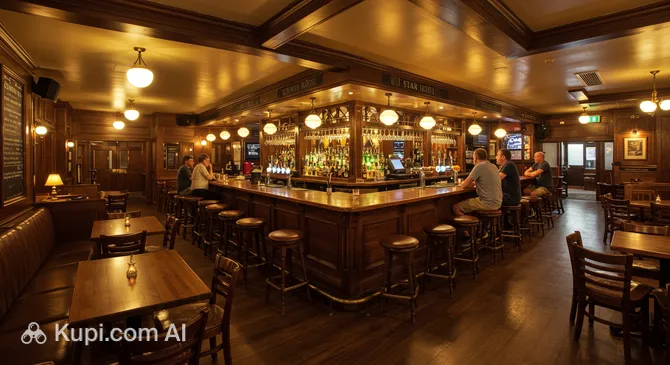
For those interested in architecture and the spirit of old Australia, The Star Hotel Bright is a must-visit. This establishment is more than just a place to rest; it is a historical landmark that preserves the atmosphere of a traditional Australian pub. The building draws attention with its classic facade and serves as a great example of how the town honors its traditions while remaining welcoming to modern travelers.

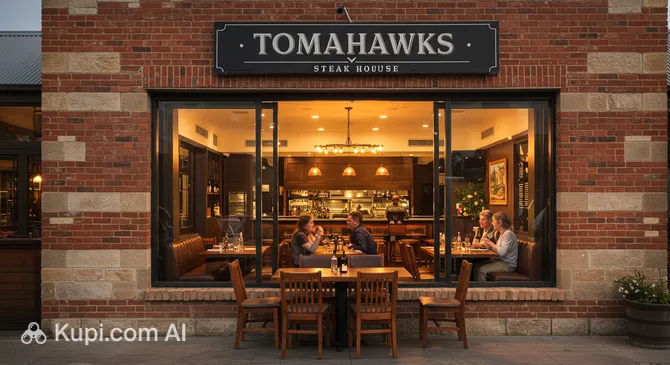
Modern Bright is impossible to imagine without its culinary landmarks, which have become the region's hallmark. One such iconic spot is the Tomahawks restaurant. This place has gained popularity among tourists not only for its delicious food but also for its special laid-back atmosphere, reflecting the friendly nature of the locals. Visiting such establishments allows for a better understanding of the regional culture, where the love for quality local produce is paramount.

Local Cuisine

Bright's local cuisine is a true feast for foodies, based on the "farm-to-table" concept. Thanks to the region's fertile lands and clean alpine air, products of exceptional quality are grown here. Your gastronomic journey should begin with a tasting of local berries and fruits, especially raspberries and apples, which can be bought directly from farmers. The region is also famous for its nuts, particularly chestnuts and walnuts, which are often added to seasonal dishes.

A special place on local menus is reserved for the Australian meat pie—a hearty classic perfect for restoring energy after mountain walks. Sweet lovers shouldn't miss the chance to try homemade baked goods: fluffy scones with jam and cream or fragrant rhubarb pies. The dining culture here is relaxed and democratic: locals prefer cozy cafes with outdoor terraces or picnics by the river.

Tomahawks. Illustration.
Source: Kupi.com AI

Traveler photos:

Drinks deserve special attention. Bright is known for its developed craft brewing culture. Local breweries use the purest alpine water for production, creating unique varieties of ale and lager. If you want to enjoy modern cuisine paired with excellent drinks, it's worth visiting Tomahawks. This popular spot with a laid-back atmosphere serves signature burgers and dishes prepared from local ingredients.

In addition to restaurants, the pulse of the town's gastronomic life beats at the street markets. Here you can find craft cheeses, local honey, jams, and cured meats. Throughout the year, the town often hosts culinary festivals where street food takes center stage, and guests can watch dishes being prepared right before their eyes.

Travel Tips

A trip to Bright promises to be unforgettable if you consider a few important nuances of this cozy alpine town beforehand. We've compiled a list of practical recommendations to help you avoid minor inconveniences and allow you to fully focus on relaxing surrounded by magnificent nature.

  1. Seasonal Wardrobe and Gear. The climate here has distinct seasons. In summer (December–February), the sun is very strong, so be sure to bring a hat, sunglasses, and high-SPF sunscreen. In winter and autumn, evenings can be quite chilly, so a warm jacket and layered clothing are essential. Since Bright is a hiking hub, comfortable trekking shoes are a must. Don't forget a Type I power adapter (Australian standard).
  2. Getting Around. Bright is a very compact town, and the best way to explore it is on foot or by bicycle (there are many rental points). Public transport within the town is almost non-existent. Taxi apps like Uber can be unreliable or have long wait times. If you plan to visit surrounding national parks and wineries, renting a car is the only reliable option.
  3. Finance and Payment. The currency is the Australian Dollar (AUD). Most cafes, shops, and hotels accept cards (Visa, Mastercard), but you may need cash at local farmers' markets or small shops. ATMs are available on the main streets. Tipping in Australia is not mandatory, but a 10% tip for good service in cafes is always appreciated.
  4. Health and Safety. Bright is a very safe place, and you can walk comfortably at any time. The main hazards are the sun (high UV levels) and wildlife (snakes in tall grass during summer). Pharmacies operate on standard hours (usually until 5:30 PM) and are closed on Sundays and evenings; there are no 24-hour pharmacies in town, so carry a basic first-aid kit with you.
  5. Communication and Internet. The main language is English. Free Wi-Fi is available in the library and many cafes, but speeds may be slower than typical city connections. If you need stable service in the mountains and remote areas, we recommend buying a Telstra SIM card—they have the best coverage in regional Victoria (other providers may lose signal).
  6. Local Etiquette. Australians are very friendly and value informal communication. A simple "Hi" or "G'day" when entering a shop or meeting on a trail is normal. In cafes, you often need to order and pay at the counter first rather than waiting for a server at your table. People here care deeply about nature: littering is strictly forbidden.
  7. Road Caution. Avoid driving outside of town at dawn and dusk. This is when kangaroos, wombats, and deer are most active and often hop onto the road, which is the most common cause of accidents in this region.
  8. Establishment Operating Hours. Remember that life in the provinces winds down early. Most shops close exactly at 5:00 PM. Restaurant kitchens often stop taking orders as early as 8:00 PM – 8:30 PM. If you plan on dining out, especially on weekends or during peak season (autumn), book a table in advance, or you might risk going hungry.

We hope these tips make your stay in Bright as comfortable and carefree as possible. Enjoy the pure mountain air, delicious food, and the genuine hospitality of the locals!

Entertainment & Nightlife

Nightlife in Bright differs from the usual rhythm of big cities: you won't find noisy nightclubs with neon signs or discos that run until dawn. Evening leisure in this alpine town primarily consists of cozy gastropubs, craft breweries, and soulful gatherings with live music. Most activity is concentrated in the town center along the main arteries—Gavan Street and Ireland Street—where life hums until late evening, especially during the tourist season.

The hub for those wanting to spend an evening in a classic Australian atmosphere is The Star Hotel Bright. This establishment functions as both a bar and a family bistro. Local musicians often perform here, and the setting encourages casual conversation over a cold beer or local wine. It's the perfect place to feel the "outback" flavor and chat with the locals.

The Star Hotel Bright. Illustration.
Source: Kupi.com AI

Traveler photos:

If you are looking for a more modern and youthful location, it's worth checking out Tomahawks. Although famous for its kitchen, in the evening it transforms into a stylish bar with an excellent selection of cocktails and craft drinks. The atmosphere here is more hip and dynamic, making it popular among young travelers and groups of friends. On warm evenings, the terraces fill up with people, creating a lively and festive backdrop.

Atmosphere and Dress Code: The crowd in Bright's evening venues is very diverse: from tired but happy cyclists and skiers (depending on the season) to romantic couples. The clothing style is relaxed casual. It is not customary to dress up in evening gowns or suits; comfortable and neat clothing is appropriate in any bar or restaurant.

Practical Tips and Safety:

  • Opening Hours: It's important to remember that Bright "goes to sleep" quite early. Kitchens in most bars close by 8:30 PM – 9:00 PM, and the venues themselves may stay open until 11:00 PM or midnight, but rarely later. Plan your dinner in advance.
  • Transport: There is no public transport at night. Since the town is compact, most hotels are within walking distance. It's better to book a taxi during the day, as catching one on the street at night is almost impossible.
  • Safety: Bright is one of the safest towns in the region. Night walks along the well-lit central streets pose no threat, though you should be careful on the outskirts due to potential wildlife on the roads.

While the nightlife is quiet, the daytime entertainment program in Bright is very full. The town offers many activities: from visiting historical museums and art galleries to relaxing in picturesque parks and participating in seasonal festivals that often last until evening.

Parks & Museums

Bright is famous not only for its alpine landscapes but also for its careful preservation of nature and cultural heritage. The town offers travelers magnificent, well-maintained green spaces for relaxed recreation and interesting museum collections that help provide a deeper understanding of the region's history and spirit.

The main attraction for nature lovers within the town limits is Centenary Park. Located along the picturesque banks of the Ovens River, it serves as the perfect spot for family picnics and leisurely strolls. In summer, you can refresh yourself in the cool river waters or visit the popular water play area, and in autumn, the park becomes a true mecca for photographers thanks to its incredible palette of gold and crimson leaves.

Another wonderful place for connecting with nature is the Bright Arboretum. This historical garden was established many years ago and is today a quiet oasis where various species of exotic and local trees are collected. This spot is less crowded than the central parks and is perfect for reading a book in solitude or taking a meditative walk among ancient trunks.

You can dive into the town's past at the Bright Museum, atmosphericly housed in the old railway station building. The museum's exhibits are dedicated to the region's rich history: from the gold rush days to the development of rail transport, which played a key role in the valley's life. On display are vintage photographs, gold-seekers' tools, and everyday items that recreate the lives of the early settlers.

Art lovers should visit the Bright Art Gallery. It is a community cultural hub where exhibitions of works by local artists, sculptors, and craftspeople are held regularly. The gallery often hosts prestigious annual art shows, attracting talent from across the country, and is a great place to see how the beauty of the Australian Alps inspires creative minds.

For those who want to see the town from an unusual angle, we recommend heading to Huggins Lookout. While not a park in the traditional sense, the short climb here will reward you with a breathtaking panorama of Bright and the surrounding valley, especially impressive at sunset.

Getting Around

Bright is a small and cozy town that is best explored without rushing. Public transport in the traditional sense is practically non-existent here. The main ways to get around the town and its immediate surroundings are walking and cycling, allowing you to fully enjoy the region's picturesque nature.

The center of Bright is very compact, so most cafes, shops, and parks are within walking distance of each other. For longer walks, the Canyon Walk route, which runs along the Ovens River, is ideal. Cycling is not just transport, but an integral part of local culture. There are several rental points in town where you can rent a bike for any taste—from mountain to road bikes. This is the best way to get to know the famous cycle paths, such as the Murray to Mountains Rail Trail.

For trips to neighboring towns and regional centers, you can use V/Line coaches. This is the main form of intercity communication. It is recommended to purchase V/Line tickets in advance online on the official website or from agents. It's important to remember that these buses run on a schedule and are not intended for moving within Bright itself.

If you plan to actively explore the surroundings, including alpine parks and wineries, renting a car is the most convenient option. This will give you maximum freedom of movement. Alternatively, taxi services operate in the town and can be called by phone for short trips or transfers. Ride-sharing apps like Uber may be unavailable or have a limited number of drivers, so it is better to rely on local taxi companies.

Accommodation

Bright offers travelers a wide range of accommodation options to suit every taste and budget. As the town is a popular tourist destination, it has a well-developed hospitality infrastructure. You can choose to stay in cozy motels, stylish boutique hotels, classic "bed and breakfasts," or one of the many campgrounds and holiday parks that are especially popular with Australian families.

The most convenient area to stay is considered the town center and the streets adjacent to the Ovens River. Staying here puts you within walking distance of the main shops, cafes, and scenic walking trails, such as the Canyon Walk. If you are looking for seclusion and peace, consider options on the outskirts of town or in the nearby villages of Porepunkah and Wandiligong, where entire cottages with mountain views are often available for rent.

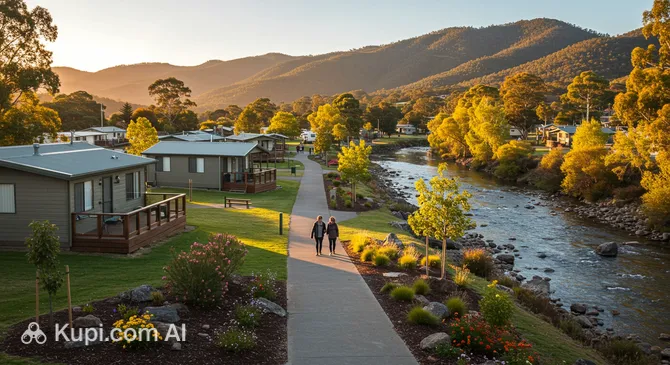
Complexes offering a mix of comfort and proximity to nature are particularly popular in the region. An example of such accommodation is Bright Riverside Holiday Park. This place is excellent for both couples and large families, offering various accommodation options right on the riverbank, allowing guests to enjoy the fresh air without sacrificing urban conveniences.

Bright Riverside Holiday Park. Illustration.
Source: Kupi.com AI

Traveler photos:

Booking Tip: Bright is an incredibly popular destination, especially during the autumn leaf fall (April–May), during school holidays, and on long weekends. During these peak seasons, the best accommodation options are snapped up several months, and sometimes even half a year, in advance. Therefore, we strongly recommend planning your trip and booking your stay well ahead of time.

Prices range from budget spots in caravan parks and hostels to premium apartments and luxury eco-cabins. You can book accommodation through popular international online platforms, directly via hotel websites, or through local real estate agencies specializing in short-term holiday rentals.

Nearby Cities

For those wanting to explore the surroundings, Bright serves as an excellent starting point for day trips to several interesting nearby locations. Its position in a picturesque valley makes it easy to reach other significant towns in the region, each with its own unique character.

One of the most popular destinations is Wangaratta, located just 70 km away. This city is famous for its annual jazz festival and serves as the gateway to the renowned King Valley wine region. Here you can stroll through historical streets and enjoy local cuisine. Another interesting option is Wodonga (67 km), situated on the border with the state of New South Wales. The city offers great opportunities for recreation on the Murray River, many parks, and a thriving cultural scene. If you are willing to drive a bit further, Shepparton will surprise you with its art museums and its status as the region's agricultural hub.

CityPopulationDistance
Mount Buffalo15 km
Falls Creek32 km
Mount Hotham32 km
Wodonga18 94867 km
Wangaratta17 37770 km

These nearby destinations provide an insight into the region's diverse culture and landscapes, complementing your alpine holiday experience.

Shopping & Souvenirs

General Overview: Shopping in Bright is a relaxed and pleasant activity that perfectly complements an outdoor holiday. You won't find noisy mega-malls or endless rows of mass-market brands here. Instead, the town offers charming boutiques, galleries, specialized outdoor gear shops, and stores with unique homewares. The atmosphere encourages leisurely walks, where souvenir shopping becomes part of the cultural experience.

Main Shopping Streets: The heart of the town's retail life beats on Gavan Street and Ireland Street. Most shops are concentrated here, in the shade of the famous tree-lined avenues. Strolling along these streets, you'll find everything from high-quality clothing and footwear to cozy bookstores and gift shops. Due to the compact nature of the center, all the interesting spots can be explored on foot while enjoying mountain views.

Shopping Centers: Bright lacks large shopping centers in the conventional sense. The retail format here is classic street-side shopping. This helps preserve the town's authentic appearance and supports small businesses. Tourists appreciate this for the opportunity to find something truly unique rather than the standard range of giant retail chains.

Markets: Markets hold a special place in the town's life, serving as a true showcase of the region. The most famous is the "Make It, Bake It, Grow It" market, which usually takes place on the third Saturday of the month. Here, local farmers and artisans offer fresh produce, homemade baked goods, and handcrafted items. Stalls and events often set up near popular recreation areas like Centenary Park, making a market visit a great option for a family outing.

Souvenirs: From a trip to Bright, it's worth bringing back gastronomic souvenirs that the High Country region is famous for. Look for local walnuts and chestnuts, farm honey, berry jams, and, of course, wines from the nearby valleys. Also popular are alpaca wool products and high-quality cycling and hiking gear, as the town is considered one of the capitals of outdoor activities.

Opening Hours and Payment: Most shops operate from 9:00 AM to 5:00 PM or 5:30 PM. Supermarkets may stay open longer, until 8:00 PM. On weekends and public holidays, the hours of small boutiques may be reduced. Bank cards (Visa, Mastercard) and contactless payments are accepted almost everywhere. Cash might only be needed at small market stalls.

Tax Free: Tourists visiting Australia can utilize the Tourist Refund Scheme (TRS) upon departure. This applies to purchases of AUD 300 or more from a single business (multiple receipts from the same business can be totaled) made within 60 days of departure. Be sure to ask for a tax invoice if you plan on making major purchases, such as expensive equipment.

Reached the end of the page?

That means the route is fully explored