Support

Falls Creek

About

Falls Creek is a cosy alpine village tucked away in the picturesque Victorian Alps. Situated at an altitude of about 1,800 metres above sea level, this resort offers guests a unique atmosphere of seclusion, where majestic nature is combined with the comfort of a modern holiday.

Geographically, the settlement is far from major metropolises: the nearest large city, Melbourne, is about 350 kilometres away. This location allows tourists to completely escape the bustle of the city. In winter, the region is buried in snow, attracting travellers visiting Australia for winter sports, while in summer it transforms into a green oasis for lovers of cool, fresh air.
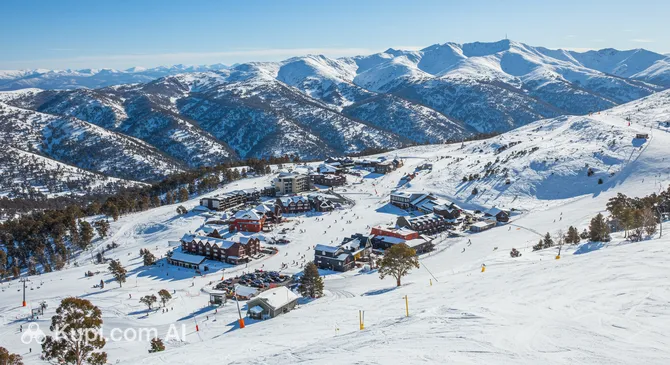
Falls Creek. Illustration.
Source: Kupi.com AI

Falls Creek itself is not a classic city with dense buildings, but rather a specialised resort village. Although the permanent population is small, the number of people increases many times over during the season due to guests. To learn more about how this unique community was formed, the history of Falls Creek, which is closely linked to the development of the high country and active tourism, will help.

The main point of attraction here is the magnificent infrastructure for active leisure. In winter, it is a paradise for skiers and snowboarders with runs of varying difficulty, and in summer, it is a mecca for cyclists and hiking enthusiasts. A special charm is given to the place by the friendly atmosphere and the opportunity to combine sport with relaxing treatments in local spas with mountain views.

If you are looking for a place where you can find the perfect balance between an energetic holiday and peaceful contemplation of nature, Falls Creek is an excellent choice. It is a welcoming corner ready to give you unforgettable impressions at any time of year.
Weather Overview

The climate in Falls Creek is typical for the high-altitude regions of the Australian Alps, with clearly defined seasonality that determines the nature of the holiday. Summer here is mild and comfortable, ideal for hiking: the warmest month is January with an average temperature of 18.5°C and maximums up to 24.3°C. At this time of year, the number of days with precipitation is about 12, which should be considered when planning routes.

The winter period, on the other hand, brings the cold necessary for the formation of snow cover. The coldest month is considered to be July, when the average temperature drops to 3.9°C, and night minimums reach 0.9°C. In the winter months (June-August), the highest number of days with precipitation is recorded — up to 16 days per month, which, in low-temperature conditions, provides the resort with snow. Finding out a detailed forecast for the coming days will be helped by the weather in Falls Creek.

Expect moderately warm summers with occasional rain and cold, snowy winters with frequent snowfalls, creating ideal conditions for skiing and snowboarding.

Average monthly temperature

Average monthly precipitation

Interesting Facts

Beyond its reputation as a top-tier destination for winter sports, Falls Creek hides many surprising details related to its history and geography. Here are a few facts that will allow you to look at this alpine corner from a new perspective:
  • Energy roots: The history of the resort did not start with tourism at all, but with industry. In the 1940s, these slopes began to be developed by workers building a dam for a hydroelectric power station. It was thanks to this large-scale energy project and the enthusiasm of the first builders that the village turned into a popular winter resort.

  • Australian record holder: Falls Creek boasts the longest "green" run in Australia called Wombat Ramble. Its length is 2.2 kilometres, allowing beginners and families with children to enjoy a long and scenic descent without difficult sections.

  • Door-to-slope comfort: This is one of the few places on the continent where the ski-in/ski-out concept is fully implemented. Most buildings and hotels are designed so that guests can leave their apartments straight onto their skis, effectively turning the snowy village streets into an extension of the ski runs.

  • Legends and sport: The town is a regular venue for famous ski marathons and festivals. Local old-timers often tell legends that these mountains hold the secrets of the first mountaineers, and the spirit of the pioneers still floats over the slopes during competitions.

How to Get There

A journey to the Australian Alps is an exciting adventure that begins with choosing the right route. Since the resort is located high in the mountains, it is impossible to get here directly by plane or train, but there are many convenient combined options. You can find all ways to get to the city and the resort on our separate page, and below we will look at the main transport hubs.

There is no airport in the town of Falls Creek itself, so travellers usually fly into the nearest regional hubs or the state capital. The most convenient option for domestic flights is Albury Airport (IATA: ABX), located in the city of Albury. It is about 93 km from the resort. This is a popular choice, as the travel time by car or transfer from here is about 2 hours 40 minutes.

For international tourists, the main gateway is Tullamarine Airport (IATA: MEL) in the city of Melbourne. This is the region's largest aviation hub, receiving flights from all over the world. The distance to Falls Creek is about 234 km, so a trip by rental car or bus will take approximately 6 hours. Despite the length of the journey, the road from Melbourne is very scenic and passes through colourful Australian towns.

For clarity, here is a summary of the main airports:

AirportPassenger trafficDistance
Albury Airport300 00093 km
Snowy Mountains Airport25 000164 km
Wagga Wagga Airport225 000189 km
Merimbula Airport72 100234 km
Tullamarine Airport35 mln234 km

There is no direct rail link to Falls Creek, as trains do not climb high into the mountains. However, you can use Victoria's V/Line rail network. The nearest major stations are in the towns of Wangaratta and Albury. Trains arrive here regularly from Melbourne (Southern Cross station) and Sydney. From the stations to the resort itself, you will need to book a transfer or take a bus, which runs quite frequently during the winter season.

Many tourists prefer to reach the resort by car. The drive from Melbourne or Sydney along the Hume Highway is comfortable and safe. However, it is important to remember that during the winter season (from June to October), carrying snow chains in your car is a mandatory requirement when entering the alpine zone, even if you have a 4WD. There are car parks at the resort from where guests are taken to their hotels by special transport.

Main Attractions

The main attractions of Falls Creek are inextricably linked to the majestic nature of the Australian Alps. This is a place where breathtaking landscapes are combined with the cosy atmosphere of a mountain village, offering tourists unique points of attraction in both winter and summer.

One of the most picturesque natural locations is Rocky Valley Lake. Located at an altitude of about 1,600 metres, it is considered the highest large body of water in Australia. In summer, the lake becomes a centre for water activities: fishing, kayaking, and sailing are popular here. In winter, the frozen surface of the water creates a stunning backdrop for ski trails, and walks along the shore give a sense of complete unity with the wild.

For those who want to enjoy a bird's-eye view, Mount McKay is a must-visit. At 1,842 metres, it is one of the highest peaks in the region and, notably, the highest point in Australia accessible by car. From its summit, a 360-degree circular view opens up, covering the Bogong High Plains and endless mountain ranges, making it an ideal place to watch the sunset.

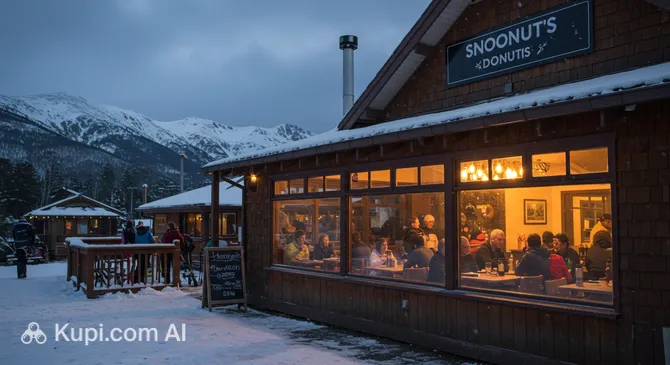
Snonuts Donuts. Illustration.
Source: Kupi.com AI

Traveler photos:

Among the man-made attractions, the legendary cafe Snonuts Donuts has gained a special status. Although this establishment falls into the category of restaurants, it has long been a true symbol of the resort. Guests line up to try their famous hot donuts, which are considered the best reward after an active day on the slopes. Visiting this cosy place has become a kind of tradition for many generations of tourists coming to Falls Creek.

Hiking enthusiasts should head to Ropers Lookout. The route to it passes through picturesque alpine meadows and eucalyptus forests. The climb does not require special mountaineering training, and the reward for the effort will be a magnificent view of the valley and neighbouring peaks, which is often called one of the best in the state of Victoria.

Local Cuisine

The gastronomic scene of Falls Creek, despite the compact size of the village, is capable of surprising even sophisticated gourmets. A cosy atmosphere reigns here, where after an active day on the slopes, it is so pleasant to warm up by the fireplace. Local establishments offer a wide range of flavours: from quick snacks in cafes to exquisite dinners in restaurants with panoramic views of the snowy peaks.

The basis of the menu in many establishments is hearty dishes, ideal for restoring strength in a cold climate. It is definitely worth trying classic Australian meat pies with thick fillings, as well as tender lamb and local beef steaks cooked on the grill. In the winter season, hearty soups, stews, and game dishes, which are often served with fresh homemade bread, are particularly popular.

Lovers of sweets and street food cannot pass by a local legend — Snonuts Donuts. This establishment is famous for its hot donuts, which have become a true symbol of the resort, and also offers excellent milkshakes and snacks. The queue for these treats is a common occurrence, but the taste is worth it.

The drink culture in Falls Creek is inextricably linked to the rich winemaking traditions of the state of Victoria. In the wine lists of restaurants, you will find the best varieties of regional wines, which perfectly complement local dishes. There is also a developed culture of craft beer and signature cocktails, which can be tasted in popular bars such as the Frying Pan Inn or Milch Cafe Bar. In the morning, guests can expect magnificent freshly brewed coffee, without which an Australian breakfast is impossible.

In summer, the gastronomic life of the resort takes on new colours thanks to farmers' markets and culinary festivals. During this period, you can buy the freshest products from local producers: aromatic honey, homemade cheeses, seasonal vegetables, and fruits. This is a great time for picnics in nature with a view of the picturesque alpine meadows.

Travel Tips

Welcome to the high-country world of Falls Creek! To make your trip to the Australian Alps as comfortable as possible and without organisational hitches, we have prepared a list of important practical recommendations, taking into account the unique specifics of this resort.

  1. Clothing and Equipment. The weather in the mountains changes rapidly, so the principle of layering is your main rule. In winter, waterproof membrane clothing and thermal underwear are essential, as well as comfortable shoes with non-slip soles for walking on the village's icy paths. In summer, bring a windbreaker for cool evenings. Important: the Australian sun is very active even in winter, so sunscreen (SPF 50+) and glasses are mandatory in any season.

  2. Transport within the Resort. In winter, Falls Creek becomes a closed zone for private cars. You will have to leave your car in a paid car park at the entrance and reach the hotel by special tracked taxi (ATS). For daily movements, use the free village shuttle or walk. Car hire is only needed for the transfer to the resort itself; inside the village, it is useless.

  3. Finances and Budget. The official currency is the Australian dollar (AUD). In the village, practically everywhere (hotels, hire, restaurants), cashless payment by cards or smartphone is preferred. There is an ATM in the centre (Slalom Plaza), but it's better to have a small supply of cash just in case. Bear in mind that prices for food and services here are higher than in regular towns ("resort premium"). Tipping is not mandatory, but 10% for good service in a restaurant is welcomed.

  4. Health and Safety. There is a Medical Centre at the resort, open daily during the winter season, but not 24/7. In emergencies, call 000. The area is safe, but in winter, the main threat is ice — be careful during evening walks. The pharmacy range in the local supermarket is limited, so bring specific medicines with you.

  5. Communication and Connection. The main language is English; locals speak with a characteristic Australian accent and use slang (e.g., "arvo" for afternoon). Wi-Fi is available in most hotels and cafes, but mobile signal can drop in low-lying areas. The best coverage in the mountains is provided by Telstra. We recommend downloading the official Falls Creek app to track lift operations and weather in real time.

  6. Local Etiquette. Australians are very friendly and informal. It is customary to greet shuttle drivers and shop assistants with a simple "Hi" or "G'day". A sacred rule of the resort is observing the queue for the lifts. Attempting to push in or run over a neighbour's skis is considered the height of rudeness.

  7. What to Avoid. It is strictly forbidden to walk on prepared ski runs (groomers) — this is dangerous and spoils the surface. Also, do not underestimate driving requirements: if you are driving in winter, carrying snow chains is mandatory, even for 4WDs (rangers may check them).

  8. Provisioning Tip. If you plan to self-cater in apartments, try to buy basic groceries in large supermarkets in the towns of Albury or Wodonga on the way to the resort. The local FoodWorks shop is great for buying bread and milk, but a full grocery basket there will cost significantly more.

By following these simple tips, you can avoid everyday hassles and fully focus on the beauty of the mountains and active leisure. Falls Creek is a welcoming place where respect for nature and those around you guarantees you unforgettable holiday memories!

Entertainment & Nightlife

The nightlife in Falls Creek is a classic alpine "après-ski" story. Here, you won't find huge metropolitan nightclubs with neon signs and strict face control. Instead, the resort offers a cosy, friendly atmosphere where the fun begins right after the lifts close. The main action unfolds in pubs and bars, where skiers and snowboarders gather to discuss the day's successes over live music and warming drinks.

The epicentre of evening activity is considered to be the Village Bowl area and the surroundings of Slalom Plaza. This is where most of the establishments are concentrated, and life buzzes until late in the evening. The crowd here is very diverse: from youth groups to families. There is practically no dress code — most bars will happily welcome you in your ski jacket and boots, which creates a relaxed and democratic environment.

Among the popular spots, the iconic pub The Man Hotel stands out, famous for its loud parties, pool tables, and concerts by local bands. If you want something more refined, drop into Astra Bar, which serves signature cocktails in a stylish interior. And for those who want to refuel with something sweet during an evening stroll, Snonuts Donuts is an excellent choice. This place stays open late during the high season, offering hot donuts that perfectly complement a cool mountain evening.

Prices in the establishments reflect the level of a ski resort — they are above average, but the quality of drinks and food justifies this. Most bars work until midnight or 1:00 AM, as the main focus here is on daytime skiing. To get to your hotel at night, it is best to use the walking routes if you live in the centre, or order a night taxi (transport oversnow) if your chalet is further away.

In terms of safety, Falls Creek is one of the quietest places in Australia. The crime rate here is close to zero, so night walks are absolutely safe. The only real threat is ice: returning from a bar, be careful on the snowy paths and wear shoes with non-slip soles.

During the day, when the nightlife quietens down, entertainment is of a more relaxed nature. There are no large shopping centres or theatres here, but guests can visit spas for recovery or go on a snowmobile tour at sunset. The main "amusement park" remains the snowy slopes and magnificent views of the Australian Alps.

Parks & Museums

Unlike traditional metropolises, in Falls Creek you won't find blocks of classic city parks or huge museum complexes. Here, nature itself acts as the main exhibition hall, and the green zones are the endless expanses of wilderness surrounding the resort. The cultural life of the village is closely intertwined with the history of mountain development and the growth of winter sports.

The main natural treasure of the region is Alpine National Park. The resort is effectively located within its territory, making access to wildlife instant. This is Victoria's largest national park, protecting unique ecosystems of the Australian Alps. In summer, the slopes are covered with a carpet of wildflowers — daisies and buttercups, and in winter, they transform into a snowy kingdom. Here you can find rare animal species, including the mountain pygmy-possum, and admire ancient snow gums with their bizarrely twisted trunks.

An integral part of the natural landscape is the Bogong High Plains. This is an extensive highland plateau offering some of the best scenery in the country. The landscape here is harsh but fascinating: open moorlands, stone rivers, and crystal-clear streams. For tourists, it is an ideal place for trekking and exploring the alpine flora that has adapted to extreme weather conditions.

You can dive into the resort's past at the Falls Creek Museum. The exhibition of this small but informative museum tells the fascinating history of the region: from indigenous peoples and the first cattlemen to the large-scale construction of the Kiewa Hydroelectric Scheme and the establishment of skiing. Ancient skis, photographs of the first lifts, and personal belongings of mountaineering pioneers are collected here, allowing you to trace the evolution of the village from a workers' settlement to a modern resort.

A special place in the cultural landscape is occupied by the historic cattlemen's huts. Scattered across the Bogong High Plains, these buildings are open-air architectural monuments. The most famous of them is Wallace's Hut, built in 1889. It is the oldest surviving hut in the park, constructed from local stone and wood. Visiting such places allows you to touch the harsh life of the first settlers and feel the spirit of the Australian outback.

For art lovers, temporary exhibitions are often held in the village, and an Artist in Residence programme operates, under which artists and sculptors create works inspired by the mountains. Walking through the resort, you can notice various art objects and sculptures harmoniously integrated into the environment.

Insider Tip: If you find yourself here in summer or early autumn, be sure to take a walk to Wallace's Hut at sunset. The soft light falling on the old logs against the background of ancient snow gums creates an incredibly cinematic atmosphere, perfect for photos and quiet contemplation of history.

Getting Around

The public transport system in Falls Creek differs significantly from the usual urban scheme with metros or bus depots. Since this is a high-altitude resort village, unique rules apply here, completely dependent on the time of year. In winter, the resort becomes a car-free zone, so familiar wheeled vehicles give way to specialised machinery.

The main mode of transport in the winter season is the Accommodation Transfer Service (ATS) — an "oversnow" taxi service. These are specially equipped tracked vehicles or 4WDs that deliver guests and their luggage from the intercept car park directly to the doors of hotels and chalets. Since the roads are covered in snow, this is the only way to reach your accommodation with suitcases. Transfer tickets (one-way or return) must be booked in advance online on the resort's official website or bought at the terminal upon arrival. Prices are fixed and depend on the passenger's age and the amount of luggage.

For daily movement around the village without luggage, a free shuttle (Village Shuttle) operates. It runs on a circular route, connecting the main skiing areas, ski school, and residential districts. Shuttles usually run at intervals of 15–20 minutes during the day and early evening. No tickets or cards are needed for travel — just board the bus at any designated stop. This is the most convenient and budget-friendly way to get from remote apartments to the lifts.

A unique form of public transport here is the cable cars. Although they are primarily intended for skiers, some lifts are also available for foot passengers. To use them, you need to purchase a special Sightseeing Pass at the ticket offices or online and load it onto a reusable Snow Pass card. This allows you to quickly reach high-altitude restaurants or lookouts without ski equipment.

In the summer period (from December to May), the transport regime changes: roads open for private cars, and you can drive freely to your accommodation. At this time of year, a popular alternative to transport is the bicycle. Hire points operate in the village, offering mountain and road bikes, as well as e-bikes, which significantly facilitate movement in the hilly terrain.

There are no familiar city taxi services such as Uber or car-sharing services within the village itself due to its compact size and specific terrain. Tourists should remember the main rule of the winter season: upon arrival, you leave your car in a secure car park at the entrance and transfer to ATS transport. It is recommended to check the transfer service hours in advance, especially if you plan to arrive late in the evening.

Accommodation

Accommodation in Falls Creek has its own unique character, dictated by the format of an alpine village. You won't find typical chain high-rises here; instead, the resort offers cosy accommodation options harmoniously integrated into the mountain landscape. The main stock consists of private apartments, chalets, and club lodges, which are ideal for both families and large groups. Boutique hotels with a full range of services and more budget-friendly hostel-style options for young people are also available.

One of the main features of staying here is the ski-in/ski-out concept. Thanks to the well-thought-out layout of the village, most accommodation facilities are located so that you can put on your skis right at the doorstep and slide down to the lifts, and in the evening return on skis. The most popular and convenient areas are considered to be the surroundings of Slalom Plaza and Village Bowl. Staying here provides maximum proximity to ski schools, equipment hire, and main entertainment venues.

Booking tip: The winter season (from June to September) is the peak period when demand many times exceeds supply. To guarantee yourself a good option with a mountain view, it is recommended to book accommodation 4–6 months before the trip. If you plan a visit in summer, the choice will be freer and prices significantly lower.

The price range varies from medium to high, especially in the height of the ski season. Budget options do exist (mostly spots in shared lodge rooms), but they are snapped up quickly. You can book accommodation through popular international online platforms or through the centralised booking system on the resort's official website, which often offers package tours including lift passes and equipment hire.

Nearby Cities

For those who want to explore the surroundings, Falls Creek serves as an excellent starting point for day trips to several interesting nearby places:

One of the most convenient directions for a visit is Wangaratta. This city, located at the foot of the Victorian Alps, is known for its rich history associated with the gold rush era and the legendary bushranger Ned Kelly. Furthermore, Wangaratta is famous for its annual jazz festival and serves as the gateway to the King Valley wine region, making it attractive for gourmets and culture lovers.

Another interesting option is the city of Wodonga, located on the picturesque banks of the Murray River. Situated on the border of the states of Victoria and New South Wales, it forms a single urban area with the city of Albury. Here, tourists can expect extensive parklands, botanical gardens, and excellent opportunities for water activities and picnics by the water, which will be a wonderful contrast to the mountain landscapes of Falls Creek.

If you are up for a longer trip, it is worth visiting Shepparton. This city is often called Australia's "fruit bowl" due to its extensive orchards and farms. In addition to agritourism, Shepparton attracts with its modern Art Museum (SAM) and a unique collection of painted cow sculptures scattered throughout the city.

CityPopulationDistance
Mount Hotham18 km
Bright2 40032 km
Mount Buffalo46 km
Wodonga18 94889 km
Corryong1 30093 km

These nearby destinations provide an insight into the diverse culture and landscapes of the region.

Shopping & Souvenirs

General Overview: Shopping in Falls Creek has a distinct resort specificity. You should not expect huge malls or high-fashion boutiques here as in Australia's metropolises. The village's retail sector is fully oriented towards the needs of holidaymakers: there is an excellent selection of sports equipment, high-quality winter clothing, souvenirs, and essential goods. Shops are located compactly, allowing for shopping without straying far from the skiing areas.

Main Shopping Areas: All retail life in the village is concentrated around two main squares. The first is Slalom Plaza, where the main supermarket, post office, and ticket offices are located. The second important location is Village Bowl. In these zones, you will find most hire points, ski equipment shops, and small stalls with accessories. You can move between them on foot or via the free shuttle.

Shopping Centres: There are no large shopping centres in Falls Creek itself. This is an intimate place that values comfort and proximity to nature. If you need large-scale shopping, it is recommended to visit the towns of Albury or Wodonga on the way to the resort, where there are large chain stores and malls.

Markets and Food: There are no classic street markets in the village, however, the role of the main food centre is performed by the FoodWorks supermarket, located in the Slalom Plaza terminal building. Here you can buy fresh produce, vegetables, fruits, as well as alcoholic beverages for a cosy evening in the apartments. The range is wide enough to provide tourists with everything needed for self-catering.

Souvenirs and Purchases: The main commodity here is, undoubtedly, professional equipment. In local shops such as The Board Lounge or Snow ski apartments rental, you can purchase skis, snowboards, helmets, and clothing from leading world brands. As a souvenir, it is worth bringing back warm hoodies or beanies with the "Falls Creek" logo, as well as High Country region products: local honey, jams, or a bottle of wine from the nearby King Valley wineries.

Opening Hours and Payment: In the winter season, shops usually open around 8:30 AM and work until 5:00 PM or 6:00 PM, aligning with the lift schedule. The supermarket may stay open longer, until 7:00 PM–7:30 PM. In the summer period, opening hours may be reduced. Bank cards (Visa, Mastercard) are accepted everywhere, and contactless phone payments are also widespread. Carrying cash is not essential, but a small amount may be useful.

Tax Free: Since Australia offers a Tourist Refund Scheme (TRS) for tourists, you can use it when buying expensive equipment. If you buy goods worth 300 AUD or more in one shop (for example, new skis or a jacket) and take a special Tax Invoice, you can claim a GST refund at the international airport when leaving the country.

Reached the end of the page?

That means the route is fully explored